
Bydgoszcz Canal (Kanał Bydgoski) Visitor Guide: 6 Essential Tips
The Bydgoszcz Canal is a working piece of 18th-century engineering that still shapes the city today. Completed in 1774 to link the Vistula and Oder river basins, it now doubles as a free public promenade, a working museum, and — in season — a scenic boat route through its original locks. This 2026 bydgoszcz canal (kanał bydgoski) visitor guide covers the history, a self-guided route, and the practical details for your visit.
Most of what makes the canal worth seeing costs nothing. The towpath, the surrounding parkland, and the Bydgoszcz Canal Museum are free to enter; only the seasonal boat cruises and marina services charge a fee. Whether you have thirty minutes or a full afternoon, the canal rewards a slow walk past preserved brick lock chambers, willow-lined banks, and resident swans.
Historical Significance of the Bydgoszcz Canal
Construction began in 1773 on the order of King Frederick II of Prussia, who wanted a direct trade link between the Vistula and Oder river systems. Engineers cut the route between the Brda and Noteć rivers, and workers finished the main channel in roughly eighteen months — a fast timeline for an 18th-century canal of this scale. The finished waterway let goods move from the Vistula basin to the Oder basin, and on to Berlin, without an overland portage.
The canal became the economic backbone of Bydgoszcz through the 19th century, when nearly 3,000 rafters worked the water for the Lloyd Bydgoski shipping line. Later modernizations widened locks and added mechanized gates as cargo vessels grew larger. Today the system splits in two: the historic "Old Canal" through the Okole district, preserved as a monument of hydro-technical architecture, and the functional "New Canal" bypass that still carries limited traffic and recreational boats.
The Old Canal has held regional heritage-register status in the Kuyavian-Pomeranian Voivodeship since 2005, and as of 2026 the city is pursuing national "Monument of History" status — seen locally as groundwork for an eventual UNESCO bid, though the canal isn't UNESCO-listed yet. A quick reference before you go:
- Length: about 24.7-24.8 km between Bydgoszcz and Nakło nad Notecią (originally built to roughly 26.6-26.77 km)
- Locks: six operational today — Okole, Czyżkówko, Prądy, Osowa Góra, Józefinki, Nakło Wschód — plus historic brick chambers I-V preserved along the Old Canal
- Built: 1773-1774, continuously navigable since — the oldest operating canal in Poland
Must-See Highlights: The Museum and Historic Locks
The Muzeum Kanału Bydgoskiego occupies a former school building on ul. Staroszkolna, right on the Old Canal between locks IV and V. Inside, ship models, original rafter uniforms, and interactive displays explain how the locks lifted vessels between elevations. It's a small museum but a dense one — plan on 45 minutes to an hour if you read the labels.
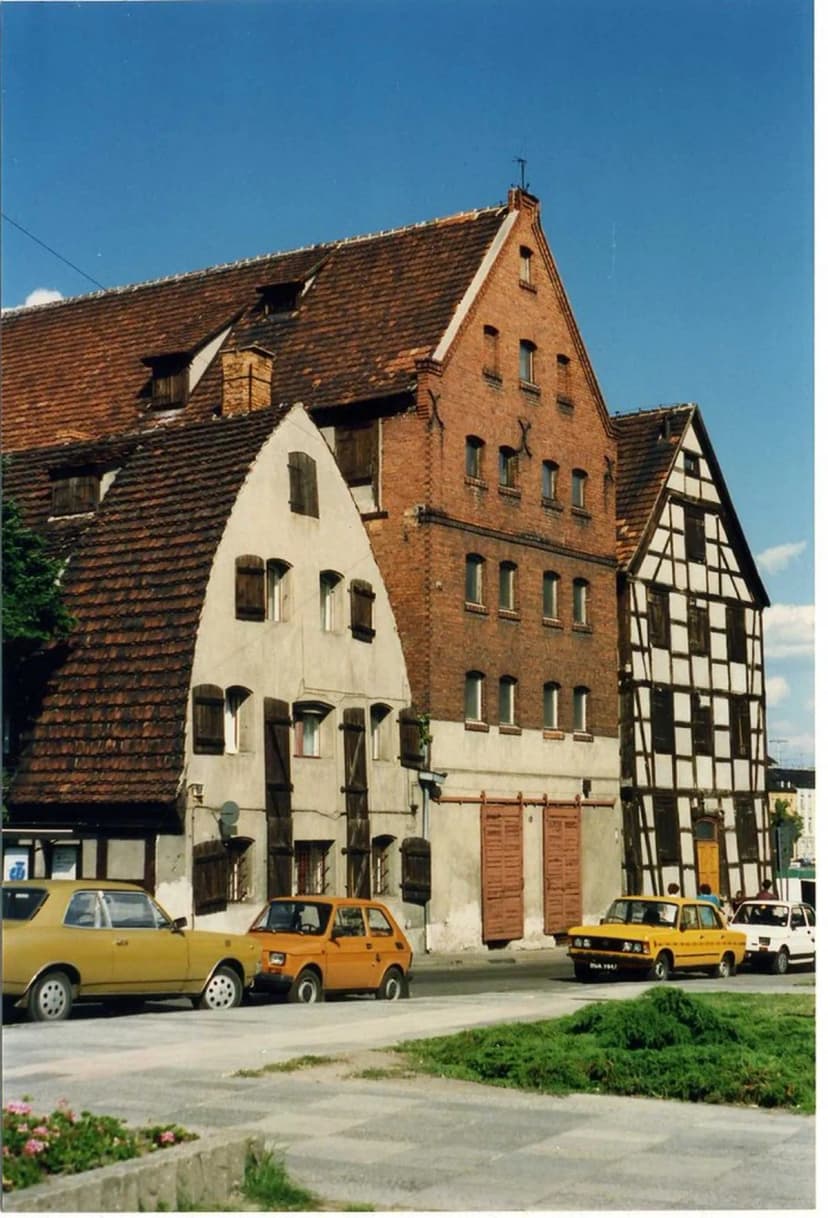
Outside, Lock IV and Lock V are the most photogenic structures, their brick chambers largely unchanged since 19th-century upgrades. A short walk further puts you at the edge of Mill Island, where restored former granaries and lock-keeper housing now anchor the district's restaurant scene.
- Old Canal (Okole district): recreational parkland, free access, preserved 18th/19th-century brick locks, museum on-site
- New Canal (northern bypass): functional waterway, six modern operational locks, limited freight plus recreational boats, free to view from public banks
Walking the Old Canal: A Self-Guided Route Between the Locks
The easiest way to see the canal properly is on foot from the city center. From Bydgoszcz's Old Market Square, it's about a 30-minute walk southwest into the Okole district, where the Old Canal towpath begins. Follow the water and you'll reach Lock IV, then the museum, then Lock V within about 15 minutes of each other — an easy loop of roughly 5 km round trip if you continue as far as Mill Island before turning back.
Water levels along the Old Canal aren't constant. Wody Polskie draws locks down for maintenance roughly from November through March, so some chambers run partly dry outside the boating season, and the electric-boat cruises through the working Okole and Czyżkówko locks run only April/May through October. Visit in winter and expect a quieter, frost-lined walk rather than moving water — plan around the museum's indoor hours rather than the cruise timetable.
Photographers get the best reflections in the hour after sunrise or before sunset, when the water is calmest and the brick locks catch warm light — the stretch between Lock IV and the museum is the most reliable spot. Late September through October adds gold foliage along the towpath, and a light morning mist is common on the Old Canal in early spring.
Parks and Outdoor Activities Along the Waterway
The park corridor Planty nad Kanałem Bydgoskim runs along the Old Canal and is a favorite with local joggers and cyclists. Mature trees shade the paved paths for most of their length, and the route connects directly into the city's bike network, so you can ride in from downtown without touching a main road.
Spring and autumn bring the most color to the banks, and birdwatchers regularly spot ducks, swans, and reed-nesting species near the quieter stretch by Osowa Góra. Benches are spaced generously along the water, so stopping to rest needs no planning.
In peak season, local operators rent kayaks and small boats, and rowing clubs occasionally hold events that add energy to the water. The towpath stays open and walkable year-round, including through winter, when frost on the old brickwork is its own reason to visit.
Family-Friendly and Budget-Friendly Visiting Tips
A full afternoon along the canal costs nothing beyond snacks. The towpath and Old Canal Park are free, the museum charges no admission, and the wide, mostly paved paths work fine with strollers. Pair the visit with the nearby Museum of Soap for a second free stop in the same afternoon.
Kids tend to enjoy watching water levels shift near the working locks more than the static exhibits, so budget extra outdoor time rather than rushing through the museum. Playgrounds sit just off the towpath near the residential streets bordering Old Canal Park, and picnic spots are easy to find along the grassy banks.
On a tight budget, walk the roughly 30-minute route from the city center rather than taking transit, and skip the paid boat cruise — the free towpath view of the working Okole and Czyżkówko locks captures most of the same scenery. Bakeries near the park sell inexpensive snacks if you'd rather not pack a picnic.
Practical Information: Access, Hours, and Logistics
The Bydgoszcz Canal Museum is at ul. Staroszkolna 10, 85-209 Bydgoszcz, on the historic stretch between locks IV and V. Trams 1 and 3 run from the main train station toward the Okole district; check the Bydgoszcz Official Travel Portal for current timetables, since routes are occasionally adjusted. Street parking is available near the museum, though spaces fill up on weekends.
In 2026 the museum keeps hours of Tuesday-Friday 10:00-18:00 and Saturday-Sunday 12:00-16:00, closed Mondays; admission is free. The outdoor towpath and locks stay accessible 24 hours a day as a public promenade. For the seasonal boat cruise — including the "Szlakiem Śluz" (Along the Locks) route through the working locks — tickets run about 40 PLN reduced and 50 PLN standard; book ahead via visitbydgoszcz.pl or the Bydgoszcz Tourist Information Centre, since the season runs only April/May through October.
Wear comfortable shoes: most of the towpath is paved, but sections near the older lock chambers have uneven cobblestones. Public restrooms are available inside the museum during opening hours, and small kiosks near the main locks sell drinks and snacks in summer.
Current Exhibitions at the Canal Museum
The museum's permanent collection centers on the daily life of the rafters and lock-keepers who worked the canal through its industrial peak. Photographs from the 1920s, technical drawings from the original 18th-century plans, and interactive maps tracing a barge's route from Bydgoszcz toward Berlin make up the core displays. If industrial history interests you, the Exploseum is a logical add-on elsewhere in the city.
Temporary exhibitions rotate through the year, usually featuring local painters or photographers inspired by the waterway, alongside occasional displays tied to the canal's role during 20th-century conflicts. Check the museum's current-exhibitions page before visiting in 2026, since the temporary rotation changes without much advance notice.
Guided tours in Polish and English run on request for individuals and groups, and school workshops are common on weekday mornings — worth knowing if you'd prefer a quieter visit in the afternoon.
Frequently Asked Questions
Is it free to visit the Bydgoszcz Canal?
Yes. The towpath, riverside parks, and views of the historic locks are open to the public at no cost, as is the Bydgoszcz Canal Museum on ul. Staroszkolna. Only the optional tourist boat cruises charge a ticket.
When was the Bydgoszcz Canal built?
It was built between 1773 and 1774 on the order of Prussian king Frederick the Great, with construction completed in roughly 18 months — an unusually fast timeline for an 18th-century canal of its size.
What rivers does the Bydgoszcz Canal connect?
It links the Vistula river basin (via the Brda River, which meets the canal in Bydgoszcz) with the Oder river basin (via the Noteć and Warta rivers, near Nakło nad Notecią), making it part of the Vistula-Oder Waterway and the international Waterway E70.
How long is the Bydgoszcz Canal?
The canal runs approximately 24.7-24.8 km between Bydgoszcz and Nakło nad Notecią. It was originally built slightly longer (around 26.6-26.77 km) before later rebuilding works shortened and modernized sections of the route.
How many locks does the Bydgoszcz Canal have?
Six locks are operational today — Okole, Czyżkówko, Prądy, Osowa Góra, Józefinki and Nakło Wschód — while several older 18th- and 19th-century brick lock chambers (numbered I-V) survive as heritage structures along the preserved 'Old Canal' stretch through Bydgoszcz.
Is there a boat cruise on the Bydgoszcz Canal?
Yes. Seasonal cruises (roughly April/May through October) run on boats such as the electric Słonecznik and MS Bydgoszcz, including a dedicated 'Szlakiem Śluz' (Along the Locks) route through the working Okole and Czyżkówko locks. Tickets run about 40 PLN reduced / 50 PLN standard per route; buy in advance via visitbydgoszcz.pl or the Bydgoszcz Tourist Information Centre.
Is the Bydgoszcz Canal still in use?
Yes — primarily for recreational boating and tourism today, with only limited freight traffic remaining. It has been continuously navigable since 1774, making it the oldest operating canal in Poland.
Is the Bydgoszcz Canal a UNESCO World Heritage Site?
No, not currently. It has been on Poland's regional (Kuyavian-Pomeranian) heritage register since 2005, and as of 2026 the city is pursuing national 'Monument of History' status for it — a designation locally viewed as a possible step toward a future UNESCO nomination, but the canal is not yet on the UNESCO World Heritage or Tentative List.
Where can I learn about the canal's history in person?
At the Bydgoszcz Canal Museum, ul. Staroszkolna 10, 85-209 Bydgoszcz — free admission, open Tuesday-Friday 10:00-18:00 and Saturday-Sunday 12:00-16:00, closed Mondays.
The Bydgoszcz Canal rewards unhurried exploration more than a quick photo stop. Walk the Old Canal towpath, spend an hour in the museum, and time your visit around the seasonal cruises or the locks' quieter winter drawdown, and you'll understand why locals still call this stretch of water the city's industrial soul.
For authoritative information, refer to the Bydgoszcz Canal (Kanał Bydgoski) on Wikipedia, Bydgoszcz Canal (Kanał Bydgoski) on Wikipedia and Bydgoszcz Canal (Kanał Bydgoski) official site.
For more Bydgoszcz planning, explore our Things to Do in Bydgoszcz: 2026 Guide to the City's Best Sights and Best Time to Visit Bydgoszcz (2026 Season Guide).