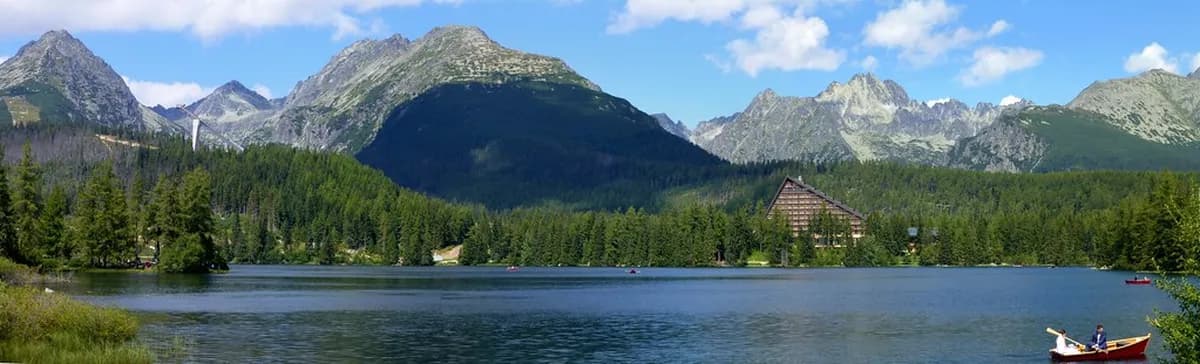

Bieszczady Mountains
The Bieszczady Mountains fill the southeastern corner of Poland with quiet forests and open meadow ridges. Locals call this stretch of the Carpathians one of the last wild corners of the country. Trails here mix easy meadow walks with steeper climbs to Poland's southeastern high points.
This guide walks through the top peaks, national park trails, and local culture that define the region. It also covers family-friendly options, budget stays, and the fastest ways to reach the mountains from major Polish cities. For hikers building a broader outdoors itinerary, the Nature in Poland: Travel Guide 2026 pairs well with this trip.
Must-See Attractions in the Bieszczady Mountains
The Bieszczady Mountains form part of the Carpathian range that crosses eight European countries. Poland's stretch sits in the far southeast, bordering Slovakia and Ukraine. Sanok often serves as the main gateway town for travelers heading into the region.
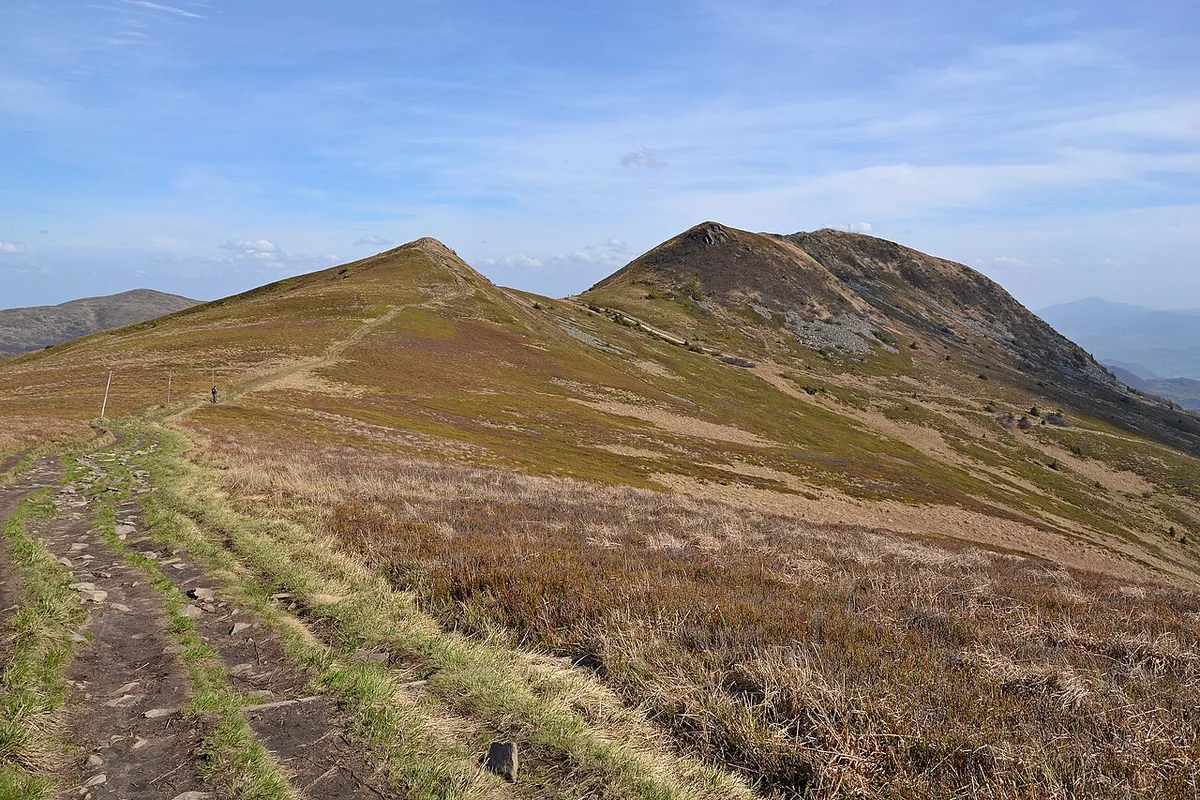
Bieszczady is known for połoniny, high meadow ridges that top the mountains instead of bare rock. No cable car or lift reaches any of these ridges, so walking is the only way up. Połonina Wetlińska rises to about 1,255 meters and holds the only guesthouse sitting right on a ridge top. Chatka Puchatka, the shelter there, sells snacks and drinks and can host an overnight stay.
Tarnica stands as the highest peak in the Polish Bieszczady at 1,346 meters. Reaching the summit from Wołosate takes roughly three hours ten minutes over an 8.8-kilometer loop. Because the trail sits inside National Park boundaries, a small entrance fee applies.
Polonina Carynska, reached from Ustrzyki Górne, ranks as the second most visited ridge in the range. On a clear day, hikers can spot the distant Tatra Mountains far to the west. Połonina Bukowska marks the easternmost ridge, split between Poland and Ukraine.
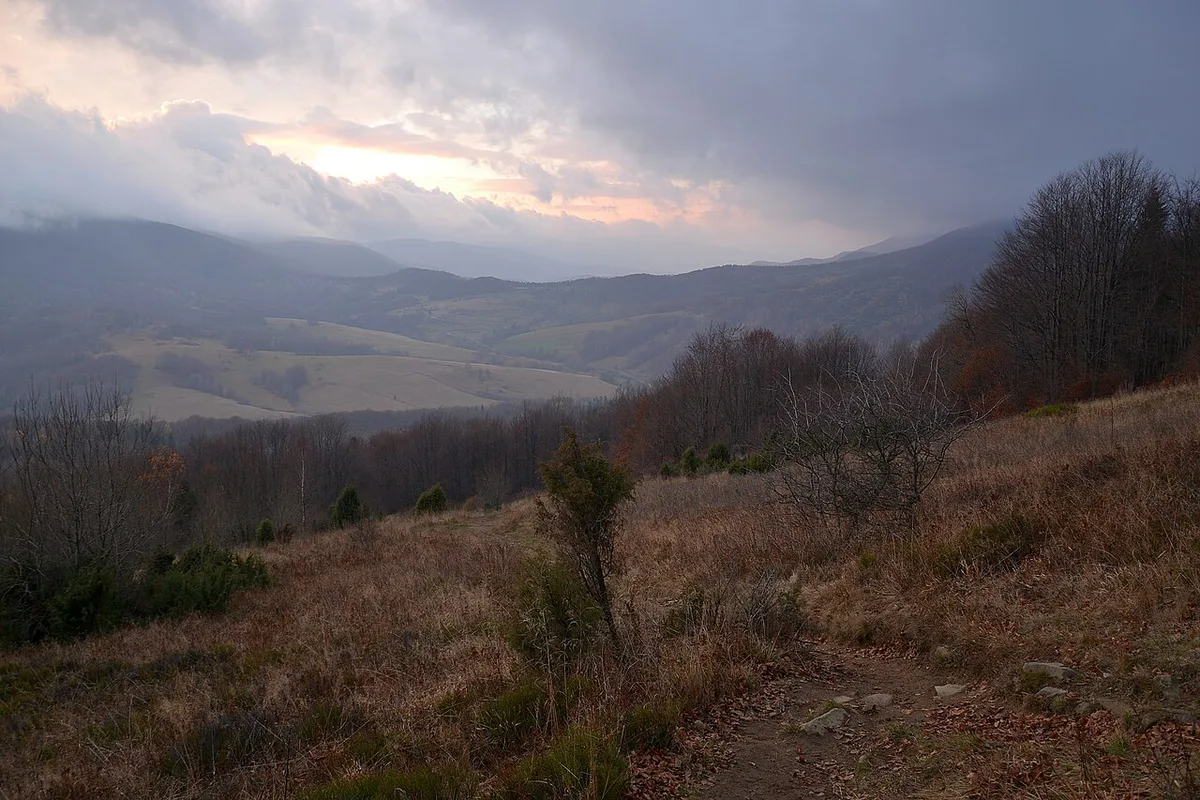
Bieszczady National Park Trails Worth Hiking
Five signed routes cover most of what first-time visitors want to see in Bieszczady National Park. Each trail differs in length, elevation gain, and the type of scenery along the way. Picking the right one depends on available time, fitness level, and whether the group includes children.
Pack sturdy boots and a printed map, since phone signal fades in the deeper valleys. Wildlife sightings are common, including lynxes that serve as an unofficial symbol of the range.
| Trail | Start | Duration | Length | Marking | Best For |
|---|---|---|---|---|---|
| Tarnica Summit Loop | Wołosate trailhead | About 3 hours 10 minutes | 8.8 km | Blue and yellow | Peak-baggers wanting the highest summit |
| Połonina Wetlińska Ridge | Smerek via Orłowicz Pass | About 8 hours | 23 km | Red | Full-day ridge walkers |
| Rawka and Kremenaros Peaks | Wyżniańska Pass trailhead | About 4 hours 40 minutes | 12.3 km | Green, yellow, blue | Border tripoint seekers |
| Korbania Lookout Tower | Polanki Parking Lot | About 5 hours | 14.4 km | Red and green nature trail | Shorter half-day hikers |
| Sine Wiry Reserve River Walk | Polanki Parking Lot | About 3 hours 10 minutes | 11 km | Unmarked, signposted | Families and easy walks |
Hikers with only half a day should favor Korbania, since the wooden lookout tower delivers panoramic views for less overall walking. Travelers chasing a summit bragging right typically pick Tarnica, even though it demands more elevation gain. Families or slower walkers often prefer the Sine Wiry Reserve loop, since it stays mostly flat along the Wetlinka River.
Pack sturdy boots and a printed map, since phone signal fades in the deeper valleys. Wildlife sightings are common, including lynxes that serve as an unofficial symbol of the range. Keep a respectful distance from any animals encountered along quieter forest stretches.
- Trail to Tarnica summit loop
- Start: Wołosate trailhead
- Duration: about 3 hours 10 minutes
- Length: 8.8 km loop
- Marking: blue and yellow trail
- Best for: peak-baggers wanting the highest summit
- Trail of Połonina Wetlińska ridge
- Start: Smerek via Orłowicz Pass
- Duration: about 8 hours
- Length: 23 km loop
- Marking: red trail
- Best for: full-day ridge walkers
- Trail to Rawka peaks and Kremenaros
- Start: Wyżniańska Pass trailhead
- Duration: about 4 hours 40 minutes
- Length: 12.3 km loop
- Marking: green, yellow, blue trail
- Best for: border tripoint seekers
- Trail to Korbania lookout tower
- Start: Polanki Parking lot
- Duration: about 5 hours
- Length: 14.4 km loop
- Marking: red and green nature trail
- Best for: shorter half-day hikers
- Sine Wiry Reserve river walk
- Start: Polanki Parking lot
- Duration: about 3 hours 10 minutes
- Length: 11 km loop
- Marking: unmarked, signposted route
- Best for: families and easy walks
Local Culture and Character in Bieszczady
Bieszczady carries a reputation as one of Poland's most independent-minded corners. Locals use the term zakapior bieszczadzki for people who left city jobs to live simply among the hills. Many settle into small cottages or tents, valuing quiet freedom over convenience.
Tourism has grown steadily here in recent years, drawing more visitors each season. The wooden church in Łopienka, along the Korbania trail, ranks among the most scenically placed chapels in the range. An outdoor exhibit on traditional charcoal burning sits nearby, adding a layer of local history to the hike.
Travelers with only one day should skip deep culture detours and focus on a single marquee trail instead. Those staying two or more nights get more value from adding the Łopienka church stop to a Korbania hike. This trade-off matters most for groups balancing driving time against total daylight hours.
Family-Friendly and Budget-Friendly Bieszczady Options
Several routes in Bieszczady stay flat enough for children and casual walkers. The Sine Wiry Reserve walk covers 11 km on mostly level ground beside the Wetlinka River. Połonina Wetlińska also works for families with some hiking experience, since the climb takes only one to two hours.
Budget travelers can find guesthouses and agroturystyka farm stays scattered through villages like Cisna and Wetlina. Chatka Puchatka on Połonina Wetlińska offers the only overnight option directly on a ridge top. Overall travel costs in this region tend to run lower than in more crowded parts of Poland, and cheap lodging options remain easy to find outside peak summer weeks.
Families wanting a gentler landscape alternative might also consider the flatter Masurian Lakes region further north. That area trades mountain views for boating and lakeside trails, which suits younger children well. Both regions share a similar do-it-yourself, budget-friendly travel style.
How to Get to Bieszczady and Plan Your Day
Driving remains the most flexible way to reach Bieszczady from major Polish cities. Rzeszów sits closest at about two hours away, while Kraków takes roughly three hours. Warsaw and Wrocław both run around six hours, and Poznań stretches closer to eight.
Start hikes early in the morning to avoid afternoon crowds during the busiest summer weekends. Winter brings heavy snow to side roads, so check conditions before driving into the park.
Buses run daily to Sanok and Ustrzyki Dolne for travelers without a car. Train service only reaches Sanok, so onward travel requires switching to a local bus. Rzeszów-Jasionka and Kraków Balice are the nearest airports, both a few hours' drive from the trailheads. Winter brings heavy snow to side roads, so check conditions before driving into the park.
Bieszczady National Park charges a small entrance fee at marked trailheads within its boundaries. Starting hikes early in the morning avoids afternoon crowds during the busiest summer weekends. Pack layers even in summer, since ridge-top weather shifts quickly compared to the valleys below.
Travelers wanting a shorter drive from western Poland might compare timing against the Szklarska Poręba guide in the Karkonosze range. That town sits closer to Wrocław and offers a similar mix of ridge trails and mountain villages. Either destination rewards a full weekend rather than a rushed day trip.
Where to Eat in Bieszczady Mountains
Bieszczady's food scene centers on agroturystyka farm stays and small village restaurants rather than tourist-district dining. Many guesthouses in Cisna, Wetlina, and Ustrzyki Górne serve home-cooked meals to overnight guests, often built around potato pancakes (placki ziemniaczane), pierogi, and hearty barszcz or żurek soups. Smoked local cheese (oscypek-style, though more common in the Beskids) and wild mushroom dishes appear on menus in autumn. Chatka Puchatka, the shelter on Połonina Wetlińska, sells basic hot food and drinks for hikers who don't want to carry a full day's supplies. Sanok and Ustrzyki Dolne have the widest range of sit-down restaurants, useful for a proper meal before or after a trailhead drive. Smaller villages along the trail routes often have only one or two options, so travelers heading into remote sections like Wołosate or Polanki should carry snacks and water rather than count on finding an open kitchen. Key things to know:
- Restaurant density is highest in Sanok and Ustrzyki Dolne; villages closer to trailheads have limited or seasonal hours
Frequently Asked Questions
What makes the Bieszczady Mountains unique?
The Bieszczady Mountains stand out for their meadow-topped ridges, called połoniny, and their remote, low-development feel. Wildlife like lynxes roam the forests, and small villages retain a slower, independent culture. Compared to more crowded Polish ranges, Bieszczady offers quieter trails and wider open views.
How difficult are hikes in Bieszczady?
Difficulty varies widely across the region's trails. The Sine Wiry Reserve walk is flat and easy, while the Tarnica loop takes about three hours ten minutes over rockier, steeper ground. Most routes suit moderately fit hikers, though beginners should start with shorter options like Korbania.
What is the highest peak in the Bieszczady Mountains?
Tarnica is the highest peak in the Polish Bieszczady, reaching 1,346 meters. The summit loop from Wołosate covers 8.8 kilometers and takes roughly three hours ten minutes. It ranks among the most popular routes for hikers seeking a summit view.
What is there to see in Bieszczady besides hiking trails?
Beyond trails, the region offers the wooden church at Łopienka, a charcoal-burning history exhibit, and small mountain villages with local guesthouses. Wildlife watching and quiet meadow views also draw visitors who prefer a slower pace over long hikes.
When is the best time to visit Bieszczady?
Late spring through early autumn offers the most reliable conditions for ridge hikes and meadow views. Summer weekends draw the biggest crowds, so early starts help avoid busy trailheads. Winter access can be limited on side roads once snow settles in.
The Bieszczady Mountains reward travelers willing to trade convenience for quiet trails and wide-open ridges. From Tarnica's summit down to the flat river paths of Sine Wiry Reserve, the range offers routes for nearly every fitness level. Budget stays and simple mountain villages keep the trip affordable compared to more crowded parts of the country.
Start by matching a trail to the time and energy available for the day. Check current park fees and trail conditions before setting out, since access rules can shift by season. For more Polish outdoor destinations, browse the Poland travel blog for additional trip ideas.
You might also like


Continue reading
More guides you'll find useful