Tatra National Park Guide: 10 Essential Planning Tips
Tatra National Park offers some of the most dramatic mountain scenery in Central Europe. This UNESCO Biosphere Reserve spans the border between Poland and Slovakia, providing diverse landscapes for every traveler. Our comprehensive tatra national park guide helps you navigate the rugged peaks and emerald lakes with ease. Visitors often start their journey by exploring the many 15 Best Things To Do In Zakopane: The Ultimate Guide before heading into the wild.
The Geography of the Tatra National Park Guide Regions
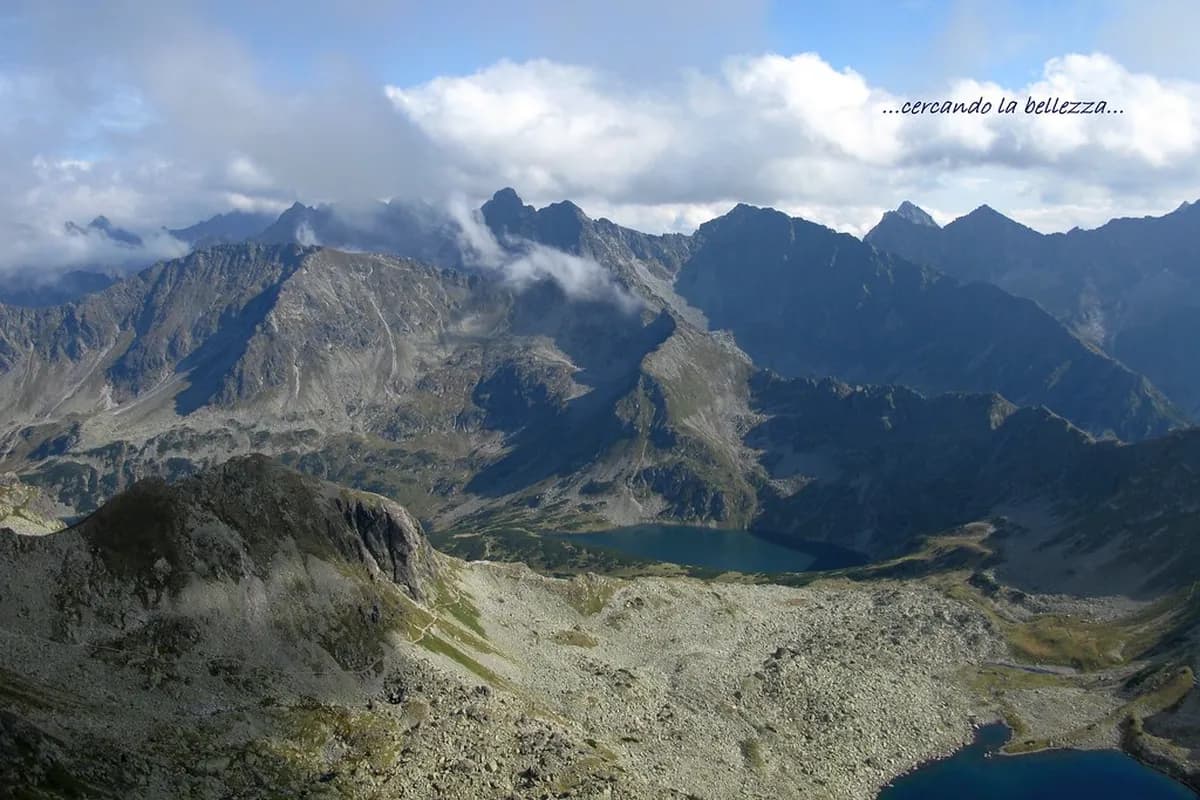
The Tatra Mountains form a natural border between Poland and Slovakia in the Carpathian range. Poland hosts the High Tatras, which are known for sharp granite peaks and deep glacial valleys. Slovakia contains a larger portion of the range, including the High, Western, and Belianske Tatras. You can learn more about the cross-border differences through The Shooting Star - Slovakia Guide for better trip planning.
Gerlachovský štít stands as the highest point in the entire range at 2,655 meters. Rysy serves as the highest peak in Poland and offers a popular challenge for experienced hikers. The Polish side is generally more compact and densely packed with iconic landmarks. Slovakia provides a more expansive wilderness area with fewer crowds on certain secondary trails.
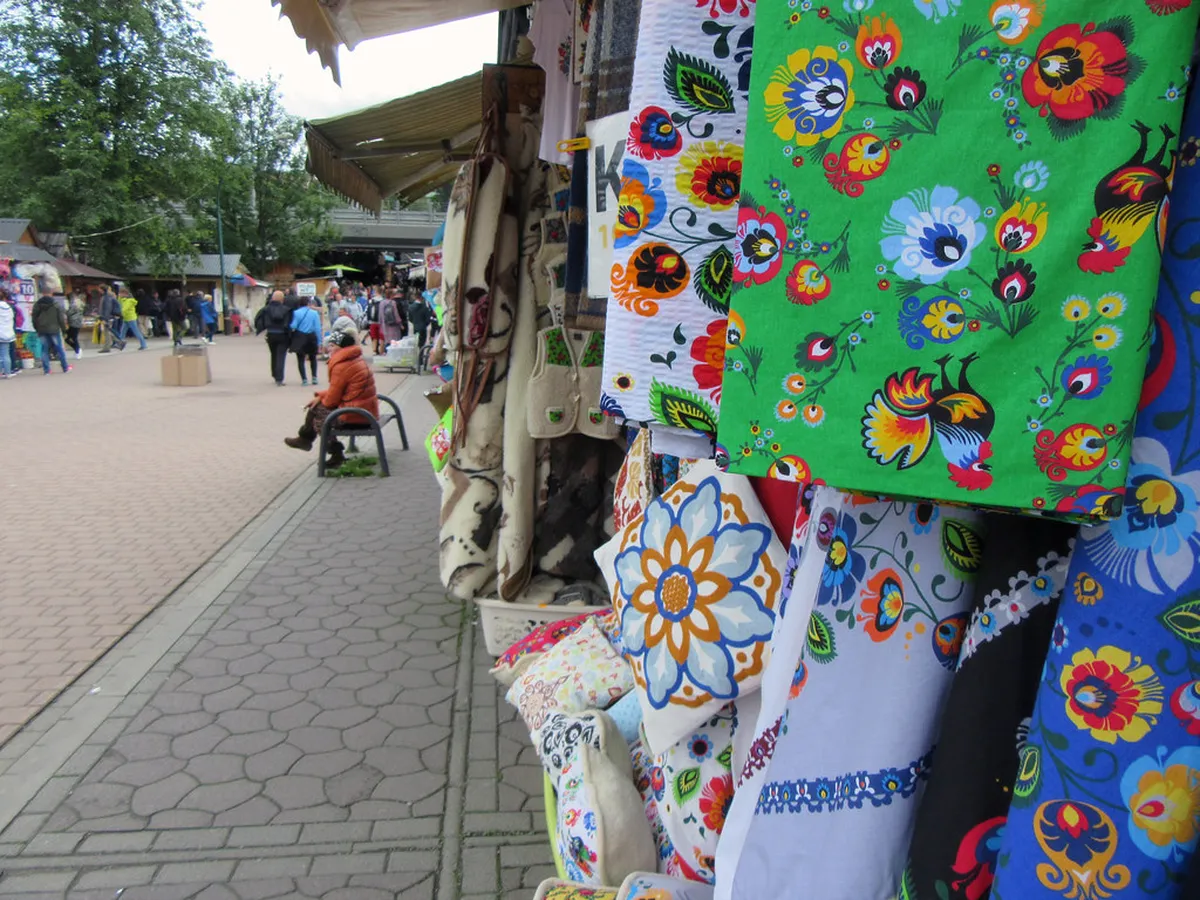
Highlanders known as górale have inhabited these valleys for centuries and maintain unique cultural traditions. Their wooden architecture and local sheep cheese, called oscypek, add flavor to the region. The landscape transitions from lush spruce forests to alpine meadows and barren rocky summits. Understanding this geography helps you choose the right base for your mountain adventures.
Best Time to Visit: Seasonal Trail Closures
The best time for hiking usually runs from late June through early October when trails are clear. Snow can linger on high passes well into July, requiring specialized equipment for safe passage. Check the Best Time to Visit Zakopane: A Complete Seasonal Guide to align your trip with ideal weather. Autumn brings stable conditions and vibrant colors to the larch forests in the lower valleys.
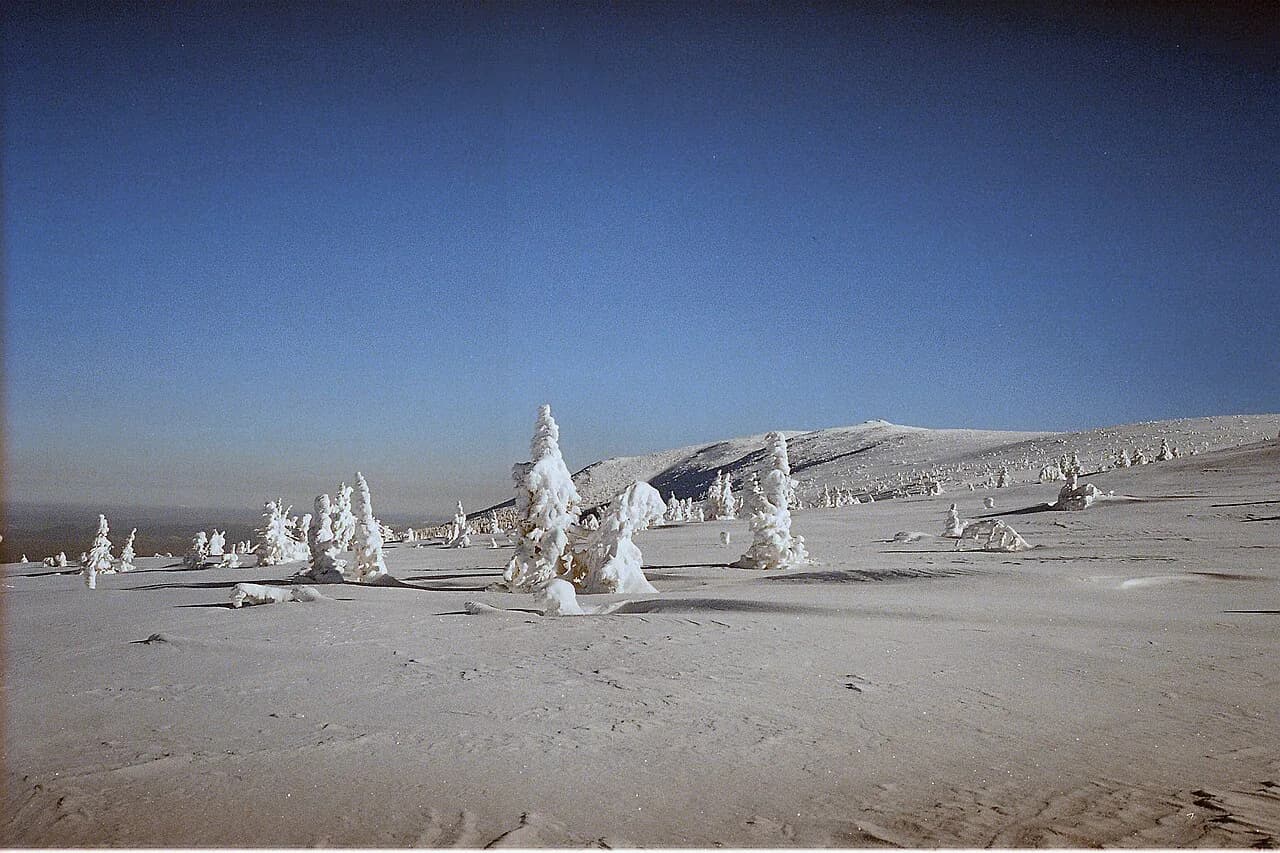
Winter transforms the park into a playground for skiers and professional mountaineers. Many high-altitude trails in Slovakia close completely from November until mid-June for safety. The Polish side remains open, but extreme avalanche risks often dictate daily route availability. Always verify current conditions on official park websites before setting out in the snow.
Specific attractions like the Mroźna Cave have strict seasonal schedules to protect local bats. This cave remains closed to the public from October 31 until April 25 every year. Springtime visitors should also be aware of temporary closures for wildlife mating seasons. Planning around these dates ensures you do not arrive at a locked trail gate.
Beware of the Halny wind phenomenon in winter—this warm, fast mountain wind can rapidly change conditions and create avalanche risk. Morskie Oko remains accessible year-round via paved road, but exercise caution during storm season.
Getting There: Public Transport from Krakow and Bratislava
Most travelers reach the Polish side by taking a bus or train from Krakow. Direct buses run every 30 minutes and offer the fastest transport from Krakow to Zakopane for visitors. The journey typically takes about two hours depending on the seasonal traffic levels. Private shuttle vans also operate between the main bus station and various trailheads.
Reaching the Slovakian Tatras is easiest via Bratislava or the regional airport in Poprad. The Tatra Electric Railway connects major resort towns like Starý Smokovec and Štrbské Pleso. This efficient train system makes it simple to move between different hiking areas without a car. Buses also link the Polish and Slovakian sides during the peak summer months.
Parking near popular trailheads like Palenica Białczańska often requires advanced online booking. Spaces fill up before sunrise during the busy months of July and August. Using public transport helps you avoid the stress of navigating crowded mountain roads. Shuttles are affordable and drop you off directly at the park entrance gates.
Top Hiking Itineraries: Morskie Oko to Rysy
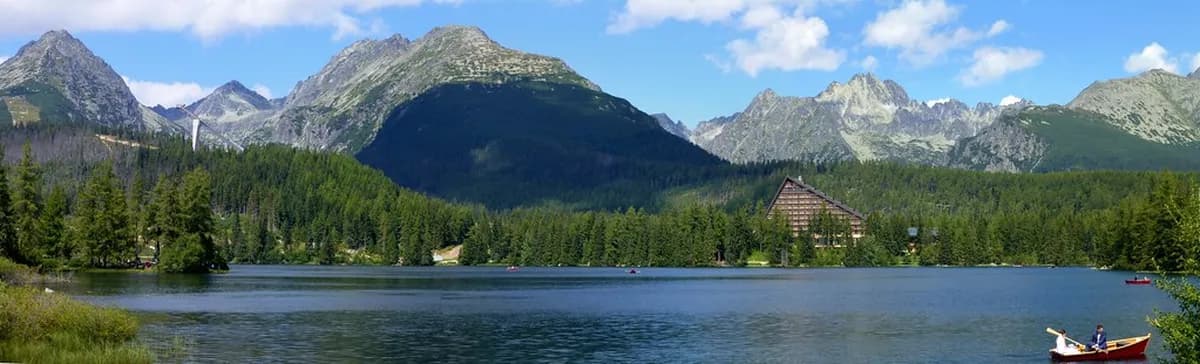
The walk to Morskie Oko is the most famous route in the entire park. A paved road leads you to this stunning emerald lake surrounded by towering granite walls. Review the best hiking trails in Zakopane to find routes that match your fitness. You can find more detailed route descriptions through Earth Trekkers - High Tatras Planning resources.
Experienced hikers often continue from the lake toward the summit of Rysy. This trail involves steep climbs and the use of metal chains for security. The Valley of the Five Lakes offers a slightly less technical but equally beautiful alternative. Expect long days on the trail and carry plenty of water for these high-altitude routes.
| Trail/Spot | Distance | Difficulty | Time |
|---|---|---|---|
| Morskie Oko Lake Walk | 18 km | Easy (paved path) | 4-5 hours |
| Rysy Summit Challenge | 25 km | Very Hard (technical) | 9-11 hours |
| Valley of Five Lakes | 12 km | Moderate (rocky) | 6-7 hours |
Where to Stay: Zakopane and High-Altitude Huts
Zakopane serves as the primary base for exploring the Polish side of the mountains. The town offers a wide range of accommodation in Zakopane from luxury hotels to traditional hostels. Staying in town provides easy access to restaurants, shops, and evening entertainment. Mornings in Zakopane often start with a quick bus ride to your chosen trailhead.
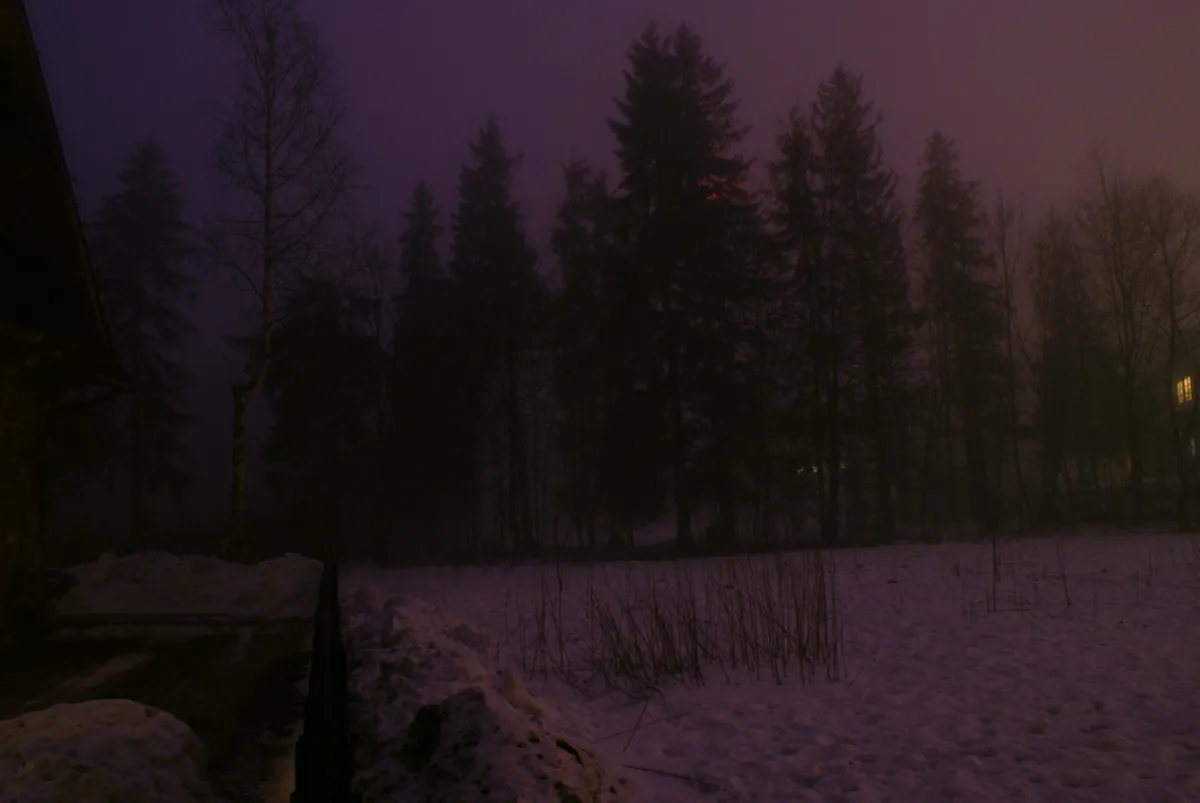
Mountain huts offer a unique experience for those who want to stay deep in nature. Polish huts have a famous policy where they will not turn away stranded hikers. If all beds are booked, you may be allowed to sleep on the floor. Always bring a lightweight sleeping mat if you plan to use this emergency option.
Slovakian mountain hotels provide a more comfortable high-altitude stay for travelers. Many of these lodges sit directly on the shores of scenic alpine lakes. Booking months in advance is essential for both huts and town-based hotels. Consider your proximity to the trails when choosing your final lodging location.
Environmental Protection: Why You Can't Swim or Pick Flowers
Tatra National Park operates under a strict 'pack-it-out' policy for all visitors. There are no trash bins located along the trails to prevent wildlife habituation. Bears are highly attracted to food waste, so keeping the park clean is vital. Carry a small bag to store your rubbish until you return to the town.
Swimming in the alpine lakes is strictly forbidden to protect water purity. These fragile ecosystems support rare species that cannot tolerate human contaminants. Picking flowers or disturbing the local flora is also against park regulations. Staying on marked trails prevents soil erosion and protects the delicate mountain vegetation.
Loud noise and music are discouraged to maintain the natural tranquility of the area. Respecting these rules ensures the park remains a sanctuary for both animals and people. Fines for littering or swimming can be quite high and are strictly enforced. Education is the best way to help preserve this UNESCO Biosphere Reserve for 2026.
Wildlife Safety: Managing Bear and Marmot Encounters
Brown bears are the most significant wildlife species living within the park boundaries. Encounters are rare, but hikers should always remain alert while moving through forested areas. If you see a bear, stay calm and back away slowly without making eye contact. Never approach a bear or attempt to feed it under any circumstances.
Marmots and Tatra chamois are frequently spotted on the higher rocky slopes. These animals are protected and should only be observed from a safe distance. Avoid making sudden movements or loud noises that might startle the wildlife. Binoculars are a great tool for watching these mountain dwellers without disturbing them.
Proper food storage is the most effective way to prevent negative wildlife interactions. Keep all snacks sealed in airtight containers inside your backpack at all times. Discarding fruit peels or leftovers on the trail can lead to dangerous bear behavior. Wildlife safety is a shared responsibility for everyone visiting the mountain range.
Park Regulations: Night Hiking and Dog Bans
Night hiking is strictly prohibited on the Polish side from April 1 to November 30. This ban protects nocturnal animals during their most active and vulnerable hours. Entering the park after dusk can result in significant fines from the rangers. Plan your return journey carefully to ensure you exit the park before sunset.
Dogs are generally not allowed on the trails within the Polish Tatra National Park. The only exception is the path leading through the Chocholowska Valley. Slovakia has more relaxed rules, but pets must always be kept on a short leash. Check the specific regulations for each valley before bringing your four-legged friend.
Biking is also restricted to a few designated paths to ensure hiker safety. Most trails are reserved exclusively for pedestrian use due to the steep terrain. Following these rules helps manage the high volume of visitors each year. Respecting the park staff and their guidelines ensures a better experience for everyone.
Entrance Fees and the Nature Education Centre
Visitors must purchase an entry ticket to access the Official Tatra National Park (Poland) areas. Daily fees are modest and help fund trail maintenance and nature conservation projects. You can buy tickets at the park gates or via a mobile application. Keep your ticket handy as rangers may ask to see it during your hike.
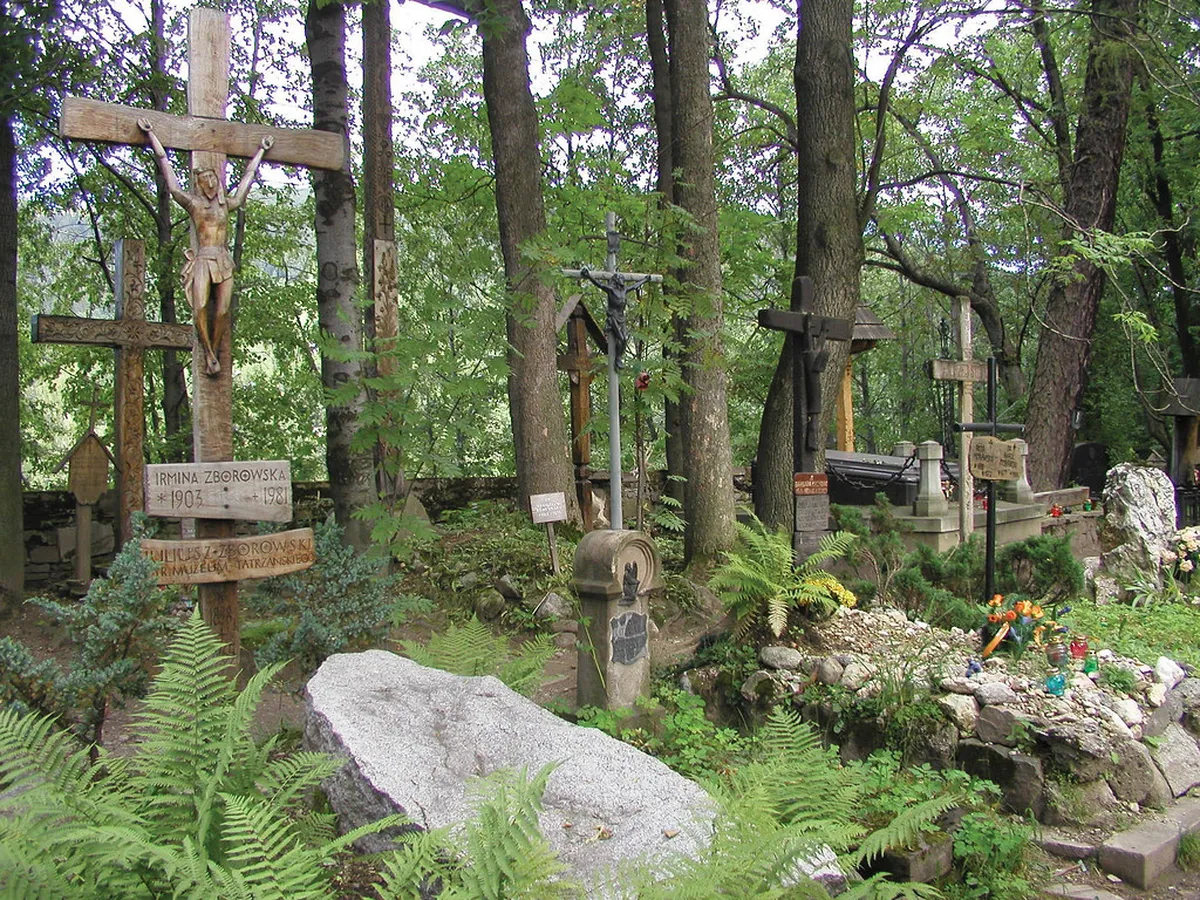
Daily entry fees for the Polish side cost around 20-30 PLN (USD 5-8) and support trail maintenance, waste management, and wildlife protection initiatives. Children under 7 are typically free. Purchase ahead online or at the gate; major trailheads have ticket booths.
The Nature Education Centre in Zakopane offers excellent exhibits for families and students. It features interactive displays about the local geology, climate, and mountain wildlife. Visiting the center is a great way to spend a rainy afternoon in town. Entry to the center is often free or very low cost for all visitors.
Another smaller education point is located at the entrance to the Koscieliska Valley. These centers provide valuable context that enriches your understanding of the mountain landscape. Staff members can often provide the latest updates on trail conditions and closures. Taking the time to learn about the park makes your visit much more meaningful.
Frequently Asked Questions
Why visit the High Tatras of Slovakia?
The Slovakian High Tatras offer a more expansive wilderness with higher peaks like Gerlachovský štít. You will find fewer crowds on the secondary trails compared to the Polish side. It is an ideal destination for those seeking a quiet mountain experience. Plan your trip for the 10 Best Things to Do in Zakopane in Winter season if you enjoy skiing.
Is solo travel in the Tatra Mountains safe?
Solo travel is generally safe as long as you stick to marked trails and check weather reports. The paths are well-signed and frequently traveled by other hikers during the day. Always inform someone of your planned route and expected return time. Carrying a fully charged phone and a paper map is highly recommended.
Why does the National Park charge for entrance?
The entrance fees directly support the preservation of the park's fragile alpine ecosystem. Funds are used for trail repairs, waste management, and educational programs for visitors. This small contribution helps maintain the high quality of the hiking infrastructure. It also supports the protection of endangered species like the Tatra chamois.
Why are dogs not allowed on Polish Tatra trails?
Dogs are banned to protect the native wildlife from stress and potential diseases. The scent of a predator can disrupt the natural behavior of marmots and chamois. This rule also prevents conflicts between pets and the local bear population. Only the Chocholowska Valley allows leashed dogs on its main path.
Tatra National Park is a jewel of the Carpathian Mountains that rewards every visitor. Whether you are hiking to Rysy or enjoying the 9 Best Zakopane Thermal Baths and Attractions, the region is unforgettable. Respect the local rules and environmental policies to help keep these peaks pristine. Start planning your adventure today to experience the magic of the Polish and Slovakian Tatras.
You might also like


Continue reading
More guides you'll find useful