
Hel Peninsula: Poland's Baltic Sea Escape
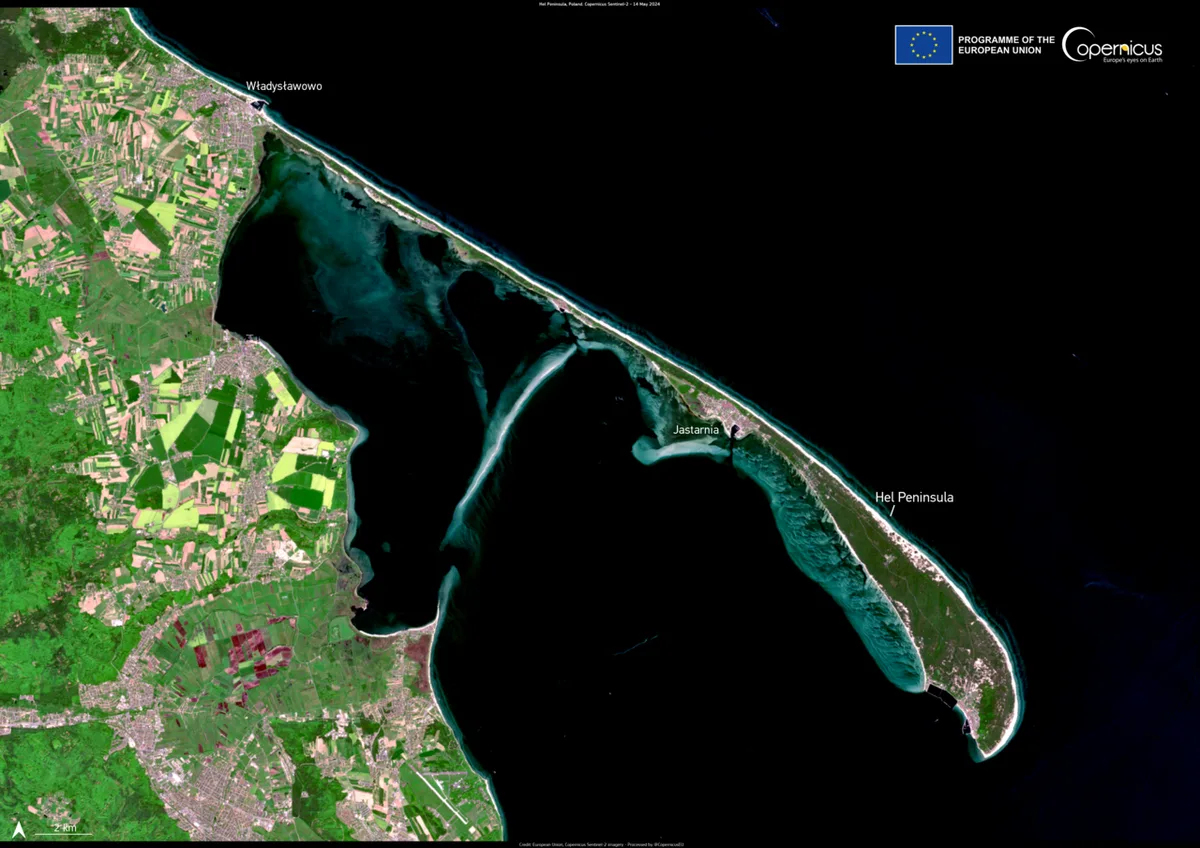
Last updated July 2026. The Hel Peninsula is a narrow strip of sand that curves into the Baltic Sea from northern Poland. It stretches roughly 34 kilometers from Władysławowo to the town of Hel at its tip. Pine forests, dunes, and fishing villages line the route between two very different shorelines.
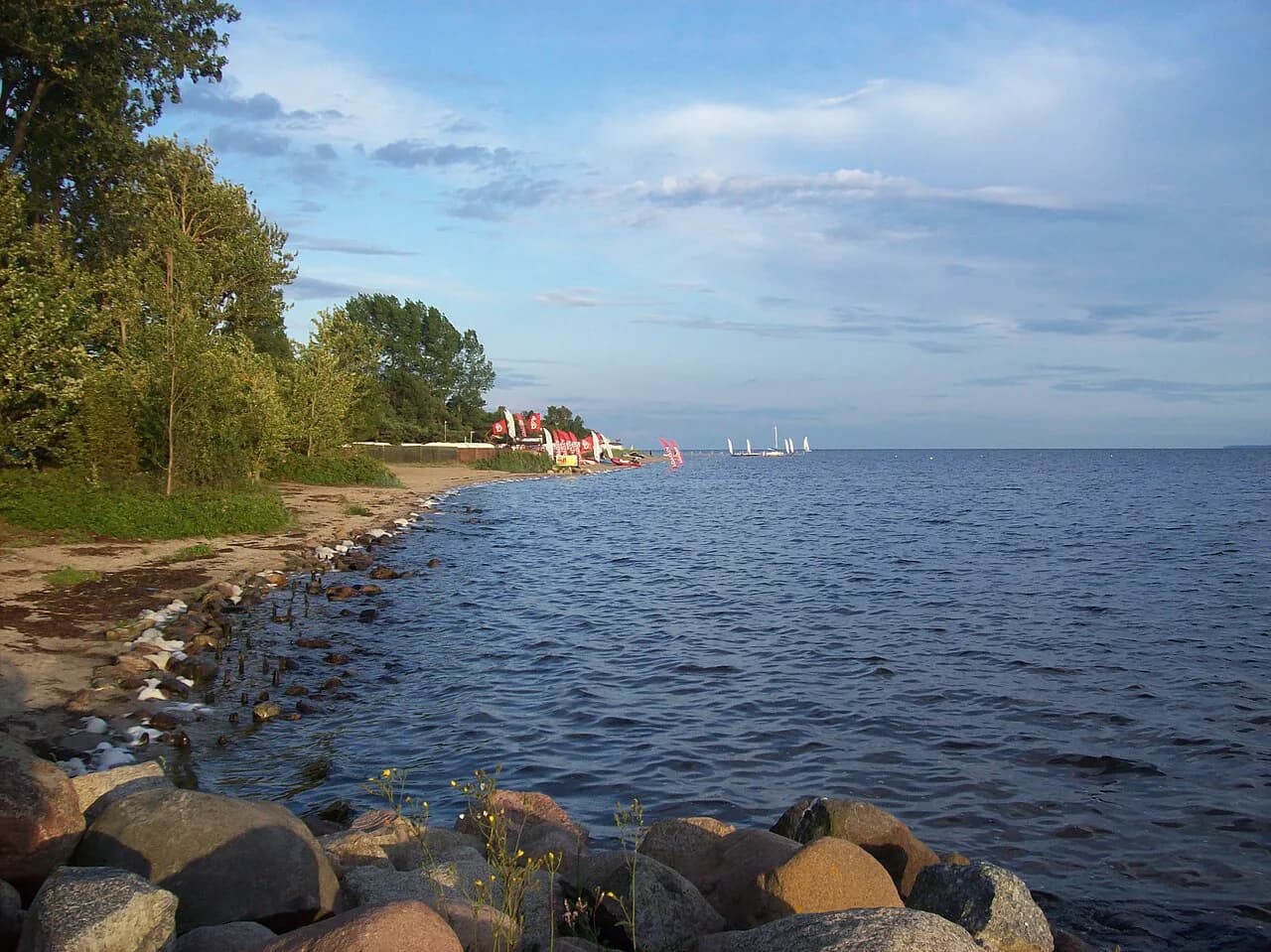
One side faces the open Baltic Sea with wide sandy beaches. The other side borders the calmer Bay of Puck, a favorite spot for windsurfers and kitesurfers. Beyond the beaches, the peninsula holds a seal sanctuary, a maritime museum, and sites tied to World War II history. Its coastal setting connects naturally to the wider Nature in Poland: Travel Guide 2026 for travelers planning a longer Baltic itinerary.
Hel Peninsula Geography: Length, Width, and Towns
The Hel Peninsula runs about 34 to 35 kilometers along Poland's northern coast. Its width changes dramatically from one end to the other, which shapes how visitors experience it. Near the entrance at Władysławowo, the strip narrows to roughly 100 to 200 meters across. Near Hel town at the far tip, the land widens to about 3 kilometers.
At Kuźnica, the peninsula narrows to just 200 meters. Both shorelines—the Baltic Sea and the Bay of Puck—sit within easy walking distance, allowing visitors to switch between water activities throughout the day.
Peninsula width is more than a geography fact; it changes what a visit actually feels like. In Kuźnica, the strip narrows to about 200 meters, so the Baltic beach and the Bay shore sit minutes apart on foot. That makes it easy to windsurf on the Bay side in the morning and swim in the open sea by afternoon. Near Hel town, the wider 3-kilometer stretch spreads beaches, the port, and the lighthouse over a longer walk.
Five towns and villages sit along the peninsula: Chałupy, Kuźnica, Jastarnia, Jurata, and Hel. Władysławowo marks the gateway at the base of the peninsula, where the road and rail line begin. Pine forest and shifting dunes border much of the route, echoing the dune landscape at Słowiński National Park further along the coast. Each town keeps its own character, from quiet fishing villages to livelier resort strips.
Geographers describe Hel as a barrier spit built up by longshore drift over thousands of years. The Bay of Puck side stays sheltered and shallow, while the seaward side takes the open Baltic's swell. That contrast between calm bay and open sea is part of what draws such a wide mix of visitors. For a deeper look at the landform's history and formation, see en.Wikipedia.org.
Top Things to Do on the Hel Peninsula
The Hel Peninsula packs a wide range of activities into a narrow stretch of land. Beaches, water sports, wildlife, and history sit within a short drive or train ride of each other. Most visitors build a day trip around two or three stops rather than trying to see everything.
Sandy beaches line the Baltic side of the peninsula, with fine white sand and shallow entry points. The calmer Bay of Puck side suits swimmers with young children and beginner water-sports students. Beach bars and small cafes run along the shore during the warmer months.
- Hel Seal Sanctuary and Feeding Shows
- Type: seal reserve and aquarium
- Location: Hel town harbor area
- Shows: up to four daily, July-August
- Tip: visit outside peak summer weeks
- Historic Hel Lighthouse and Harbor Views
- Type: 19th-century working lighthouse
- Best for: panoramic peninsula views
- Access: climb to top platform
- Location: central Hel town
- National Maritime Museum Hel Branch
- Type: maritime history exhibits
- Focus: shipwrecks and WWII defense
- Best for: history-minded travelers
- Location: Hel town center
- Bay of Puck Water Sports
- Type: windsurfing and kitesurfing
- Best for: beginners and families
- Where: Chałupy and Jastarnia schools
- Note: shallow, calm bay waters
- WWII Coastal Artillery Remnants
- Type: WWII military installations
- Best for: history-focused walks
- Location: scattered along peninsula
- Tip: pair with museum visit
Where to Stay: Choosing a Town on the Peninsula
Every town on the Hel Peninsula offers a different pace, price point, and crowd level. Picking the right base depends on budget, whether children are along, and how much nightlife matters. Władysławowo and Hel town draw the largest holiday crowds during July and August.
Jastarnia has more restaurants, shops, and hotels than most other peninsula towns. Prices there tend to run lower than in Jurata, though the town gets busier in peak season. Its harbor on the Bay of Puck side doubles as a fishing base and a yacht marina.
| Town | What to Expect | Atmosphere |
|---|---|---|
| Jastarnia | More restaurants, shops, hotels; fishing and yacht marina | Busier in peak season; lower prices than Jurata |
| Jurata | Quieter beach with calmer waters | Peaceful even in peak season; higher restaurant prices |
| Chałupy | Windsurfing and kitesurfing schools | Active water sports atmosphere |
| Kuźnica | Narrowest point; access to both shorelines nearby | Quiet, local feel |
| Hel | Seal sanctuary, lighthouse, harbor, maritime museum | Large crowds in July-August |
Jurata suits travelers who want a quieter beach even during the busiest summer weeks. It works well for family holidays, thanks to calmer stretches of sand and fewer crowds. Expect higher restaurant prices here, often above what similar meals cost in Warsaw.
Chałupy remains a top spot in Poland for windsurfing and kitesurfing, with several surf schools on-site. Kuźnica sits at one of the peninsula's narrowest points, so both shorelines stay within easy walking distance. Travelers weighing other Baltic bases can compare a wider resort town in the Kołobrzeg beach guide. Both villages keep a quieter, more local feel than the resorts near the peninsula's base.
Maritime History and the Defense of Hel
The Hel Peninsula carries a long maritime history shaped by its position between two seas. Fishing communities have worked these shores for centuries, and several villages still run small fishing fleets. That heritage sits alongside a more dramatic chapter from the Second World War.
In September 1939, Polish coastal defense forces held the peninsula for roughly a month against German attack. It became one of the last strongholds of the September campaign before finally surrendering in early October. Coastal artillery remnants from that defense still stand at points along the peninsula today. Full details on the campaign are documented at en.Wikipedia.org.
Germany later fortified Hel heavily and held the peninsula until near the war's end in Europe. The garrison there surrendered several days after V-E Day in May 1945, among the last in the region to do so. Historical accounts of this final chapter are covered in more depth at Thesecondworldwar.org.
The National Maritime Museum's Hel branch ties these threads together with shipwreck and wartime exhibits. Displays cover the peninsula's defense role and its longer identity as a working port. A stop here pairs naturally with a walk past the nearby lighthouse and harbor.
Planning Your Trip: Getting There and Timing
A road, a bike path, and a rail line all run the length of the Hel Peninsula. Traveling by train avoids the holiday traffic that regularly backs up on the access road in summer. Trains and buses connect the peninsula to Gdynia and Gdańsk, the two nearest major cities.
Travel by train during July and August to avoid holiday traffic on the access road. Seasonal ferries between Gdańsk, Gdynia, and Hel town offer scenic alternatives during warmer months.
Seasonal passenger ferries also link Gdańsk and Gdynia with Hel town during the warmer months. This water route makes a scenic alternative to the train, especially for a one-way day trip. Schedules shift by season, so confirm current sailing times before finalizing plans. The regional tourism board at Pomorskie.travel lists current transport and seasonal details.
July and August bring the heaviest crowds and the highest accommodation prices across the peninsula. Shoulder months like June and September offer calmer beaches and easier parking near the main towns. Winter visits mean a quieter atmosphere, though some seasonal businesses close for the off-season.
Families traveling on a budget often base themselves in Jastarnia or Kuźnica for lower nightly rates. Guesthouses and shared-kitchen hostels near the beach keep costs down without sacrificing easy beach access. For more Baltic coast planning ideas, browse the wider Poland travel blog.
Where to Eat: Smoked Fish and Local Cuisine on the Hel Peninsula
Fresh and smoked fish are the signature food of the Hel Peninsula, sold from wooden stalls near the harbors in Hel town, Kuźnica, and Chałupy. Fishermen still bring in daily catches of mackerel, herring, flounder, and eel, which local smokehouses cure over alder or oak wood and sell by weight for eating on the spot or taking away. Smoked mackerel (wędzona makrela) and smoked eel (węgorz) are the most popular picks, often eaten straight from the paper wrapping while walking along the pier.
Beyond the harbor stalls, each town has its own mix of seafood restaurants and casual cafes:
- Hel town and Jastarnia: sit-down restaurants serving fish soup, fried flounder, and grilled catch of the day near the harbor
- Chałupy and Kuźnica: simpler grill bars and fish-and-chip style stands aimed at beach traffic and surfers
- Jurata: pricier restaurant menus, often pairing local fish with classic Polish dishes like pierogi and żurek
Buying smoked fish directly from a harbor stall rather than a sit-down restaurant is usually the cheaper way to try the local catch.
Frequently Asked Questions
Is the Hel Peninsula worth visiting?
Yes, the Hel Peninsula is worth visiting for its beaches, seal sanctuary, and maritime history packed into one narrow strip. It suits day trips from Gdańsk or Gdynia and longer stays for water sports fans. Visiting outside July and August usually means smaller crowds and easier parking near the main towns.
What does Hel mean in Polish?
Hel is simply the Polish name for this peninsula and its main town, unrelated to the English word it resembles. The name likely comes from an old Baltic or Slavic root tied to the coastal landscape. Locals and Polish maps use the same name without any negative connotation.
What happened during the defense of Hel Peninsula in World War II?
Polish coastal forces defended the peninsula for about a month during the September 1939 campaign, one of the last strongholds to fall. Germany later fortified Hel, and its garrison surrendered several days after V-E Day in May 1945. Coastal artillery remnants and the local maritime museum still document this history today.
Is there a ferry from Gdańsk to the Hel Peninsula?
Seasonal passenger ferries connect Gdańsk and Gdynia with Hel town during the warmer months, alongside the rail and road routes. Sailing schedules change by season, so confirm current times before booking. Many travelers pair the ferry out with a train back to skip return-trip queues.
When is the best time to visit the Hel Peninsula?
June and September offer a good balance of warm weather and smaller crowds on the Hel Peninsula. July and August bring the busiest beaches and highest prices, especially in Hel town and Władysławowo. Booking accommodation a few weeks ahead helps secure better rates during those shoulder months.
The Hel Peninsula packs beaches, wildlife, and wartime history into one narrow Baltic stretch. Its five towns each offer a different pace, from lively Jastarnia to quieter Jurata. Picking a base comes down to budget, crowd tolerance, and how much time is available.
Trains, seasonal ferries, and the coastal road all make the peninsula easy to reach from Gdańsk or Gdynia. Visiting the seal sanctuary and lighthouse outside peak summer weeks keeps the experience more relaxed. A well-timed Hel Peninsula visit rounds out a longer trip along Poland's northern coast.
You might also like


Continue reading
More guides you'll find useful


