Sopot Beach Visitor Guide
Sopot stands as the crown jewel of the Polish Riviera and offers a unique blend of luxury and relaxation. This vibrant town is part of the Tricity area along with Gdansk and Gdynia. Visitors flock here for the wide stretches of soft sand and the refreshing Baltic breeze. This Sopot beach visitor guide will help you navigate the best spots for sunbathing and sightseeing.
The town has served as a prestigious health resort for over two centuries. You will find elegant architecture and modern spas lining the coast. It is a place where historic charm meets a lively nightlife scene. Whether you want a quiet walk or a busy party, the shoreline provides something for everyone.
Planning a trip requires knowing the best times for weather and local events. The beach can change from a peaceful retreat to a bustling hub in just a few hours. This guide covers everything from transport logistics to the famous wooden pier. Prepare to discover why this destination is a favorite for travelers in 2026.
Why Sopot Beach is Poland’s Premier Seaside Escape
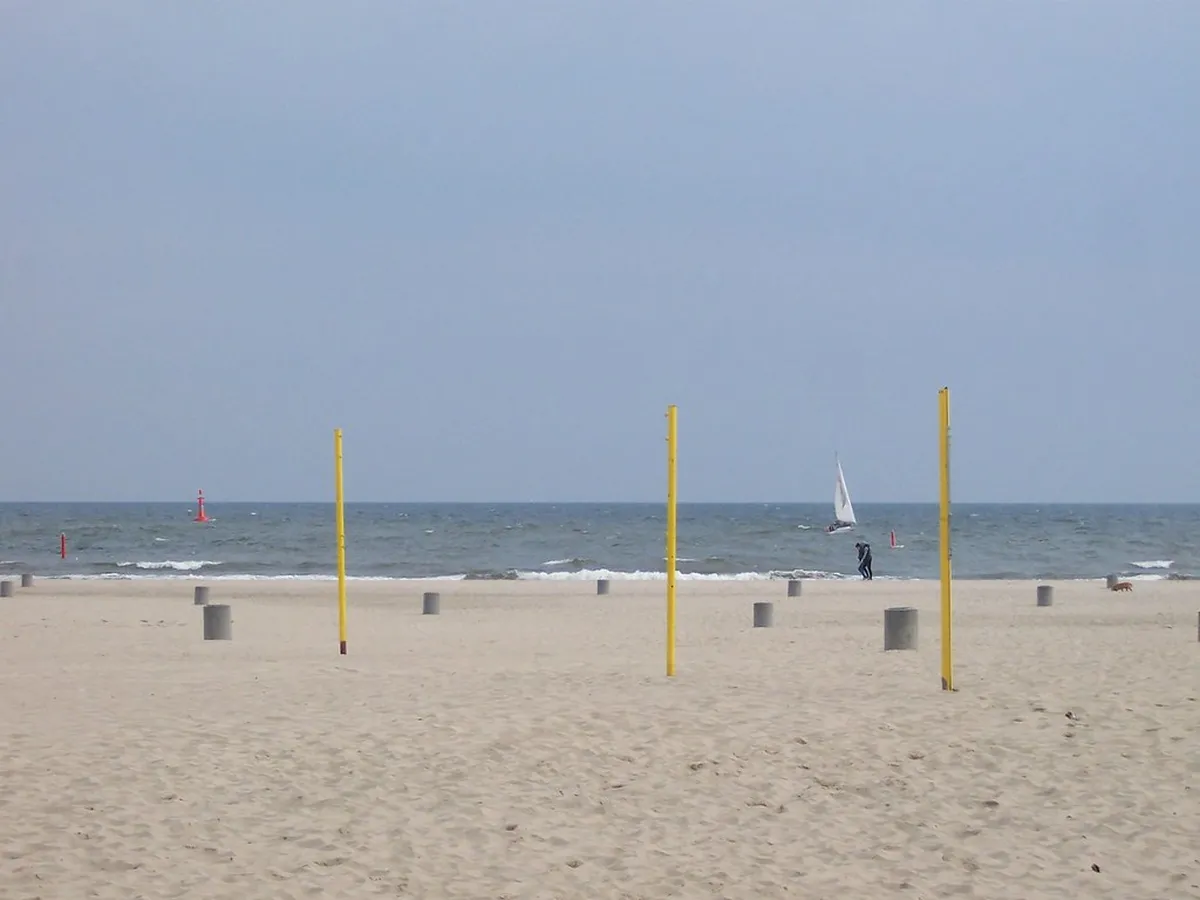
The sand at Sopot is fine, pale, and mechanically groomed most mornings during the May-to-September season. The beach runs for roughly 4.5 kilometers along the Bay of Gdansk, and in places it widens to 100-110 meters, easily fitting sunbathers, volleyball courts, and football pitches side by side. Families gravitate here because the water shelves gradually rather than dropping off, giving young swimmers a shallow and forgiving entry point.
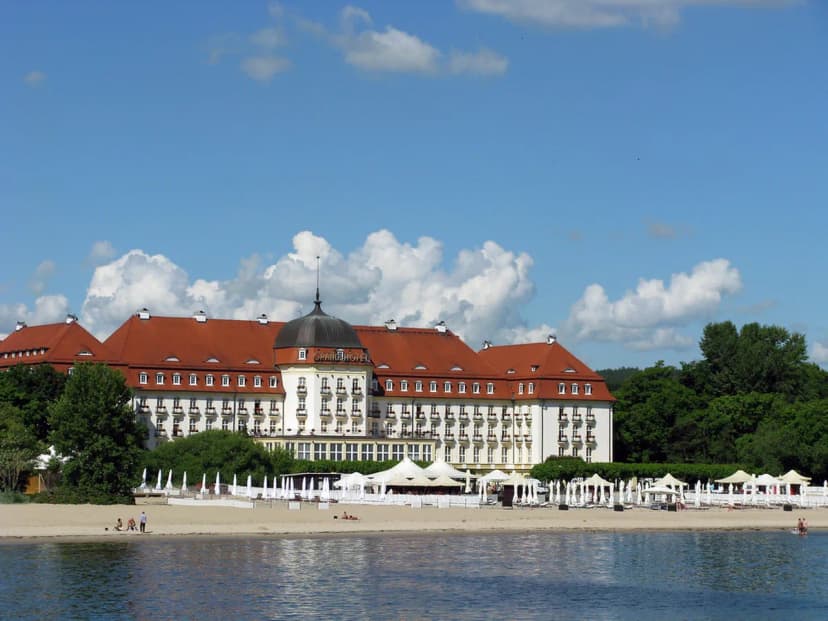
Walking the shoreline reveals a mix of private hotel frontage and open public sand, with the busiest crowds directly around the pier. Head north past the Grand Hotel toward the Gdynia border for fewer people, where the beach thins out. This range of moods is what makes Sopot work equally well for a lively day trip or a quiet reset.
The atmosphere is upscale yet still accessible on a budget: grand villas overlook the waves, while a milk bar lunch or a hostel bed sits a few streets back. Local authorities maintain high cleanliness and lifeguard standards all summer, and 2026's season has kept the same daily sand-sieving routine.
Beyond the sand, the town offers a rich cultural calendar and green space a short walk inland, so you can go from a morning swim to an afternoon gallery visit without leaving town. The 15-minute train from Gdansk makes this an easy day trip or a comfortable multi-night base.
Walking the Iconic Sopot Pier (Europe’s Longest Wooden Pier)
The Sopot Pier (Molo) is the town's defining landmark, extending exactly 511.5 meters into the Bay of Gdansk. Walking to the very end offers the best view back at the coastline, the Grand Hotel, and the marina below, and benches face both directions so there's no need to rush.
Did you know the pier didn't reach that length in one project? It began in 1827 as a modest 31.5-meter wooden jetty for cold-sea hydrotherapy, then grew in stages to roughly 150 meters in the 1800s and 315 meters by 1910, reaching its current 511.5 meters in 1927-28 to mark Sopot's 25th anniversary as an official health resort.
A per-person entry fee applies during the peak season, roughly April through September; check current pricing at the ticket board or on the Sopot Pier (Official Site for Fees). Adults typically pay around 10 PLN, with reduced rates for children, seniors, and larger families. Arrive before 9:00 to 10:00 and you can often walk on free of charge, well ahead of the midday shift when tour groups flood in.
At the seaward end sits a marina added in 2011 that now holds over a hundred yachts, and the whole structure carries protected grade-I monument status. It's a genuinely good sunset spot, and a paddleboard or the Statek Pirat boat tour gives you the classic postcard view of the pier from the water rather than on it.
Top Things to Do: From Sunbathing to Pirate Ships
Sunbathing is the default activity, but rental stands along the sand also offer umbrellas, loungers, and beach volleyball setups for those who want to be active. A slow 20-minute walk along the water's edge is a genuinely good reset after a train ride or a busy morning, and it is the single easiest way to see most of the coastline without paying for anything.
For a bit of movement on the water, the Statek Pirat pirate ship runs 40-minute harbor cruises departing from near the pier, priced at roughly 35 PLN per person. It is a fun, low-effort way to see the Sopot skyline and the Grand Hotel from offshore, and it works well for families with younger kids who want a break from the sand.
A short walk from the beach brings you to Monte Cassino Street, known locally as Monciak, Sopot's pedestrian shopping and nightlife spine. Midway down sits the Crooked House Sopot, a deliberately wavy, fairy-tale building that is one of the most photographed spots in the Tricity. Between the two, you can fill an afternoon with boutiques, cafes, street performers, and people-watching before heading back to the sand.
When to Visit: Weather, Crowds, and the Algae Season
Summer is the busiest window, with July and August air temperatures often reaching 24-25°C and the warmest water of the year, though the Baltic still runs a brisk 17-20°C even at its peak. These same two months bring the heaviest crowds and the highest hotel prices, so late June or early September is worth considering if you want calmer sand without sacrificing much warmth.
Reading the flags matters more here than at most European beaches. Blue-green algae, or cyanobacteria, tends to bloom in the shallow, sheltered water of the Gulf of Gdansk between late June and the end of August, when warm, still conditions give it exactly what it needs to spread. When levels spike, the sanitary inspectorate closes the affected stretch and raises a red flag, which has happened along Tricity beaches, Sopot included, more than once in recent summers.
Before committing to a swim, check the live status on the Chief Sanitary Inspectorate (Water Quality) map, which flags exactly which beach sections are open, closed, or under caution in 2026. It takes a few seconds and saves you from finding out about a closure only after you're already in your swimsuit.
Winter has its own quiet appeal and noticeably lower prices. Swimming is off the table, but the frozen pier railings and near-empty promenade have a stark beauty, and several luxury spas run their best off-season deals from November through March, a good pick if wellness matters more to you than a tan.
How to Get to Sopot: Logistics from Gdansk and Beyond
The SKM commuter line is the easiest way between Gdansk and Sopot, with trains running every 7 to 15 minutes. The ride from Gdansk Glowny to Sopot takes about 15 to 17 minutes, and a one-way fare runs roughly 6 to 9 PLN depending on your starting station and ticket type; fares moved slightly in early 2026, so confirm the current price at the platform machine rather than trusting an old screenshot.
One mistake worth avoiding: Gdansk and Sopot stations are served by two separate operators sharing the same platforms, the local SKM commuter trains and PKP Intercity's long-distance services. Tickets are not interchangeable between the two, and conductors do check, so make sure you're buying an SKM ticket specifically rather than grabbing whatever machine or window is closest.
From Sopot Railway Station, the beach is roughly 1.3 km away, a 15-to-20-minute walk straight down Monte Cassino Street. Follow the blue "Na Molo" signs from the station exit; the street feels completely different at 9:00 in the morning, before bakeries fill up, compared to noon. Cafes clustered in the first few hundred meters off the station tend to be quieter than the ones facing the pier.
Always validate your paper ticket in the yellow box on the platform before boarding, not on the train itself. Families and small groups should ask about weekend or group fares at the ticket window, which usually beat single tickets.
Where to Stay: Luxury Spas to Budget-Friendly Apartments
Sopot covers a wide range of budgets and styles. For maximum comfort, the Grand Hotel Sopot is the most iconic choice, sitting directly on the beach with a private stretch of sand and decades of history. The Sofitel Grand and the Sheraton Sopot both sit within a short walk of the pier with full spa facilities, a solid pick for combining beach time with treatments.
Budget travelers have real options too, not just an afterthought. Vibe Hostel Sopot and a handful of smaller guesthouses sit a few blocks off the main strip, offering shared kitchens and lower nightly rates. Book well ahead for July and August, since the cheaper beds go first.
Airbnb apartments typically run $30 to $70 per night and suit families who want to cook rather than eat out every meal. Double-check walking distance before booking, since "near Sopot" listings can stretch toward Gdansk.
A useful way to frame the choice is a luxe day versus a backpacker day. A luxe day starts with breakfast on a hotel terrace, a spa treatment, pier-front lunch, and a sunset drink near the Grand Hotel. A backpacker day starts with bakery coffee on Monte Cassino, a free beach walk and swim, and a milk bar lunch of pierogi and beetroot soup for under 30 PLN. Both cover the same ground; the price gap is almost entirely about where you eat and sleep, not what you see.
Where to Eat: Sopot’s Best Beachfront Dining and Cafes
Dining in Sopot is a genuine highlight, especially for seafood lovers. Several upscale beachfront restaurants serve fresh Baltic fish like flounder or cod with a sea view, and prices climb accordingly. Smoked fish stalls near the marina are a cheaper way to eat well, with smoked trout and bread a reliably good, inexpensive option.
For a lighter budget, look for a local milk bar or small bistro just off the main pedestrian street, serving pierogi and schnitzel at a fraction of the beachfront prices, a favorite with backpackers and locals alike.
Coffee culture runs strong here, with third-wave cafes tucked just off Monte Cassino. Grab a paczki or cheesecake from a local bakery, and if it's warm, look for a gofry stand selling waffles loaded with fruit and cream, a classic Baltic beach-day treat. Many cafes put out blankets for cooler seaside evenings.
Practical Tips: Amenities, Parking, and Safety
The beach is well-equipped with public toilets, showers, and changing cabins, most requiring a small cash fee of 2 to 5 PLN. Keep a few coins handy, since card payment isn't always available at these stands. Lifeguards staff several supervised bathing zones along the main strip during July and August.
Accessibility has improved in recent years: several Tricity beaches, Sopot included, now offer free-loan amphibious beach wheelchairs and textured access mats at select lifeguard-staffed points in peak summer. Availability shifts year to year, so call Sopot tourist information ahead to confirm current-season access points.
Sopot also lifted its seasonal dog ban in 2025, a change carrying into 2026: dogs are now allowed on the sand year-round under an owner's control, leashes required for aggressive breeds, except in the lifeguard-supervised swimming zones during July and August.
Parking is difficult and expensive in summer, with the central paid zone filling quickly. Public transport is easier; if you must drive, look for larger lots near Aquapark Sopot. Keep valuables out of sight while swimming, and use your hotel safe for passports.
Sopot Beach vs. Nearby Alternatives: Jelitkowo and Orłowo
If the main strip in front of the pier feels too packed by midday, you don't have to leave the Tricity to find quieter sand. Jelitkowo beach, on the Gdansk side, runs directly into Sopot's beach with no fence or gap between the two; keep walking south along the water and you cross from one town's sand into the other without noticing. It's less commercial, with fewer rental stands, and it sits near Gdansk Zoo and the Baltic Opera.
Orłowo, on the Gdynia side, is a short SKM ride or a longer walk north past the Grand Hotel, and it feels distinctly different: a wooded cliff rises behind a smaller wooden pier, marking the old Sopot-Gdynia boundary. It's a favorite spot for volunteer seal-watchers scanning for grey seals below the cliff, and the cliff-top path gives a genuinely different coastal view than Sopot's flat promenade.
Both are reachable on the same SKM line that already gets you to Sopot, so there's no separate transport plan needed. Stay in central Sopot for people-watching, shopping, and the pier; head to Jelitkowo or Orłowo for open sand and a quieter walk without doubling back through Gdansk.
Sopot’s Spa Heritage and Beyond the Shoreline
Sopot's history as a spa town is still visible in its parks and fountains. Brine inhalation points near the pier and in some public gardens release a fine mineral mist, and the town's microclimate has long been associated with easing respiratory and skin complaints, a tradition that dates back to the pier's original hydrotherapy purpose in 1827.
If you want a break from the sand, the Forest Opera is a short bus or taxi ride away. This open-air amphitheater in the woods above town has hosted major music events for decades and is known for genuinely excellent natural acoustics.
The hills behind town also offer several hiking trails and viewpoints. The Sopot Lighthouse gives a wide view over the entire Bay of Gdansk, and the shaded pine paths of North Park are noticeably cooler than the open beach on a hot July afternoon. Exploring beyond the shoreline rounds out a trip that could otherwise be all sand and sun.
Frequently Asked Questions
Is Sopot Beach free to visit?
Yes. Sopot Beach is a free, open public beach with no entrance gate or ticket — you can walk on, sunbathe, and swim at no cost 24 hours a day. The only fees on-site are optional extras, such as sunbed or beach-equipment rental and the separate admission charged to walk onto the adjacent Sopot Pier (about 10 PLN standard, 5 PLN reduced).
How cold is the water at Sopot Beach?
The Baltic Sea here is cool even in summer. Average water temperatures run around 17-19°C (63-66°F) through most of July, warming to a seasonal peak of roughly 19-20°C in August. It's swimmable and popular, but expect a brisk dip rather than warm tropical water — locals and regulars swim comfortably, first-timers often need a minute to acclimatize.
Is Sopot Beach sandy?
Yes, it's a genuine sand beach with fine, light golden sand along its full length. The beach is mechanically sieved and cleaned daily during the May-September season, and it's wide enough in places (up to roughly 100-110 m) to comfortably fit sunbathers, beach volleyball courts, and volleyball/football pitches without feeling cramped.
When are lifeguards on duty at Sopot Beach?
Lifeguard coverage from the WOPR (Water Volunteer Rescue Service) operates in July and August, with up to 10 supervised bathing zones spaced along the shoreline, each covering about 100 m of beach and staffed during daytime hours. Outside those summer months, and outside the marked zones, the beach is unsupervised, so swim with extra caution in the shoulder seasons.
What is the best time to visit Sopot Beach?
June through August is peak beach season, with July and August the warmest but also the busiest — expect packed sand and a lively promenade. For a calmer visit with still-decent swimming conditions, late June or early September is a good compromise: fewer crowds, milder weather, and water that's only a degree or two cooler than the August peak.
Can you rent sunbeds or beach chairs at Sopot Beach?
Yes. Rental stands along the beach offer sunbeds, loungers, and other beach equipment (umbrellas, kayaks, and similar water-sports gear) for hire, typically around 25 PLN per day per sunbed. Bringing your own towel or mat is free, of course — rentals are purely optional.
Is Sopot Beach good for families with kids?
Yes. The beach is wide, sandy, and gently sloping in most stretches, with supervised bathing zones in summer, nearby public toilets and free showers/changing huts (July-August), and plenty of flat sand for building and playing. Kids also enjoy hunting for amber that occasionally washes ashore. Just watch the cool water temperature and any posted red-flag warnings.
How do you get to Sopot Beach?
Sopot Beach sits right behind Sopot Pier in the town centre, an easy walk from Sopot's main SKM commuter-rail station (about 10-15 minutes on foot down Monte Cassino Street) or from central Gdańsk and Gdynia via the SKM/PKM regional trains, which connect all three Tricity centres in well under 30 minutes.
Sopot Beach remains a top destination for anyone visiting the Polish coast. It combines natural beauty with excellent amenities and a touch of historic elegance. From the long wooden pier to the busy streets of Monciak, there is always something to see. This guide provides the tools you need for a successful seaside trip.
Remember to plan for the seasonal changes and check the water quality maps. Whether you choose a luxury hotel or a cozy apartment, you will enjoy the unique Baltic vibe. The ease of transport from Gdansk makes it a must-see spot in the Tricity area. Pack your sunscreen and get ready to enjoy the best of Poland's shoreline.
Explore more of the region by visiting our Poland attractions guide for more ideas. Each town along the coast has its own story and charm waiting to be discovered. Sopot is just the beginning of your adventure on the beautiful Polish Riviera. We hope you have an amazing stay in this premier seaside escape.
For the latest official information, see the Sopot Beach on Wikipedia and Sopot Beach official site.
For more Sopot planning, read our 13 Best Things to Do in Sopot, Poland (2026 Guide) and Gdansk Beaches and Sopot Day Trip: 8 Essential Planning Tips guides.