
Do They Speak English in Poland? What Travelers Need to Know in 2026
Last updated July 2026: if you're asking whether do they speak English in Poland before booking flights, the short answer is yes in most tourist-facing settings, though the depth of fluency shifts by city, generation, and setting. Warsaw, Kraków, Gdańsk, and Wrocław run comfortably in English across hotels, restaurants, and major transit hubs, while smaller towns and older residents lean far more on gesture, translation apps, and patience. This guide breaks down where English is strongest, where it thins out, and how to bridge the gap with a few practical habits and the right tech in your pocket.
Do They Speak English in Poland? The Short Answer
For most travelers, yes: do they speak English in Poland is one of the easier travel-planning questions to answer with confidence. Poland has consistently placed among the top 15-20 countries worldwide on the EF English Proficiency Index, landing in the index's High Proficiency band alongside several other Central European nations. That ranking reflects decades of English as a compulsory subject in Polish schools, plus heavy exposure to English-language media, gaming, and international business. In practice, that translates to widespread English ability among younger professionals, hospitality staff, and anyone working in tourism, while comprehension naturally narrows once you step outside major cities or interact with older generations and public-sector staff. Framed simply: yes, do they speak English in Poland in a way that makes a first-time visit manageable without any Polish, but pairing that baseline confidence with a few local phrases and a reliable data connection makes every interaction faster and more pleasant, especially once itineraries move past the biggest cities.
Where English Is Most Common: Warsaw, Kraków, Gdańsk, and Wrocław
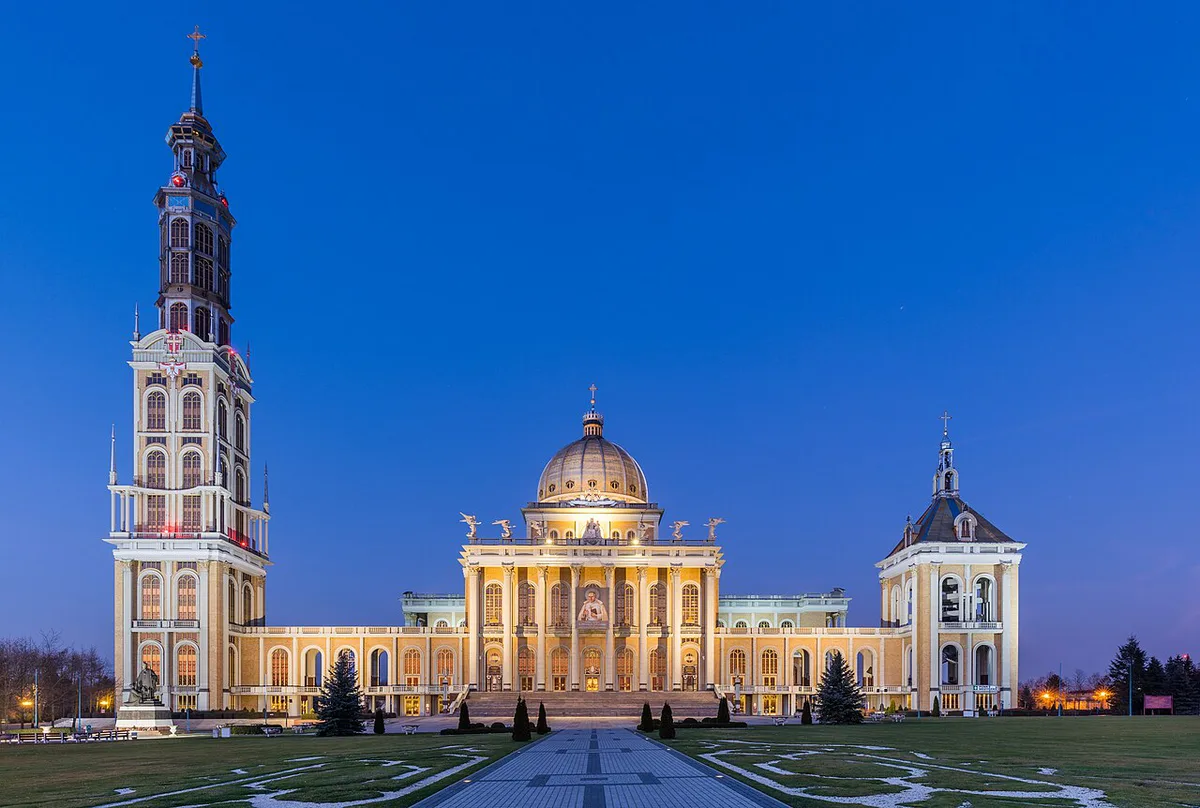
English proficiency in Poland is heavily concentrated in four hubs: Warsaw, Kraków, Gdańsk, and Wrocław. These cities carry the bulk of Poland's international tourism, university populations, and foreign business investment, so hotel receptionists, restaurant servers, and shop staff in central districts typically communicate in English without difficulty. Kraków's Old Town and Gdańsk's Main City area, in particular, see enough international footfall that English-language menus, signage, and tour guides are the norm rather than the exception. Wrocław, meanwhile, has a fast-growing international business and university-student population, which pushes English use in central cafés, co-working spaces, and shops well beyond what a strictly tourist-driven city might have, while Gdańsk's status as a historic Baltic port city means staff at hotels and amber-market stalls in the Main City are used to fielding questions in English from both cruise passengers and long-haul travelers. If a route through several of these hubs is on the agenda, the 10-day Poland itinerary lays out a city-by-city pace that keeps most stops within these higher-proficiency zones, which is useful for travelers who feel less confident navigating in Polish.
The Generational and Geographic Gap in English Proficiency
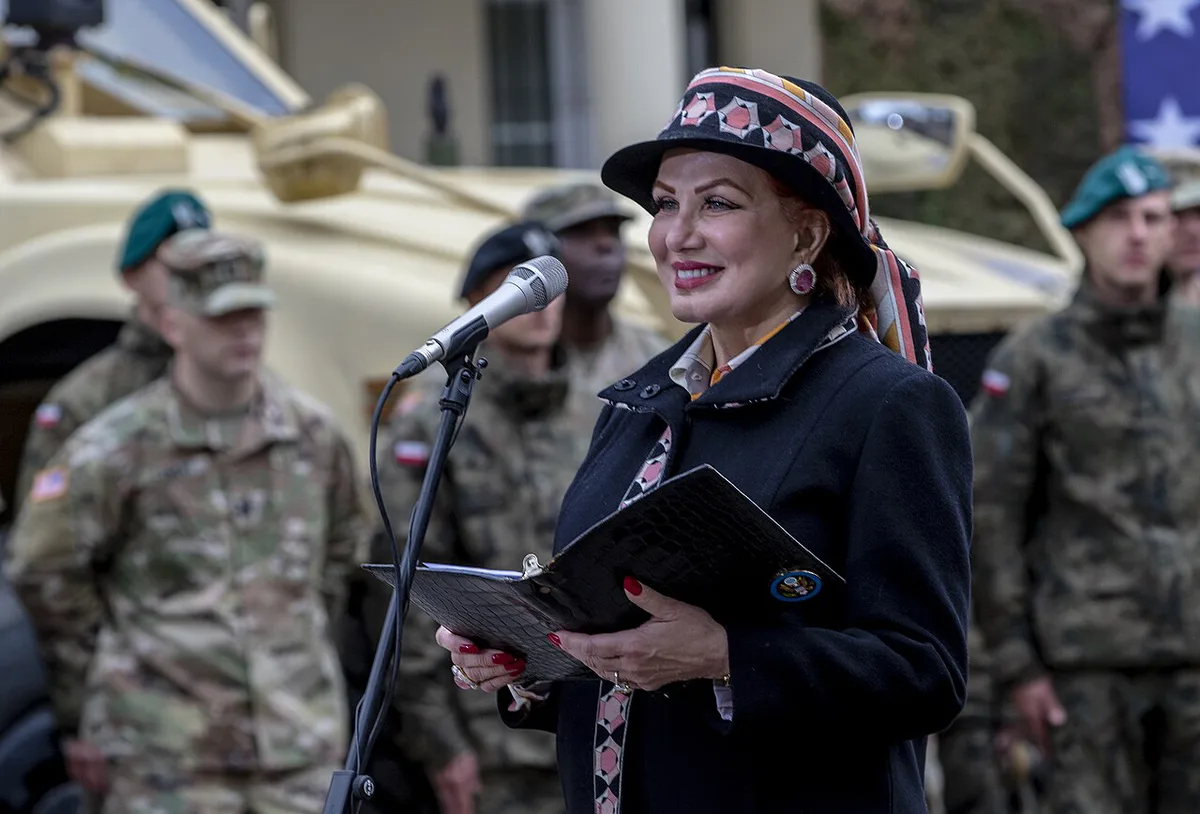
English ability in Poland splits sharply along two lines: age and location. Poles under roughly 40 typically studied English for years as a mandatory school subject and have had steady exposure to English-language film, television, and online content, so conversational English is common in that age group even outside major cities. Older Poles, particularly those who came of age before the 1990s, were more likely to study Russian or German as a second language, so fluency drops noticeably with age. Geography compounds the pattern: rural villages, small agricultural towns, and mountain communities see far less tourist traffic and fewer daily reasons to use English, so expect proficiency to thin out quickly once you're away from city centers and major transit corridors. This split matters most for itinerary planning: a trip built entirely around Warsaw, Kraków, Gdańsk, and Wrocław will feel noticeably more English-friendly than one that also weaves in day trips to smaller regional towns, so it's worth budgeting extra patience, and a translation app, for any leg that leaves the main hub-to-hub route.
The generational and geographic divide—younger Poles learned mandatory English, older cohorts studied Russian or German, and rural areas have fewer English speakers—explains why tourism hubs feel effortless while small-town markets, local bus drivers, pharmacies, and government offices pose language friction.
English in Daily Travel Situations
Most day-to-day travel interactions in Poland's cities go smoothly in English. Hotel staff at nearly any mid-range or upmarket property are trained to handle English-speaking guests, and restaurant staff in tourist and city-center areas can usually take an order, explain a dish, or handle a bill in English, a good moment to also check the local norms in the guide to Tipping in Poland: 2026 Etiquette & Practical Guide before the check arrives. Public transport is increasingly English-friendly too: PKP Intercity, Poland's national rail operator, runs an English-language website and ticket-booking interface, and station announcements in major hubs are frequently bilingual. Airport staff at Poland's major international gateways are also reliably comfortable in English, as are most car-rental desks, given how much of that business runs through foreign visitors. Medical settings in larger cities generally have some English-speaking staff, though English fluency is not guaranteed in smaller regional clinics or pharmacies, so travelers with ongoing medical needs should carry written documentation of conditions or medications as a backup.
When You Might Hit a Language Barrier
The honest answer to do they speak English in Poland gets more complicated outside hospitality-focused settings. Public-sector counters such as Poczta Polska, the national postal service, or a neighborhood pharmacy in a residential district are far less likely to have English-speaking staff than a hotel front desk, and government offices handling visas, registration, or official paperwork should be approached expecting Polish-only service. Small-town markets, local bus drivers, and older taxi drivers outside the main tourist zones are common friction points as well. Menus are another area to watch: while most city-center restaurants print English or picture menus, traditional bar mleczny (milk bar) canteens, cafeteria-style spots serving cheap, home-style Polish food, often post only a Polish-language menu on the wall, so pointing at what another diner is eating or using a translation app's camera feature is a practical workaround. None of these situations are unusual or alarming; they're simply reminders that English fluency in Poland is a strong baseline in tourism-facing roles rather than a guarantee everywhere, and a little preparation closes the gap quickly.
- Post offices (Poczta Polska) and local pharmacies in residential neighborhoods
- Government and administrative offices handling visas or official paperwork
- Small-town markets, local buses, and older taxi drivers away from tourist routes
- Bar mleczny (milk bar) canteens with Polish-only wall menus
City Centers vs Rural Villages: A Quick Comparison
Because English ability varies so much by setting, it helps to think in terms of a trade-off rather than a single national answer. The table below compares what to expect in tourist-heavy city centers against smaller rural villages and towns.
| Category | City Centers & Tourist Sites | Rural Villages & Small Towns |
|---|---|---|
| Menu availability | English or picture menus common in most restaurants | Polish-only menus common, especially at bar mleczny canteens |
| Signage | Bilingual or symbol-based signage at major stations and attractions | Polish-only signage is standard |
| Staff fluency | Hospitality and retail staff generally comfortable in English | Fluency drops sharply, especially among older staff |
Practical Communication Tips for Travelers
A few habits go a long way toward smoother interactions anywhere in Poland. Start any exchange, even in an obviously touristy spot, with a simple dzień dobry (good day) before switching to English; it's a small courtesy that Polish speakers consistently respond well to, and it signals respect rather than an assumption that everyone should speak English. Keep a translation app on hand for anything more complex than basic directions, and make sure a data connection is sorted before setting out; the Poland eSIM Guide 2026: Best eSIM and SIM Card Options for Tourists covers how to get connected on arrival so offline moments don't turn into communication dead ends. It also helps to save a few key phrases, an address, an allergy, a hotel name, as text on a phone before heading out, since reading a written phrase aloud or showing a screen is often faster and clearer than an improvised conversation. Timing matters too: rural and mountain regions can be harder to navigate in the shoulder or winter seasons when fewer English-speaking seasonal staff are on duty, so cross-check plans against the Poland Weather by Month: Seasonal Guide & Best Time to Visit (2026) breakdown when deciding how much time to build in for smaller towns. For broader etiquette beyond language, the 12 Poland Travel Tips for First-Time Visitors (2026) guide rounds out the cultural context worth knowing before arrival.
Essential Polish Phrases Every English Speaker Should Know
A handful of Polish phrases smooth over most everyday interactions, even in cities where English is common. None of these require fluency; they're meant as icebreakers and courtesies that pair well with pointing, gestures, and a translation app for anything more detailed.
- Dzień dobry - Good day / hello (formal, use before switching to English)
- Dziękuję - Thank you
- Proszę - Please / here you go / you're welcome
- Przepraszam - Excuse me / sorry
- Czy mówi Pan/Pani po angielsku? - Do you speak English? (formal, to a man/woman)
- Ile to kosztuje? - How much does this cost?
- Gdzie jest...? - Where is...?
- Na zdrowie - Cheers
For trip-planning details, see Poland - Wikivoyage and Poland - Wikipedia.
Frequently Asked Questions
Is it easy to travel to Poland without knowing Polish?
Yes, for most itineraries. Travelers who stick to Warsaw, Kraków, Gdańsk, Wrocław, and the main routes between them can generally get by on English alone, especially in hotels, restaurants, and major transit hubs. Venturing into smaller towns or rural areas makes some Polish phrases and a translation app genuinely useful rather than optional.
Do people in Kraków speak English?
In central Kraków, particularly the Old Town and other tourist-heavy districts, English is widely spoken among hospitality, retail, and tour staff. As with other Polish cities, fluency is strongest among younger residents and those working directly in tourism, and it thins out in outer residential neighborhoods.
Can you use English at Polish train stations?
Yes in most cases, especially at larger stations. PKP Intercity, Poland's national rail operator, offers an English-language website and booking interface, and staff or ticket machines at major stations typically support English. Smaller regional stations may have more limited English support, so having a translation app or a written destination name on hand is a useful backup.
What is the main language spoken in Poland?
Polish, a West Slavic language, is the official and dominant language spoken throughout the country. English functions as a widely understood second language in tourism, business, and among younger generations, but it is not an official language and is not universally spoken, particularly among older residents and in rural areas.
Do Polish schools teach English?
Yes. English is mandatory for most students in the Polish education system, which is a major reason English proficiency is strongest among younger and working-age Poles. Older generations were more likely to have studied Russian or German instead, which is part of why English ability skews younger.
You might also like



Continue reading
More guides you'll find useful