Visiting Auschwitz-Birkenau: A Complete 2026 Guide
No site in Poland — or perhaps the world — demands more of a visitor than Auschwitz-Birkenau. The Nazi German concentration and extermination camp where more than 1.1 million people, the overwhelming majority of them Jewish, were murdered between 1940 and 1945 is now a UNESCO World Heritage Site and one of the most visited memorials on earth. Coming here is not sightseeing in any conventional sense; it is an act of witness, and planning your visit with care is both a practical and a moral responsibility.
This guide covers everything you need to know before you arrive: the difference between the two main sites, the rules around guided tours and free entry, how to book on the official website, what to bring, how to move between sites, age guidance, photography etiquette, and how to combine the memorial with a visit to the Wieliczka Salt Mine if your itinerary allows. It is written for 2026 and reflects the current booking system in place at the Auschwitz-Birkenau Memorial and Museum.
If you are researching how to get here from Krakow — transport options, pick-up times, and organised day trips — that practical logistics detail lives in our dedicated Auschwitz day trip from Krakow guide. This article focuses on the memorial itself and how to experience it as thoughtfully and meaningfully as possible.
Understanding the Two Sites: Auschwitz I and Birkenau
Most people use "Auschwitz" as a single name, but the memorial comprises two distinct and very different sites located about three kilometres apart. Understanding what each site is before you arrive makes an enormous difference to how you process what you see.
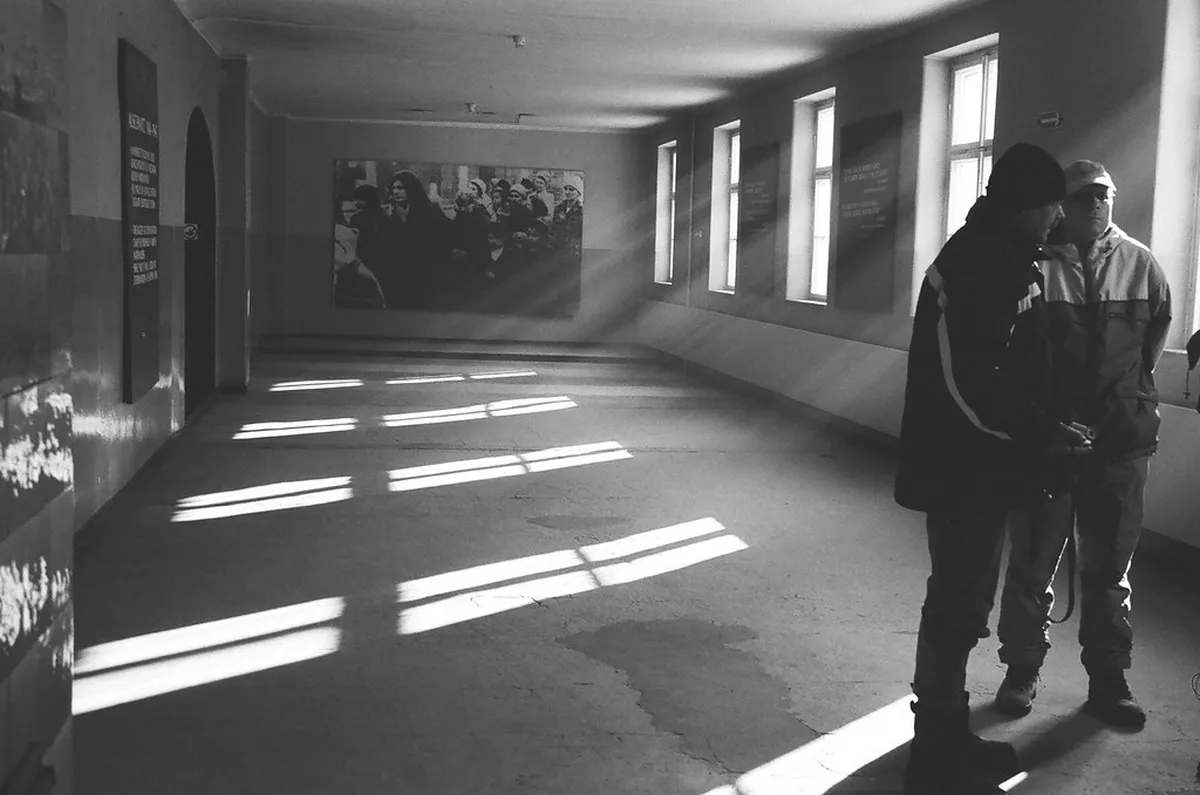
Auschwitz I was the original camp, established in June 1940 in converted Polish army barracks in the town of Oswiecim. Today its brick buildings house the main museum exhibitions — rooms filled with the confiscated belongings of victims: shoes, suitcases, eyeglasses, prayer shawls, and most hauntingly, two tonnes of human hair. The infamous "Arbeit Macht Frei" gate, the standing cell in Block 11, the first gas chamber and crematorium, and the reconstructed gallows where camp commandant Rudolf Hoss was executed in 1947 are all within Auschwitz I. A visit here takes roughly 90 minutes to two hours.
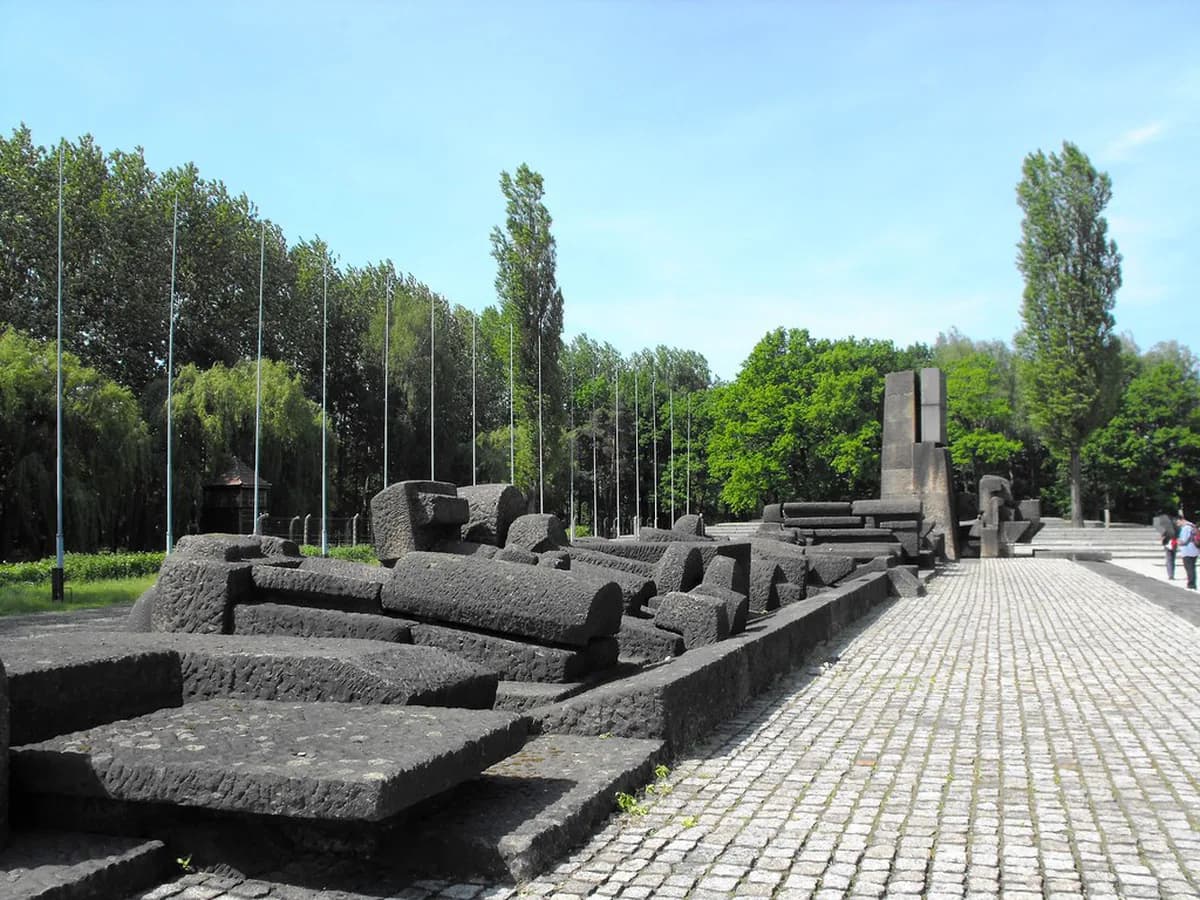
Auschwitz II-Birkenau, three kilometres away, is on an entirely different scale. Built from 1941 onwards, this is where the systematic murder of Europe's Jewish population was industrialised. The site covers 172 hectares. Row upon row of wooden and brick prisoner barracks stretch to the horizon. The ruins of four crematoria and gas chambers — blown up by the SS as Soviet forces approached in January 1945 — remain as collapsed concrete in the far field. The iconic gatehouse with the railway track running through it, the unloading ramp, and the International Monument at the end of the tracks make Birkenau the more emotionally overwhelming of the two sites. Allow at least 90 minutes here. In practice, most visitors need three and a half to four hours minimum across both sites combined.
Booking Tickets and the Guided Tour Rules
Entry to the Auschwitz-Birkenau Memorial and Museum is free of charge. There is no ticket price. However, since 2022 the museum has required all visitors arriving between 08:00 and 16:00 (April through October) or 08:00 and 14:00 (November through March) to join an officially licensed educator-guided tour. You cannot enter independently during these hours. This rule exists to manage the volume of visitors — the site receives over two million people annually — and to ensure the space is experienced with appropriate context and dignity.
Free educator-guided tours in English run throughout the day and last approximately three and a half hours covering both Auschwitz I and Birkenau. If you prefer a smaller group or a specialist guide, licensed study tours can be booked separately via the museum website and incur a fee. Individual study tours without an educator are only permitted after 16:00 (summer) or 14:00 (winter).
Booking is done through the official museum website at auschwitz.org. Time slots for the free educator-guided tours release several weeks in advance and fill extremely quickly during peak months (June through August). Attempting to show up without a booking in summer almost always results in being turned away. In 2026, the museum strongly recommends booking at least four to six weeks ahead for July and August visits. For spring and autumn, two to three weeks is typically sufficient. Winter visits from November to March are far easier to book on shorter notice.
The booking process asks you to select a date, a language for your guided tour (English, German, French, Italian, Spanish, Polish, and others are available), and a time slot. You will receive a confirmation email with a QR code — bring this on your phone or printed. There is no charge to make a booking. If your plans change, cancel as early as possible so the slot becomes available to others.
What to Expect Emotionally — and How to Prepare
No amount of advance reading fully prepares you for standing inside the exhibitions at Auschwitz I or walking the length of the Birkenau platform. Many visitors describe feeling physically heavy as the visit progresses. Others find themselves needing to stop and stand quietly for several minutes at a time. Some cry. All of this is entirely normal and expected — the memorial's educators are experienced in giving visitors the space they need.
The exhibition rooms inside the Auschwitz I barracks are deliberately unflinching. The room displaying the two tonnes of human hair, or the room filled with thousands of children's shoes, confronts you directly with the scale of what happened here. This is by design: the museum's mission is to ensure that the reality of the Holocaust is never abstracted into statistics. If you are sensitive to such material or have personal family connections to the Holocaust, it may help to read about the specific exhibitions in advance so nothing catches you entirely off guard.
After the visit, many people find they need quiet time before returning to normal tourism. Sitting in a cafe or by the Vistula River in Krakow before moving on to another attraction is more common than it might sound. Do not feel any pressure to visit a second attraction immediately after Auschwitz — the many things to do in Krakow will still be there the next morning.
Age Guidance and Visiting with Children
The Auschwitz-Birkenau Memorial and Museum officially recommends that children under 14 do not visit. This is not a hard rule — there is no age-based entry restriction — but it is a considered recommendation, and for good reason. The exhibition content, including photographs of atrocities and rooms displaying the belongings of murdered children, is genuinely distressing even for emotionally prepared adults. Very young children will not have the developmental capacity to contextualise what they are seeing.
For teenagers aged 14 and over, the visit can be profoundly meaningful if they have some prior historical grounding. Many schools bring groups of students aged 16 and above as part of formal Holocaust education programmes, which is a very different context from a family holiday visit. If you are bringing a teenager, spend some time beforehand discussing the history, reading together, or watching a documentary. Arriving with some framework makes the visit far more purposeful than arriving cold.
If you are travelling with children under 14, Krakow itself has a remarkable number of child-appropriate historical and cultural experiences. The Jewish Quarter of Kazimierz, the Schindler's Factory Museum (which handles Holocaust history in a slightly different, more interactive way), and the day trips from Krakow to the Tatra Mountains or Wieliczka are all alternatives worth considering.
Etiquette, Dress Code, and Photography Rules
The Auschwitz-Birkenau Memorial asks visitors to maintain respectful behaviour throughout the site. Dress modestly — there is no strict dress code, but shorts and vest tops are generally considered inappropriate. Hats should be removed when entering the gas chamber and crematorium areas. Food and drink should not be consumed inside the exhibitions or within the main fenced areas of either site. There are designated rest areas and a cafeteria outside the main entrance where you can eat and drink.
Photography is permitted throughout the site with one specific exception: no photography is allowed inside the room displaying human hair at Auschwitz I. This restriction is prominently signposted and your guide will remind you. Beyond that exception, you may photograph the barracks, exhibitions, ruins, and outdoor areas. The museum asks that all photography be done with dignity and that no photographs are taken that trivialise or make light of what happened here. Selfies taken with smiling expressions inside the gas chamber, for example, are considered deeply inappropriate and will be addressed by museum staff.
Drone photography is strictly prohibited across both sites. Video recording is generally permitted under the same rules as photography. Social media posts are welcome but the museum asks visitors to caption them thoughtfully and to avoid the sort of performative content that reduces the site to a backdrop.
Loud conversations, laughter, and any behaviour that disrupts the contemplative atmosphere of the memorial should be avoided. The site receives visitors who are themselves descendants of those murdered here, and this reality should inform how everyone present conducts themselves. Your educator-guide will set the tone from the start of the tour.
What to Bring and Practical Logistics on the Day
Comfortable walking shoes are essential — you will cover several kilometres of ground, including gravel paths at Birkenau, across a visit of three and a half to four hours. Dress in layers: the brick barracks at Auschwitz I can feel cold even in summer, while the open grounds at Birkenau are exposed and can be very hot in July and August. A light jacket, water bottle, and sun protection are worth bringing year-round.
Large bags and backpacks must be deposited at the free left-luggage facility near the Auschwitz I entrance. This is also where you will check in with your QR code booking. The facility opens early and the process takes only a few minutes. Small bags and day bags that fit under a seat are generally permitted inside.
A free shuttle bus runs between Auschwitz I and Birkenau approximately every ten minutes during opening hours. Your educator-guide will coordinate the transfer between the two sites as part of the guided tour. If you are visiting independently after 16:00, you can use the same shuttle or walk the three kilometres along a well-marked path. There are also local taxis and minibuses that make the run between the two sites for a small fee. Parking is available at both sites if you are arriving by car from Krakow independently.
There is a cafeteria and a small shop at the Auschwitz I visitor centre. The shop sells books, educational materials, and documentary films related to the memorial. Purchases here directly support the museum's preservation and education mission.
Accessibility at the Memorial
The Auschwitz-Birkenau Memorial and Museum has invested significantly in accessibility in recent years. Auschwitz I is substantially wheelchair-accessible, with lift access to upper-floor exhibitions in the main barracks buildings. The grounds between buildings are surfaced and manageable for wheelchairs and mobility aids. An audio guide is available in multiple languages for visitors with hearing impairments, and some exhibitions have tactile elements for visually impaired visitors.
Birkenau presents more of a challenge. The site is vast and the paths between barracks are mostly unpaved gravel and earth. Wheelchair users can access the main entrance gatehouse, the unloading ramp, and the area around the International Monument via the central road, which is the most direct route through the site. The far corners of the camp and some of the preserved barracks are harder to access, but the core of the Birkenau experience — the railway, the ramp, the ruins of the crematoria visible from the monument — is reachable.
If you have specific accessibility requirements, the museum recommends contacting them directly via the contact form on auschwitz.org before booking, so that the most appropriate tour can be arranged. Wheelchair loans are available at the entrance free of charge.
Combining Auschwitz with Wieliczka and Day Trip Planning
A common question is whether to combine an Auschwitz visit with a trip to the Wieliczka Salt Mine on the same day. The honest answer is: it is logistically possible, but emotionally difficult. Both sites deserve your full attention, and most visitors find that the weight of Auschwitz makes it hard to engage meaningfully with anything else on the same day.
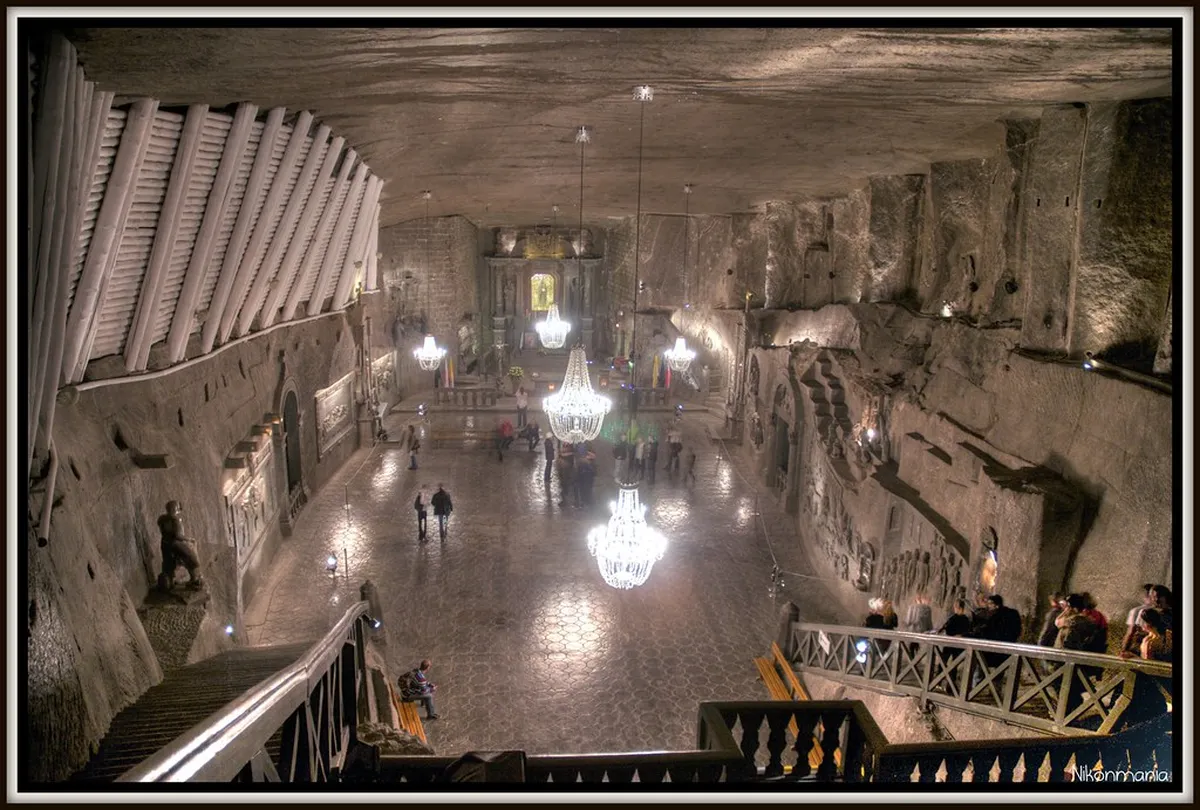
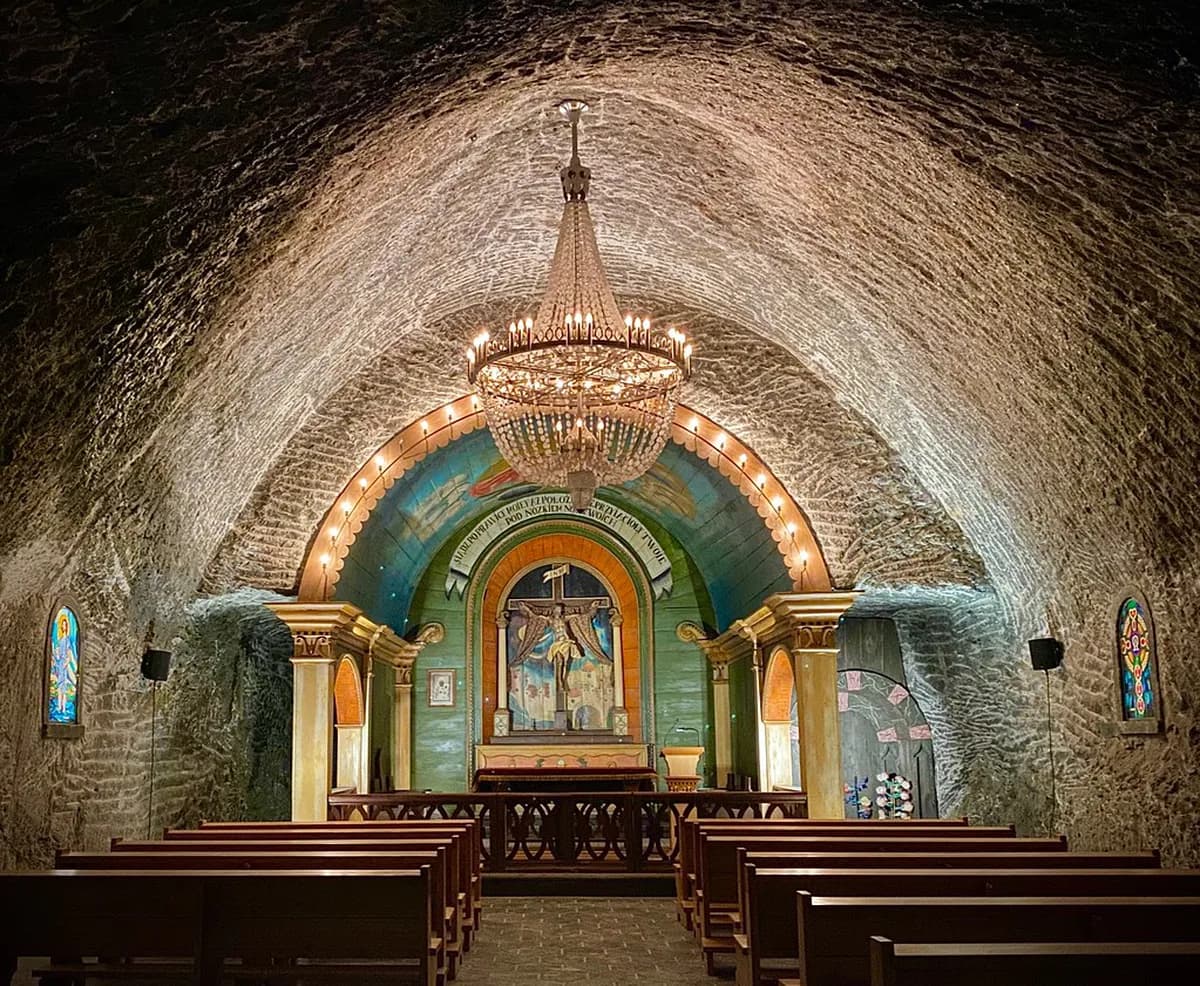
If your time in Krakow is genuinely limited, the combination that works best is an early Auschwitz visit (the 08:00 or 09:00 tour slot) returning to Krakow by early afternoon, followed by an afternoon Wieliczka visit. The salt mine, with its extraordinary underground chapels and sculptures carved by miners over seven centuries, is a completely different emotional register — uplifting, awe-inspiring, and resolutely human in a positive sense. Some visitors find that pairing them provides a meaningful arc to a day about what humans are capable of, in both directions.
Alternatively, give each site its own day. Krakow is an extraordinary base and there is no shortage of things to do in Krakow to fill the intervening time. The broader range of day trips from Krakow — including Zakopane in the Tatra Mountains, the Czestochowa pilgrimage site, or the Nowa Huta socialist realist district — provides context for Poland's full story beyond the wartime years. Auschwitz also sits within the broader landscape of places to visit in Poland that demand the kind of serious engagement that rewards slow travel.
The History in Brief — and Why Coming Matters
Auschwitz was established in April 1940 as a camp for Polish political prisoners. By 1942 it had become the centre of the Nazi programme of systematic genocide against European Jews. People arrived by cattle car from across German-occupied Europe — from France, the Netherlands, Greece, Hungary, Italy, and Poland itself. On arrival, SS doctors conducted "selections" on the unloading ramp at Birkenau: those deemed able to work were registered as prisoners; the rest — predominantly the elderly, women with children, and children themselves — were directed immediately to the gas chambers and murdered within hours of arrival.
The camp was liberated by Soviet forces on 27 January 1945. That date is now commemorated globally as International Holocaust Remembrance Day. The Nuremberg trials and subsequent proceedings documented the mechanism of the genocide in detail. Auschwitz-Birkenau was inscribed on the UNESCO World Heritage List in 1979 — an unusual designation for a site of atrocity, made precisely because the international community recognised that its preservation as a place of memory and warning was of universal significance.
The memorial's annual visitor numbers — over two million in recent years — reflect a global recognition that bearing witness to what happened here is part of the responsibility of being an informed citizen of the world in 2026. Coming to Auschwitz is not about dark tourism. It is about understanding what organised hatred, bureaucratic dehumanisation, and collective complicity made possible, and committing to recognise those conditions if they ever begin to appear again. That is why the memorial insists on educator-guided tours during peak hours: not to control the narrative, but to ensure that what visitors take away is knowledge and responsibility, not spectacle.
Best Time to Visit Auschwitz-Birkenau
April through June and September through October are the most comfortable months to visit. The weather is mild, daylight is generous, and crowds are noticeably lighter than in high summer. Spring visits in April and May benefit from the fewest queues of the year while still offering reasonable outdoor conditions for the long walk through Birkenau.
July and August are the busiest months by a significant margin. Booking slots fill six to eight weeks ahead during peak summer, the queues for security checks at Auschwitz I can run 20 to 30 minutes even with a pre-booked slot, and the open grounds at Birkenau become extremely hot in the afternoon sun. If July or August is your only option, book the earliest available time slot — 08:00 or 09:00 — and you will have roughly 90 minutes of relatively uncrowded experience before the main wave of visitors arrives.
November through February is the quietest period. Slots are easy to book on two or three weeks' notice, and there are days in January or February when tour groups are very small. The emotional weight of walking Birkenau in snow or grey winter light is considerable and, for many visitors, entirely fitting. Pack warm clothes: the barracks interior at Auschwitz I can feel colder than outside in winter, and Birkenau has no shelter from wind across its open grounds.
| Season | Weather | Booking difficulty | Crowds |
|---|---|---|---|
| April–June | Mild | Easy (2–3 weeks) | Lighter |
| July–August | Hot | Difficult (6–8 weeks) | Busiest |
| September–October | Mild | Easy (2–3 weeks) | Lighter |
| November–February | Cold | Easy (2–3 weeks) | Very quiet |
Avoid visiting on significant commemorative dates — particularly 27 January (International Holocaust Remembrance Day) and the anniversary of the camp's liberation — unless you are attending a formal ceremony. These dates draw large organised delegations and the site operates differently from a standard visiting day.
Photo ID Is Mandatory — Do Not Forget It
Every visitor to Auschwitz-Birkenau is required to present a valid photo ID at the entrance. A passport or national identity card is accepted. A driver's licence is accepted in most cases. A digital ID on your phone is not reliable here — bring a physical document. This requirement applies to every adult visitor regardless of nationality, and visitors without ID will be refused entry even if they hold a valid booking confirmation.
This is the single most common reason visitors are turned away at the gate. The requirement is listed on the official booking confirmation email, but it is easy to overlook when you are focused on logistics. Check your bag the night before you travel: booking QR code, photo ID, and comfortable shoes. That is the essential checklist.
Children and teenagers are not required to carry independent ID if they are travelling as part of a family group where an accompanying adult can confirm their identity. For school groups, the group leader's credentials and a group register are sufficient. If you are unsure about a specific document, contact the museum directly via the contact form at auschwitz.org before your visit.
Frequently Asked Questions
Do I need to book in advance to visit Auschwitz-Birkenau?
Yes — during peak hours (08:00-16:00 in summer, 08:00-14:00 in winter) all visitors must join an officially licensed educator-guided tour, and these require advance booking via auschwitz.org. Summer slots (especially July and August) fill four to six weeks ahead. Entry is free of charge but a booking is mandatory during peak hours.
How long does a visit to Auschwitz-Birkenau take?
A standard educator-guided tour covering both Auschwitz I and Birkenau lasts approximately three and a half hours. Most visitors need around four hours in total when you include travel between the two sites on the free shuttle bus. Allow the full half-day and do not book anything immediately afterwards that you cannot be late for.
Is photography allowed at Auschwitz-Birkenau?
Photography is permitted throughout both sites with one exception: the room displaying human hair at Auschwitz I is strictly no-photography. All photography should be done with dignity and respect. Drone photography is prohibited across both sites. No photography that trivialises or disrespects the memorial is acceptable.
Can children visit Auschwitz-Birkenau?
The museum recommends that children under 14 do not visit due to the nature of the exhibition content. There is no hard age restriction, but the imagery and subject matter are genuinely distressing. For teenagers aged 14 and above, the visit can be meaningful if they have some prior historical preparation. Families with younger children may prefer to visit the Wieliczka Salt Mine or Krakow's Schindler's Factory Museum instead.
Visiting Auschwitz-Birkenau is one of the most significant things you can do as a traveller in Poland. It requires preparation, respect, and a willingness to be genuinely affected by what you encounter. This guide has covered the two sites, the booking rules, what to expect emotionally, age guidance, etiquette, practical logistics, and how to fit the memorial into a broader Krakow itinerary.
Come with time, come with an open mind, and come ready to listen. The memorial exists so that what happened here is never forgotten — and every visitor who arrives thoughtfully and leaves with a deeper understanding is part of why it matters. When you are ready to plan the rest of your time in southern Poland, our guide to things to do in Krakow and the broader range of places to visit in Poland will help you build an itinerary worthy of this extraordinary country.
You might also like

Continue reading
More guides you'll find useful