
Oskar Schindler's Enamel Factory Visitor Guide
Walking through the gates of Lipowa 4 feels like stepping directly into a somber chapter of history. This site serves as a powerful memorial to the lives saved by a German industrialist during the Holocaust.
Our oskar schindler's enamel factory visitor guide helps you navigate one of the most significant historical sites in Krakow. You will find everything from ticket booking secrets to transport advice for your 2026 trip.
The museum today is far more than just a factory building with old machinery. It offers a deeply immersive look at the city's struggle under Nazi occupation between 1939 and 1945.
Planning your visit in advance is essential because tickets often sell out weeks before travel dates. This guide ensures you have the practical details needed for a meaningful and smooth experience.
History of the Enamel Factory and Oskar Schindler
Oskar Schindler arrived in the city shortly after the German invasion in 1939 to seek his fortune. He took over a bankrupt enamelware business and renamed it Deutsche Emailwarenfabrik to produce goods for the military.
While he initially focused on profit, his motivations shifted as he witnessed the brutal treatment of the Jewish population. He eventually risked his life and wealth to protect over 1,200 Jewish workers from deportation.
The factory became a sanctuary where workers were treated with relative humanity compared to nearby camps. Schindler used his political connections and bribes to keep his "Schindlerjuden" safe until the end of the war.
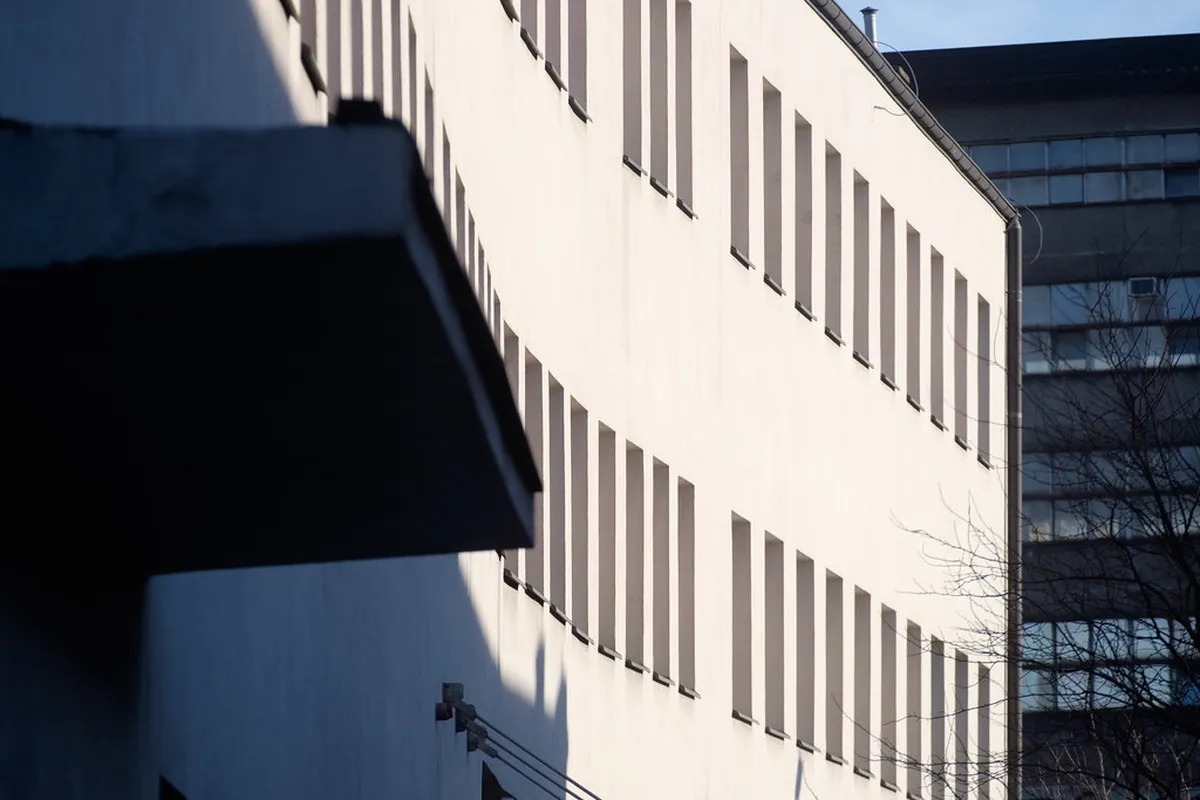
Today, the building stands as a testament to individual courage in the face of systemic evil. Visitors can see the original administrative building where many of these life-saving decisions were made.
What to See: The Kraków under Nazi Occupation Exhibition
The permanent exhibition titled "Kraków under Nazi Occupation 1939–1945" is the museum's main draw. It follows a chronological path that transforms the factory floor into a series of theatrical, immersive environments.
You will walk through narrow, claustrophobic corridors and over uneven floors designed to mimic the tension of the era. The sounds of sirens and marching boots create an intense atmosphere that stays with you long after leaving.
Schindler’s personal office remains one of the most moving parts of the entire facility. It features his original desk and a massive glass installation filled with thousands of enamel pots representing the lives he saved.
Many travelers combine this visit with a trip to Auschwitz-Birkenau to fully grasp the scale of the Holocaust. This museum provides the specific local context of how the occupation affected daily life in the city.
Practical Information: Tickets, Prices, and Opening Hours
Securing your entry requires careful timing because the museum operates on a strict 90-day booking window. Individual tickets are released exactly three months in advance on the Official Museum Site.
A standard adult ticket typically costs around 32 PLN, though prices are subject to change for the 2026 season. Discounted tickets are available for students and seniors with valid identification cards.
If you plan to visit multiple sites, consider the KrakowCard Information to save on entry fees. This pass includes public transport and access to many top attractions like the Wawel Castle exhibitions.
Opening hours generally run from 9:00 AM to 7:00 PM, but the museum closes early on Mondays for maintenance. Always check the official calendar before your visit to confirm current holiday closures.
How to Get There: Location and Transport Tips
The factory is located at Lipowa 4 in the Zablocie district, which is a short distance from the historic Kazimierz district. You can easily walk across the Vistula River bridge to reach the museum in about 15 minutes.
Public transport is highly efficient, with several tram lines serving the nearby Zablocie or Plac Bohaterow Getta stops. Lines 13, 24, and 50 are the most frequent connections from the city center.
We recommend using the Public Transport Planner app to check real-time schedules and platform numbers. This tool is invaluable for navigating the tram network without getting lost.
Parking near the museum is extremely limited and often restricted to local residents. Taking a tram or a taxi is much more convenient than trying to find a spot for a rental car.
Guided Tours vs. Visiting Independently
Choosing between a guided tour and a solo visit depends on how much historical detail you want to absorb. A guide provides deep narrative context that you might miss when reading the exhibit placards alone.
Independent visits allow you to move at your own pace, which is helpful if you find the atmosphere overwhelming. You can spend more time in the quiet areas or skip ahead if certain sections feel too crowded.
Most guided tours last approximately 90 minutes and include skip-the-line entry privileges. This is a great option during the busy summer months when the entrance queues can become quite long.
Budget-conscious travelers often prefer self-guided tours to save money while exploring. If you choose this route, allow at least two to three hours to read the extensive information provided in each room.
- Guided Group Tour
- Cost: 80-120 PLN
- Duration: 90 minutes
- Pros: Expert insights
- Cons: Fixed schedule
- Independent Entry
- Cost: 32 PLN
- Duration: 2-3 hours
- Pros: Flexible pace
- Cons: No live Q&A
Tips for a Smooth Visit (Timing and Booking)
Arriving early in the morning or late in the afternoon is the best way to avoid the largest tour groups. Mid-day slots from 11:00 AM to 2:00 PM are typically the most crowded and noisy.
The museum layout is strictly chronological, so do not try to double back against the flow of traffic. Follow the path naturally to see how the occupation evolved from 1939 through the liberation in 1945.
Wear comfortable walking shoes because the floors vary in texture and some areas have steep stairs. The immersive design means you will be on your feet for the duration of the visit.
If you find the factory sold out, check for tickets to the Wieliczka Salt Mine or other sites. Many agencies offer last-minute combo deals that might still have factory access included.
Frequently Asked Questions
How much time do you need at Schindler's Factory?
Most visitors spend between 2 and 3 hours exploring the exhibits. The museum is very dense with information and immersive displays. If you are taking a guided tour, expect to stay for at least 90 minutes plus some extra time for the gift shop.
Can you buy tickets for Schindler's Factory at the door?
It is very risky to wait until you arrive to buy tickets. This museum is one of the most popular attractions in Krakow and often sells out weeks in advance. Always book online via the official website to guarantee your entry slot.
Is the Schindler Factory museum suitable for children?
The museum is generally recommended for children aged 14 and older due to the sensitive and graphic nature of the Holocaust history. Younger children may find the dark rooms and loud sound effects frightening. Parents should use their discretion based on their child's maturity level.
What is the best time of day to visit the Enamel Factory?
The best time to visit is right at opening at 9:00 AM or after 4:00 PM. These windows typically have fewer large tour groups, allowing for a more reflective experience. Avoiding the midday rush makes it easier to navigate the narrow corridors of the exhibition.
Visiting Oskar Schindler's Enamel Factory is a profound experience that connects you to the complex history of Poland. It serves as a vital reminder of the impact one person can have during dark times.
By following our oskar schindler's enamel factory visitor guide, you can ensure your logistics are handled well before you arrive. This allows you to focus entirely on the historical significance of the site.
Make sure to book your tickets early and consider using a KrakowCard for the best value. After your visit, take a moment to reflect at the nearby Plac Bohaterow Getta memorial.
We hope this guide helps you have a moving and educational visit to this iconic landmark. Safe travels as you explore the rich history and culture of this beautiful city.
Continue exploring Kraków
For the full picture, see our complete Kraków attractions guide, or plan your route around Kazimierz (Jewish Quarter) and Auschwitz-Birkenau Memorial and Museum nearby. Build it into your trip with our best museums in Kraków and things to do in Kraków.


