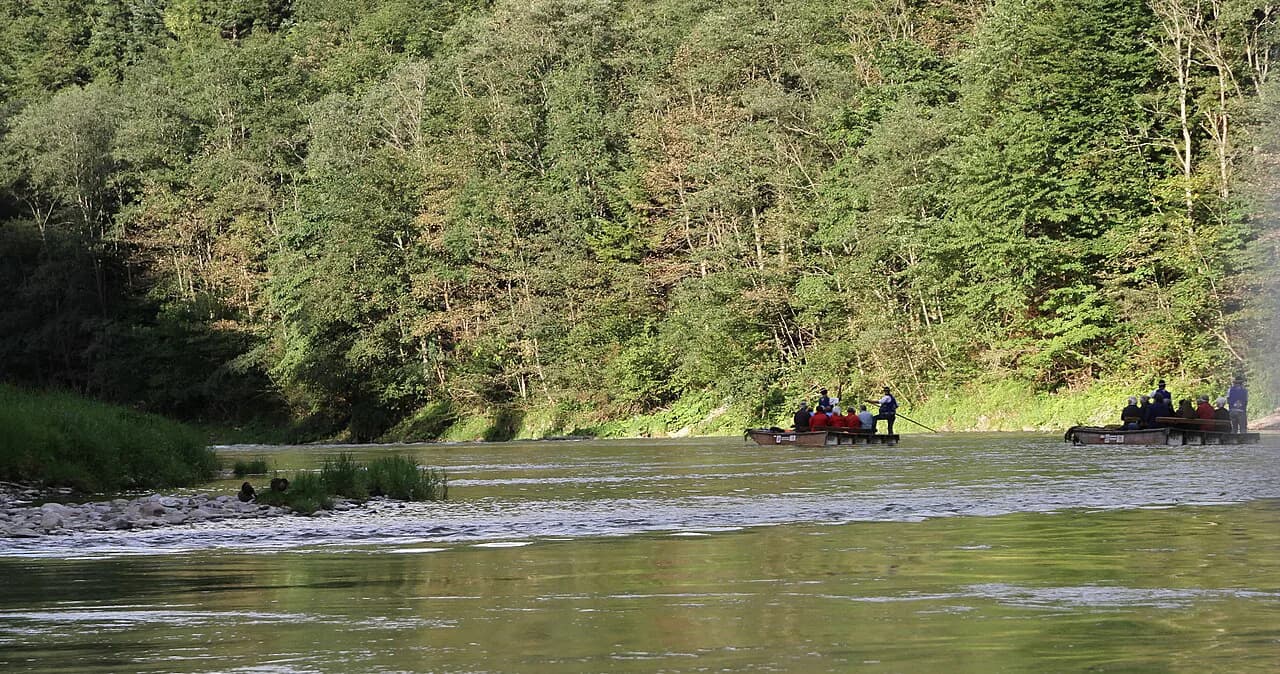

15 Unusual Things to Do in Krakow: Quirky Sites Beyond Wawel Castle
Last updated August 2026, unusual things to do in Krakow start where the guidebook tours end, past Wawel Castle and the Main Market Square. This guide sends you to a quarry turned lake, a socialist-realist district, and a working stained-glass workshop, all reachable by tram from the Old Town. Expect concrete transit notes, current admission caveats, and a decision matrix for choosing between them.
Beyond the Rynek: Why Look for Unusual Things to Do in Krakow
Wawel Castle and St. Mary's Basilica earn their reputation, and Krakow's Old Town rewards a slow walk. Repeat visitors and slower travelers often ask a different question: is Krakow worth a second visit once the Rynek is checked off? The Main Market Square is genuinely historic, but it is not unusual — every guidebook already covers it, and a ticket to Wawel's Royal Private Apartments runs about 50 zł. Second-time visitors and slow travelers get more out of a day spent on the city's edges than a repeat lap of the Rynek. Three picks stand out for travelers short on time. Krakus Mound offers a free sunset view with no ticket booth. Zakrzówek is a former limestone quarry turned lake. Nowa Huta shows off socialist-era architecture and Cold War bunkers. Each site sits outside the compact Old Town core, so budget transit time before adding more than two or three stops to one afternoon.
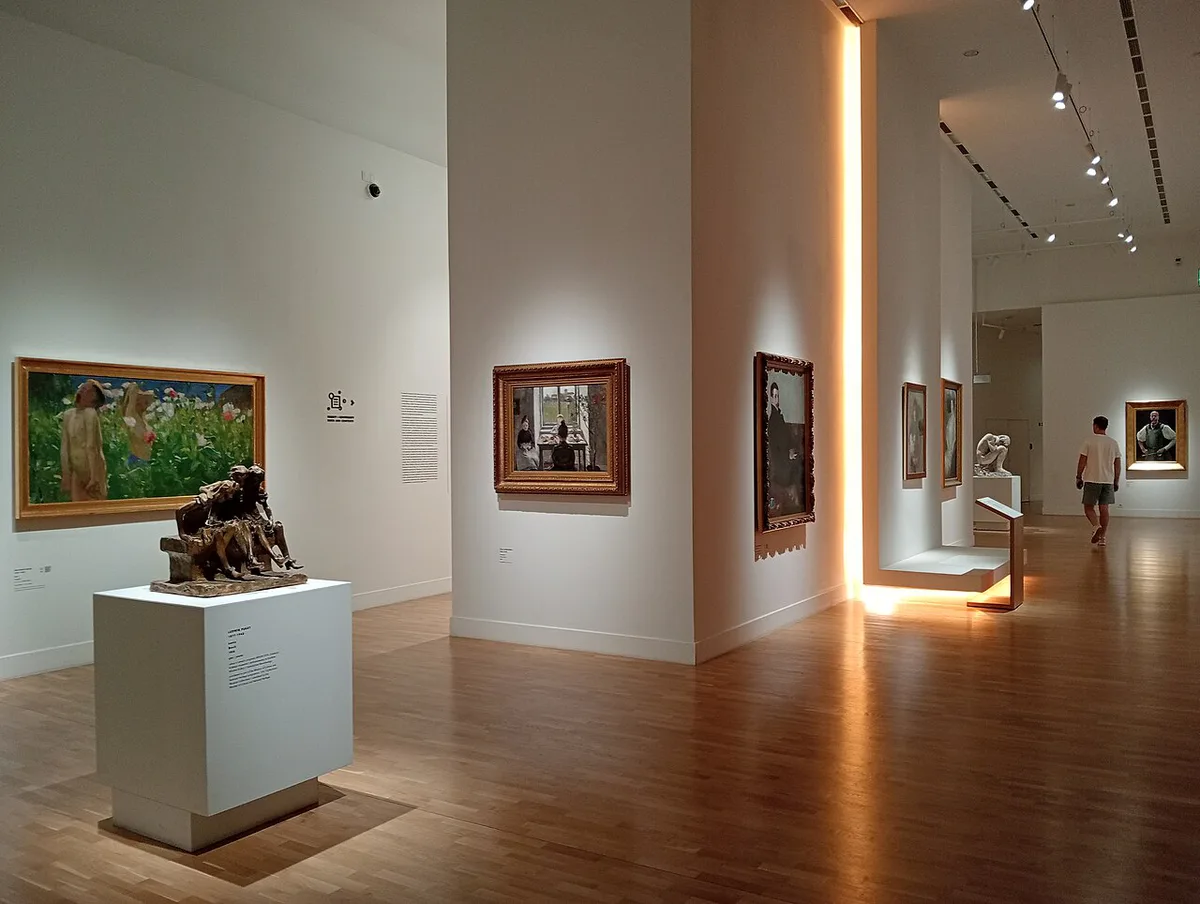
15 Unusual Things to Do in Krakow (Beyond Wawel Castle)
These 15 unusual things to do in Krakow move from an ancient burial mound to a working stained-glass studio and a flooded quarry. Distances and effort vary widely, so the decision matrix further down ranks five of them by time, cost, and effort.
- Krakus Mound (Kopiec Kraka)
- Krakus Mound predates the city itself, raised as a burial mound sometime between the 7th and early 10th century.
- Climb it near sunset for a view across the Vistula and the Podgórze rooftops, with no ticket booth or entry fee.
- The paid Kościuszko Mound across town charges admission most days, though recent years have listed free entry on February 4, March 24, and October 15 — confirm current dates before planning around them.
- Liban Quarry
- This abandoned limestone quarry sits beside the former Płaszów camp, and its cliffs and rail tracks still show where crews built sets for Schindler's List.
- Pair a stop here with the Płaszów concentration camp site next door, since both share the same hillside.
- Footpaths are unpaved and unlit after dark, so visit in daylight and wear sturdy shoes.
- Nowa Huta District
- Built from scratch in the 1950s as a model socialist workers' city, Nowa Huta centers on Plac Centralny, a wide radial square lined with monumental apartment blocks.
- Cold War-era bunkers survive underneath parts of the district, and several operators run tours through them.
- It sits well outside Krakow's central neighborhoods, so plan on a tram ride rather than a walk.
- Oskar Schindler's Enamel Factory
- The building is well known, but its unusual angle is the museum inside: an immersive walk through occupied Krakow rather than a wall of static plaques.
- Monday admission has historically been free, with tickets released the same day at the box office rather than booked in advance — verify the current policy before arriving.
- The Schindler's Factory museum guide covers gallery-by-gallery detail for planning a visit.
- muWi Stained Glass Museum
- This is the oldest continuously operating stained-glass workshop in Poland, working out of the same building since 1902.
- Instead of viewing finished pieces behind glass, visitors watch artisans cut and lead panels destined for churches and mansions.
- The workshop still fills commissions for historic buildings today, not only museum pieces, and some sessions let visitors try the technique themselves.
- Collegium Maius (Jagiellonian University Museum)
- Home to one of Europe's oldest universities, Collegium Maius keeps its centuries-old courtyard and an astronomical clock that still performs on the hour.
- Tours move through professors' studies, an alchemy room, and rectors' regalia rarely mentioned outside academic circles.
- It remains part of the working Jagiellonian University campus, not a stand-alone museum building.
- Ethnographic Museum
- Set inside Kazimierz's former town hall, this museum reconstructs full peasant cottage interiors rather than displaying folk objects behind glass.
- Costumes, carved furniture, and painted chests fill room after room, organized by region rather than by era.
- Exhibits rotate through seasonal folk customs alongside the permanent cottage-room displays.
- Zakrzówek Park & Lake
- A flooded former limestone quarry now forms a cliff-ringed lake outside the center, with floating docks connecting several enclosed swimming zones added in recent seasons.
- Check the tram and bus tickets guide for the tram-plus-walk route, since Zakrzówek sits outside the Old Town.
- Trails around the cliffs draw hikers year-round, not only summer swimmers.
- Jagiellonian University Botanical Garden
- Poland's oldest botanical garden dates to 1783 and holds thousands of plant species across its grounds.
- The Jubilee palm house is the standout stop, sheltering around 50 palm varieties, including some of Europe's oldest sago palm specimens.
- A café inside the grounds makes a reasonable stop for anyone who has already spent the morning walking the Old Town.
- Planty Park's Vistula Stretch
- Planty rings the entire Old Town on the site of Krakow's former medieval walls, and it stays open 24 hours a day.
- Skip the busiest section near the Main Square and follow the stretch along the Vistula River instead, where cyclists and dog walkers outnumber tour groups.
- Rent a bike near one of the river docks to cover more ground than on foot.
- Smocza Jama (Dragon's Den Cave)
- Everyone photographs the fire-breathing Smok Wawelski statue below Wawel Hill, but the cave it guards is the more unusual stop.
- Smocza Jama is a natural limestone cave, and a spiral staircase takes you down through it, exiting at the riverbank near the dragon statue.
- The statue's published schedule lists a flame burst every five minutes, though frequent visitors report closer to two or three.
- St. Joseph's Church
- This neo-Gothic church in Podgórze is easy to miss if you never cross the river, with spires and stained glass that most Old Town-based visitors skip entirely.
- Podgórze was the wartime Jewish ghetto; pair a stop here with the Ghetto Heroes Square memorial to understand the district's layered history.
- The interior stays open outside services, so check posted hours before arriving.
- Milk Bars (Bary Mleczne)
- A milk bar is a canteen-style holdover from the socialist era, serving pierogi, soup, and potato pancakes at prices well below restaurant menus.
- Order at the counter, find a table yourself, and expect a paper receipt rather than table service.
- The milk bar guide lists which ones still run on the original self-service system.
- Teatr Barakah Art Cafe
- Tucked into Kazimierz, this art cafe pairs a small stage and gallery space with an evening crowd that skews local rather than tourist.
- It works best as a stop after dinner rather than a full afternoon visit; the Krakow nightlife scene guide covers how it fits into a longer evening.
- Check the program in advance, since performance nights draw a bigger crowd than off nights.
- Stary Kleparz Market
- Krakow's oldest market operates a short walk north of the Main Square, selling flowers, produce, cheese, and meat fresh daily.
- Locals shop here for lunch ingredients rather than souvenirs, and the surrounding streets hold some of the city's better Art Nouveau facades.
- Pair it with the Krakow shopping scene guide for craft and souvenir options nearby.
Decision Matrix: Time, Cost, and Effort for Five Unusual Picks
Not every unusual site takes the same effort to reach. The table below ranks five of the picks above by time, cost, and distance from the Old Town, so you can match the day's energy to the site. Combine a low-effort stop like the stained-glass workshop with a half-day trip like Zakrzówek only if transit time is not a concern.
| Site | Time Required | Cost | Effort to Reach |
|---|---|---|---|
| muWi Stained Glass Museum | 30–45 minutes | Check current pricing on-site | Low — central, walkable from Kazimierz |
| Krakus Mound | About 1 hour round trip | Free | Medium — tram plus a hillside climb |
| Liban Quarry | 1–2 hours | Free | Medium — tram plus an unpaved walk |
| Nowa Huta | Half a day | Free to walk Plac Centralny; bunker tours charge separately | Medium — direct tram from the Old Town |
| Zakrzówek Park & Lake | Half a day | Free entry; verify current swim-zone access | High — tram plus a walk from the nearest stop |
Mistakes to Avoid When Exploring Unusual Krakow
A few planning mistakes turn an unusual-Krakow afternoon into a wasted one. These come up most often among travelers used to the compact Old Town, where everything sits within walking distance.
Many details shift seasonally or by policy—verify Schindler's Factory Monday free admission, Kościuszko Mound's free-entry dates of February 4, March 24, and October 15, Zakrzówek's swim-zone access, and muWi's current pricing before finalizing your unusual-Krakow itinerary.
- Walking to Nowa Huta
- Nowa Huta sits far enough from the Old Town that walking eats most of an afternoon.
- Take the direct tram instead, and save the walking for Plac Centralny itself.
- Assuming free-Monday tickets are guaranteed
- Free admission windows at sites like Schindler's Factory are not bookable in advance.
- Arrive at the box office early, since tickets can run out before midday.
- Expecting Metrum Restobistro to still welcome outside visitors
- This rooftop cafe at the Academy of Music closed to the general public in 2026 under new rector policy.
- Check current visitor rules before planning a stop, and treat the Academy building's exterior as the fallback view.
- Mixing up Krakus Mound and Kościuszko Mound
- Krakus Mound has no ticket booth.
- Kościuszko Mound charges admission most days, with free entry listed on a handful of dates each year, so confirm which mound the itinerary actually means.
- Underestimating the trip to Zakrzówek
- Zakrzówek is not a stroll from the Rynek.
- Budget tram time plus a walk from the nearest stop, and check 10 Essential Tips for Getting Around Krakow for current routes.
How to Fit Unusual Krakow Into Your Trip
A single unusual stop slots easily into an existing plan; a full unusual-Krakow day needs more room. Travelers working from a 2-day Krakow itinerary should pick one district, Podgórze or Nowa Huta, rather than chase all 15 picks in two days. A 3-day itinerary has enough slack to add Zakrzówek or a museum stop without cutting Old Town time. Check how many days you need before committing to sites on the city's edges. Day trips like Wieliczka or Zakopane pair naturally with an extra unusual stop beforehand; see 12 Best Day Trips from Krakow and Planning Tips (2026) for the full list. Traditional museums still earn a look once the unusual list is covered; the major traditional museums guide rounds up the well-known options. For ticket types and validation rules beyond what is covered above, see the Essential Krakow Travel Tips for a Perfect Trip guide.
A 3-day itinerary gives room for multiple unusual stops ranging from Zakrzówek's half-day commitment to shorter visits elsewhere, versus two days which works better for focusing on one district like Nowa Huta or Podgórze rather than multiple sites across the city.
For the wider city context, see our complete Krakow tourism attractions guide.
For related deep-dives, see our 14 Best Bars in Krakow: From Vodka Dens to Hidden Cellar Bars and Kraków to Prague Train: Schedules, Prices, and Booking Tips (2026) guides.
Frequently Asked Questions
What is the most unusual thing to do in Krakow?
Liban Quarry and Nowa Huta stand out for contrast with the Old Town. One is an abandoned quarry that doubled as a Schindler's List film set. The other is a full socialist-realist district built from scratch in the 1950s.
Is Zakrzówek open to the public in 2026?
Yes, Zakrzówek Park and Lake remains open as a public green space, with swimming zones added in recent seasons. Verify current swim-zone access and any seasonal closures before visiting, since floating pool sections can shift year to year.
How do you get to Nowa Huta from Krakow's Old Town?
Nowa Huta sits outside the Old Town core, so take the tram rather than walk. Check the current tram routes and fares before heading out.
Is Schindler's Factory museum still free on Mondays?
Free Monday admission has historically applied, with same-day tickets released at the box office rather than booked ahead. Policies shift, so confirm the current schedule through the Schindler's Factory museum guide before planning around it.
How many days do you need for Krakow's unusual side plus the Old Town?
Two days covers the Old Town highlights plus one or two unusual picks nearby. Three days gives room for Zakrzówek, Nowa Huta, or a museum stop without rushing; see how many days you need for a fuller breakdown.
Is Krakow's unusual side safe to explore alone?
Liban Quarry and Nowa Huta are both fine for solo exploration during daylight hours. Footpaths at the quarry are informal and unlit, so plan visits before dusk and stick to marked routes.
What should you skip if you only have one afternoon for unusual Krakow?
Pick a single district rather than splitting time across the city. Liban Quarry and Podgórze's St. Joseph's Church sit close enough together to cover in one afternoon without a second tram transfer.
You might also like

Continue reading
More guides you'll find useful