
10 Best Things to Do in Opole, Poland
Last updated July 2026. Things to do in Opole range from a canal-lined Old Town walk to a zoo on Bolko Island, in a city many travelers skip between Wrocław and Kraków. Locals call the historic core the Venice of Poland, and the amphitheater behind the National Polish Song Festival gives Opole its reputation as a song capital.
10 Best Things to Do in Opole
These ten stops cover Opole's Old Town, its riverside islands, and its music heritage. Start with the first three if time is short, then work down the list as the schedule allows.
- Piast Tower (Wieża Piastowska)
- Its observation deck rises 138 feet (42 meters) above the Old Town, one of the taller viewpoints in central Opole.
- It counts among the region's oldest surviving defensive structures, a holdover from Opole's medieval fortifications.
- The upper platform gives one of the widest panoramas over the Old Town and the Młynówka Canal below.
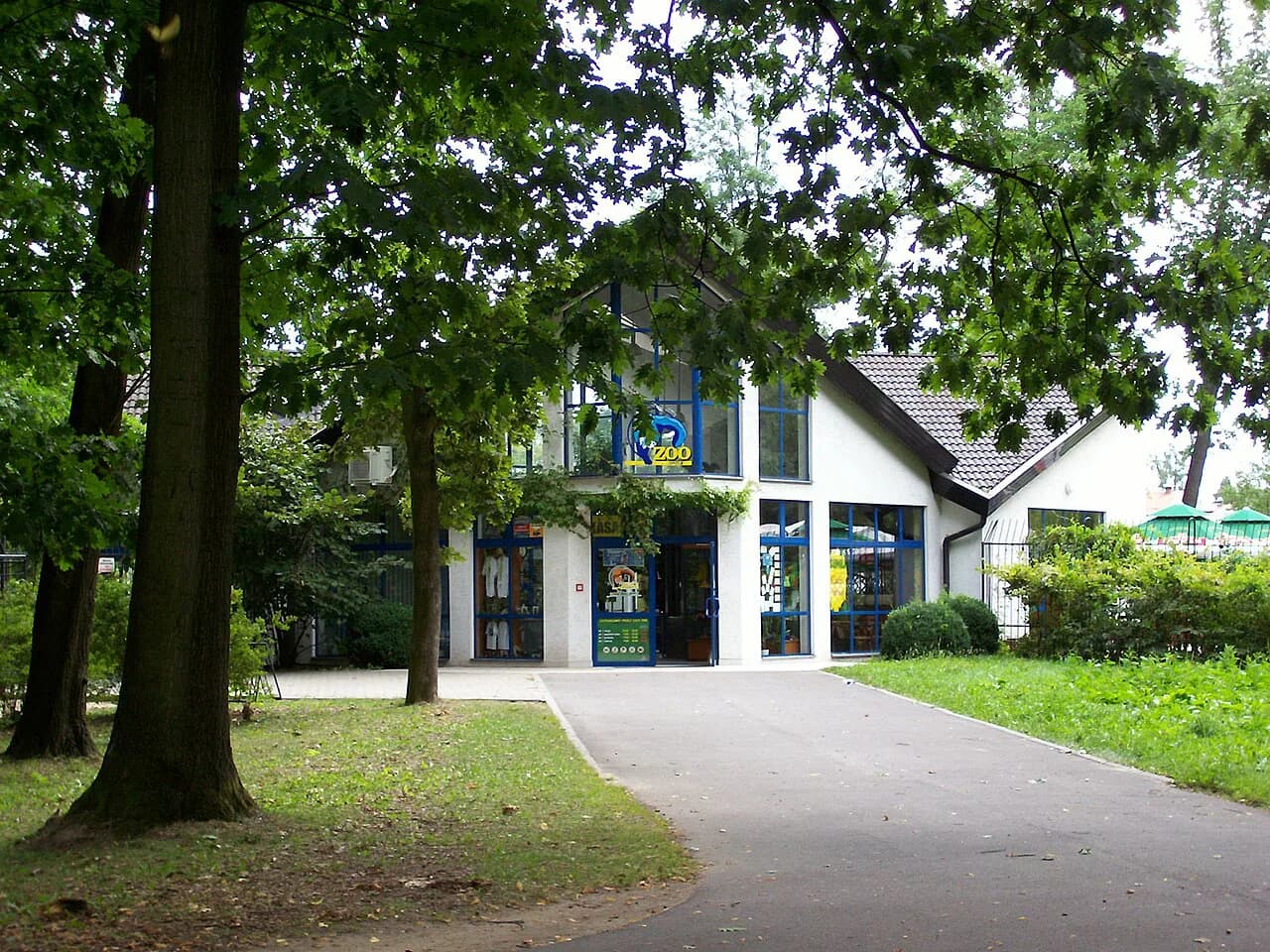
- Opole Zoo and Aquarium (Ogród Zoologiczny)
- An aquarium wing adds an indoor stop next to the outdoor animal enclosures, extending what used to be a purely outdoor visit.
- The zoo sits near Bolko Island, and the Opole Zoo Guide: 2026 Tickets, Exhibits, and Bolko Island Tips breaks down the enclosures, the aquarium, and a suggested route.
- Check the zoo's official site for current hours and whether the aquarium needs a separate ticket, since exact policy wasn't confirmed at review time.
- Museum of Polish Song (Muzeum Polskiej Piosenki)
- Housed inside the Millennium Amphitheatre complex, the museum tracks Polish song history through interactive exhibits rather than static display cases.
- It sits next to the amphitheater that hosts the National Polish Song Festival each June, so a stop here doubles as context for the festival grounds.
- Interactive stations let visitors explore recordings and memorabilia tied to Polish pop and folk history instead of reading wall text alone.
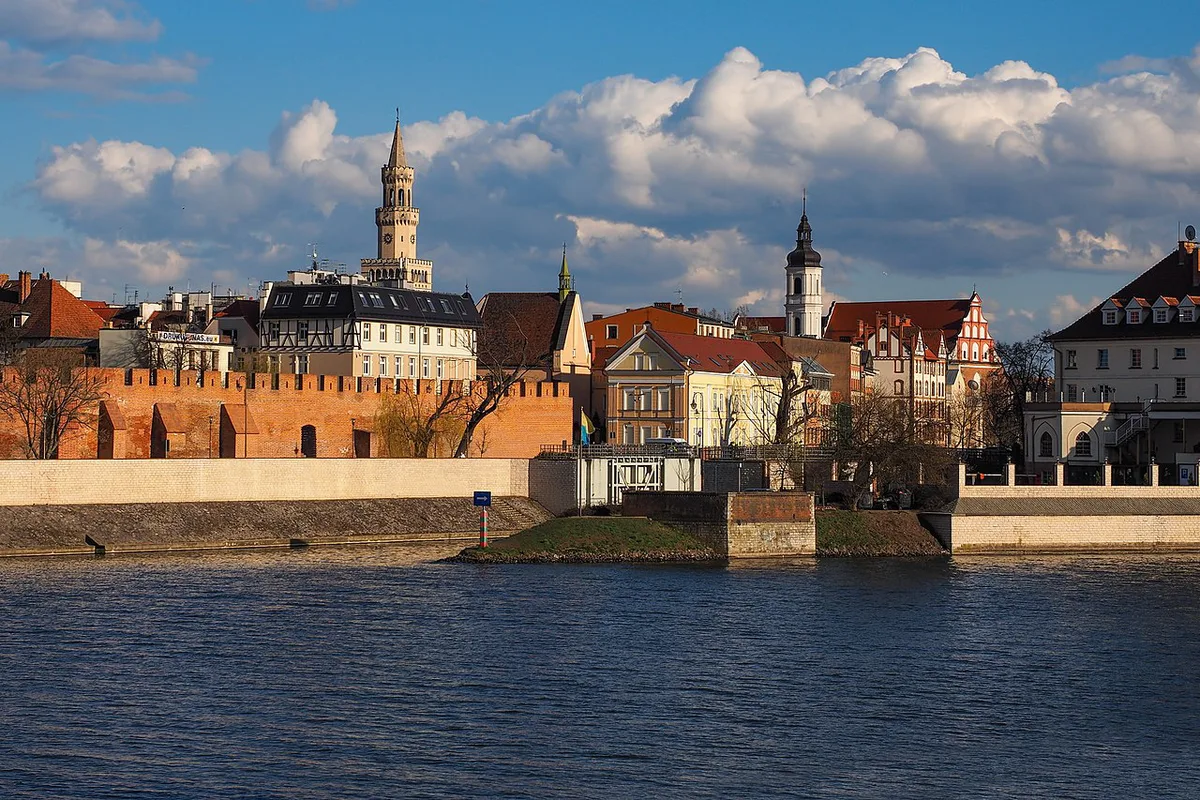
- Młynówka Canal, the Venice of Poland
- Młynówka Canal loops around the Old Town and gives Opole its Venice of Poland nickname, with footbridges linking both banks.
- Green Bridge draws the most photos among the canal crossings. Visit after dark once the canal-side lighting turns on for the sharpest reflections.
- A full loop along the canal path takes under an hour at a walking pace.
- Market Square (Rynek) and Town Hall (Ratusz)
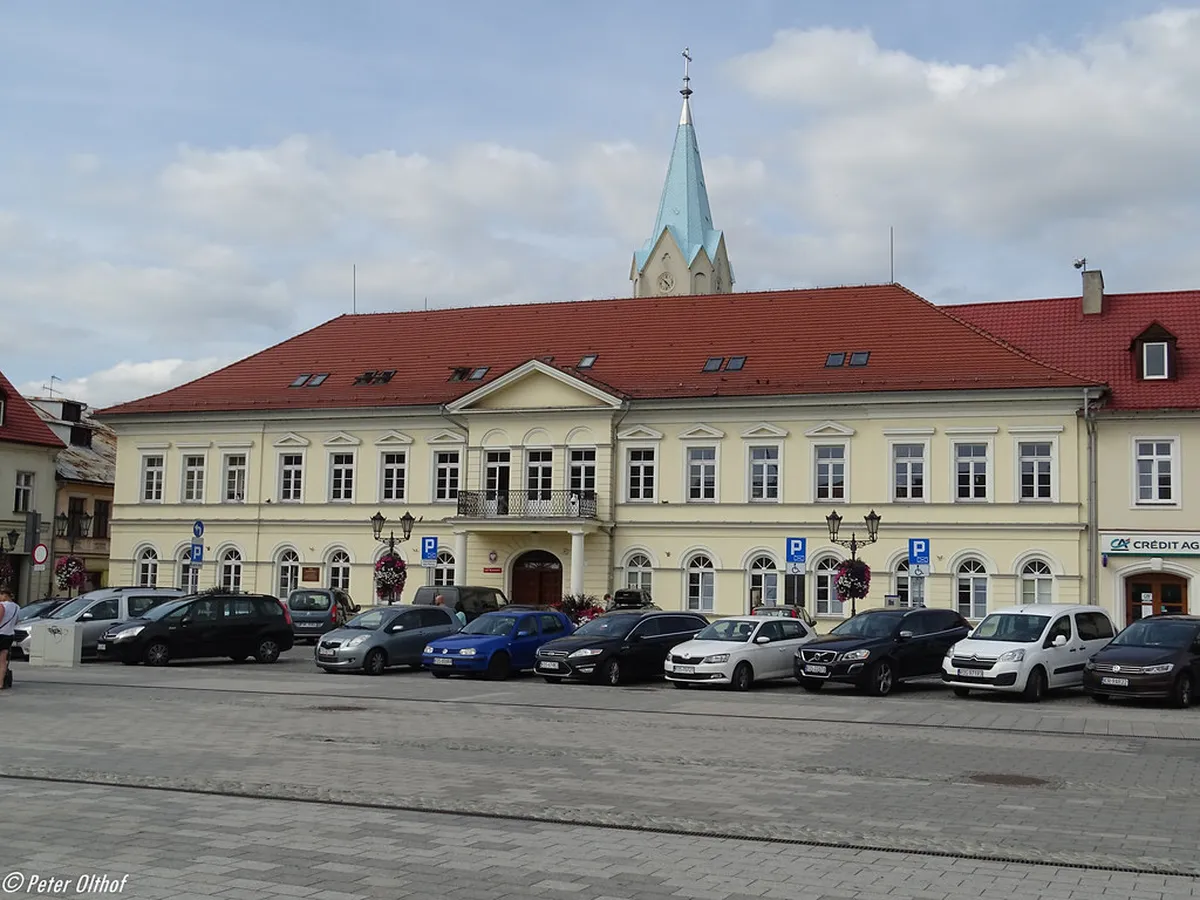
- Pastel facades, cafes, and the Ratusz line Opole's Rynek; the town hall takes its styling from Florence's Palazzo Vecchio.
- Rynek connects directly to the Młynówka Canal footpaths, so pair the two stops on one walk.
- Cafes ring the square, making it a natural rest stop between the cathedral and the canal.
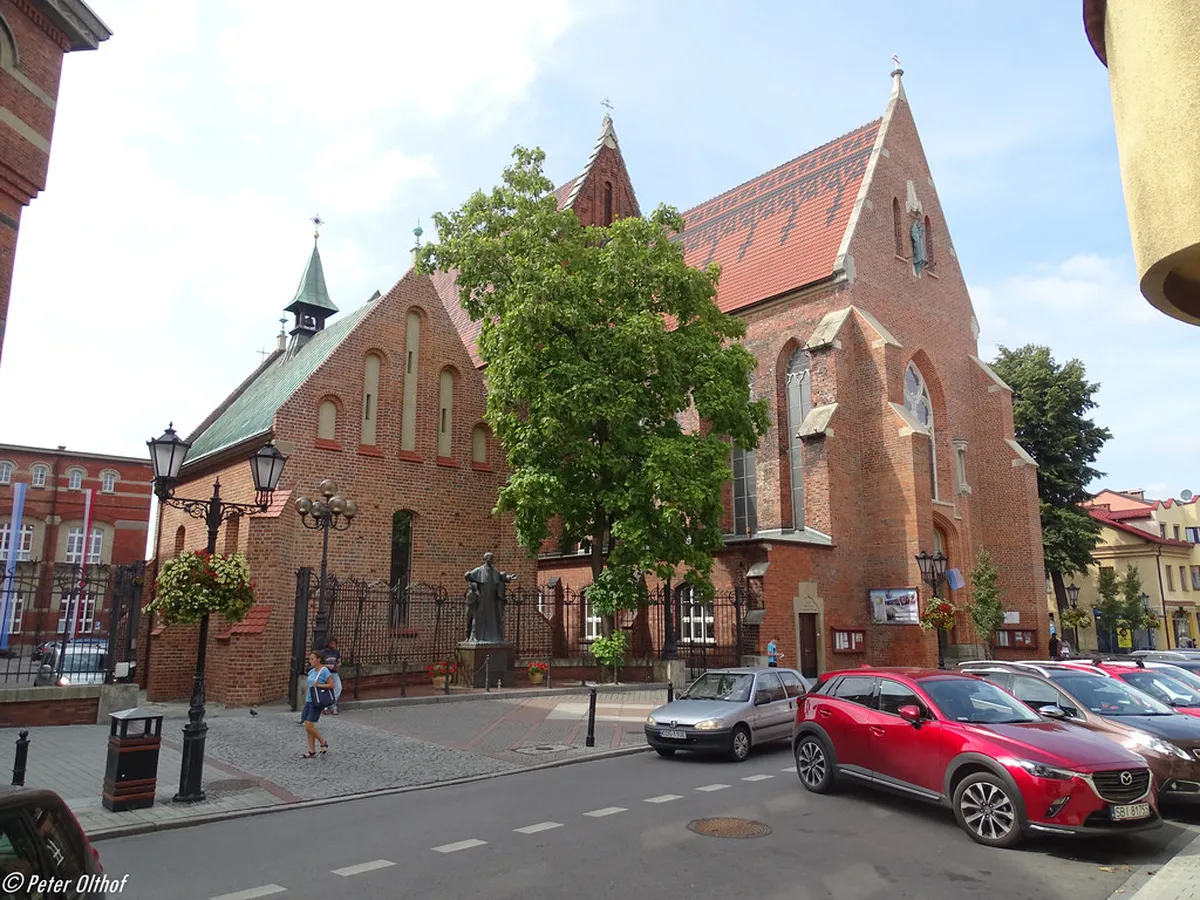
- Cathedral of the Holy Cross
- Also called Opole Cathedral, the current building dates to the 15th century on a site rebuilt several times since the 11th century.
- Its towers reach 240 feet (73 meters), the tallest structure in Opole's center.
- It stays visible from most nearby streets, a handy landmark for orientation inside the Old Town.
- University Hill (Wzgórze Uniwersyteckie)
- University Hill holds the Four Seasons sculptures, a Baroque set carved by Silesian sculptor Henryk Hartmann and restored after wartime damage.
- St. Adalbert's Well sits behind the university buildings, tied to a local legend about the missionary bishop.
- Artists' Square nearby honors musicians and writers connected to the city's song festival history.
- Bolko Island and Oder Park
- Bolko Island sits along the Oder River and connects to Oder Park's paths, a break from the Old Town's stone streets.
- Its riverside setting pairs naturally with a zoo visit, since both sit along the same stretch of the river.
- Paths here suit an easy walk or a rest between sightseeing stops without leaving the city center.
- Polish Song Walk of Fame
- Star plaques mark performers tied to the National Polish Song Festival, a stretch built up over 20 years.
- It runs near the Rynek, so pair it with the market square stop instead of a separate trip.
- Combine the walk with a coffee stop at one of the square's cafes, since the plaques sit along the same streets.
- Opole Puppet Theatre
- Opole Puppet Theatre runs a regular children's program and hosts its own festival dedicated to puppet theater.
- It works as a rainy-day option for a family break and sits close enough to the Old Town to fold into a walking route.
- Check the current program before visiting, since puppet theater schedules shift by season.
Why Choose Opole Over Wrocław or Kraków
Opole trades big-city scale for something more compact. It's the capital of Poland's smallest voivodeship, or province. Its roots go back to the 8th century, making it one of the country's older cities. Most of what you see in the Old Town today was rebuilt after heavy damage in the Second World War. Rule over the city changed hands several times across its history, passing through Polish, Bohemian, Prussian, and German control before returning to Poland in 1945. Today ethnic Germans make up less than 3 percent of the population, a legacy of postwar population movements. Beyond the ten stops above, a handful of smaller landmarks fill out the picture. Opole Philharmonic is named after Józef Elsner, a composer who taught Fryderyk Chopin. Near Freedom Park stands the Monument to the Fighters for Polishness of Opole Silesia, a 49-foot (15-meter) Nike figure. On Daszyńskiego Square, an Art Nouveau fountain from 1907 carries a statue of Ceres, the harvest goddess, at its top. Upper Castle's Gothic tower, dating to the 14th century, is the last visible remnant of Opole's medieval defensive walls. Wrocław and Kraków draw larger crowds and longer sightseeing lists. Opole's Old Town, canal loop, and main sights fit into a single walkable day. Weekend travelers from Warsaw and Wrocław increasingly add it as a shorter, less-crowded stop.
The 194 miles (312 kilometers) from Warsaw are covered by direct train, and once there, Opole's walkable core encompasses the main sights in a single day—making it an efficient addition to a larger Poland route.
How Much Time to Spend in Opole: 4, 8, or 24 Hours
Opole works as a quick stopover or a full overnight stay. Match the itinerary to the hours actually available using the table below. Each tier builds on the one before it, so an 8-hour visit still includes the 4-hour picks. An overnight stay makes room for an evening canal walk once the Młynówka's lights come on, a detail most single-day visitors miss.
| Time Available | Best For | Priority Stops |
|---|---|---|
| 4 hours | A stopover between trains | Market Square, Cathedral of the Holy Cross, a Młynówka Canal walk |
| 8 hours (full day) | First-time visitors | Add the Museum of Polish Song, University Hill, and the Piast Tower observation deck |
| 24 hours (overnight) | Families and music-history fans | Add Opole Zoo and Aquarium (allow 3-4 hours), Bolko Island, and an evening canal walk after the lights come on |
Festival Season: When the National Polish Song Festival Changes the City
The National Polish Song Festival, known locally as the KFPP, takes over the Millennium Amphitheatre each June and draws the year's largest crowds. Hotel rooms near the Old Town book out fastest during festival week. Reserve months ahead if a June trip is the plan. Opole runs a fuller festival calendar beyond June, with each event drawing a different, generally smaller crowd than the KFPP. A dedicated Festival Trail links the Walk of Fame, the amphitheater, and the Museum of Polish Song for visitors who want the full music-history route in one walk.
| Festival | When | What to Expect |
|---|---|---|
| National Polish Song Festival (KFPP) | June | The year's largest crowds; book Old Town rooms months ahead |
| Opole Puppet Theatre Festival | Check current dates | Family-oriented, smaller crowds |
| Opole Photography Festival (OFF) | Check current dates | Gallery and exhibition focus |
| Opole Songwriters Festival | Check current dates | Music-focused, moderate turnout |
| Opole Literary Autumn | Autumn | Literary events, lighter crowds than June |
Which Route Fits You: Festival, Family, or History and Romance
Opole's official tourist trails include dedicated festival, family, and history-and-romance routes. Combine them with the ten stops above using the groupings below.
The Cathedral of the Holy Cross reaches 240 feet (73 meters), making it Opole's tallest central structure. It serves as the opening landmark for the historic route, creating a natural starting point through the Old Town.
- Festival Trail (Music Lovers)
- Start at the Museum of Polish Song inside the Millennium Amphitheatre, then walk the Polish Song Walk of Fame near the Rynek.
- Finish at University Hill's Artists' Square, where sculpture portraits honor performers and writers tied to the festival history.
- Time this route around the National Polish Song Festival in June for the fullest atmosphere. Outside festival week, expect a quieter walk through the same stops.
- Family City Break
- Anchor the day around Opole Zoo and its aquarium wing, budgeting three to four hours before moving on.
- Follow with Bolko Island and Oder Park for open space and a break from museum-paced walking.
- Opole Puppet Theatre works as a backup stop if the weather turns.
- Historic and Romantic Route
- This route follows the official 'Opole then and now' framing.
- Start at the Cathedral of the Holy Cross, then continue to the Market Square and Town Hall, and on to University Hill for the Four Seasons sculptures and St. Adalbert's Well.
- End at the Młynówka Canal after dark, when the Green Bridge and canal-side lighting give the clearest Venice of Poland view.
Getting To and Around Opole
Opole sits 194 miles (312 kilometers) from Warsaw, reachable by direct train in just under three hours. Trains from Wrocław and Kraków also stop at Opole Główne, the main station a short walk from the Old Town. The current station building dates to 1899, rebuilt in a mix of Neo-Gothic, Neo-Renaissance, and Neo-classical styles, with underground platform access added in 1926. Once in the center, the Old Town, Pasieka, and Bolko Island stay walkable enough that a car adds little beyond parking hassle. Local bus routes cover the outskirts, though most visitors sticking to downtown won't need them. Train tickets are available at station kiosks or through PKP Intercity's online booking. Opole's Nowa aplikacja turystyczna (new tourism app) and an audio guide cover self-guided routes. Check the current language options before relying on the audio guide, since English support wasn't confirmed at review time.
Where to Eat and Sleep in Opole
Exact pricing for Opole's restaurants and hotels isn't published in one place worth quoting here. The categories below help narrow the choice instead. Check each property's official listing for current 2026 rates, since festival-week pricing runs higher than the rest of the year.
- Old Town Charm
- Restauracja Starka and Laba sit inside or near the Rynek, within walking distance of the canal.
- Guesthouses such as Szara Willa and Niezapominajka put you inside the Old Town's walkable core, typically for less than a chain hotel's rate.
- Both sit close enough to the Rynek that transit isn't needed for dinner or the walk home.
- Modern Comfort
- Tulsi and Kofeina lean toward contemporary menus a few streets back from the square.
- The Mercure hotel and Hotel DeSilva offer standard chain amenities and sit further from the canal than the Old Town guesthouses.
- Both work well if a predictable chain stay matters more than a canal view.
Day Trip Beyond Opole: Góra Świętej Anny
Góra Świętej Anny, St. Anne's Mountain, makes a straightforward add-on once the city center is covered. The Góra Świętej Anny day trip guide covers transport options and what to see on arrival. Pair it with the last day of a trip when staying overnight, rather than passing through Opole in a single afternoon.
Mistakes to Avoid in Opole
A few small planning errors show up often enough to flag before the trip.
- Underestimating the zoo
- Opole Zoo and its aquarium wing need at least three to four hours to see properly, more with kids along.
- Treating it as a quick one-hour stop tends to push the rest of the day's schedule late.
- Visiting during festival week without a booking
- Old Town hotels fill up months before the National Polish Song Festival in June.
- Book well ahead if festival-week dates overlap with the trip.
- Skipping the canal after dark
- Młynówka Canal's Venice of Poland reputation depends partly on its evening lighting.
- A daytime-only visit misses the view that gives the nickname its point.
- Packing too much into a half-day
- The Old Town, University Hill, and the canal loop alone fill roughly half a day at a comfortable pace.
- Add the zoo or a day trip beyond the city, and a single overnight stops being enough time.
Best Młynówka Canal Photo Spots and Green Bridge Access
For the classic Opole Venice view, head to Most Groszowy, the green pedestrian bridge over the Młynówka Canal. It connects ul. Mozarta beside the Old Town with ul. Piastowska on Pasieka Island. From Rynek, follow ul. Krakowska south, then turn toward ul. Mozarta. The walk takes about ten minutes at an easy pace.
The bridge frames the canal-side façades and provides an unobstructed position above the water. After crossing, explore both banks before continuing north toward Zamkowy Bridge and the Piast Tower. This short route reveals several angles without repeating the full canal loop.
- Use Most Groszowy for diagonal views along the canal and illuminated buildings.
- Walk toward Zamkowy Bridge for a wider perspective near the canal’s northern end.
- Arrive around sunset, then remain through blue hour as the waterfront lights appear.
A calm evening usually produces clearer reflections than midday. Keep the pedestrian bridge clear while photographing, since it remains a well-used crossing between the Old Town and Pasieka.
For trip-planning details, see Poland - Wikivoyage and Poland - Wikipedia.
Explore things to do in other cities
- Zamosc's things to do
- Sopot's things to do
- Szczecin's things to do
- Lublin's things to do
- Gdynia's things to do
- Bydgoszcz's things to do
- Lodz's things to do
- Katowice's things to do
- Poznan's things to do
- Wroclaw's things to do
- Wroclaw's things to do
- Warsaw's things to do
- Warsaw's things to do
- Zakopane's things to do
- Krakow's things to do
- Gdansk's things to do
- Gdansk's things to do
- Malbork's things to do
- Kielce's things to do
- Olsztyn's things to do
- Bialystok's things to do
- Rzeszow's things to do
- Torun's things to do
- Krakow's things to do
- Czestochowa's things to do
Frequently Asked Questions
How many days do you need in Opole?
A single day covers the Old Town, the canal, and one or two major sights. An overnight stay adds room for the zoo, Bolko Island, and a day trip to Góra Świętej Anny.
Is Opole worth visiting instead of Wrocław?
Opole works well as a slower, more walkable add-on to Wrocław rather than a straight replacement. Its compact Old Town and canal-side core are easy to cover on foot in a single day.
When is the National Polish Song Festival in Opole?
The festival, known as the KFPP, runs each June at the Millennium Amphitheatre and draws the city's largest crowds of the year. Book accommodation months in advance if the trip falls during festival week.
How do you get to Opole from Warsaw?
Opole sits 194 miles (312 kilometers) from Warsaw, reachable by direct train in just under three hours. Trains from Wrocław and Kraków also stop at Opole Główne, the main station near the Old Town.
Is the Opole Zoo worth the extra time?
Yes, the aquarium wing adds an indoor stop alongside the outdoor animal enclosures. Plan on three to four hours to see both sections without rushing.
What's the best time of year to visit Opole?
Outside the National Polish Song Festival in June, Opole sees lighter crowds and easier hotel availability. If the festival atmosphere is the draw, plan around the KFPP in June and book Old Town rooms early instead.
Do you need a car in Opole?
A car isn't necessary for the Old Town, canal, and most main sights, since they sit within walking distance of each other. A car mainly adds parking hassle inside the compact center.
Explore More Opole Guides
Keep planning your Opole trip with these guides.
Opole Guides
You might also like


Continue reading
More guides you'll find useful