
12 Best Things to Do in Zamość, Poland
Last updated July 2026, this guide covers the best things to do in Zamość, Poland's walled Renaissance old town near the Ukrainian border. Architect Bernardo Morando built the entire center from scratch in 1580 for founder Jan Zamoyski, and UNESCO listed it in 1992 as a rare 'ideal city' plan. Below, find 12 sights ranked by priority, the human-body logic behind the layout, and logistics for a day trip or overnight stay from Lublin or Warsaw.
Understanding Zamość's 'Ideal City' Layout
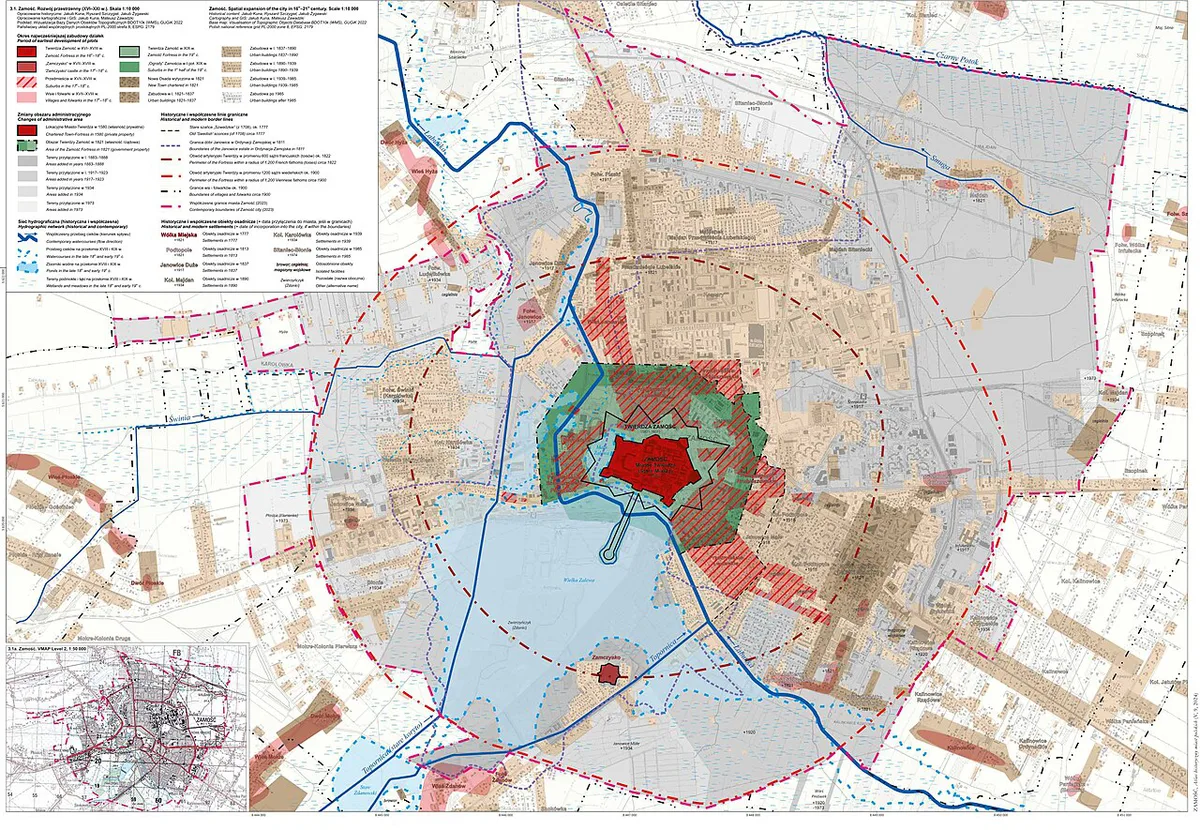
Jan Zamoyski founded Zamość in 1580 as a private trading town. He served as chancellor and hetman of the Polish–Lithuanian Commonwealth at the time. Zamoyski hired Italian architect Bernardo Morando to design the town from nothing, following Renaissance theories of the 'ideal city.' UNESCO inscribed the Old Town in 1992, citing it as a rare Renaissance plan built to one consistent design rather than one that grew over centuries. Morando's layout maps onto a human body, and the pattern changes how you read the streets once you notice it.
Morando's 1580 plan took until 1630 to build out fully—the cathedral's interior alone continued through decades of decoration. This extended construction timeline allowed the unified design to persist across five decades.
- The Head: Zamoyski Palace
- The founder's residence anchors one end of the plan, at the western edge of the Old Town.
- The Spine: Grodzka Street
- Grodzka Street runs the full length of the Old Town, linking the palace to the eastern Lwowska Gate.
- The Heart: Town Hall and Great Market Square
- The square and Town Hall sit at the center, where Grodzka Street meets the Rynek Wielki.
- The Lungs: Cathedral and Zamość Academy
- The cathedral and the Academy building flank the square, representing the town's spiritual and intellectual life.
- The Limbs: Bastions and City Walls
- Seven bastions and 2.5km (about 1.6 miles) of walls ring the perimeter, the defensive arms and legs of Morando's design.
12 Best Things to Do in Zamość, Poland
These 12 stops cover the Old Town's UNESCO core, plus two sites just beyond the walls. Work through them roughly in this order for an efficient loop on foot.
- Great Market Square (Rynek Wielki)
- The square measures 100m by 100m (328 ft by 328 ft), framed by Renaissance townhouses with vaulted arcades on all four sides.
- Restaurants and cafes operate under the arcades, making it a natural stop for a meal between sights.
- For a deeper look at the square's architecture and the houses that ring it, see the Old Town architecture guide.
- Town Hall (Ratusz) and Its Asymmetrical Stairway
- A fan-shaped double stairway, added in the 18th century, leads up to the entrance and a view across the square.
- A 52m (171 ft) tower rises above the square and anchors the Old Town skyline.
- Look closely at the facade: the left side sits 130cm (about 51 in) wider than the right, a deliberate asymmetry most visitors miss.
- The Armenian Houses and Zamość Museum
- Ormiańska Street's most photographed row sits beside the Town Hall, each house painted a different color with its own decorated facade.
- An Armenian merchant built the house known as 'Under the Angel' between 1632 and 1634.
- Three of the houses now hold the Zamość Museum, with exhibits on the city's history, ethnography, and archaeology.
- Cathedral of the Resurrection and St. Thomas the Apostle
- Morando designed the cathedral, built between 1587 and 1598, though interior decoration continued until 1630.
- Zamoyski family crypts lie beneath the nave, and a silver Rococo tabernacle ranks among the more elaborate in Poland.
- A 47m (154 ft) bell tower stands beside the cathedral with a viewing balcony partway up; check current opening hours before planning around it, since access can be seasonal.
- Zamość Rotunda Memorial
- Built between 1825 and 1831 as a defensive structure, the Rotunda became a Gestapo prison during World War II.
- Estimates put the number of prisoners executed here at around 8,000; the site now functions as a memorial and museum.
- It sits a 5-minute walk south of the city walls, outside the main Old Town loop, so it's easy to miss by accident.
- The Renaissance Synagogue
- Built in 1610, the synagogue anchored what was once Zamość's Jewish quarter, north and east of the square.
- It survived World War II, though Nazi forces used the building as a workshop and stables rather than a house of worship.
- It now houses a museum on the history of Zamość's Jewish community; renovation work has affected access in the past, so confirm current opening status before visiting.
- Bastion No. 7 and the Underground Tourist Route
- Bastion No. 7 was the largest of the fortress's seven bastions, with rooftop views over the eastern part of town.
- The Underground Tourist Route runs through firing galleries, casemates, and the retrenchment beneath the bastion.
- A cannon-firing demonstration is associated with the bastion; confirm the current schedule locally, since timing changes seasonally.
- Walk the City Walls and Historic Gates
- The fortifications run 2.5km (about 1.6 miles) around the Old Town, with bastions and gate remnants surviving despite Alexander II's 1866 order to dismantle the stronghold.
- Old Lubelska Gate has stood walled since 1604, just north of the Zamoyski Palace.
- Old Lwowska Gate, designed by Morando, marked the main entrance from the east along Grodzka Street.
- Zamoyski Palace (Exterior)
- Built between 1579 and 1586 to Morando's design, the palace served as the Zamoyski family residence until 1809.
- Administrative and court offices occupy it today, so the interior is closed; view it from Grodzka Street instead.
- Monument to Jan Zamoyski
- A 10m (33 ft) bronze monument to the city's founder stands in front of the palace, designed by Marian Konieczny.
- It was unveiled on 17 September 2005, 400 years after Zamoyski's death.
- The Zamość Academy Building
- Zamość Academy's building represents one of the plan's 'lungs,' paired with the cathedral in Morando's design.
- It reflects Zamoyski's ambition to give his planned city its own center of learning alongside its defenses and trade.
- Melex Golf-Cart Tour of the Old Town
- Old Town streets are compact enough to walk, but melex golf carts operate for visitors who prefer a guided loop without the legwork.
- A cart tour is a practical option for shorter visits or for covering the walls and bastions on a hot afternoon.
How Much Time to Plan for Zamość
Zamość sits in the Lubelskie region of eastern Poland, close enough to the border that Lviv, Ukraine is only 130km (about 81 miles) away. That proximity explains its historic role on the trade route to the Black Sea. Zamość itself is a mid-size city of around 65,000 residents, small enough to cover on foot. Most visitors arrive from Lublin or Warsaw; direct buses also run from Rzeszów for travelers coming from the south.
Four to six hours covers the Old Town's 12 sights above at a walking pace, including a meal under the arcades. Add an overnight stay if a Roztocze National Park day trip is part of the plan, since rushing both into one day leaves little time for either.
Walking the Old Town costs nothing. Paid admission applies only inside specific sights: the Zamość Museum galleries in the Armenian Houses, the cathedral bell tower, and the Bastion No. 7 underground route. Confirm each site's current rate and hours locally, since both shift by season.
| From | Distance | Typical Travel Time | How to Get There |
|---|---|---|---|
| Lublin | 90km (56 miles) | 1.5–2 hours | Bus or train |
| Warsaw | 260km (162 miles) | 3–4 hours | Direct bus |
When to Visit and Where to Eat in Zamość
Summer brings performances and outdoor events to the Great Market Square, along with longer restaurant hours under the arcades. Winter empties the square of crowds and leaves a quiet, snow-covered version of the same streets, better suited to photography than to lingering outdoors.
Restaurants and cafes operate from inside the square's vaulted arcades, several serving Roztocze regional dishes, including local versions of pierogi. Options include Figa z Makiem Bistro in the square and Kawa na Ławę at the corner of Grodzka Street for coffee between sights.
Mistakes to Avoid in Zamość
A few planning missteps come up often enough to flag before you go.
- Expecting to go inside Zamoyski Palace
- Interior access stays closed; administrative and court offices occupy the building today.
- Plan to view it from Grodzka Street rather than budgeting time for an indoor tour.
- Skipping the Rotunda because it sits outside the walls
- Rotunda sits a 5-minute walk south of the fortifications, past the main Old Town loop.
- It holds one of the city's most significant WWII memorial sites, and it is worth the short detour.
- Not checking bell tower or bastion hours first
- Access to the cathedral bell tower and the Bastion No. 7 cannon demonstration can be seasonal or weather-dependent.
- Confirm current hours locally before building a route around either one.
Beyond the Walls: A Roztocze National Park Day Trip
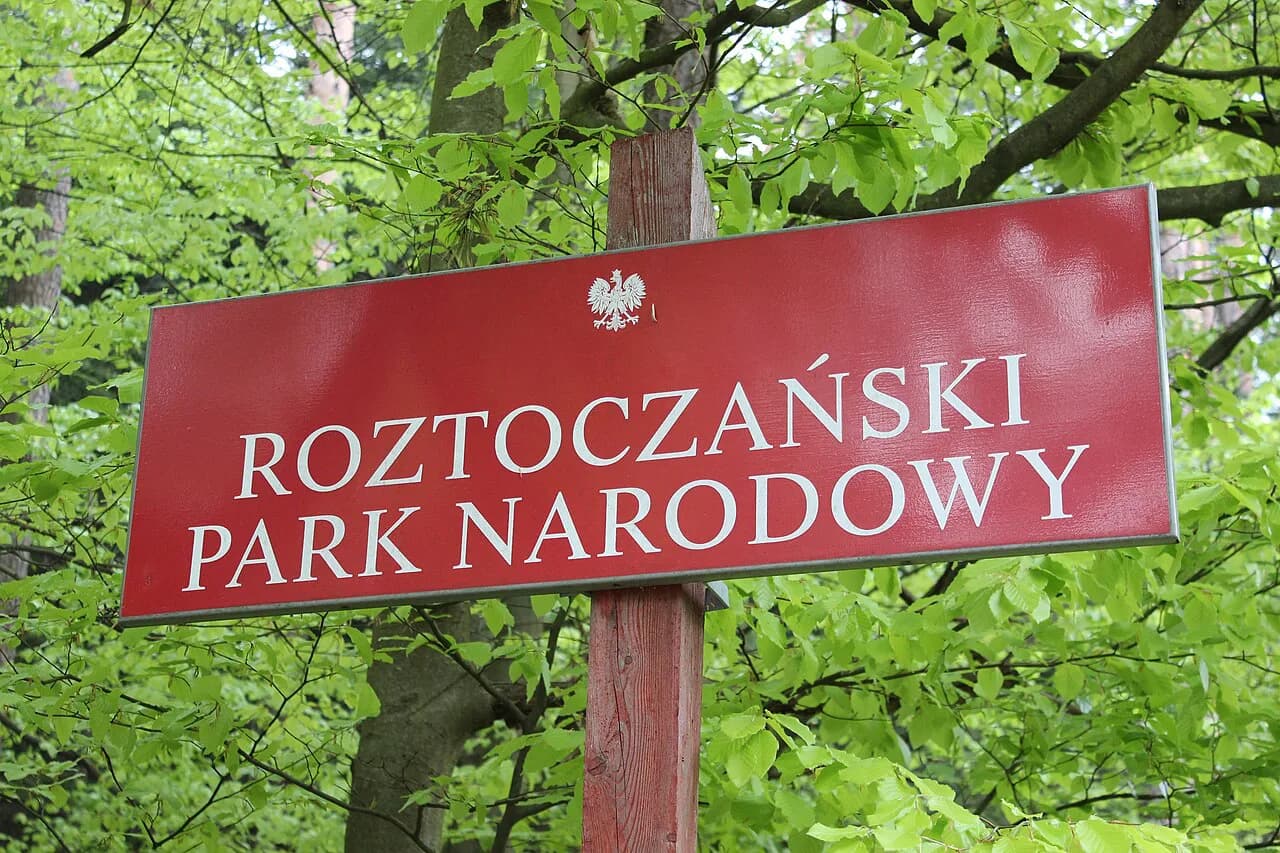
Roztocze National Park sits close enough to Zamość to fold into a longer visit. Its forest trails and rolling hills contrast with the Old Town's Renaissance streets. For routes and timing, see the Roztocze day trip guide. Pair it with an overnight stay in Zamość rather than rushing both the park and the Old Town into one day.
For trip-planning details, see Poland - Wikivoyage and Poland - Wikipedia.
Explore things to do in other cities
Frequently Asked Questions
Is one day enough to see Zamość?
Four to six hours covers the Old Town's main sights at a walking pace, including the Great Market Square, Town Hall, and Armenian Houses. Add extra time, or an overnight stay, if a Roztocze National Park side trip is part of the plan.
How do you get to Zamość from Warsaw or Lublin?
Lublin sits 90km (56 miles) away, roughly 1.5 to 2 hours by bus or train. Warsaw is 260km (162 miles) away, about 3 to 4 hours by direct bus.
What does 'ideal city' mean in Zamość's UNESCO listing?
UNESCO inscribed the Old Town in 1992 as a Renaissance town built to a single, unified plan rather than one that grew organically. Architect Bernardo Morando designed the whole layout for founder Jan Zamoyski in 1580, following Italian theories of the perfect city.
Can you go inside Zamoyski Palace?
No. Administrative and court offices now occupy the palace, so its interior stays closed to the public. Visitors view it from the outside on Grodzka Street instead.
Is the cathedral bell tower open to visitors?
Bell tower access has varied seasonally, so check current opening times locally before visiting. When open, the 47m (154 ft) tower's viewing balcony gives a view over the Old Town and the surrounding walls.
Explore More Zamość Guides
Keep planning your Zamość trip with these guides.
Zamość Guides
You might also like

Continue reading
More guides you'll find useful