
Zamość Old Town: A Guide to Poland's Renaissance 'Ideal City'
Last updated July 2026, this zamosc old town guide covers Poland's clearest example of a Renaissance new-town UNESCO site. Magnate Jan Zamoyski and Italian architect Bernardo Morando planned the district in the 1580s as a working 'ideal city.' Its arcaded facades, three linked market squares, and hexagonal street plan still follow that original layout, without the crowds of Kraków's main square.
Why Zamość Old Town Is Poland's Renaissance 'Ideal City'
Zamość Old Town is Poland's clearest example of a Renaissance 'ideal city,' a plan built from open ground rather than layered onto an existing settlement. Jan Zamoyski was the Great Chancellor of the Crown and one of the wealthiest magnates in the Polish-Lithuanian Commonwealth. He was educated in France and Italy, and financed the project after rising through major political roles. He hired Italian architect Bernardo Morando to design and oversee construction, and the two worked from an agreement concluded in Lwów on 1 July 1578. Zamoyski issued the town's founding privilege on 10 April 1580, and construction ran through 1591. Morando split the district into two zones: the Zamoyski Palace and family residence to the west, and the town itself to the east, developed around three trade squares. Zamoyski placed the new town deliberately on a trade route linking western and northern Europe with the Black Sea. From the outset, it functioned as a trade-based economic center, not only a residence. Renaissance design theory of the period treated a planned town like a human body, with the palace serving as its head and the cathedral as its heart. Zamoyski also recruited a deliberately multinational population, including Armenians, Jews, Greeks, Germans, Italians, Scots, and Hungarians alongside Poles. He granted religious tolerance, and each community kept its own district and place of worship. As compensation for his work, Zamoyski made Morando the town's first mayor. Morando later married a woman named Katarzyna, and he was buried in the cathedral he designed, in 1600. UNESCO inscribed the Old City of Zamość in 1992 under Criterion (iv), citing it as an outstanding example of a late-16th-century Renaissance planned town that retains its original layout and fortifications. The protected core, locally called Osiedle Stare Miasto, covers about 75 hectares. A buffer zone of roughly 215 hectares surrounds it, and it stays distinct from the larger modern city around it. Poland separately listed the district as a national Historic Monument in 1994. Zamość avoided major damage in both world wars, so the streets, arcades, and squares you walk today follow Morando's original 16th-century plan rather than a postwar reconstruction.
Key Landmarks Inside the Zamość Old Town Walls
Six landmarks anchor most visits to Zamość Old Town, and each sits inside the same walled core. Tenement houses lining the Grand Market Square were built as two-storey structures topped with an attic and a decorative parapet, while buildings farther from the square were lower and plainer. Their arcades were functional, not just decorative. They sheltered residents from summer sun and winter snow. The same arcades now shelter café tables and market stalls. Together, these buildings reflect the multinational community Zamoyski recruited on purpose, from Armenian and Jewish merchants to Italian, German, and Scottish settlers.
- Grand Market Square (Rynek Wielki): City Hall's clock tower rises 52 meters over six storeys, fronted by a fan-shaped staircase that has become the square's signature image.
- Armenian Houses (Kamienice Ormiańskie): merchant townhouses on the square carry decorated facades from the Armenian trading community, including the houses known as Under the Angel and Wilczek.
- Zamość Cathedral (Collegiate Church): built between 1587 and 1598, it served as a coronation site for the town's lords and became a mausoleum for the Zamoyski family, including founder Jan Zamoyski.
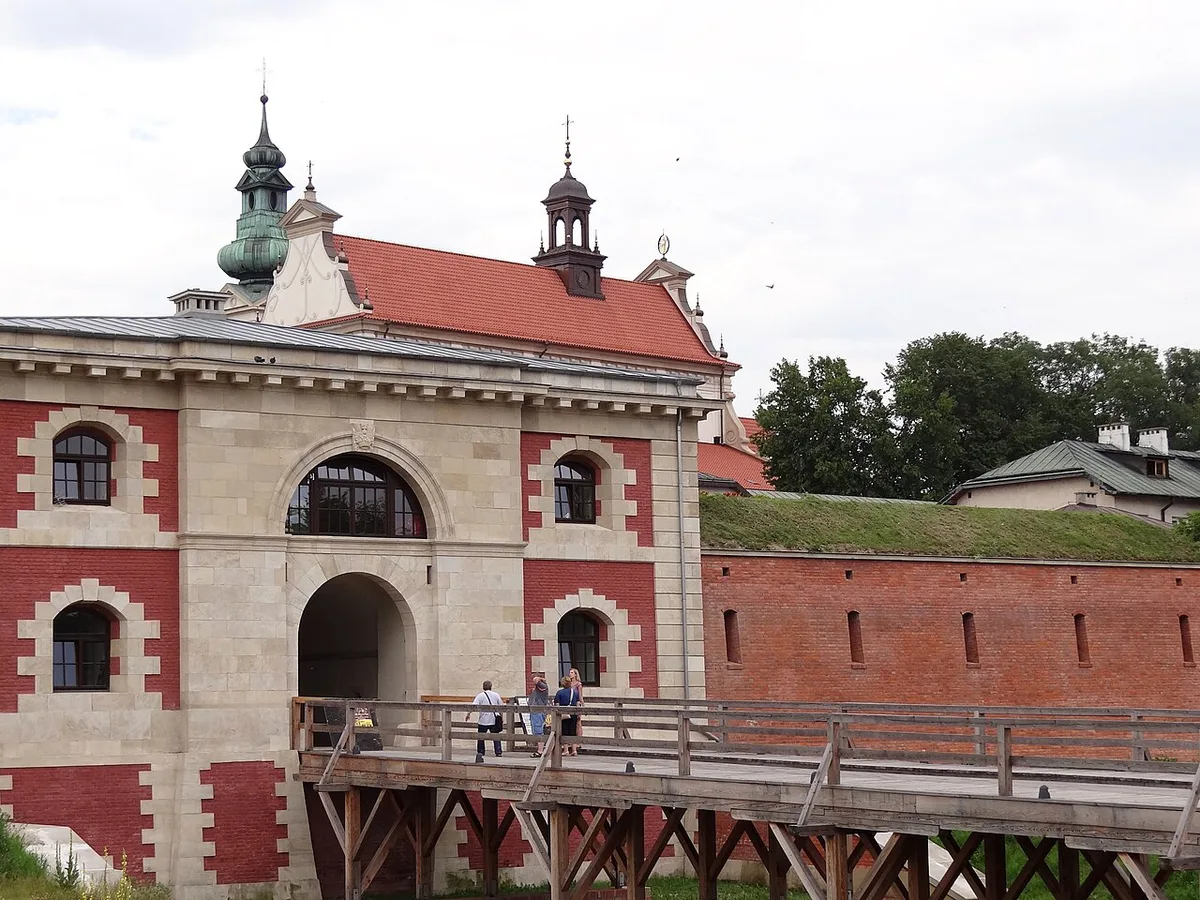
- Zamość Fortress and Arsenal: Morando began the bastion fortifications in 1585. They turned back forces loyal to Bohdan Chmielnicki in 1648. In 1656, during the Swedish invasion known as the Deluge, Zamość held out when most other Polish cities, including Kraków, capitulated. During the 1830 November Uprising, Zamość was the last fortress in the region to surrender. The fortress was decommissioned in 1866 and partly dismantled, though the arsenal and key bastions remain standing.
- Zamoyski Academy: founded in 1594, it was the third institution of higher education in the Polish-Lithuanian Commonwealth, after Kraków and Vilnius. Its building still stands in the Old Town.
- Zamość Synagogue: built for the town's historic Jewish community, it sits within the Old Town walls alongside these landmarks.
Navigating the Three Market Squares
Morando's plan organized the eastern town around three connected squares, each with a distinct historic role in the town's original trade-based design. Walking all three squares in sequence, starting at the Grand Market Square, shows how Morando zoned the town by function instead of letting it grow at random.
| Square | Historic Role | What You See Today |
|---|---|---|
| Grand Market Square (Rynek Wielki) | Administrative and social center of the town | City Hall, the Armenian Houses, and most of the arcaded cafes |
| Salt Market (Rynek Solny) | Historic salt trade, with salt hauled in from the Wieliczka mines | A quieter square with smaller shops and stalls |
| Water Market (Rynek Wodny) | Residential and monastic quarter | Calmer streets, away from the main visitor flow |
Getting to Zamość and Timing Your Old Town Visit
Zamość sits in Lublin Voivodeship, in southeastern Poland. Regular bus service connects it with both Lublin and Warsaw. Check current timetables and fares before you travel, since routes and operators change. A half-day covers the Grand Market Square, the Armenian houses, the Cathedral, and the City Hall tower at a walking pace. Add a full day if you also want to enter any of the sights below, since each charges separate admission and keeps its own hours. Confirm current hours and ticket prices for each of these directly with the official Zamość tourism office at zamosc.pl before you go. Regional Polish towns generally sit below Kraków's headline ticket prices. Individual Zamość admission fees tend to land on the lower end too, though confirm the exact amount for each sight on the day. For sights beyond the walled core, including the zoo and additional museums, see the full guide to Zamość's museums and zoo.
Built strategically on a trade route linking western and northern Europe to the Black Sea, Zamość is now just 90 minutes from Lublin, explaining why this historic Renaissance town remains accessible as a practical day-trip destination.
- Museum of Zamość: exhibits on the town's history and design, housed in Old Town buildings.
- City Hall tower: a climb up the six-storey tower for a view over the Grand Market Square.
- Zamość Cathedral crypts: the underground burial spaces beneath the Collegiate Church.
- Underground fortress tourist route: basements and passages beneath the Old Town; access has opened and closed at different points, so confirm current status before planning around it.
Where to Stay, Eat, and Budget Inside the Walls
Staying within the Old Town walls puts you inside the arcaded galleries once day-trip crowds leave, when the Grand Market Square empties out for the evening. Arcaded galleries lining Rynek Wielki hold most of the sit-down cafes and restaurants. Walking under the arcades is the simplest way to compare menus without leaving the square. Guesthouses and small hotels inside the walls typically occupy converted 16th- and 17th-century townhouses, which often means narrow stairwells and no elevators. Staying just outside the walls, in the modern town, usually costs less and still keeps the Old Town within walking distance. Compare current room rates for in-wall guesthouses against options in the surrounding modern city before booking, since the premium for staying inside the walls varies by season.
| Category | Lower-cost approach | More comfortable approach |
|---|---|---|
| Lodging | Guesthouse just outside the walls | Converted townhouse hotel inside the walls |
| Food | Bakery and market stalls near Rynek Solny | A sit-down table under the Rynek Wielki arcades |
| Sights | Walk the squares and exteriors, which costs nothing | Add the Museum of Zamość, the City Hall tower, and the underground fortress route, each with separate admission |
Mistakes to Avoid and Who Should Skip Zamość
Zamość's Old Town quiets down early in the evening. If a lively bar scene after dark is the priority, plan Zamość as a day visit rather than a base for nightlife, and treat the lit-up evening square as the main event instead. Cobblestone streets and squares make wheeled luggage and strollers slow going, especially around the Grand Market Square and connecting lanes. The same cobblestones continue across the Salt Market and Water Market squares, so the challenge isn't limited to the main square. Most historic tenement buildings, including many guesthouses and the City Hall tower's staircase, have no elevator, so climbing stairs is part of visiting them. Confirm ground-floor room availability and ask specific venues about step-free access before booking if mobility is a concern. Skipping the underground fortress tourist route is a common mistake, since the basements beneath the Old Town show a different view of the defenses than the street-level walls do. Confirm current opening days and ticket availability for the underground route before you visit, since access has changed at different points. Travelers weighing Zamość against other historic Polish towns, such as Sandomierz or Kazimierz Dolny, face one core distinction. Zamość was designed and built in one sustained Renaissance building campaign, not layered up over centuries like most historic town centers. Choose Zamość over those alternatives if architectural coherence and quieter squares matter more to you than a livelier evening scene.
Zamość Fortress withstood major sieges in 1648, 1656, and 1830, yet the underground fortress route—revealing passages beneath these historic defenses—is commonly skipped by visitors despite its historical significance.
Beyond the Old Town: Roztocze National Park and the Wider City
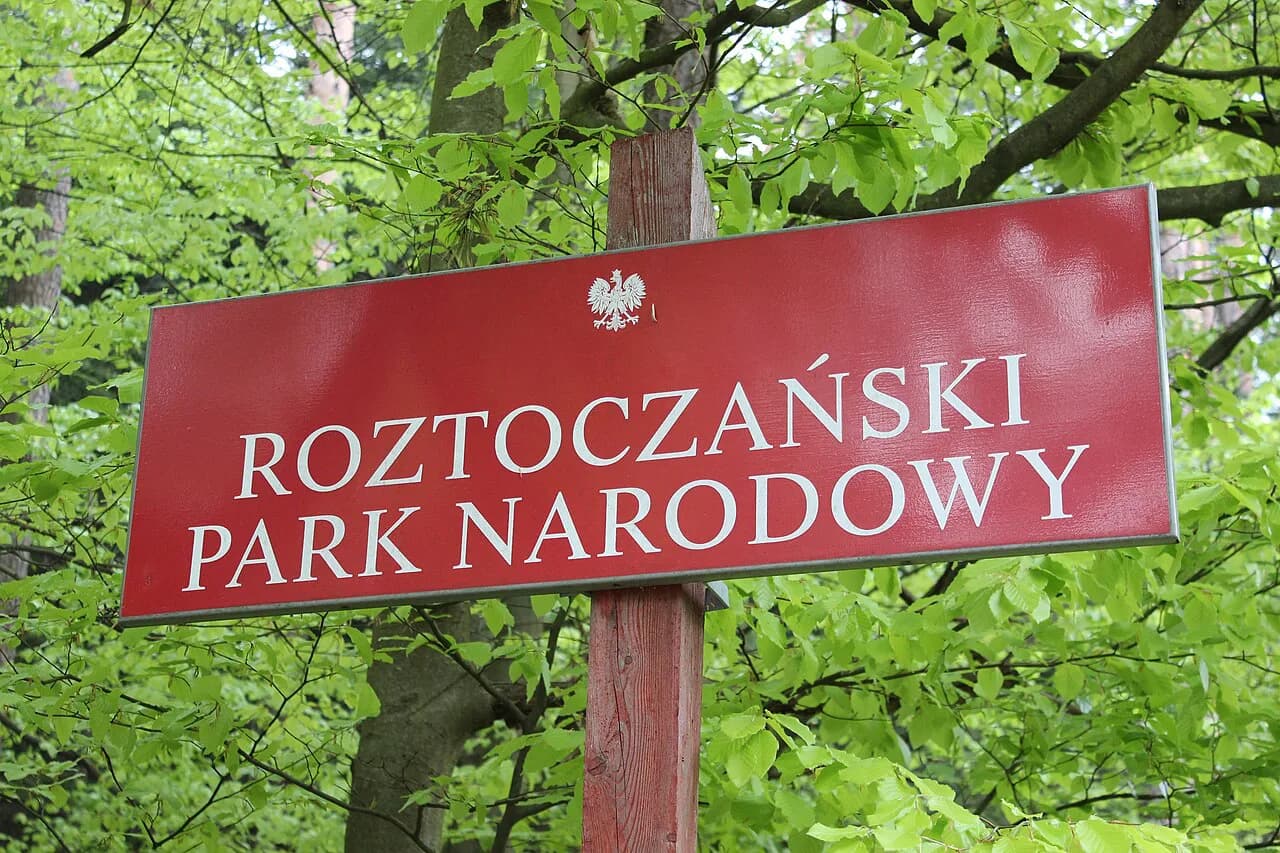
Zamość's Old Town sits inside a larger modern city, and most travelers pair the historic core with at least one regional stop. Roztocze National Park lies within reach of Zamość and suits travelers extending their stay by a day for hiking and forest landscapes beyond the Old Town's architecture. Combining the Old Town with a Roztocze day trip spreads the travel cost of reaching this part of Lublin Voivodeship across a longer stay rather than a single afternoon. Pair the two if you have more than a day in the region. Stick to the walled core alone if a single focused day is all your itinerary allows. Both the walled Old Town and the surrounding region reward a slower pace than a rushed afternoon.
Travel Times from Lublin and Warsaw
Zamość is about 90 kilometres southeast of Lublin and roughly 260 kilometres from Warsaw by road. Lublin is the practical gateway for most visitors using public transport.
A direct drive from Lublin usually takes around 90 minutes. Buses commonly need closer to two hours, depending on stops and traffic. From Warsaw, allow about four hours by car. Public transport often takes longer and may require a change in Lublin.
Zamość has more than one railway stop, so check the arrival point before booking. Zamość Starówka is the most convenient station for the historic centre. It lies within walking distance of the fortifications and Rynek Wielki. The main Zamość station is farther south.
For a day trip from Lublin, choose an early departure and confirm the final return service before leaving. From Warsaw, an overnight stay is more comfortable than spending most of the day in transit.
Further reading: Zamość on Wikivoyage · Zamość on Wikipedia
Frequently Asked Questions
What does 'ideal city' mean for Zamość Old Town?
It refers to a Renaissance design theory that treated town planning as a complete system rather than an accumulation of streets over time. Zamoyski and Morando applied it directly. The result is the hexagonal layout, three linked squares, and defensive walls you can still trace on foot today.
How much time should you plan for Zamość Old Town?
A half-day covers the Grand Market Square, Armenian houses, Cathedral, and City Hall tower at a walking pace. Add extra time, up to a full day, if you want to enter the Museum of Zamość, climb the tower, or take the underground fortress route.
How do you get to Zamość from Lublin or Warsaw?
Zamość sits in Lublin Voivodeship in southeastern Poland, connected to both cities mainly by bus. Check current timetables and fares before you travel, since routes and operators change.
Is Zamość Old Town worth visiting if you want nightlife?
Not primarily. The Old Town quiets down in the evening, and its appeal is architectural and historical rather than a late bar scene. Visit for the squares and buildings, and treat any evening plans as secondary.
Are the Zamość Old Town streets accessible for strollers or wheelchairs?
Cobblestones cover most of the historic core, and many tenement buildings, including guesthouses, have no elevators. If mobility is a concern, confirm step-free access with specific venues before booking, and expect slower going on the main squares.
What's the best starting point for a Zamość Old Town walk?
Start at the Grand Market Square, since City Hall and the Armenian houses sit right on it. From there, the Cathedral and the Salt and Water Market squares are all a short walk away within the walls.
Does Zamość Old Town charge an entry fee?
Walking the squares and streets is free, since the Old Town is a living district, not a fenced site. Individual attractions, such as the Museum of Zamość, the City Hall tower, the Cathedral's crypts, and the underground fortress route, charge separate admission. Confirm current prices at zamosc.pl.
You might also like

Continue reading
More guides you'll find useful