Roztocze National Park: The Ultimate Guide from Zamość
Last updated July 2026, this guide covers Roztocze National Park as a day trip from Zamość, Poland. The park protects 84.83 km² (32.75 sq mi) of fir and beech forest, including a reserve for Polish Konik horses and the steep Bukowa Góra trail. Zwierzyniec, the park's gateway town, sits about 19 miles (30 km) south of Zamość's Old Town, making this a solid half-day or full-day trip.
Roztocze National Park at a Glance
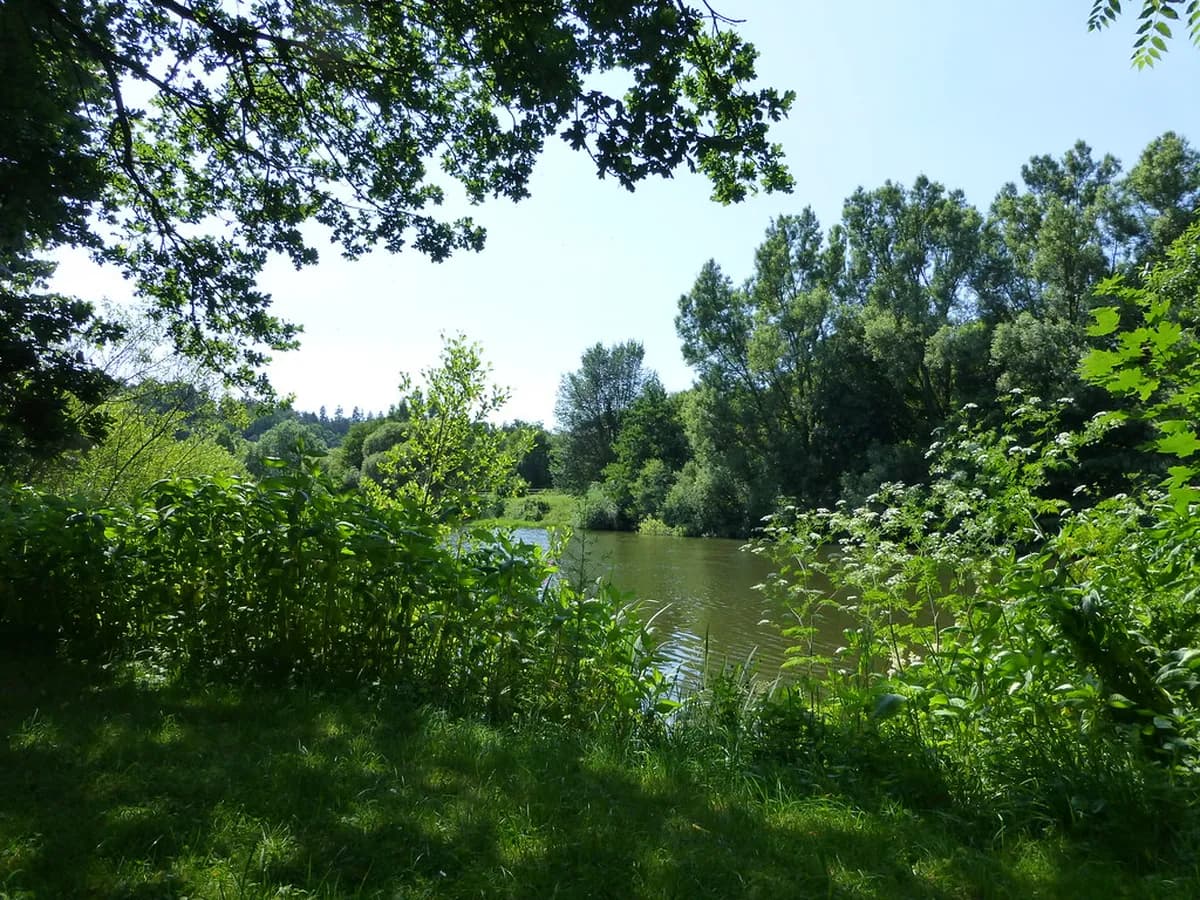
Roztocze National Park sits in the Lublin Voivodeship of southeastern Poland, within the Roztocze Środkowe region south of Zamość. The park protects the most valuable natural areas along the upper Wieprz river valley, at the boundary between the Lublin Upland and the Sandomierz Dale. Park headquarters sit in Zwierzyniec, inside the restored house that once served as the Zamoyski estate's administrator building. Today the park covers 84.83 km² (32.75 sq mi). Forest covers 81.02 km² (31.3 sq mi) of that total, and 8.06 km² (3.1 sq mi) falls under strict protection. Limestone ridges and gentle slopes shape much of the terrain, with the Wieprz River cutting through the landscape.
The park's strictly protected zones today cover 8.06 km² (3.1 sq mi), expanding significantly from the original 489 acres (198 hectares) designated for Bukowa Góra in 1934.
- Established: 1974
- Total area: 84.83 km² (32.75 sq mi)
- Forest cover: 81.02 km² (31.3 sq mi)
- Strict protection zones: 8.06 km² (3.1 sq mi), including Bukowa Góra
- Region: Roztocze Środkowe, Lublin Voivodeship
- Headquarters: Zwierzyniec
A Brief History: From Zamoyski Estate to National Park
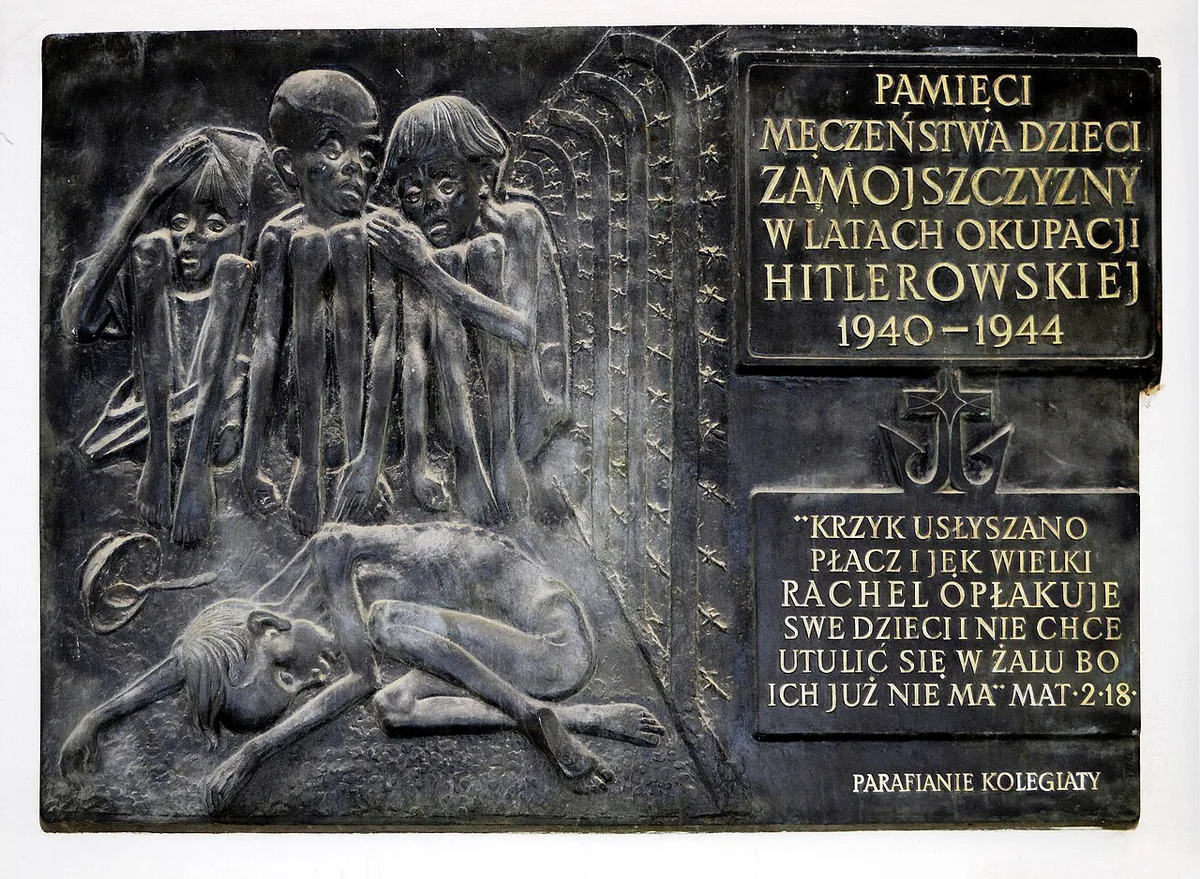
Zamoyski family estate roots trace to 1589, when its headquarters stood at Zwierzyniec. In 1934, the family set aside the Bukowa Góra Preserve, the area's first formal nature protection. Four years later, in 1938, a Zamoyski estate bill protected birds of prey on the land, reportedly the first law of its kind in Poland. Fighting during the Polish January Uprising and both World Wars also touched the region. Cemeteries in Zwierzyniec and nearby villages still mark that history. Poland created Roztocze National Park in 1974 from state forest in the Kosobudy and Zwierzyniec districts. This land had belonged to the Zamoyski estate. Its original footprint covered about 18.5 sq mi (48.01 km²) before later expansion to its current 32.75 sq mi (84.83 km²).
Getting from Zamość to Roztocze National Park
Zwierzyniec, the park's main gateway, sits about 19 miles (30 km) south of Zamość via DK74 and DW858. Driving takes roughly 30 minutes outside of local traffic. Local bus and train connections also link Zamość and Zwierzyniec, though they run less often than a private car. Anyone with a rental car can reach every trailhead in the park within a short drive of Zwierzyniec.
Zwierzyniec: The Park's Gateway Hub
Zwierzyniec doubles as the administrative and visitor-services center for Roztocze National Park. Plenipotentiary Palace, at Plażowa 2, houses the Park Administration Office inside the former Zamoyski estate's administrator building. Education and Museum Centre, at Plażowa 3, covers the park's plant and animal life in detail. On the edge of town, St. John of Nepomuk, known locally as the Church on the Water, stands over a pond and marks the visual gateway into the forest beyond. Zwierzyniec sits close enough to pair with a stop at Zamość Old Town earlier the same day. Last entry to the museum's permanent exhibition is 4pm in summer and 2pm in winter, so arrive with enough time before closing. Roztocze Education and Science Centre operates by prior arrangement outside its Monday-Friday hours, coordinated through the Tourist Information Centre.
| Site | Summer Hours (Apr 1 - Oct 31) | Winter Hours (Nov 1 - Mar 31) |
|---|---|---|
| Park Administration Office (Plenipotentiary Palace) | Mon-Fri 7:15am-3:15pm | Mon-Fri 7:15am-3:15pm |
| Education and Museum Centre | 9am-5pm, closed Mondays | 9am-3pm, closed Sun and Mon |
| Tourist Information Centre | 8:30am-4:30pm (tickets to 4pm) | 8:30am-3pm (tickets to 2:30pm) |
| Roztocze Education and Science Centre | Mon-Fri 7:15am-3:15pm | Mon-Fri 7:15am-3:15pm |
Where to See the Polish Konik Horses
Polish Konik horses descend from the tarpan, Europe's extinct wild forest horse. One of Poland's first zoos, on Zamoyski estate land, kept some of the last captured tarpans around the turn of the 18th and 19th centuries. Economic pressures led to the tarpans' dispersal to local peasants around 1806, where they crossbred into local horse stock. Professor Tadeusz Vetulani coined the name Polish Konik in 1925 while researching how to breed back toward the original tarpan type. Roztocze National Park brought Koniks back to the area in 1982 as part of a breed-conservation program. Horses live in a fenced reserve farm near Echo Ponds and in a stable farm established at Florianka in 1996. Konik horses also serve as the park's symbol, appearing on its official logo. Early morning is the most reliable time to spot Koniks near the Echo Ponds fence line, since the horses move into denser cover once day-trip traffic builds.
While Polish Koniks serve as the park's symbol, wildlife diversity far exceeds the horses: 190 recorded species of birds alone, plus red deer, wild boar, wolves, and over 2,000 insect species.
Hiking Bukowa Góra: The Park's Toughest Trail
Bukowa Góra is the park's oldest strict protection area, set aside in 1934 and folded into the park at its founding in 1974. A marked nature and education path starts at the Education and Museum Centre in Zwierzyniec and ends in the village of Sochy. Elevation gain runs about 262 ft (80 m), climbed mostly on a steep staircase of several hundred wooden steps. Seven educational stops along the route explain the forest habitats and species you pass. Entry to this path is paid, and groups larger than 10 people must hire a certified guide. Buy entrance cards at the Tourist Information Centre before setting out. Its boundaries grew from the original 1934 reserve to about 489 acres (198 hectares) by the end of World War II, before folding into the national park in 1974.
Echo Ponds and Canoeing the Wieprz River
Echo Ponds sit where forest, open water, and sand dunes meet, a mix that draws hikers and birdwatchers alike. Wieprz River water carries a second-class purity rating as it runs through the park's upper valley, forming the backbone of its wetlands. Canoeing routes follow the Wieprz through the park's buffer zone, giving paddlers a slower, water-level view of the same forest hikers see from the trails. Two smaller streams, the Szum (2.5 km / 1.6 miles) and the Świerszcz (7.5 km / 4.7 miles), also begin inside the park boundary. Proximity to the Konik reserve farm means a stop at Echo Ponds often combines wildlife viewing with a shoreline walk.
Wildlife Beyond the Koniks
Roztocze National Park protects far more than its horse-breeding program. Red deer, roe deer, wild boar, red fox, and European badger all live in the park's forests. Wolves also range through the area. More than 400 ancient trees stand as registered nature monuments, and some of the park's firs reach up to 164 ft (50 m), among the tallest in Poland. Some grow as thick as 15 ft (4.5 m) around the trunk. Beavers disappeared from the Wieprz valley and were reintroduced in 1979, and their dams now shape stretches of the river. Reptiles include adders, grass snakes, and the European pond turtle, a species now considered endangered. Birdlife runs past 190 recorded species, including eagles, storks, and woodpeckers. Insect diversity tops 2,000 species inside the park.
Choosing a Trail: Hiking vs Cycling vs Educational Paths
Roztocze National Park manages three separate trail networks, each suited to a different kind of visit. Hikers get 5 marked trails covering about 18 miles (29 km) inside the park boundary, part of a much longer 229-mile (369 km) regional network. Cyclists have 7 routes covering roughly 7.5 miles (12 km) inside the park, including a stretch of the Central Cycling Trail of Roztocze that continues well beyond park limits. Anyone who wants ecological detail over distance can pick from 12 educational paths totaling about 12 miles (20 km), each built around signed stops rather than mileage. Regionally, the cycling network extends about 373 miles (600 km) beyond the park's in-park stretch.
| Trail Type | Number of Trails | Distance Inside the Park |
|---|---|---|
| Walking | 5 | ~18 mi (29 km) |
| Cycling | 7 | ~7.5 mi (12 km) |
| Educational | 12 | ~12 mi (20 km) |
Half-Day vs Full-Day: Planning Your Visit
A half-day visit works well if the goal is Echo Ponds, the Konik reserve, and the Education and Museum Centre in Zwierzyniec. That combination fits into three to four hours, including the drive from Zamość. Full-day visits add the Bukowa Góra hike, which takes most visitors two to three hours round-trip once the drive and ticket line are factored in. Cyclists covering more of the Central Cycling Trail of Roztocze should plan for a full day, since the in-park stretch is only 7.5 miles (12 km) of a much longer regional route. Either version of the trip pairs naturally with a stop at Zamość's other top sights before or after the drive south.
When to Visit: Seasonal Trade-offs
Summer and fall bring the widest range of activities, from canoeing the Wieprz to walking the educational paths in full daylight until early evening. Winter turns the flatter forest trails into cross-country ski routes, and snow cover changes how the strict protection zones look and feel. Education and Museum Centre hours shrink in winter: 9am to 3pm, closed Sundays and Mondays. Outside winter, it runs 9am to 5pm and closes only on Mondays. Konik sightings near Echo Ponds happen year-round, but grazing activity is easiest to watch during the longer daylight of spring through fall. Anyone choosing between seasons should weigh canoeing and longer trail hours against the quieter, snow-covered version of the same forest.
Tickets, Hours, and Costs
Roztocze National Park charges no general entrance fee for its trail network, and the trails themselves stay open around the clock. Two specific experiences do require a paid ticket: the Bukowa Góra path and the permanent exhibition at the Education and Museum Centre. Official English-language materials do not list exact 2026 zloty prices for either ticket. Confirm current rates at the Tourist Information Centre in Zwierzyniec before you visit. Budget roughly what a regional museum admission costs elsewhere in Poland, since the museum ticket is the larger of the two paid items. Tourist Information Centre hours run shorter than the trails. It closes at 4:30pm in summer and 3pm in winter, so buy tickets before early afternoon in the off-season.
Visitor Tips and Rules to Know Before You Go
Marshy sections of the park carry real tick and mosquito activity in warmer months, so long sleeves and repellent are worth packing between spring and early fall. Strict protection areas like Bukowa Góra require staying on the marked path at all times. Wandering off-trail damages habitat the park was created to protect. Groups larger than 10 people need a certified guide on the Bukowa Góra path, so solo travelers and small families can move faster than a booked tour. Winter favors cross-country skiing across the flatter forest trails, while summer favors canoeing on the Wieprz and grazing-season Konik sightings at Echo Ponds. Early morning remains the best window to see the Koniks before day-trip traffic picks up.
Echo Ponds or Florianka: Choosing Where to See Koniks
Roztocze National Park keeps Polish Konik horses in two different settings. Choose between Echo Ponds and Florianka according to your schedule and preferred experience.
Echo Ponds is the easier option for a short visit from Zamość. A fenced reserve lies near the ponds, allowing visitors to combine horse watching with a shoreline walk. Arrive early, before crowds increase and the herd moves toward denser forest cover. Sightings are never guaranteed because the horses roam within the reserve.
Florianka offers more context about the park’s breeding program. The stable farm was established in 1996, supplementing the free-ranging reserve created near Echo Ponds. It suits visitors already exploring the park’s longer walking or cycling routes rather than those making a quick stop.
Neither location operates like a petting zoo. Keep outside fenced areas, avoid feeding the horses, and watch quietly from designated routes. For the best chance of a sighting, ask the Tourist Information Centre in Zwierzyniec about current herd locations before departing.
Frequently Asked Questions
Is there an entrance fee for Roztocze National Park?
Roztocze National Park does not charge a general entrance fee for its trail network. Paid tickets apply to the Bukowa Góra path and the exhibition at the Education and Museum Centre. Confirm current zloty prices at the Tourist Information Centre in Zwierzyniec before you visit.
How far is Roztocze National Park from Zamość?
Zwierzyniec, the park's main gateway, sits about 19 miles (30 km) south of Zamość. Driving via DK74 and DW858 takes roughly 30 minutes. Local bus and train options exist but run less often than a car.
What is the best time of day to see the Polish Konik horses?
Early morning is the most reliable window to see Koniks near Echo Ponds. Horses tend to move into denser forest cover once day-trip traffic builds later in the day.
Is the Bukowa Góra hike difficult?
Yes, Bukowa Góra is considered the park's toughest marked route. Elevation gain runs about 262 ft (80 m), climbed on a steep staircase of several hundred wooden steps. Groups over 10 people must bring a certified guide.
Can you cycle inside Roztocze National Park?
Yes, cyclists have 7 marked routes covering about 7.5 miles (12 km) inside the park boundary. One stretch connects to the longer Central Cycling Trail of Roztocze beyond the park.
What wildlife might you see besides the Konik horses?
Red deer, roe deer, wild boar, and European badgers are the most commonly seen mammals. Wolves and the European pond turtle also live in the park, though both stay harder to spot than the grazing Koniks.
You might also like


Continue reading
More guides you'll find useful