Best Time to Visit Opole: Weather, Festivals, and Seasonal Prices
Last updated August 2026. The best time to visit Opole depends on whether canal walks and warm weather matter more than the city's signature cultural event, the National Festival of Polish Song. Summer delivers the warmest days and the busiest calendar, while winter brings the lowest prices alongside a real air-quality trade-off worth planning around.
The Quick Answer: Best Time to Visit Opole
June is the best time to visit Opole for culture. The National Festival of Polish Song fills the Rynek with concerts and a red-carpet Walk of Fame. July and August bring the warmest weather, with highs near 24°C (75°F), ideal for canal walks along the Młynówka and afternoons on Bolko Island. Winter, from November through February, is the stretch to plan around carefully. Short daylight hours combine with regional smog that often ranks among the worst in Poland during those months. Indoor sightseeing suits that window better than a canal stroll. The Rynek's pastel-colored buildings and its Ratusz stay open for viewing year-round, and the Polish Song Walk of Fame sits along the square regardless of season. This guide focuses on seasonal timing. See the Opole attractions overview for the full sight list in any season.
Season Comparison: Weather, Crowds, and Prices in Opole
Opole's climate splits into four distinct windows, each suited to a different kind of trip. Summer (June-August) is the warmest stretch, with July highs around 24°C (75°F) and long evenings for outdoor dining along the Oder River. Winter (November-February) turns cold fast. January lows drop to about -3°C (27°F), and the season doubles as the city's smoggiest months. Spring (March-May) warms gradually toward daytime highs near 15°C (59°F), though April showers can turn a canal walk chilly without notice. Autumn (September-October) settles into mild, dry days around 17°C (63°F), the most reliable stretch for photographing the Młynówka Canal and the Green Bridge, Most Groszowy. River mist over the Oder on cool autumn mornings is another reason photographers favor September and October. Młynówka Canal's 1894 wrought-iron Green Bridge looks best without ice or leaf litter. Late spring through autumn is the reliable window for the canal reflections locals point to when they call Opole the Venice of Poland. Summer adds outdoor cafe seating along the water. Autumn adds color from the trees lining the banks. Outdoor patio seating typically appears in spring and disappears by late autumn, though exact dates shift with the weather each year.
| Season | Avg Temperature | Crowds | Prices | Best For |
|---|---|---|---|---|
| Summer (Jun-Aug) | 24°C (75°F) avg high | Peak | Highest | Festival of Polish Song, canal walks, Bolko Island |
| Autumn (Sep-Oct) | 17°C (63°F) avg high | Low | Moderate | Photography, Opole Zoo foliage, quiet Rynek |
| Winter (Nov-Feb) | -3°C (27°F) avg low | Lowest | Lowest | Indoor sightseeing, Christmas market (watch air quality) |
| Spring (Mar-May) | 15°C (59°F) avg high | Moderate | Moderate | Blooming parks, fewer crowds, changeable weather |
Key Events That Define Your Trip
The National Festival of Polish Song, Krajowy Festiwal Piosenki Polskiej, is Opole's defining annual event and usually takes place in June. Hotel rooms near the Rynek book out fastest during festival week, so reserve well ahead if the event is the reason for the trip. Expect denser crowds around the Rynek and the amphitheater area during festival week, along with extended evening programming compared with a typical summer week. Rynek's Walk of Fame, a row of stars honoring past performers, draws visitors even outside festival week. Outside festival week, the square carries a calmer rhythm, with the Walk of Fame's stars drawing steady but lighter foot traffic. Piastonalia, the city's student festival, adds a second burst of concerts and street events tied to the University of Opole's academic calendar. Exact dates shift year to year, so check current listings before building a trip around either event.
Festival week in June pushes accommodation past 300 zł near the Rynek, but direct trains reach Wrocław in about 1 hour, offering festival visitors a budget-conscious alternative to expensive Rynek hotels.
Seasonal Logistics: Costs and Getting to Opole
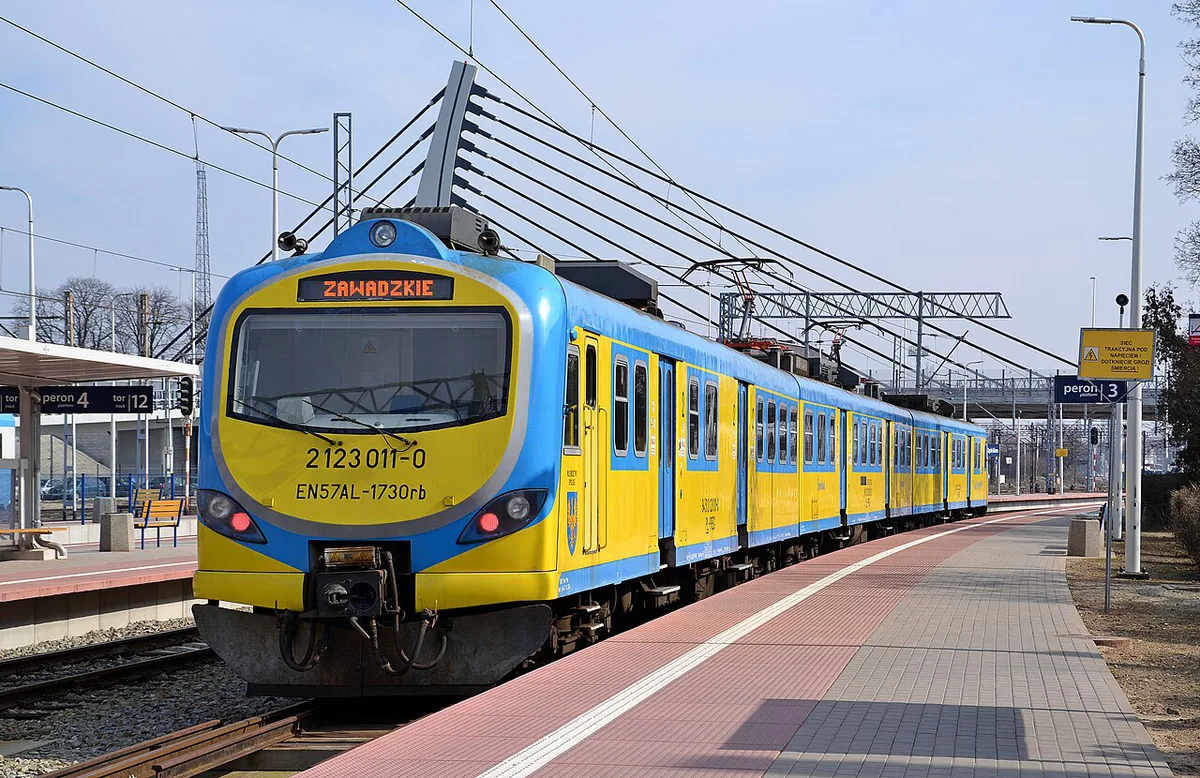
Opole stays accessible by rail throughout the year, so season affects comfort more than access. Its compact center is easy to cover on foot, and local buses reach the outskirts, an advantage whether the visit lands in August heat or January cold. Opole Główne's current building dates to 1899, with underground platform access added in 1926, and its brick facade mixes Neo-Gothic, Neo-Renaissance, and Neo-classical detailing worth a look before heading into the Old Town.
Accommodation and Dining by Season
Accommodation prices swing more than transportation does. Budget double rooms in Opole often run close to 150 zł a night during the January off-season. Comparable rooms can climb past 300 zł during festival week in June, when demand peaks near the Rynek. Booking a room via the Opole accommodation guide at least a month ahead is worth it for a June trip. Off-season travelers have more flexibility and can often book a room the week of arrival. Restaurant seating follows the same seasonal pattern. Outdoor patios along the Rynek and the Oder fill up in summer, while winter shifts the scene indoors. The Opole dining guide covers both patterns, including which spots keep patio seating open into early autumn.
Regional Day Trips by Season
Several regional sites reward a specific season more than others. Bolko Island's Piast Tower and the Museum of Opole Silesia work well any time of year, while a few farther-out stops depend heavily on weather and opening hours.
- Góra Świętej Anny: best in spring or summer, before the hilltop pilgrimage site turns windy and cold.
- Emperor Franz Josef Observation Tower: 18 meters (59 feet) high, the oldest observation tower in the Eastern Sudeten Mountains.
- Moszna Castle: guided tours run year-round, weekdays at 13:00, 14:00, 15:00, and 16:00, weekends from 11:00.
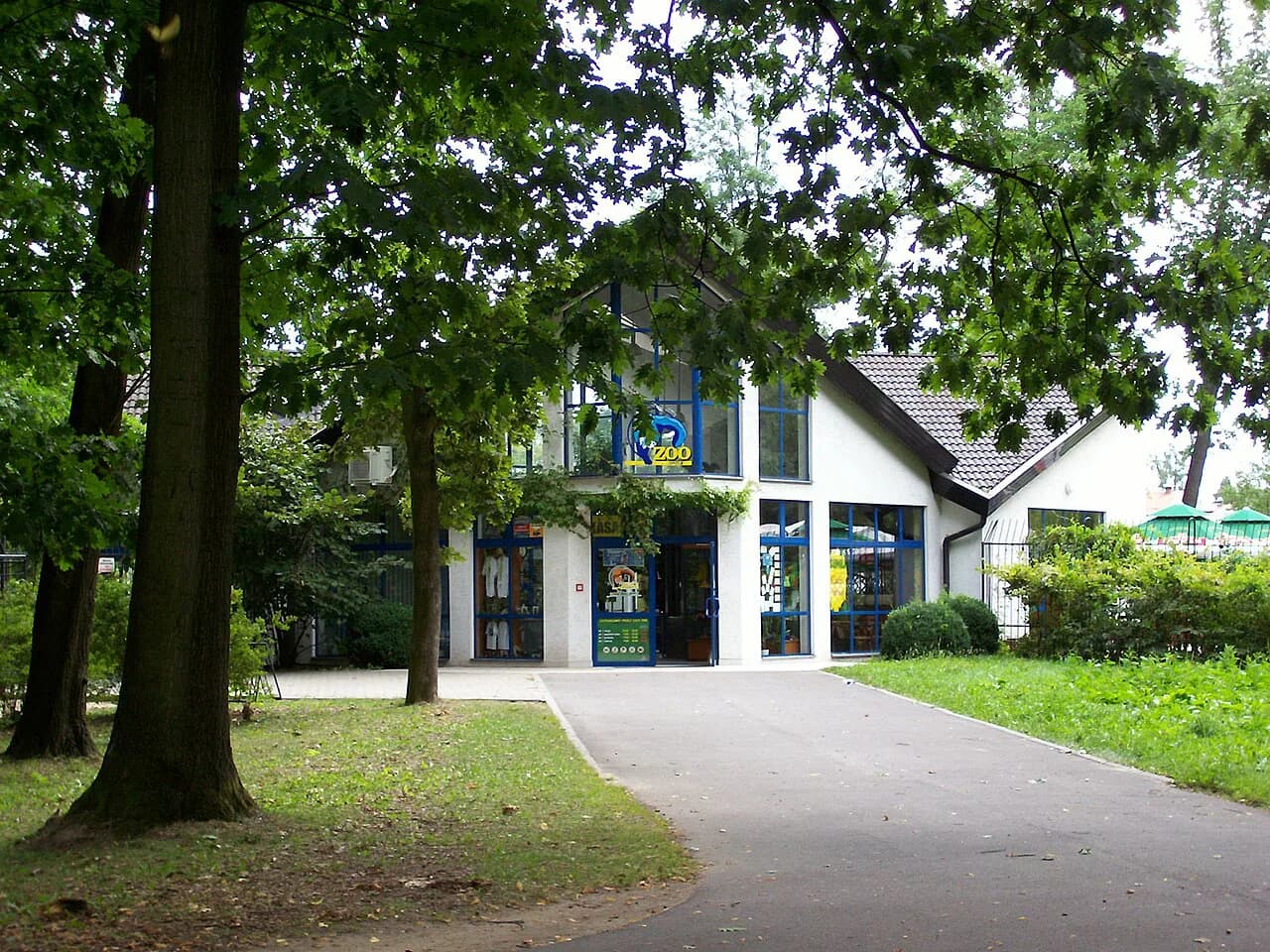
- Opole Zoo on Bolko Island: open year-round, with September and October foliage adding photo value.
- JuraPark Krasiejów and the Opole Open Air Museum's roughly 50 historic wooden buildings: both operate mainly in the warmer months, so spring through autumn suits either add-on better than a winter detour.
Wider Poland: Pairing Opole With a Longer Route
Opole also fits into a broader south-Poland route. Katowice adds an industrial-heritage contrast about the same distance as Wrocław. Częstochowa extends the trip toward the Jasna Góra pilgrimage route. Łódź works well as a stop between Opole and Warsaw on a slower, multi-city route. For travelers continuing on a longer circuit, Poznań adds a stop north of Opole. Toruń contributes a well-preserved medieval core further along that route. Gdańsk anchors the northern end of a longer Poland itinerary. Pairing a summer Góra Świętej Anny hike with an autumn zoo visit, for example, spreads a longer regional trip across more comfortable weather windows.
Mistakes to Avoid When Timing Your Visit
A few planning missteps show up often in visitor accounts of Opole. Most come down to checking a detail before departure rather than after arrival.
Budget double rooms cost close to 150 zł in January's off-season, but winter also brings Opole's smog-heavy months with readings often ranking among Poland's worst. Air quality becomes the real limiting factor for outdoor activity during this season.
- Ignoring the winter air quality index. Opole's smog readings often run worse than Kraków's in December and January, so check local data before heading outdoors.
- Skipping the festival calendar check. National Festival of Polish Song dates shift year to year, and Rynek-area hotel rooms sell out fast once dates are announced.
- Assuming every regional castle runs full winter tours. Some sites reduce hours or close specific wings outside peak season, so confirm opening hours before a detour.
- Confusing Piastonalia with the National Festival of Polish Song. They are separate events with different crowds and timing.
- Assuming a Wrocław day trip works at any hour. Confirm the return timetable before heading out, since regional evening service can thin out in the shoulder seasons.
Frequently Asked Questions
Is Opole worth a day trip in winter?
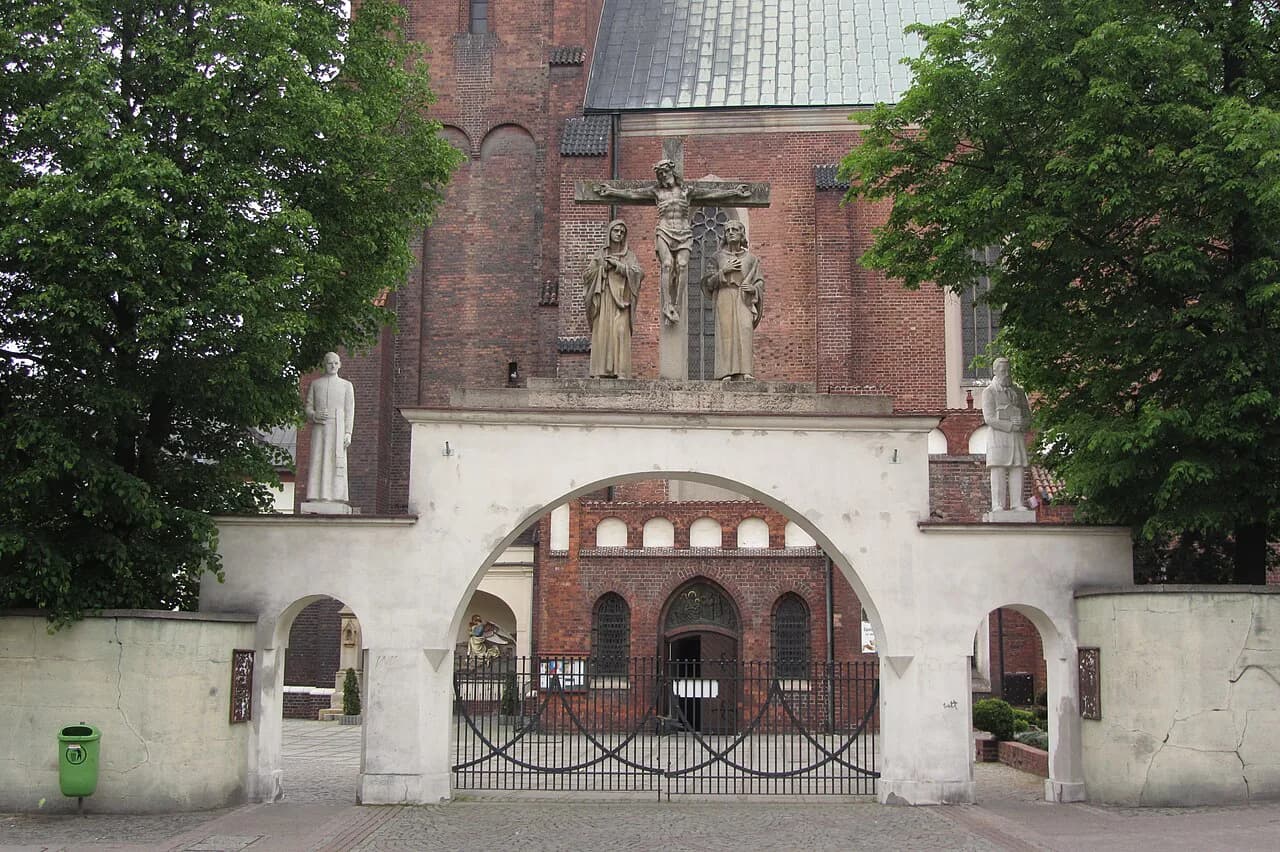
Opole works as a winter day trip if the plan stays mostly indoors. The Cathedral of the Holy Cross, the Rynek's Ratusz, and the museums around the square all work regardless of temperature. Air quality is the real limiting factor. Opole's smog readings often rank among the worst in Poland during December and January, so check the local index before committing to extended outdoor time.
How many days do you need in Opole?
A single focused day covers the Rynek, the Cathedral of the Holy Cross, and a walk along the Młynówka Canal. Opole's one-day itinerary lays out that route stop by stop. Adding a second day allows time for Bolko Island, the zoo, or a regional trip to Moszna Castle.
What is the tallest building in Opole?
Cathedral of the Holy Cross, also called Opole Cathedral, is the tallest building in the city center at 73 meters (240 feet). Its towers are visible from most corners of the Old Town.
When is the National Festival of Polish Song held?
National Festival of Polish Song typically takes place in June, and it remains the biggest event on Opole's cultural calendar. Exact dates vary by year, so confirm the current schedule and book Rynek-area accommodation early if the festival is the reason for the trip.
Is Opole an easy day trip from Wrocław?
Opole is an easy day trip from Wrocław, with direct trains covering the route in about an hour each way. A day trip works well for a first visit. Travelers wanting festival atmosphere or a regional castle detour should plan an overnight stay instead.
Does Opole get much rain?
Rainfall is heaviest and least predictable in spring, when April showers can turn a canal walk cold within an hour. Summer brings warm, mostly dry stretches punctuated by short storms. Winter precipitation often arrives alongside the smog-trapping conditions locals watch closely, rather than as steady snow.
You might also like


Continue reading
More guides you'll find useful