
Things to Do in Szczecin: A 2026 Guide to the City's Top Sights
Last updated July 2026 — stand on Wały Chrobrego and look down at the Oder river traffic, and it's immediately clear why locals still call Szczecin the "Paris of the North." It's not a nickname that gets much airtime outside Poland, and that's exactly the appeal: this is a city of wide boulevards, Griffin-dynasty castles, and a working Baltic port that most visitors to Poland never bother to see. Between the embankments, the castle's crypt, and the underground shelters beneath the old town, there's easily enough here to reward a proper two or three days rather than a rushed afternoon.
This guide covers the sights that actually matter — the ones I'd send a friend to first — and links out to the practical stuff (where to sleep, where to eat, how to get around) so you can build a full trip around it. If you're only picking one place to start, make it the Pomeranian Dukes' Castle, then work outward from there.
Key Takeaways
- The Pomeranian Dukes' Castle (Zamek Książąt Pomorskich) is Szczecin's must-see: a rebuilt Renaissance seat of the Griffin dynasty with a 1693 astronomical clock, a ducal crypt, and a rooftop terrace.
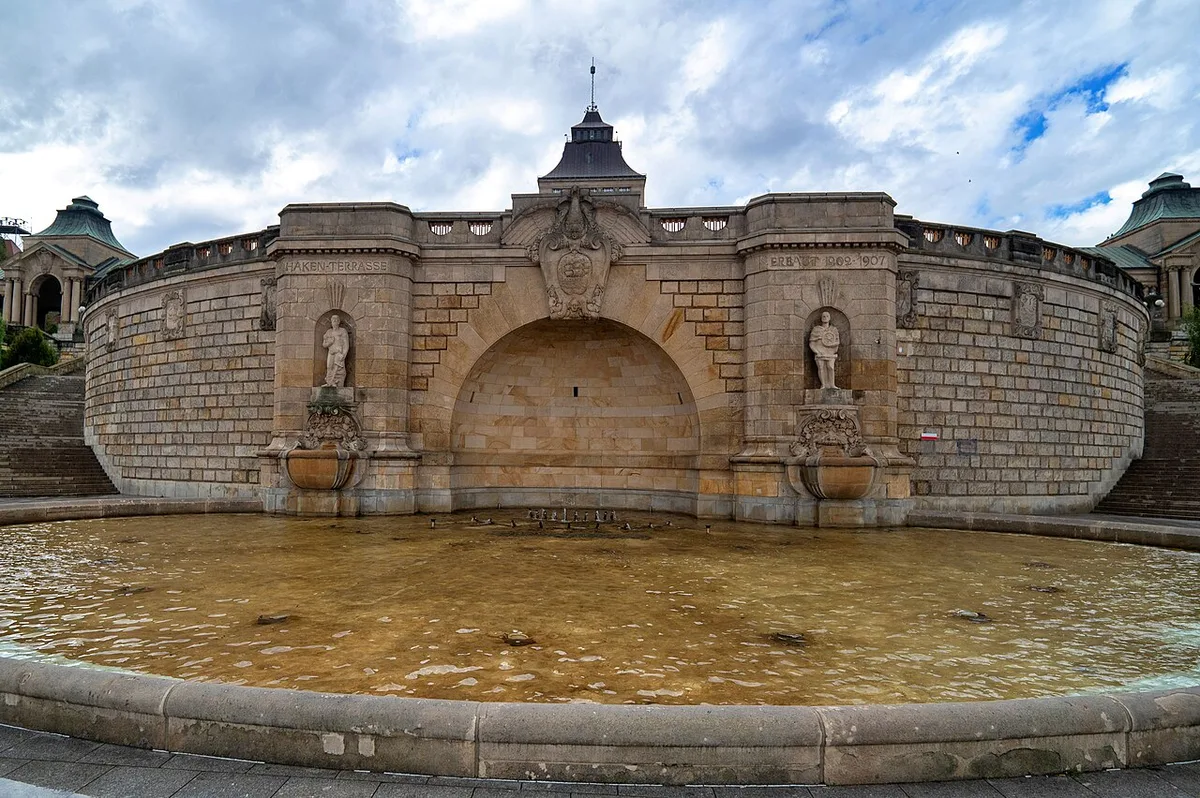
- Wały Chrobrego (Chrobry Embankment) is the city's signature view — a monumental early-1900s riverside promenade above the Oder, built when it was still called the Hakenterrasse.
- The Szczecin Philharmonic building won the EU Mies van der Rohe Award in 2015 and is worth seeing even if you don't catch a concert.
- Underground Szczecin (Szczecińskie Podziemia) runs guided tours through WWII-era air-raid shelters beneath the city centre — book ahead, tours sell out.
- The Cathedral Basilica of St James the Apostle has an observation tower with one of the best rooftop views in the city.
- Szczecin's port and shipbuilding heritage still shapes the city today — it's Poland's 7th-largest city and a major Baltic/Oder river gateway.
Pomeranian Dukes' Castle (Zamek Książąt Pomorskich)
This is the one non-negotiable stop in Szczecin. The castle was the seat of the Griffin dynasty (Gryfici), the Pomeranian ducal family, and while much of it was rebuilt after WWII bombing, the reconstruction is convincing enough that it's easy to forget you're standing in a mid-20th-century restoration rather than an unbroken original. The bell and clock tower houses a working astronomical clock dating to 1693, and beneath the main courtyard sits a ducal crypt with the tombs of several Pomeranian dukes — a quiet, slightly eerie contrast to the grand halls above.
Inside, the castle also hosts an opera and philharmonic hall, so depending on when you visit you might catch a performance in a space that's centuries removed from its original use. Climb (or take the lift) to the rooftop terrace for one of the better panoramic views over the old town and the Oder — I'd budget at least 90 minutes here, more if you want to see the crypt and catch a concert. For full ticket, hours, and access details, see the dedicated castle guide.
The castle's astronomical clock dates to 1693 and still works. It's one of only a handful of original 17th-century clocks of this type still functioning in Europe.
Wały Chrobrego (Chrobry Embankment)
Walk east from the castle and you'll hit Wały Chrobrego, Szczecin's answer to a grand European riverside promenade. Built in the early 1900s as the Hakenterrasse, it's a broad, tiered embankment lined with imposing buildings — the National Museum in Szczecin and the Maritime Academy among them — that step down toward the Oder in a way that feels closer to Budapest or Vienna than to most Polish port cities. It's free, it's open all hours, and it's genuinely one of the best places in the country to watch a sunset over moving river traffic: container barges, the odd cruise ship, and the everyday churn of a working port.
In summer the embankment hosts markets and open-air events, and it's within easy walking distance of both the castle and the cathedral, so it works naturally as the spine of a self-guided old-town walk. Bring a coffee, find a bench near the balustrade, and give it twenty unhurried minutes even if you're short on time elsewhere.
Szczecin Philharmonic
You don't need concert tickets to appreciate the Szczecin Philharmonic (Filharmonia im. Mieczysława Karłowicza) — the building itself is the draw. Its stark white, angular exterior looks almost like folded paper or ice from certain angles, and it won the EU Mies van der Rohe Award for architecture in 2015, a rare honour for a building this far from the usual western-European shortlist. At night the facade lights up and becomes genuinely striking against the surrounding streets.
If your visit lines up with a performance, it's worth checking the schedule on the Philharmonic's official site — the acoustics inside match the ambition of the design. If not, a walk around the exterior and a look through the glass lobby (when open) is still a worthwhile 15-20 minutes, especially if you're already nearby exploring the castle or embankment.
Cathedral Basilica of St James the Apostle
The Cathedral Basilica of St James (Bazylika katedralna św. Jakuba) is a Gothic brick cathedral that anchors the old town, and its observation tower is one of the best-value views in Szczecin — I'd rank it alongside the castle's rooftop terrace for perspective on the city's layout. The climb isn't long, and from the top you get a clear read on how the old town, the port, and the newer districts fit together.
The interior is worth a slower look too: like much of central Szczecin it was heavily damaged in WWII and rebuilt, and the mix of restored Gothic detail with more modern elements tells its own story about the city's 20th-century history. Check current opening hours and tower access before visiting, as both can shift seasonally.
Underground Szczecin (Szczecińskie Podziemia)
One of the most memorable experiences in Szczecin isn't above ground at all. Underground Szczecin runs guided tours through a network of WWII-era air-raid shelters beneath the city centre — cool, concrete corridors that once sheltered thousands of residents during Allied bombing raids. The tours are narrated (ask about English-language slots when booking) and cover both the practical history of the shelters and grimmer details of what life underground was like during the war.
These tours are genuinely popular and slots fill up, especially in peak summer months, so book ahead rather than turning up and hoping. It's not a long visit — plan on roughly an hour — but it's a distinctive counterpoint to the castle and embankment's more polished, above-ground history.
Underground Szczecin tours fill up quickly in peak summer months. Book your slot ahead of time and confirm which tours offer English-language narration when you reserve.
Be Happy Museum Szczecin
One of Szczecin's most-reviewed attractions online isn't a historic building at all. The Be Happy Museum Szczecin is an interactive, mood-focused space built around sensory rooms and photo-ready sets rather than a formal exhibition of the city's past, and it's part of a small chain of "museums of happiness" that has spread across several Polish cities. It routinely pulls stronger review scores than most of the sights above, particularly from visitors traveling with kids or teens.
It's a good pick for a rainy afternoon or as a change of pace between the castle, cathedral, and underground tunnels. Budget around an hour, and check current opening hours and ticket prices before you go, since both shift with the season and it's a livelier, more playful stop than the rest of this list.
Port and Maritime Heritage
Szczecin's identity is inseparable from its port. As Poland's 7th-largest city and a major Baltic and Oder river gateway, it has centuries of shipbuilding and maritime trade behind it, and that heritage still shapes daily life — from the working cranes visible along the river to the National Museum's maritime exhibits near Wały Chrobrego. Early June brings Dni Morza (Sea Days), a maritime festival with tall-ships-style events on the Odra that's worth timing a visit around if you can.
If you'd rather see the port from the water than from the embankment above it, seasonal sightseeing and sunset cruises run along the Oder from spring through early autumn, usually departing from quays near Wały Chrobrego. They're a relaxed way to take in the shipyards, bridges, and the waterside warehouses of Łasztownia island — a district laced with canals and bridges across the river that's sometimes nicknamed "Szczecin's Venice," even though it's still mostly a working port and residential area rather than a polished tourist waterfront. Cruise operators post current schedules and departure points locally each season, so confirm before you plan around one.
For a taste of local maritime food culture, look for paprykarz szczeciński — a fish-and-rice paste spread invented in the city in the 1960s-70s that's still sold in milk bars and delis across town. It's an easy, cheap way to sample something genuinely local rather than generic Polish tourist fare; see our where-to-eat guide for where to find it.
Old Town Layout and City Design
Szczecin's street plan is unusual for Poland — wide green boulevards and sweeping roundabouts modeled on Paris and Vienna, the result of a late-1800s and early-1900s urban redesign. It's part of why the city feels different from the tighter medieval cores of Kraków or Wrocław, and why the "Paris of the North" nickname sticks even though it's rarely marketed abroad. Walking between the sights above, you'll notice the scale of the avenues and the roundabout-heavy layout more than any single building.
For a structured route through the old town's key corners — plazas, church spires, and the surviving pre-war architecture — the old town guide lays out a walkable loop. It pairs well with the castle and cathedral visits above since they all sit within a compact central area.
Parks and Green Spaces: Jasne Błonia and the Rose Garden
Szczecin backs up its "Paris of the North" street plan with an unusual amount of green space, and the best of it sits in one connected stretch about 20-25 minutes' walk (or a short tram ride) northwest of the old town. Start at Jasne Błonia, a vast open lawn framed by long double rows of plane trees — one of the largest groupings of them in Poland — with the neo-Baroque City Hall closing off one end and a monument marking Pope John Paul II's 1987 open-air mass here. On summer weekends it fills with picnicking families, and it's the closest thing Szczecin has to a central gathering lawn.
Jasne Błonia flows directly into Park Kasprowicza, roughly 50 hectares of landscaped woodland wrapped around Rusałka lake, with an open-air amphitheater (the Teatr Letni) that hosts concerts through the summer season. Keep walking north and you reach the Różanka Rose Garden, a restored 1928 garden with around 9,000 rose bushes across some 99 varieties, a central fountain, and free entry — it peaks from June through September, which conveniently overlaps with Szczecin's best travel weather. Taken together, the three make an easy half-day loop when you want a breather from castles and war history, and they're a big part of why the city consistently ranks among Poland's greenest. Event listings for the amphitheater and seasonal happenings are posted on the city's official portal, szczecin.eu.
Planning Table: What to See and How Long It Takes
Here's a rough breakdown to help you budget time across a visit — useful whether you have a single day or a longer stay.
| Sight | Time needed | Best for |
|---|---|---|
| Pomeranian Dukes' Castle | 1.5-2 hours | History, architecture, views |
| Wały Chrobrego | 20-40 minutes | Riverside views, sunset walks |
| Szczecin Philharmonic | 15-20 minutes (longer with a concert) | Architecture fans |
| Cathedral Basilica of St James | 30-45 minutes | Views, church history |
| Underground Szczecin | ~1 hour (guided tour) | WWII history, something different |
| Be Happy Museum Szczecin | ~1 hour | Families, a lighter/interactive break |
| Jasne Błonia + Park Kasprowicza + Różanka | 2-3 hours | Green space, summer picnics, rose garden |
| Old town walking loop | 1.5-2 hours | General sightseeing |
If you're trying to fit all of the above into a short trip, our 2-day itinerary sequences these sights so you're not backtracking across town, and the how many days to spend in Szczecin guide helps if you're deciding between a quick stopover and a longer stay.
Day Trips Beyond the City
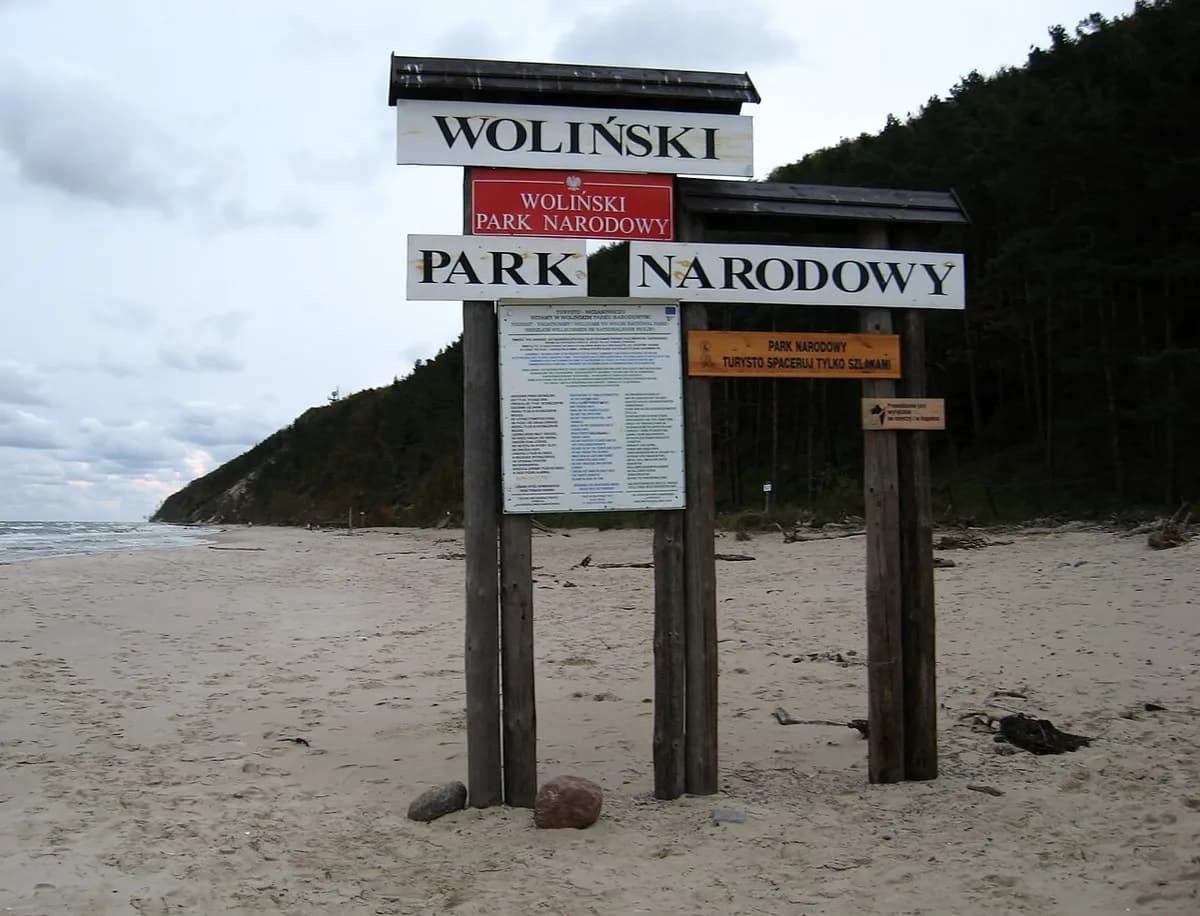
Szczecin's location makes it a genuinely useful base for exploring beyond city limits. Berlin is roughly two hours away by direct regional or InterCity train, which makes Szczecin a realistic side trip from Germany (or vice versa) rather than just a Poland-only stop. Closer to home, Świnoujście is a Baltic coast resort town about 1.5-2 hours away with wide sand beaches and a short ferry crossing within the town itself, while Wolin National Park near Międzyzdroje protects coastal cliffs, forest, and one of Poland's European bison (żubr) reserves. Stargard, about 30-40 minutes away, has well-preserved medieval town walls and gates that are easy to combine with a half-day out of the city.
Our day trips from Szczecin guide goes into detail on getting to each of these, including transport options and how much time to set aside.
Explore Szczecin
- Szczecin Attractions: Tickets, Hours, and Visitor Tips — compare the city's main sights and build an efficient route.
- Where to Stay in Szczecin — neighborhood-by-neighborhood breakdown for picking a base near the old town or the river.
- Where to Eat in Szczecin — milk bars, paprykarz szczeciński, and the best local restaurants.
- Day Trips from Szczecin — Świnoujście, Wolin National Park, Stargard, and cross-border Berlin.
- Pomeranian Dukes' Castle Guide — full tickets, hours, and history for the city's top sight.
- Best Time to Visit Szczecin — seasonal weather, festivals, and crowd patterns.
- How Many Days to Spend in Szczecin — matching your itinerary length to what you want to see.
- Is Szczecin Worth Visiting? — an honest take on who the city suits.
- Szczecin Old Town Guide — a walkable loop through the historic centre.
- Getting Around Szczecin — trams, buses, and airport transfers.
- Szczecin 2-Day Itinerary — a sequenced plan covering all the top sights.
- Szczecin Nightlife Guide — bars, riverside spots, and where locals go after dark.
- 7 Best Museums in Szczecin
- Free Things to Do in Szczecin
- Szczecin Boat Trips and Oder Cruises
- Szczecin With Kids
Explore things to do in other cities
Frequently Asked Questions
What is the number one thing to do in Szczecin?
Visit the Pomeranian Dukes' Castle (Zamek Książąt Pomorskich). It's the seat of the historic Griffin dynasty, rebuilt after WWII, and combines a 1693 astronomical clock, a ducal crypt, and a rooftop terrace with city views in a single visit.
Is Szczecin worth visiting for a day trip?
A day trip covers the castle, Wały Chrobrego, and the cathedral, but Szczecin rewards a longer stay — two to three days lets you add the underground tunnel tour and a day trip to the coast or Berlin. See our how many days guide for a fuller breakdown.
What is Wały Chrobrego and why is it famous?
Wały Chrobrego, or Chrobry Embankment, is a monumental riverside promenade above the Oder river, built in the early 1900s when it was known as the Hakenterrasse. It's lined with grand buildings including the National Museum and Maritime Academy and is one of the best free viewpoints in the city.
Can I visit Szczecin as a day trip from Berlin?
Yes — Berlin is roughly two hours from Szczecin by direct regional or InterCity train, making it a realistic cross-border day trip in either direction, though an overnight stay lets you see considerably more.
What food should I try in Szczecin?
Try paprykarz szczeciński, a fish-and-rice paste spread invented in the city in the 1960s-70s and still commonly served in local milk bars and delis. It's a distinctly Szczecin dish you won't find as easily elsewhere in Poland.
Final Thoughts
Szczecin doesn't try to compete with Kraków or Gdańsk for postcard fame, and that's part of what makes it worth the detour — you get Renaissance castle halls, a genuinely dramatic riverside promenade, an award-winning contemporary concert hall, and WWII history underfoot, all without the crowds. Start with the Pomeranian Dukes' Castle, work your way along Wały Chrobrego to the cathedral, and leave room in your schedule for the underground tunnels — then use the links above to plan where to sleep, eat, and head next.
You might also like



Continue reading
More guides you'll find useful