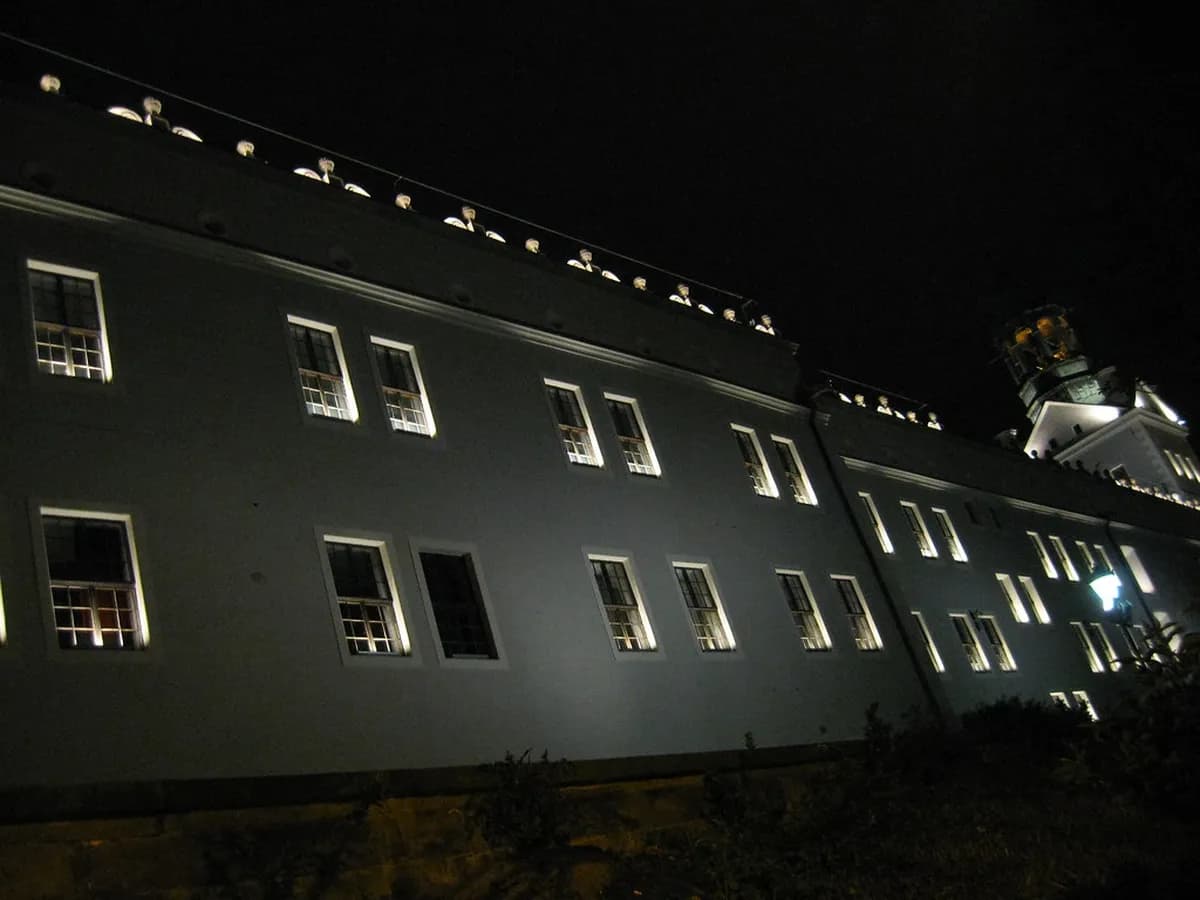

Pomeranian Dukes' Castle, Szczecin: The Complete 2026 Guide
Last updated July 2026 — the first time I climbed the bell tower of the Zamek Książąt Pomorskich, I wasn't prepared for how much the castle dominates Szczecin's skyline once you're actually standing in its courtyard. From the street it reads as a solid, slightly severe Renaissance block. Step through the gate, though, and it opens into two linked courtyards, ochre facades, a soaring clock tower, and — on a clear afternoon — a rooftop terrace that lays out the whole Oder (Odra) river valley below you. This is the single monument I point every first-time visitor to before anything else in the city, and after several visits across different seasons, I still find something new each time.
The castle is the physical anchor of everything you'll read about in our broader guide to things to do in Szczecin, and it sits directly above the old town, so it pairs naturally with an afternoon spent wandering the streets covered in our Szczecin old town guide. If you're still mapping out how much time to budget for the city, this castle alone can eat up half a day once you count the courtyards, the tower climb, and a coffee break in the inner court — worth factoring into your plans in our piece on how many days you need in Szczecin.
Key Takeaways
- The Pomeranian Dukes' Castle (Zamek Książąt Pomorskich) is the largest secular Renaissance building in this part of the Baltic, seat of the Griffin dynasty (Gryfici) that ruled Pomerania for over 500 years.
- The bell/clock tower houses a working astronomical clock dating to 1693 — climb it for one of the best rooftop views in Szczecin.
- Beneath the castle chapel lies the ducal crypt, the burial place of several Griffin dukes and duchesses.
- The castle wings host a concert and opera hall used by Szczecin's philharmonic and opera ensembles, plus rotating museum exhibitions.
- The building you see today is a careful postwar reconstruction — much of the original was destroyed in WWII bombing.
- It sits a short, mostly downhill walk from Wały Chrobrego and the old town, so it's easy to combine with a riverside walk in one visit.
A Griffin Dynasty Stronghold
The castle's story starts long before the Renaissance facades you see today. A wooden ducal stronghold stood on this hill above the Oder as early as the 12th century, when the Griffin dynasty (Gryfici) first consolidated control over the Duchy of Pomerania. Over the following centuries the dukes rebuilt in stone, and the castle became the political and ceremonial heart of their realm — the closest thing this stretch of the southern Baltic coast had to a royal court. The current Renaissance form dates mostly to the 16th century, when Duke Barnim IX and his successors commissioned the wings, courtyards, and tower that still define the building's silhouette.
The Griffins ruled Pomerania in an unbroken line for roughly five centuries, an extraordinary run by European standards, and the castle was rebuilt and expanded by successive generations rather than torn down and replaced. That layered history is part of what makes walking through it interesting — you're not looking at a single moment frozen in time, but at a building that absorbed 400+ years of one family's ambitions before the dynasty finally died out in 1637.
The Courtyards
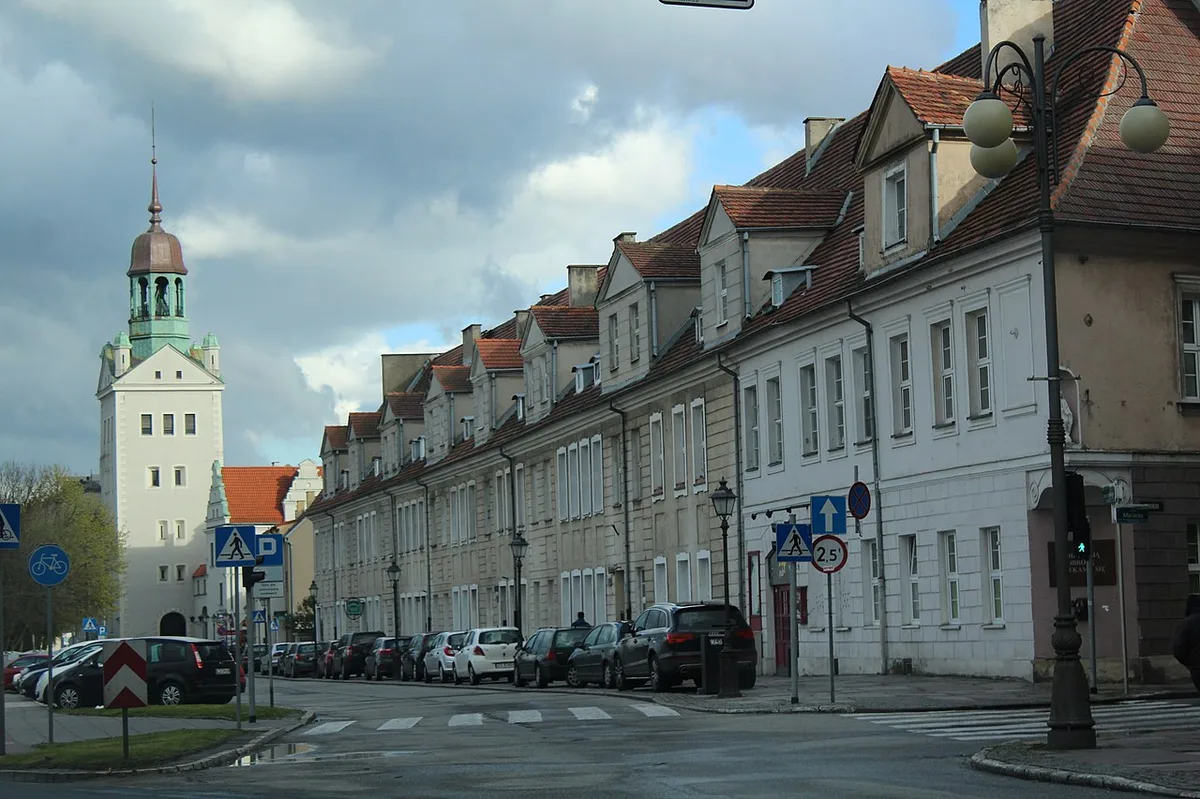
Two connected courtyards form the heart of the visit, and both are free to wander even if you don't buy a ticket to the museum exhibitions or tower. The larger, western courtyard is framed by arcaded galleries and gives the best sense of the building's Renaissance proportions — it's where open-air concerts, markets, and festival events tend to happen in summer. The smaller eastern courtyard feels more intimate and is where you'll find the entrance to several of the museum wings.
I'd budget at least twenty unhurried minutes just standing in these courtyards before heading anywhere else. The ochre-and-cream facades photograph beautifully in late afternoon light, and it's genuinely one of the few spots in Szczecin where you can feel the scale of the old ducal court without needing a ticket.
The Bell Tower and the 1693 Astronomical Clock
The castle's clock tower is its most recognizable feature from across the river, and it's worth the climb. Set into the tower is an astronomical clock dating to 1693 — a genuinely old working mechanism that predates most of what you'll see elsewhere in the city, since so much of Szczecin's historic fabric was lost in WWII. The clock face tracks more than just the hour; astronomical clocks of this era typically display lunar phases and zodiacal positions alongside the time, and this one is a minor point of pride for Szczecin locals who'll happily point it out if you ask.
The bell tower climb has over 200 steps and includes a glass floor partway up that exposes medieval defensive-wall foundations. Plan for a clear day to get the best rooftop views over the Oder river valley and the old town below.
The climb itself is narrow stone stairs in places, so it's not ideal if you struggle with tight spaces or a lot of steps, but the payoff at the top is the same view I mentioned earlier — the Oder spreading out below, the port cranes in the distance, and the old town rooftops closer in. Go on a clear day if you can; Szczecin's weather off the Baltic can turn hazy quickly.
One detail most visitors miss: the climbable viewpoint and the ornate clock face are technically on two different towers of the four that crown the castle. The one you climb is the Wieża Dzwonów (Bell Tower) — the tallest of the four, built as part of the Renaissance castle church of St. Otto in the 1570s–80s, with over 200 steps to the viewing platform, a glass floor partway up that exposes medieval defensive-wall foundations, and the historic 1524 Maryjny (Mary) bell still hanging at lookout level. The clock itself sits in the neighboring Wieża Zegarowa (Clock Tower), and it's more mechanically playful than most tower clocks of its era: it was commissioned to mark a Swedish victory over Brandenburg, and its face shows a green grotesque mask whose eyes roll in time with the hour hand and whose mouth displays the day of the month, while a jester figure above strikes the hours and quarters with alternating hands. Both towers are capped with the Pomeranian griffin, the region's enduring emblem.
The Ducal Crypt
Beneath the castle's chapel lies the ducal crypt, where several dukes and duchesses of the Griffin line were laid to rest, including some of the family's most prominent members. Rediscovered and restored in the 20th century after being damaged and largely forgotten, the crypt today is a quiet, low-lit space that's a sharp tonal contrast to the sunny courtyards above — I found it one of the most affecting corners of the whole castle precisely because it's so understated. There's no grand marble spectacle here, just simple tombs and a genuine sense that this is where the dynasty's story physically ends.
The Griffin dynasty ruled Pomerania for roughly 500 years, from the 12th century until 1637. Access to the crypt is usually bundled into one of the paid museum routes rather than open freely, so confirm what's included when you buy your ticket.
Access to the crypt is usually bundled into one of the paid museum routes rather than open freely, so check what's included when you buy your ticket if this is a priority for you.
One nuance worth knowing before you go: the ducal skeletal remains themselves were reinterred in Szczecin's Cathedral of St. James after being rediscovered in the castle ruins in the late 1940s. What you see in the crypt today are the ducal sarcophagi, reinstalled as a memorial necropolis during a 2014–2015 renovation of the castle's north wing — historically faithful in layout, but not the literal resting place of the remains. It doesn't make the space any less worth the visit, but it does explain why the crypt reads more like a carefully staged reconstruction than a working tomb.
The Opera and Philharmonic Hall Inside the Castle
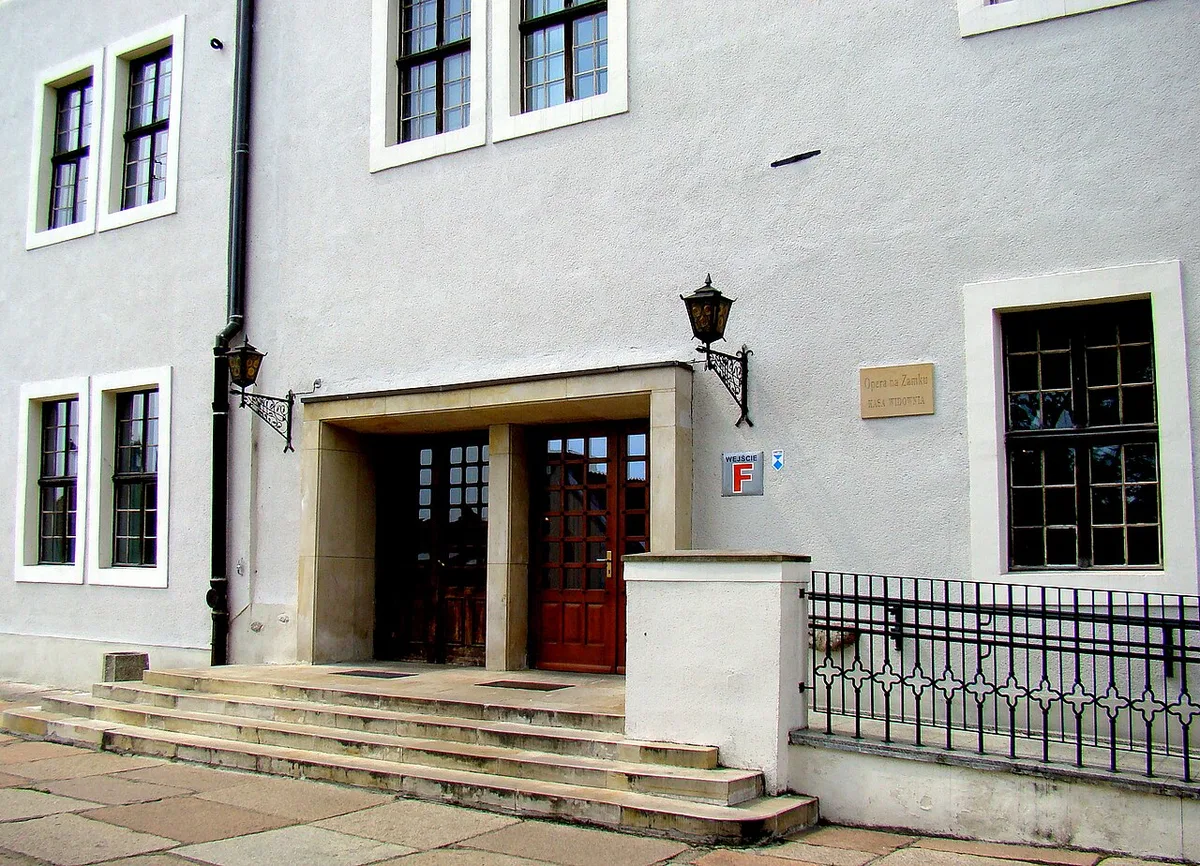
One of the more surprising things for first-time visitors is that the castle isn't purely a museum piece — one of its restored wings houses the Sala Koncertowa im. Bogusława I, a working concert and opera hall named for the duke, used by the resident Opera na Zamku ensemble for a regular program of performances. Sitting in a Renaissance hall listening to a live orchestra or opera excerpt is a different experience from a modern concert venue, and if your visit lines up with a scheduled performance, it's worth building an evening around.
This is separate from the newer, architecturally striking home of the Szczecin Philharmonic near the old town — the castle hall is smaller, older, and more intimate, while the modern Philharmonic building hosts the larger orchestral seasons. Between the two, Szczecin punches well above its size for classical music.
The Rooftop Terrace and River Views
Beyond the tower climb, parts of the castle's upper level open onto a rooftop terrace with sweeping views over the Oder, the port, and the rooftops of the old town. This is the spot I recommend timing for late afternoon — the light softens, the river catches the color, and you get a genuine sense of why the Griffin dukes chose this exact hill for their seat of power. It's also a good five minutes to just sit and reset before heading back down into the old town for dinner.
One practical note for 2026: the castle's north wing, which holds this terrace, was closed for years after a partial ceiling collapse in May 2017 damaged an upper floor (no one was hurt — the wing had already been shut two weeks earlier over cracks found in the walls). The wing and terrace reopened to visitors on 25 October 2025 after a full structural rebuild, so this is effectively the first full year the terrace has been back in normal rotation — worth confirming current access when you check tower hours, since a freshly reopened space can still run a limited schedule.
Planning Your Visit
The castle is easy to reach on foot from the old town and from Wały Chrobrego, and it works well as a single combined outing — a slow uphill (or downhill, depending on which direction you start) walk that takes you past several other sights covered in our old town guide. Give yourself at least 1.5–2 hours if you want to see the courtyards, climb the tower, and take in one of the museum exhibitions; add more if a crypt visit or a concert is on your list.
| What | Good to know for 2026 |
|---|---|
| Courtyards | Free to enter and wander during opening hours |
| Tower + astronomical clock | Separate paid ticket; narrow stairs, check current hours before visiting |
| Info desk / ticket office | Centrum Informacji Kulturalnej i Turystycznej at entrance I, open 7 days a week 10:00–18:00; an event-tied box office at entrance A opens 30 minutes before performances |
| Museum exhibitions / crypt | Paid entry, prices in PLN (roughly a few Euro equivalent) — confirm exact fees and combined-ticket options on site |
| Concerts / opera | Seasonal program, book ahead for popular dates |
| Best time to go | Late afternoon for tower/rooftop light; avoid peak midday heat in summer for the tower stairs |
Ticket prices, exact opening hours, and which combination of tower/crypt/exhibitions is bundled together do change from year to year, so treat any number you read (including here) as a starting point and check the current schedule before you visit in 2026 — the tourist information listings on the city's official portal, szczecin.eu, are a reliable starting point.
Frequently Asked Questions
How long should I spend at the Pomeranian Dukes' Castle?
Plan on 1.5–2 hours to see both courtyards, climb the tower, and walk through one museum exhibition. Add extra time if you want to see the ducal crypt or catch a concert in the opera hall.
Is the castle courtyard free to visit?
Yes — both courtyards are open to the public without a ticket during opening hours. You only need a paid ticket for the tower climb, the museum exhibitions, and the ducal crypt.
What is the astronomical clock in the tower?
It's a working clock mechanism dating to 1693, set into the castle's bell/clock tower. Beyond telling the time, astronomical clocks of this type typically also track lunar phases, making it a rare surviving piece of pre-WWII Szczecin.
Who were the Griffin dynasty?
The Griffins (Gryfici) were the ruling ducal family of Pomerania for roughly 500 years, from the 12th century until the line died out in 1637. The castle was their principal seat and was rebuilt and expanded across many generations of the dynasty.
Is the castle within walking distance of Szczecin's old town?
Yes. It sits right at the edge of the old town on a hill above the Oder, an easy walk from most old-town sights and from Wały Chrobrego, making it simple to combine into a single half-day route.
Final Thoughts
Of everything in Szczecin, the Pomeranian Dukes' Castle is the one sight I'd never let a visitor skip — it's the single building that makes the city's 500 years as a ducal capital feel tangible, from the clock tower and crypt down to the courtyards where locals still gather for summer concerts. Pair it with a walk through the old town using our Szczecin old town guide, and if you're still building out your full trip, our guide to how many days in Szczecin will help you fit it alongside everything else on our things to do in Szczecin list.
You might also like



Continue reading
More guides you'll find useful