
Best Time to Visit Szczecin: A Month-by-Month Guide for 2026
Last updated July 2026 — I've now spent parts of three different seasons in Szczecin, and the honest answer to "when should I go" depends on what you want out of the trip. I arrived once in late January expecting a dead city and instead found the Pomeranian Dukes' Castle nearly to myself, tickets cheap, and the tram network running on time through slush. I came back in July and found a different place entirely — Wały Chrobrego packed with people above the Odra, day-tripper buses leaving for the coast every morning.
Szczecin has a clear peak, a genuinely good shoulder window, and a winter that rewards a specific kind of traveler. Read this alongside our full things to do in Szczecin guide and, if the Baltic coast is part of the plan, the day trips from Szczecin breakdown — the season you pick changes which of those trips are worth doing.
Key Takeaways
- Late May through August is peak season — warmest weather, longest days, and the only realistic window for Baltic beach day trips.
- Dni Morza (Sea Days), Szczecin's maritime festival with a Tall Ships-style event on the Odra, runs in early June and is the single best reason to time a trip precisely.
- September and early October are the best value-for-experience months — mild weather, thinner crowds, and the Pomeranian Dukes' Castle and Cathedral Basilica of St James without queues.
- Winter (December–February) is genuinely cold and grey but cheap, and the Szczecin Philharmonic's indoor season and Underground Szczecin tours don't care about the weather.
- Szczecin's Baltic-coast appeal is seasonal — Świnoujście's beaches only make sense roughly May to September.
- Whatever month you pick, build your route around the tram network rather than fighting it — it runs reliably year-round.
Szczecin Month by Month
Szczecin sits on the Oder (Odra) river close to the Baltic, so its climate leans maritime rather than the sharper continental swings inland in Poland — winters are milder than Warsaw's but wetter and greyer, and summers are warm without being oppressive.
| Month | Typical daytime temp | What it's like |
|---|---|---|
| Dec–Feb | 0–4°C | Cold, often grey, occasional snow; cheapest hotel rates of the year |
| Mar–Apr | 6–13°C | Unsettled, but the city visibly wakes up by mid-April |
| May–Jun | 15–20°C | Long daylight, Dni Morza in early June, gardens and terraces open |
| Jul–Aug | 19–24°C | Peak season — warmest, busiest, best for coastal day trips |
| Sep–Oct | 11–18°C | Mild, fewer crowds, my personal favorite window |
| Nov | 5–9°C | Damp and quiet, transitional |
None of these numbers are extreme, which is part of Szczecin's appeal — this isn't a destination where a wrong-season trip ruins the visit, it just changes what's realistic to do each day.
Daylight swings more than the temperature does. At 53.4°N, Szczecin gets around 17 hours of light on the June solstice — plenty of room for a long Wały Chrobrego evening after a day trip — versus barely 8 hours in late December, when sunset lands before 16:00 and you'll want to plan outdoor time for the middle of the day.
Summer: The Peak Season, and Why
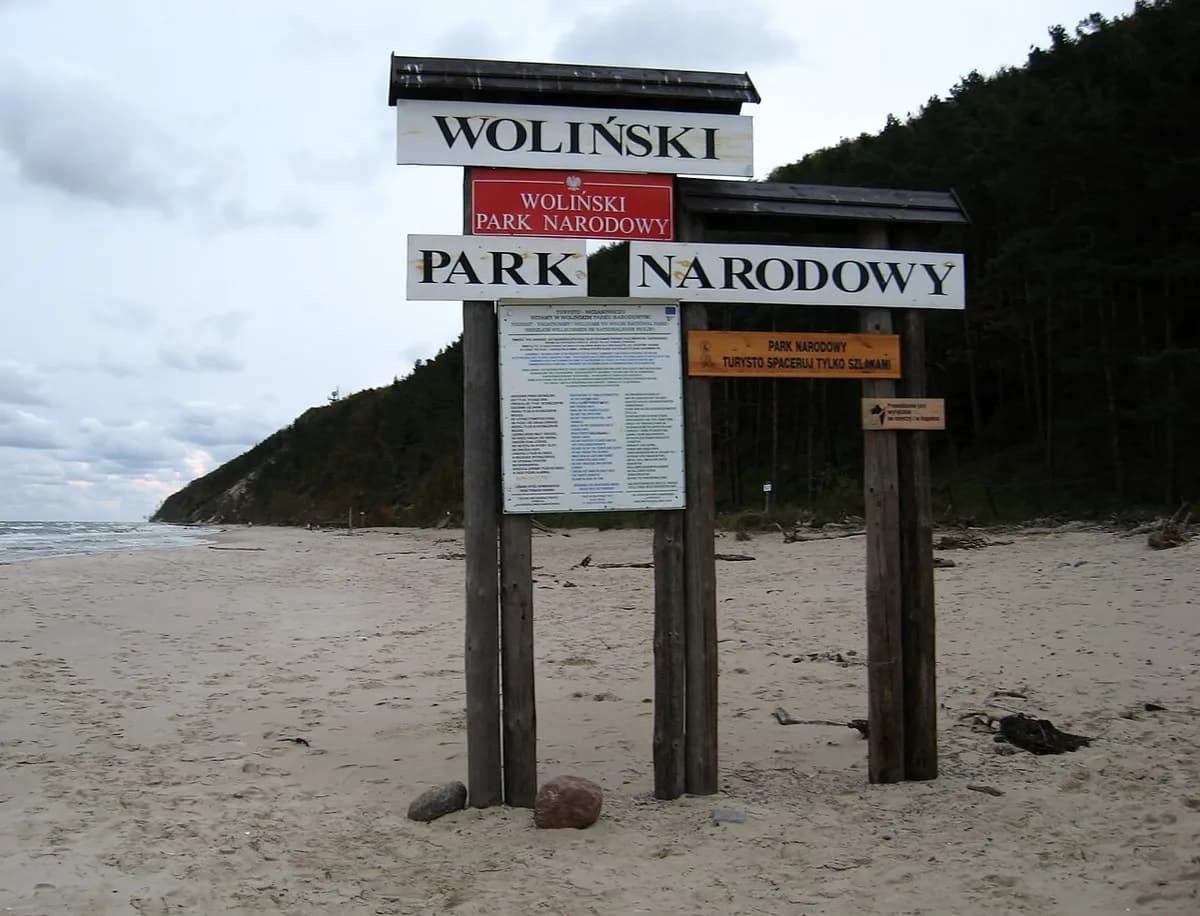
June through August is when Szczecin makes the most sense as a base rather than just a city stop, mainly because of its position near the Baltic coast. Świnoujście, roughly 1.5–2 hours away by train or bus with a short ferry crossing built into the journey, only really works as a beach day in the warmer months — its wide sand beaches and boardwalk are a different place entirely once summer arrives. Wolin National Park, near Międzyzdroje, is also at its best in summer, when the coastal cliffs and forest trails (and the resident European bison, żubr) are fully accessible. Early August adds one more reason to time a trip around Wolin specifically: the Festiwal Słowian i Wikingów (Slavs and Vikings Festival) takes over the reconstructed stronghold at Wolin-Recław for a long weekend of reenactment battles, craft markets, and longship demonstrations — a genuinely different draw from Dni Morza, and one most visitor guides to Szczecin skip entirely.
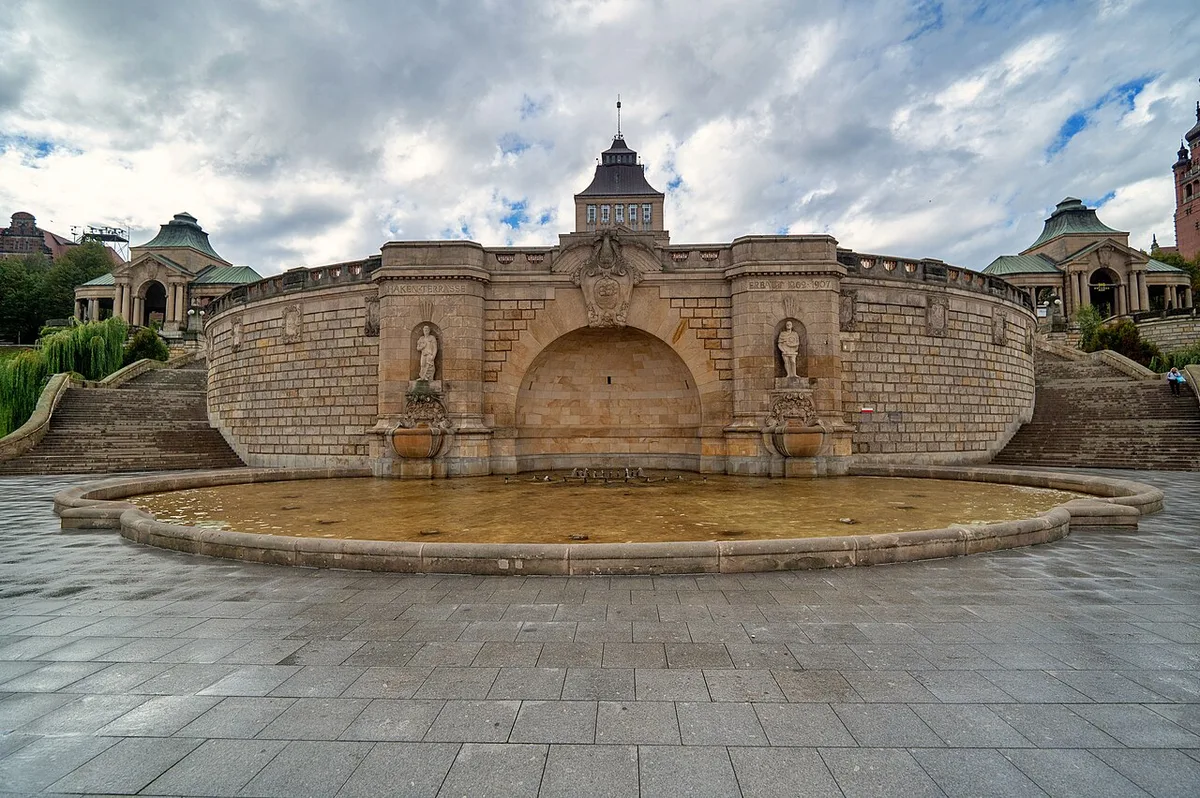
Within the city itself, summer is when Wały Chrobrego comes alive — the riverside promenade above the Odra fills with people, cafés put tables outside, and boat trips on the river run their fullest schedule. It's also when the Pomeranian Dukes' Castle rooftop terrace views are worth the climb rather than a cold, windswept afterthought.
Dni Morza: Szczecin's Early-June Sea Festival
If you can only pin one exact week, make it early June for Dni Morza (Sea Days) — Szczecin's maritime festival celebrating the city's deep port and shipbuilding heritage. The centerpiece is a Tall Ships-style event on the Odra, with vessels gathering along the riverfront, crowds lining Wały Chrobrego, and a festive atmosphere that leans into Szczecin's identity as a working port city rather than a museum piece. Expect the waterfront busier than usual and book accommodation a little earlier than for a normal summer weekend — it's worth it. Exact dates shift slightly each year, so confirm them on the city's official portal, szczecin.eu, before locking in your stay.
If your dates land around Dni Morza, pair the festival with our 2-day Szczecin itinerary — it already builds in slack around Wały Chrobrego for exactly this kind of waterfront event.
Book accommodation early if visiting during Dni Morza in early June — the waterfront gets busier than usual and stays are in higher demand than a normal summer weekend.
Shoulder Season: My Honest Favorite
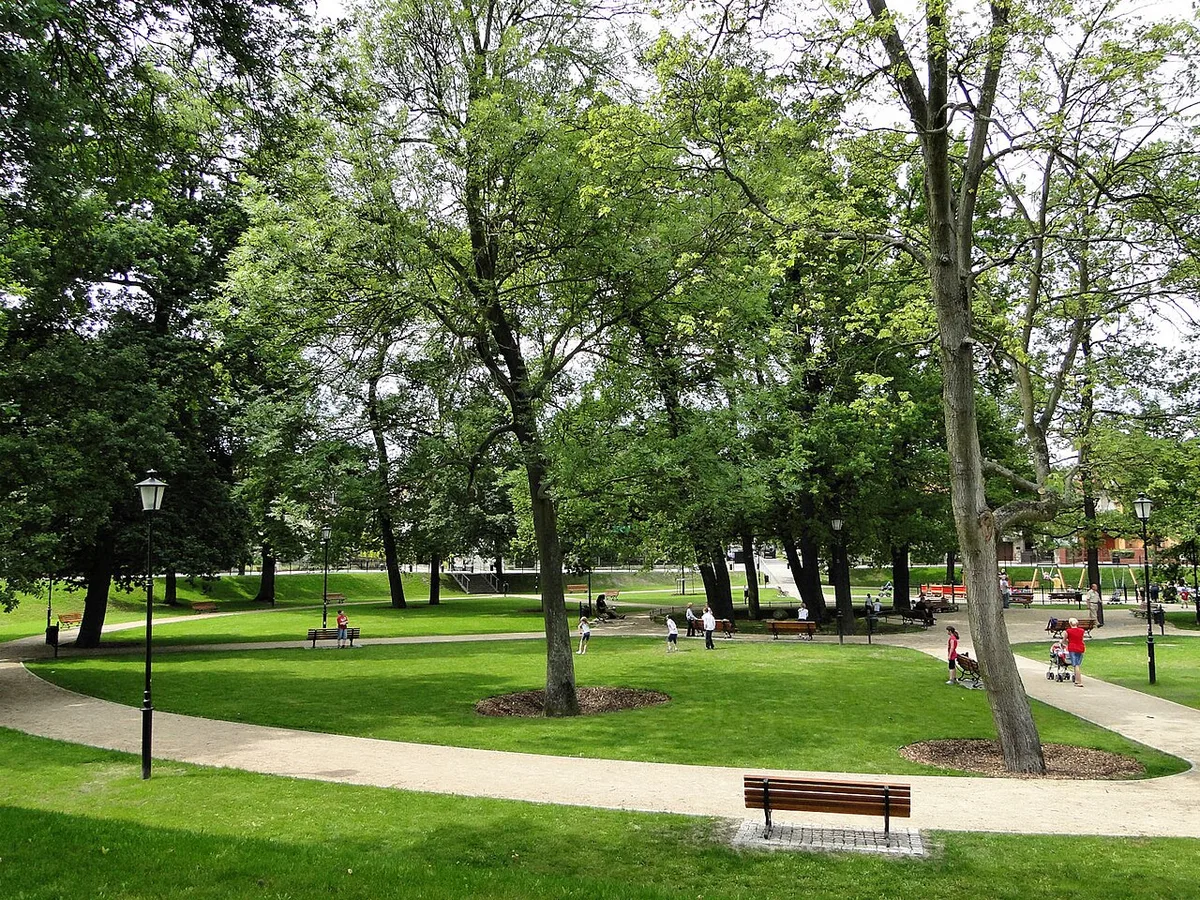
September and the first half of October are, in my experience, the best value window in Szczecin. Temperatures are still comfortable for long walking days, the Cathedral Basilica of St James and the Pomeranian Dukes' Castle are noticeably quieter, and hotel rates drop from peak-summer levels without the city feeling shut down. Late April and May work similarly, with parks and boulevards at their greenest — though May's back half starts overlapping with the Dni Morza crowd.
The tradeoff is the coast itself: Świnoujście's beaches are considerably less appealing once the water turns cold, so if a beach day is part of your plan, shoulder season is a compromise, not a substitute for summer.
Winter: Cheap, Quiet, and Genuinely Grey
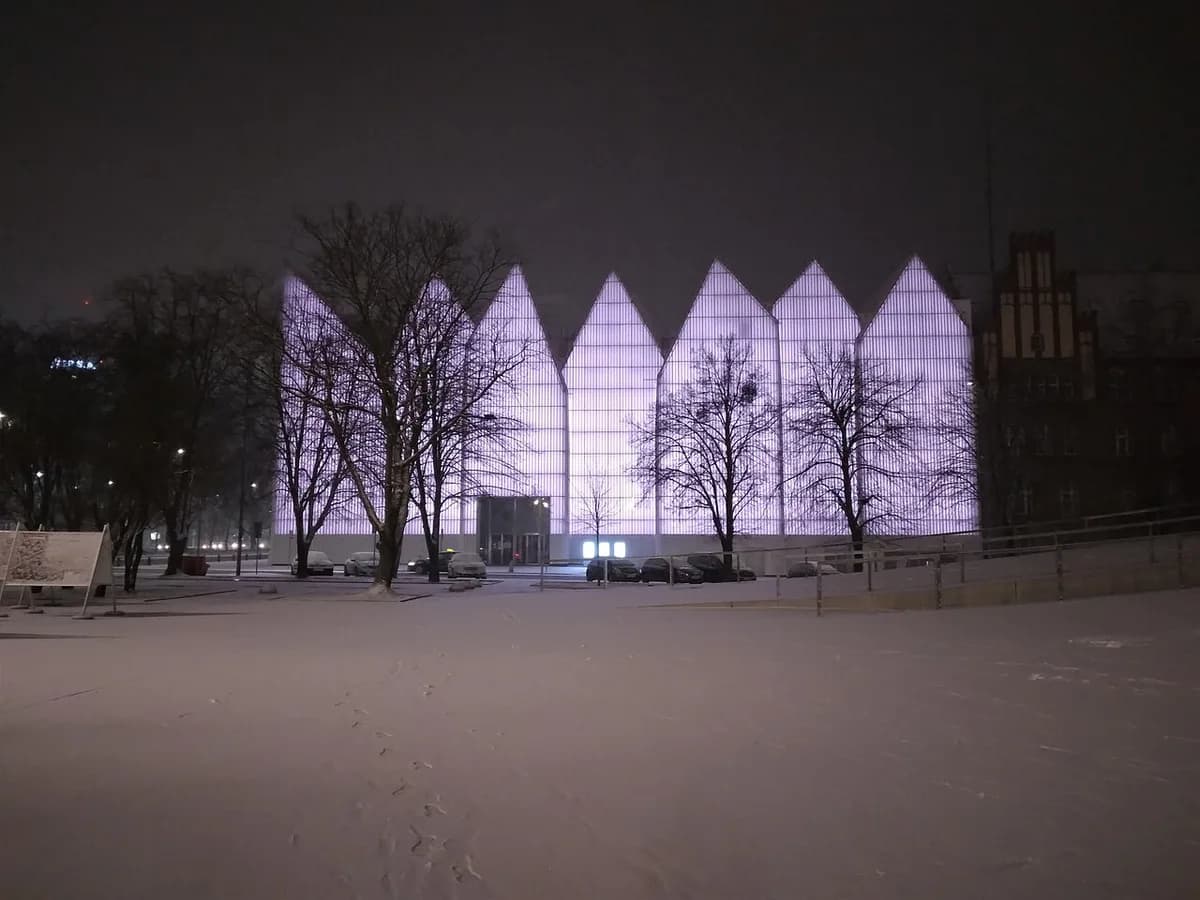
I won't oversell Szczecin winters — December through February is cold, often overcast, and the Odra's damp air makes it feel colder than the thermometer suggests. But it's also the cheapest time to visit, and indoor attractions hold up well regardless of weather. The Szczecin Philharmonic runs its main concert season inside that striking white, angular Mies van der Rohe Award-winning building, and Underground Szczecin's tours through the WWII-era air-raid shelters are, if anything, more atmospheric on a cold, quiet day. The Pomeranian Dukes' Castle interiors — the 1693 astronomical clock, the ducal crypt, the opera hall — don't depend on sunshine either. December brings its own small compensation, too: a Christmas market sets up on Jasne Błonia and around the Rynek Sienny from late November through early January, with mulled wine stalls and a lit-up ferris wheel that make the early darkness feel less like a drawback and more like the point.
What winter isn't good for: day trips to the coast. Wolin National Park and Świnoujście both go quiet in winter, and I'd skip both unless you have a specific reason to go. Check the day trips from Szczecin guide before committing to any coastal plan outside of summer.
Skip coastal day trips in winter — Wolin National Park and Świnoujście both go quiet, and the weather isn't suitable for a swimming-focused trip.
Quick Verdict by Traveler Type
If you want the coast, festival energy, and the longest days: go June through August, and target early June if Dni Morza's dates line up. If you want a calmer city visit without the coastal day trips: September or May are hard to beat. If you're purely budget-driven and don't mind grey skies, winter is legitimately good value — plan around indoor attractions like the Philharmonic rather than the coast. Whichever season, our full Szczecin things-to-do guide breaks down what's realistic in each.
Frequently Asked Questions
What is the best month to visit Szczecin?
June is the strongest single-month pick for most travelers, combining warm weather, long daylight, and early June's Dni Morza maritime festival with its Tall Ships-style event on the Odra. September is the best pick if you'd rather avoid crowds and don't need beach weather.
When is Dni Morza (Sea Days) in Szczecin?
Dni Morza takes place in early June each year and is Szczecin's flagship maritime festival, featuring tall ships and other vessels gathered on the Odra river along Wały Chrobrego. Exact dates shift slightly year to year, so check current listings before booking.
Is Szczecin worth visiting in winter?
Yes, if you're prepared for cold, grey weather and want lower prices and thinner crowds. Indoor attractions like the Szczecin Philharmonic, Underground Szczecin's air-raid shelter tours, and the Pomeranian Dukes' Castle interiors all work well regardless of season, but coastal day trips to Świnoujście or Wolin National Park are not worthwhile in winter.
Can I visit Świnoujście's beaches as a day trip from Szczecin?
Yes, Świnoujście is roughly 1.5–2 hours from Szczecin by train or bus plus a short ferry crossing within the town, and its wide Baltic sand beaches are best visited from around May to September. Outside that window the beach town is much quieter and less suited to a swimming-focused day trip.
Does the weather in Szczecin differ much from the rest of Poland?
Szczecin's position near the Baltic and on the Odra gives it a milder, more maritime climate than inland Polish cities like Warsaw or Kraków — winters are less harshly cold but wetter and greyer, and summers are warm without the sharper heat spikes some inland regions see.
Final Thoughts
There's no single wrong season to visit Szczecin — I've enjoyed it cold and quiet in January and buzzing with festival energy in June — but if you want to make the most of both the city and its Baltic coast connections, aim for late May through August, and try to catch early June's Dni Morza if your schedule allows. For help turning whichever season you pick into an actual day-by-day plan, see our 2-day Szczecin itinerary.
You might also like



Continue reading
More guides you'll find useful