
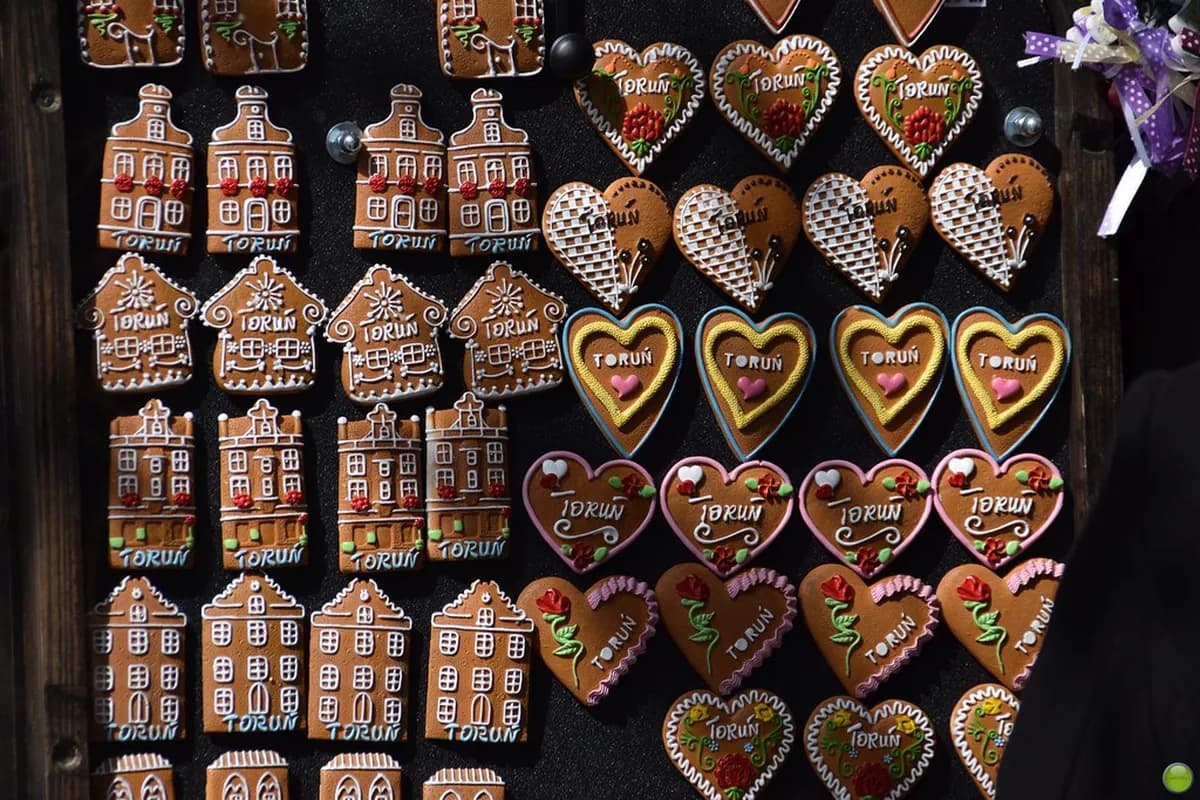
The Ultimate Guide to Torun Gingerbread
Toruń is a city that smells like a warm kitchen during the holiday season. This medieval gem in Poland is famous for its rich history and stunning Gothic architecture. Most visitors come here specifically to taste the world-renowned Toruń Gingerbread (Wikipedia). These spiced treats have defined the local culture for over six hundred years.
The tradition of baking gingerbread in this city dates back to the late 14th century. Local bakers used exotic spices brought by merchants from all across the globe. Today, the sweet and peppery aroma still floats through the narrow cobblestone streets. You will find gingerbread in every shape, from simple hearts to intricate royal figures.
Planning a trip to this historic destination requires knowing where to find the best treats. You can explore interactive museums or try your hand at traditional baking workshops. This guide will help you navigate the sweet world of Toruń's most famous export. Get ready to discover why this city is the undisputed gingerbread capital of Poland.
The Medieval History of Toruń Gingerbread
The story of gingerbread in Toruń began around 1380 with the first recorded mentions of local bakers. At that time, the city was a powerful member of the Hanseatic League. This trade network allowed local merchants to access rare spices like ginger, cloves, and cardamom. These expensive ingredients were mixed with high-quality local flour and thick honey.
The surrounding area provided an abundance of honey from the lush forests of the Vistula valley. This natural sweetener was essential for creating the long-lasting dough used by medieval travelers. You might wonder is Toruń worth visiting for history buffs beyond just the food. The answer lies in how the gingerbread trade helped build the city's incredible wealth.
During the Middle Ages, gingerbread was considered a luxury item often given as a royal gift. Skilled craftsmen carved beautiful designs into heavy wooden molds to create decorative pieces. These molds often featured kings, knights, and religious symbols that reflected the values of the era. The craft was strictly regulated by local guilds to ensure the highest quality standards.
By the 16th century, Toruń had become the leading center for gingerbread production in Central Europe. Rivalries even broke out between Toruń and the city of Nuremberg over who made the best treats. However, the unique blend of local honey and Baltic trade spices gave Toruń the edge. This legacy continues today through traditional recipes passed down through many generations.
The Legend of the Katarzynki (St. Catherine's) Biscuits
Among all the shapes found in local shops, the Katarzynki is the most iconic. This unique biscuit consists of six interlocking circles that resemble a cloud or a cluster of rings. Legend says a young baker named Bogumił fell in love with the master baker's daughter, Catherine. He wanted to create a special treat to win her heart and impress her father.
Another version of the story claims that the shape was inspired by the clouds Bogumił saw in the sky. He noticed that the clouds looked like six joined circles on a beautiful spring morning. He quickly carved a new mold to replicate this heavenly pattern for his beloved Catherine. These biscuits became so popular that they were named in her honor.
In Polish culture, November 25th is celebrated as St. Catherine’s Day, which marks the start of the gingerbread season. Historically, young men would use this day to seek luck in finding a future wife. Eating a Katarzynka biscuit was thought to bring good fortune in matters of the heart. Many locals still uphold this sweet tradition during the cold autumn months.
The shape of the Katarzynki is not just for decoration; it also serves a practical purpose. The joined circles allow for more even baking and a satisfying crunch in every bite. You can find these biscuits in almost every bakery while exploring the Toruń Old Town guide. They remain a symbol of the city's romantic and culinary heritage.
Visiting the Museum of Toruń Gingerbread
Toruń offers two distinct museum experiences that cater to different types of travelers. The Museum of Toruń Gingerbread (Official) is located in a former 19th-century factory. This site was once owned by the famous Weese family, who were pioneers in industrial baking. It provides a deep look into the technological evolution of gingerbread making.
Inside this museum, you can see massive vintage machinery and thousands of historical wooden molds. The exhibits explain how the production moved from small workshops to large-scale factories. It is an excellent choice for those who enjoy industrial history and detailed historical displays. The atmosphere inside the old red-brick building feels truly authentic and nostalgic.
The Museum of Toruń Gingerbread is housed in a former 19th-century factory owned by the Weese family, who pioneered industrial gingerbread production. Plan for at least two hours to explore the extensive collections on display.
If you prefer a more theatrical experience, the Living Museum of Gingerbread is a must-visit. Here, costumed performers lead you through a medieval-style workshop with humor and storytelling. It is a very interactive environment where the audience participates in every step of the process. This museum is particularly popular with families and younger travelers.
Choosing between the two depends on whether you want a quiet historical tour or a lively performance. Both museums are among the top things to do in Toruń for any first-time visitor. Many tourists decide to visit both to get a complete picture of the city's sweet legacy. Make sure to check their websites for current exhibition schedules before you arrive.
The District Museum also features a beautiful garden where you can relax after your tour. It often hosts seasonal events and outdoor markets during the summer months. You can find the main factory museum at Strumykowa 4, right in the heart of the city. Plan for at least two hours to fully enjoy the extensive collections on display.
Interactive Workshops: Baking Your Own Pierniki
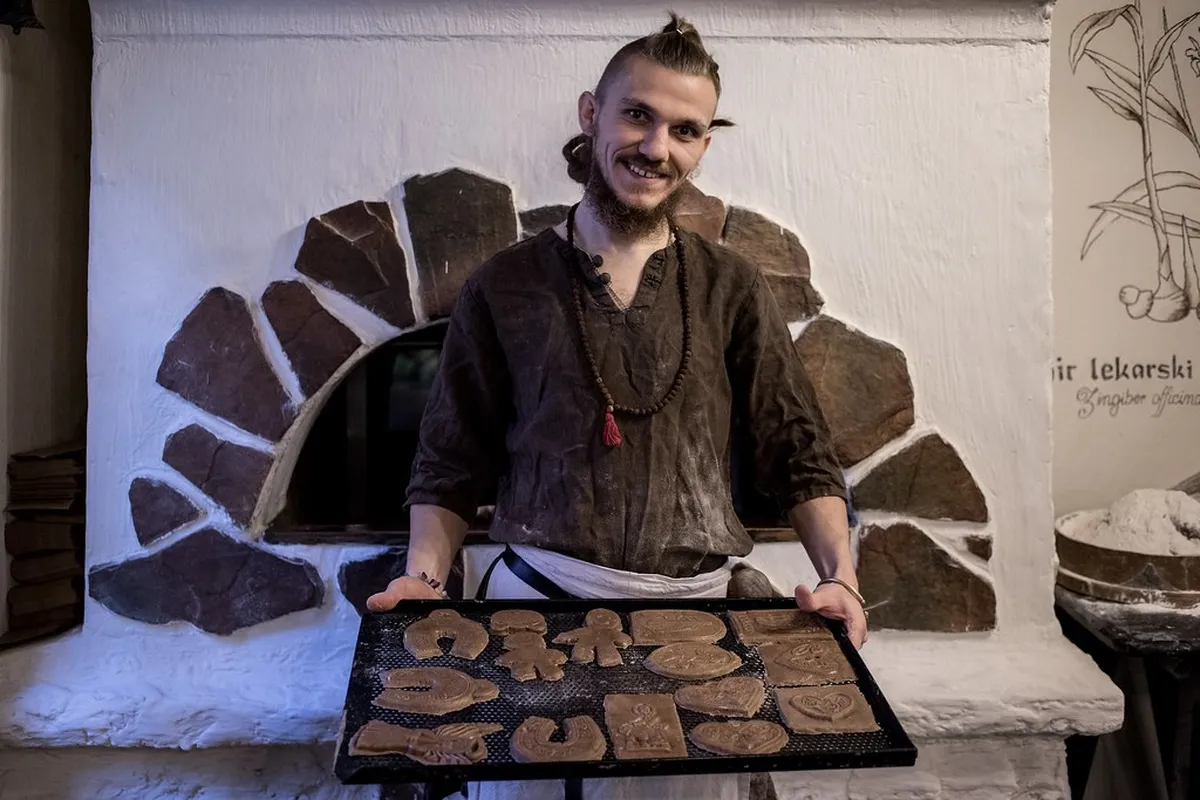
One of the best ways to connect with local culture is by joining a baking workshop. These sessions allow you to use traditional wooden molds to press out your own gingerbread shapes. You will learn how to handle the sticky dough and apply the right amount of pressure. It is a tactile experience that connects you directly to medieval craftsmanship.
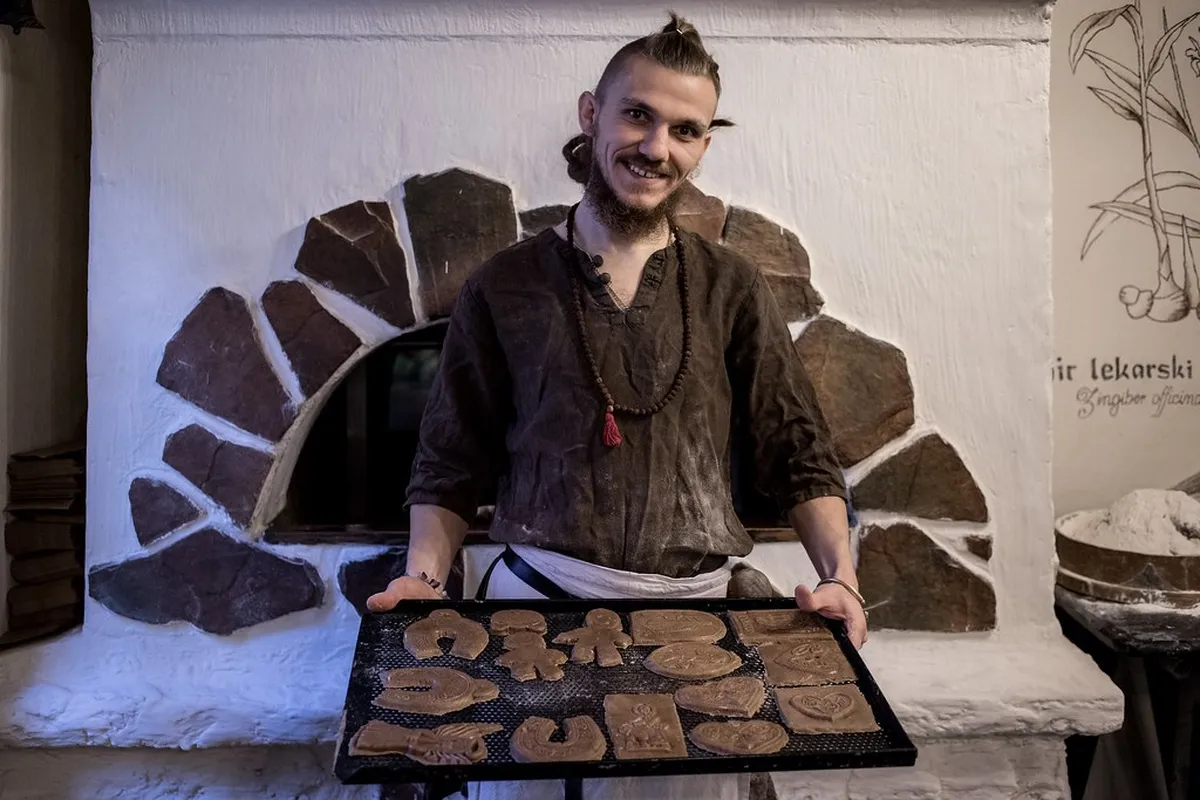
The workshops usually last about 45 to 60 minutes and are led by expert instructors. You will receive a piece of authentic dough prepared according to a secret local recipe. After pressing your design, the gingerbread is placed in a hot oven to bake. The smell inside the workshop is absolutely incredible and very hard to resist.
It is important to know that the gingerbread you bake in these workshops is often decorative. Because the dough is designed to hold intricate shapes, it can be quite hard once it cools. These pieces make wonderful souvenirs that can last for many years if kept dry. If you want something to eat, the museum shops sell delicious edible versions nearby.
Booking your spot in advance is essential, especially during the peak summer season or school holidays. These workshops often sell out weeks ahead of time because they are so popular. You can easily book tickets online through the official museum websites to secure your preferred time. This activity is a highlight for many people visiting Toruń City Guide locations.
- Baking Workshop Essentials
- Cost: 30-45 PLN
- Duration: One hour
- Booking: Online required
- Result: Decorative souvenir
- Traditional Mold Designs
- Shapes: Knights, hearts, animals
- Material: Carved pear wood
- Technique: Hand pressing
- Detail: High precision
Where to Buy Authentic Toruńskie Pierniki
When shopping for gingerbread, look for the official 'Kopernik S.A.' brand name. This company is the direct successor to the original Weese factory founded in 1763. They still use traditional recipes and high-quality ingredients for their commercial products. You can find their brightly colored blue and gold packaging in shops all over Poland.
For the most authentic experience, visit the flagship store located at Strumykowa 4. This shop offers the widest variety of flavors, including chocolate-covered and fruit-filled options. You can also find beautiful gift tins that are perfect for bringing home to friends. The staff are very knowledgeable and can help you choose between different spice levels.
If you are looking for a place where to stay in Toruń, try to find a hotel near the Old Town Square. This puts you within walking distance of the best boutique bakeries and specialty shops. Some smaller artisanal shops offer unique varieties that you won't find in larger grocery stores. These small-batch treats often have a more intense spice profile.
Always check if the gingerbread is intended for eating or for decoration only. Edible gingerbread is usually softer and often contains fillings like plum jam or rose petal marmalade. Decorative pieces are very hard and are meant to be hung on a wall or a Christmas tree. Both types are important parts of the local gingerbread tradition.
Traditional Ingredients and the Art of Maturing Dough
The word 'piernik' actually comes from the old Polish word 'pierny,' which means peppery. This highlights the fact that traditional Toruń gingerbread is quite spicy compared to Western versions. The recipe includes a complex blend of black pepper, cloves, cinnamon, and ginger. This creates a sophisticated flavor that balances sweetness with a noticeable kick.
The secret to the unique texture is the traditional maturing process of the dough. Authentic 'Staropolski' dough is often prepared weeks or even months before it is baked. During this time, the honey and flour undergo a slow fermentation process in a cool cellar. This maturation allows the flavors to deepen and the dough to become more pliable.
Historically, some families would prepare a batch of gingerbread dough when a daughter was born. This dough would then mature until her wedding day many years later. While modern commercial production is faster, top-tier bakers still respect these slow-aging traditions. This dedication to time is what makes the local product so special and world-famous.
Traditional Staropolski dough matures for weeks or even months in a cool environment, allowing the honey and spices to deepen in flavor. This slow fermentation process is what creates the sophisticated taste that distinguishes Toruń gingerbread from other varieties.
Honey is the soul of the recipe and must be of the highest quality. Bakers often use buckwheat or linden honey to provide a robust and floral foundation. When combined with rye flour and the spice mix, it creates a treat that stays fresh for a long time. You can learn more about these culinary secrets on the Poland Wander blog.
Frequently Asked Questions
Why is Torun famous for gingerbread?
Toruń became famous for gingerbread due to its location on major trade routes during the Middle Ages. Access to exotic spices and high-quality local honey allowed bakers to create superior treats. The city's 600-year-old tradition and royal patronage cemented its global reputation as the gingerbread capital.
What is the difference between the two gingerbread museums in Torun?
The Museum of Toruń Gingerbread focuses on industrial history and machinery in an old factory setting. In contrast, the Living Museum of Gingerbread offers a theatrical, interactive performance led by costumed characters. Both provide workshops, but the Living Museum is generally more focused on storytelling and entertainment.
What are Katarzynki biscuits?
Katarzynki are the most famous shape of Toruń gingerbread, consisting of six interlocking circles. They are named after a legendary baker's daughter and are traditionally eaten around St. Catherine's Day on November 25th. Their unique shape is a symbol of local folklore and romantic history.
How long does traditional Torun gingerbread dough need to mature?
Traditional 'Staropolski' dough typically matures for several weeks to several months in a cool environment. This slow fermentation process allows the honey and spices to fully integrate, creating a deep flavor. Historically, some dough was even aged for years before being baked for special occasions.
Can you bake your own gingerbread in Torun?
Yes, both major gingerbread museums in the city offer interactive baking workshops for visitors. You can use traditional wooden molds to create your own decorative souvenirs under the guidance of experts. These sessions are very popular and should be booked online in advance to ensure availability.
Exploring the world of Toruń gingerbread is a journey through centuries of Polish history and culture. From the spice-filled air of the medieval markets to the modern interactive museums, the tradition remains vibrant. Whether you prefer the history of the old factory or the fun of a live workshop, there is something for everyone.
Don't forget to take home a box of Katarzynki or a beautifully carved decorative heart. These treats are more than just food; they are a piece of the city's identity. Sharing these spiced biscuits with friends is a great way to tell the story of your Polish adventure. The flavors of honey and cloves will surely remind you of the city's charm.
Toruń continues to honor its sweet legacy while welcoming travelers from all over the world. Planning your visit around these traditions ensures a rich and memorable experience. We hope this guide helps you enjoy every bite of your stay in this historic gingerbread capital. Safe travels and enjoy the many sweet surprises waiting for you in Toruń.
You might also like


Continue reading
More guides you'll find useful

