

Is Katowice Worth Visiting
Last updated June 2026.
Katowice has a reputation problem, and that reputation is largely undeserved. Most travellers picture a bleak post-industrial sprawl when they hear the name, but the city has been quietly transforming into one of Poland's most interesting urban destinations. It punches well above its weight with world-class museums, a genuinely distinct Silesian culture, and some of the best value food and drink in the country.
The honest answer to whether Katowice is worth visiting depends on what you want from a city break. Travellers chasing medieval old towns and picture-postcard squares will find it harder to love than fans of industrial heritage, live music, and authentic local neighbourhoods. For the right kind of visitor, a weekend in Katowice can be a revelation.
Is Katowice worth visiting?
Yes — Katowice is worth visiting, especially if you travel beyond the usual Polish highlights. The city sits at the heart of the Upper Silesian metropolitan area and carries a fascinating, complicated history shaped by Polish, German, and Czech influences. That layered identity sets it apart from almost anywhere else in central Europe.
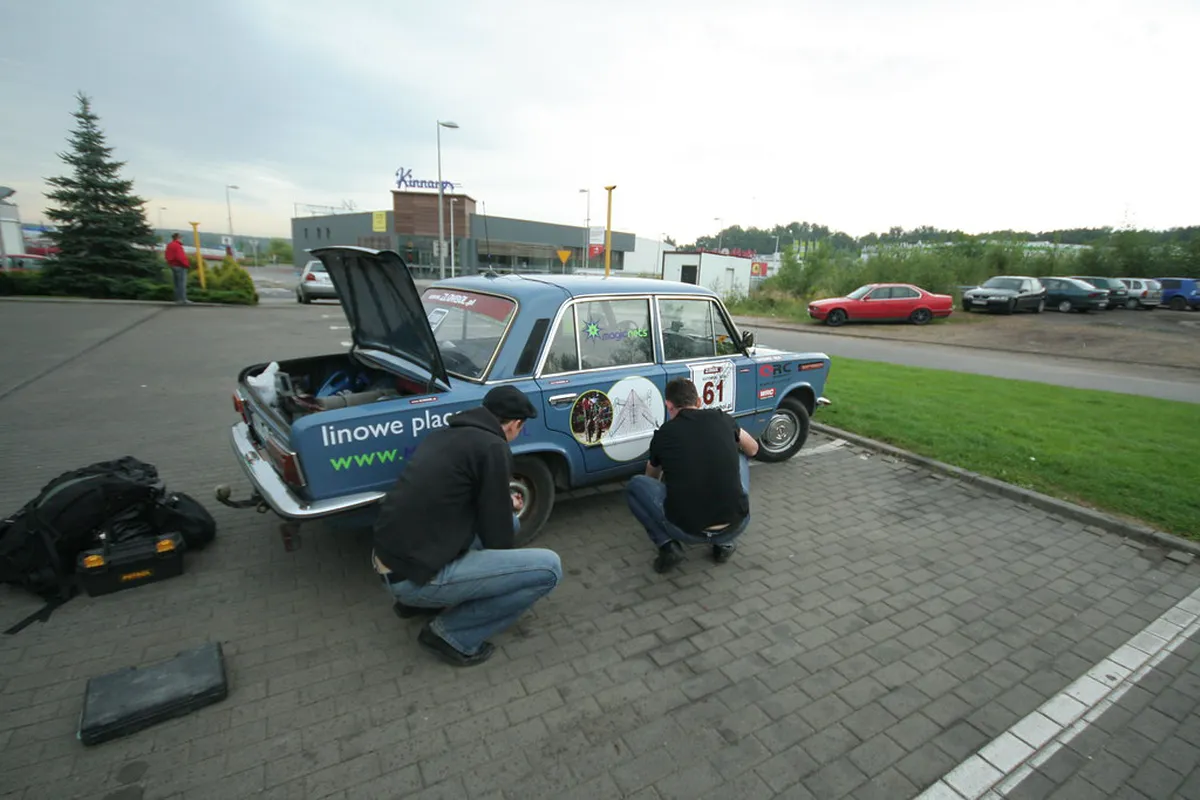
Most visitors find one to two days is the sweet spot for the city itself. Pair it with day trips to Zabrze or Wroclaw and you have a genuinely rewarding long weekend. For more detail on structuring your time, our guide to how many days to spend in Katowice lays out the options clearly.
Budget travellers in particular get excellent value here. Flights from the UK with Wizz Air from Liverpool start from around £18, and Ryanair from Manchester from around £40, making it one of the most affordable Polish city breaks available. Once you arrive, accommodation, food, and public transport all cost significantly less than in Warsaw or Krakow.
Best things to do in Katowice
The Silesian Museum is the single best reason to visit Katowice. Built on the site of a former coal mine, a large portion of the exhibition sits underground, which gives it an atmosphere that conventional museums rarely achieve. Expect to spend around two to two and a half hours in the main gallery, which covers Upper Silesia's complicated dual Polish-German identity in genuinely moving detail.
Spodek, the UFO-shaped arena opened in the 1970s, is Katowice's most recognisable landmark and is absolutely worth seeing up close. The broader Culture Zone surrounding it — including the Polish National Radio Symphony Orchestra (NOSPR) concert hall and the International Congress Centre — shows how completely the former coal-mine site has been transformed. NOSPR tickets sell out quickly, so book well in advance if a concert is on the agenda.
Nikiszowiec is the neighbourhood that surprises visitors most. The dense red-brick workers' housing from the early 1900s has a unique character, and the central square at Plac Wyzwolenia is a pleasant place to sit with coffee from Cafe Byfyj. If you happen to be in Katowice on 4 December for Barbórka (Miners' Day), a brass parade starts at around 7 am right outside the café — one of the most atmospheric local events in the city.
Silesia Park, straddling the border of Katowice and Chorzów, offers a genuine surprise for visitors who did not expect this much greenery. The Elka Cableway crosses the park in about 15 minutes per ride and costs 29 PLN (around €6.80) for a single trip, or 37 PLN (around €8.70) for two. A third cableway line is planned to restore the original 1967 triangular route, which was the first lowland cableway in Europe.
Bebok spotting has become one of Katowice's most enjoyable street-level activities, with nearly 100 folkloric creature sculptures scattered around the city. The first beboks appeared in 2021 and new ones are still being added — the most recent was installed in May 2025 — so printed guides can go out of date fast. Use the interactive map of Katowice beboks to track the latest locations and plan a walking route.
- Silesian Museum — underground mine-site museum
- Spend around 2 to 2.5 hours for the main history gallery alone.
- Covers the complex Polish-German identity of the Silesian region in interactive detail.
- Built on a former coal mine; the underground setting adds real atmosphere.
- Spodek and the Culture Zone
- The UFO-shaped Spodek arena is Katowice's most photographed landmark.
- The wider Culture Zone also holds the NOSPR concert hall and Congress Centre.
- Book NOSPR tickets in advance as they sell out quickly.
- Nikiszowiec workers' district
- Red-brick familoki housing from the early 1900s with ornate archways and detail.
- Cafe Byfyj is the go-to spot for coffee; Slaska Prohibicja for a sit-down meal.
- Visit on 4 December for the Barbórka miners' parade at around 7 am.
- Silesia Park and Elka Cableway
- One of the largest urban parks in Poland, shared with neighbouring Chorzów.
- A single cableway ride costs 29 PLN and takes about 15 minutes.
- The park also holds the Silesian Zoo and Silesian Stadium.
- Bebok spotting and Mariacka Street
- Nearly 100 folkloric bebok sculptures are hidden around the city.
- Mariacka Street is lined with bars and restaurants popular with local students.
- Both activities work well as an evening walk after the main museums close.
The Silesian Museum sits on a former coal mine with much of its exhibition underground — allow 2–2.5 hours for the main gallery to fully appreciate the interactive Polish-German history section.
Where to stay in Katowice
Staying within walking distance of the Market Square gives you easy access to most of the city's top sights on foot. Apartio Rooms Katowice sits directly on the square and offers solid value — around 389 PLN (roughly €91 or £76) for two nights, which is genuinely competitive for a central location. The noise level is manageable despite the prime position, making it a good choice for visitors who want to be at the heart of things.
For longer stays, Harbor Apartments on Damrota Street is a popular mid-range option about 10 minutes' walk from the square. Rates run around 1,156 PLN (approximately €273 or £231) for five nights, and the rooms are bright and spacious. The only consistent complaint is the internet speed, so check that if remote work is on the agenda.
Budget travellers will find plenty of options around the central train station. The area is convenient for the bus routes to Nikiszowiec and the Culture Zone, even if it means a slightly longer walk to the Market Square. For a full breakdown of neighbourhoods and price ranges, see our where to stay in Katowice guide.
How to get around Katowice
Katowice has one of the most practical public transport systems of any Polish city. The Metropolis GZM network covers over 40 cities and towns across the Silesian region with a single integrated ticket valid on buses and trams. The Metrobilet extension also covers Koleje Śląskie and Polregio regional trains, which opens up easy day trips to Zabrze, Gliwice, and beyond.
Buying tickets is straightforward — use the machines at stops or download the Jakdojade app for journey planning and mobile ticketing. Revolut users can also buy transit tickets directly from the app. Always validate your ticket when boarding; if you bought it via an app, scan the QR code displayed on the vehicle walls.
Uber and Bolt are both widely available and affordable for trips within and around the city. A one-way Uber to Zabrze costs around 60 PLN (about €14 or £12), which makes sense when you are short on time or travelling with luggage. For the city centre itself, most key sights are walkable once you have a central base.
The Cons of Katowice
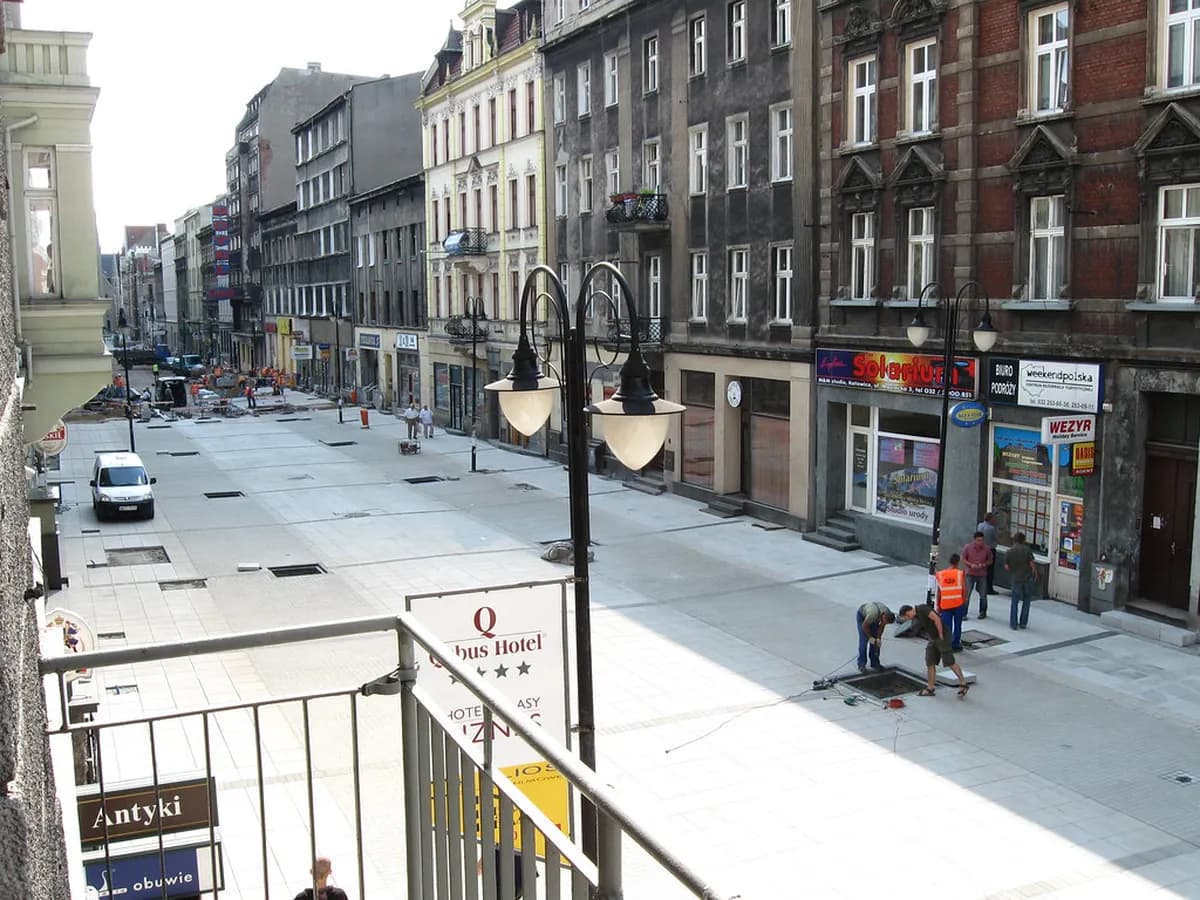
Katowice is not as visually polished as Krakow or Wroclaw, and that is worth knowing before you arrive. Some streets show the city's industrial history in the form of worn facades and uneven pavements, and you will likely see derelict buildings steps away from smart new developments. If flawless architecture is your priority, Katowice will disappoint.
Winter can be genuinely harsh in this part of Poland. Temperatures regularly drop below freezing from December through February, and the city's location in a river basin can make it feel colder and greyer than you might expect. A spring or autumn visit gives you better weather and fewer complications.
Using Katowice as a base for Auschwitz is less straightforward than many travellers assume. There is no direct train from Katowice Central to Oswiecim, meaning you need to change trains or catch a bus to Myslowice first — adding significant time to what is already an emotionally demanding day. Most experienced travellers recommend joining an organised day tour from Krakow instead, and saving Katowice for its own visit.
Katowice winters are harsh, with temperatures regularly dropping below freezing from December to February. Spring or autumn offers significantly better weather for exploring the city.
Most important Katowice Travel Tips
Poland uses Type C and E electrical sockets, so bring an adapter if you are travelling from the UK or outside the EU. A dual-pack of adapters costs from around £5 online and is easy to forget until you actually need it. Mobile roaming coverage across the city is strong, and most cafés and hotels offer free Wi-Fi.
Book tickets for the Silesian Museum, NOSPR concerts, and Guido Coal Mine in Zabrze as far ahead as possible. Popular time slots sell out faster than visitors expect, particularly on weekends and during festivals. The Culture Zone hosts the Tauron Nowa Muzyka festival each year, mixing electronica, jazz, and hip-hop — check dates before you travel.
Katowice's neon sign trail is one of the city's most distinctive evening attractions and one that many visitors only discover at the tourist office — too late to plan a proper route. The city once had one of the densest concentrations of neon signs in Poland, and many are being restored; you can read the full backstory in this detailed guide to Katowice's neon history. Planning the neon walk for your first evening sets the right atmospheric tone for the rest of your stay.
Silesian food is hearty and distinct from mainstream Polish cuisine — try roulade (beef rolled with pickles and bacon) with gumiklyjzy dumplings at least once. For a curated list of where to eat, from traditional Silesian restaurants to modern cafés, see a full foodie guide to the best places to eat in Katowice. Mariacka Street is fine for a drink in the evening, but the best food tends to be on the streets around it rather than on the strip itself.
Where to eat and drink in Katowice
Silesian food is more distinct than most visitors expect, and Katowice has several reliable spots across different price points. For traditional Silesian cooking, Restauracja Śląska on Mariacka Street serves roulade (roladka śląska) with gumiklyjzy dumplings from around 35–45 PLN (€8–€11) per main. For something more relaxed, Bar Centralny near the train station is a classic Polish milk bar where a full lunch with soup costs under 20 PLN (about €5) — cash only, no frills, and locals only at lunch.
In Nikiszowiec, Slaska Prohibicja is the go-to sit-down option after walking the district, with mains around 40–55 PLN (€9–€13). Back in the city centre, Mariacka Street has the highest concentration of bars — most open from around 5 pm and stay open past midnight. For coffee, Cafe Byfyj in Nikiszowiec is worth planning around rather than stumbling upon; it opens at 8 am and closes mid-afternoon on quieter days, so arriving by noon is safe. For a full guide to where to eat across the city, see our Where To Eat In Katowice Travel Guide page.
Is Katowice Worth Visiting at a Glance
- Worth it for: Industrial heritage, world-class museums, live music, and authentic Silesian culture — not medieval old towns or picture-postcard squares.
- How long: One to two days for the city; add a third for a Zabrze or Silesia Park day trip.
- Top sight: The Silesian Museum, built on a former coal mine with much of its exhibition underground (allow 2–2.5 hours).
- Getting there: Budget UK flights from around £18 (Wizz Air, Liverpool) to £40 (Ryanair, Manchester); cheaper than Warsaw or Krakow once you arrive.
- Best season: Spring or autumn — winters regularly drop below freezing from December to February.
- Useful links: Silesian Museum · Katowice (Wikipedia)
Frequently Asked Questions
Is there anything to do in Katowice for a day?
A single day in Katowice is enough to cover the main highlights. Start at the Silesian Museum and allow two to two and a half hours underground. Then walk through the Culture Zone past Spodek before ending the afternoon in the Nikiszowiec district. Check out our full list of things to do in Katowice for a tighter one-day plan.
Should I visit Krakow or Katowice?
Krakow is a richer destination for traditional sightseeing — its Old Town, Wawel Castle, and Schindler's Factory are all genuinely world-class. Katowice makes more sense if you want industrial heritage, a gritty urban atmosphere, and a fraction of the tourist crowds. The two cities are around 80 km apart, so a trip combining both is entirely practical.
How many days do you need in Katowice?
One to two days covers the main city attractions comfortably, including the Silesian Museum, Nikiszowiec, and the Culture Zone. Adding a third day lets you take a day trip to Zabrze's Guido Coal Mine or explore Silesia Park more thoroughly. A weekend is the most popular format and leaves little room for regret.
Is Katowice safe for tourists?
Katowice is generally safe for tourists, with the usual urban awareness required in any post-industrial city. The city centre, Culture Zone, and Nikiszowiec are all comfortable to walk during the day and into the evening. Some streets near the central station feel less welcoming after dark, so stick to well-lit routes if you are heading back late.
Katowice rewards travellers who approach it with open expectations rather than a fixed checklist. The Silesian Museum alone is one of the most thoughtfully curated regional history museums in central Europe, and Nikiszowiec has a character that no other Polish city can replicate. Add the live music scene, the affordable food, and the easy transport connections to the wider Silesian region, and the case for visiting becomes compelling.
One or two days in Katowice fits neatly into a broader Poland itinerary. Pair it with Wroclaw to the northwest or use it as a stepping stone into the Silesian day-trip circuit — our guide to day trips from Katowice covers the best options in the region. Either way, most visitors leave wondering why they waited so long.
| Item | Cost | Notes |
|---|---|---|
| Elka cableway, single | 29 PLN | About 15 minutes per ride |
| Elka cableway, two rides | 37 PLN | Crosses Katowice's park |
| Apartio Rooms, two nights | ~389 PLN | Directly on the square |
| Uber to Zabrze | ~60 PLN | One way; worthwhile with luggage |
You might also like

Continue reading
More guides you'll find useful


