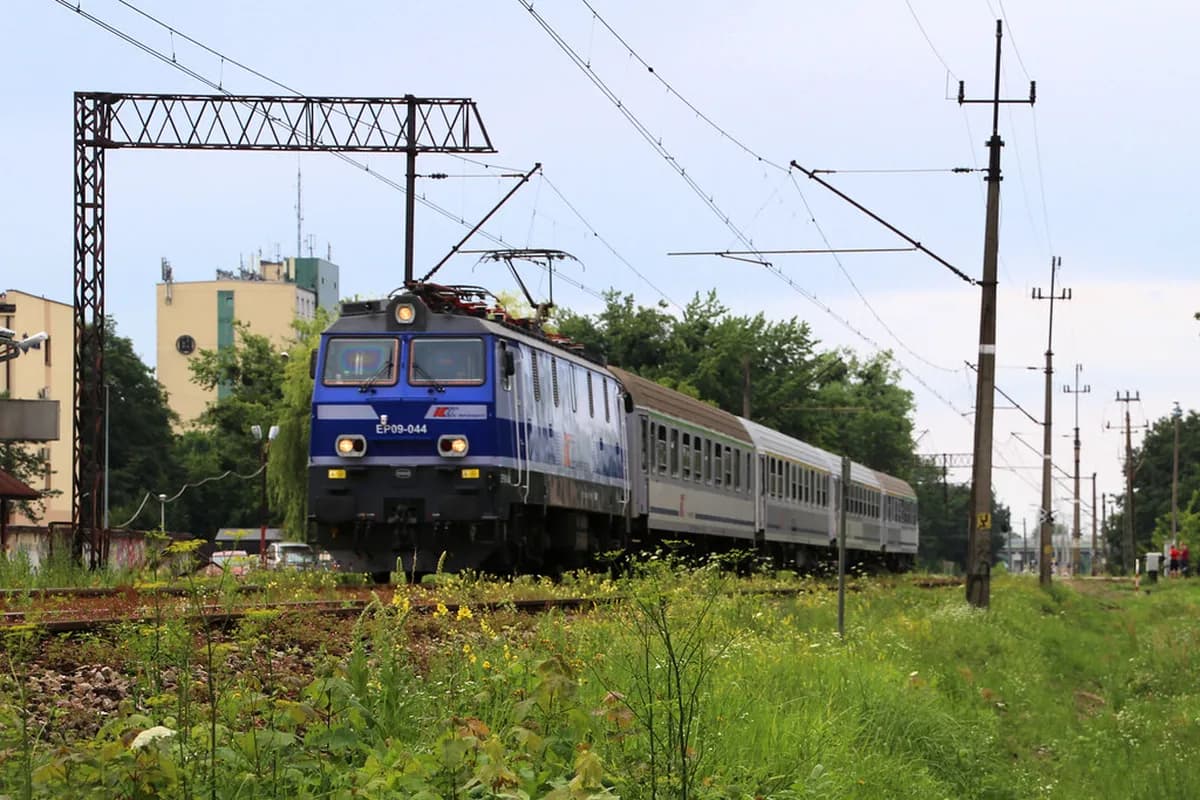

Katowice Old Town
Last updated June 2026.
Katowice carries an unfair reputation as a gritty industrial city with little to offer travellers. Step into Katowice old town and that image fades fast — the Market Square, Mariacka Street, and the stunning Culture Zone are all within easy walking distance. Our guide covers everything from must-see attractions to where to sleep, eat, and move around, so you can plan a visit that actually works.
The city sits at the heart of Silesia, a region with a layered history shaped by Polish, German, and Czech influences over centuries. That complexity is visible everywhere: red-brick miners' housing beside modernist landmarks, neon signs returning to old facades, and a dialect that sounds nothing like standard Polish. For curious travellers who enjoy cities that reward a bit of exploration, Katowice delivers more than most expect.
Best Things to Do in Katowice Old Town
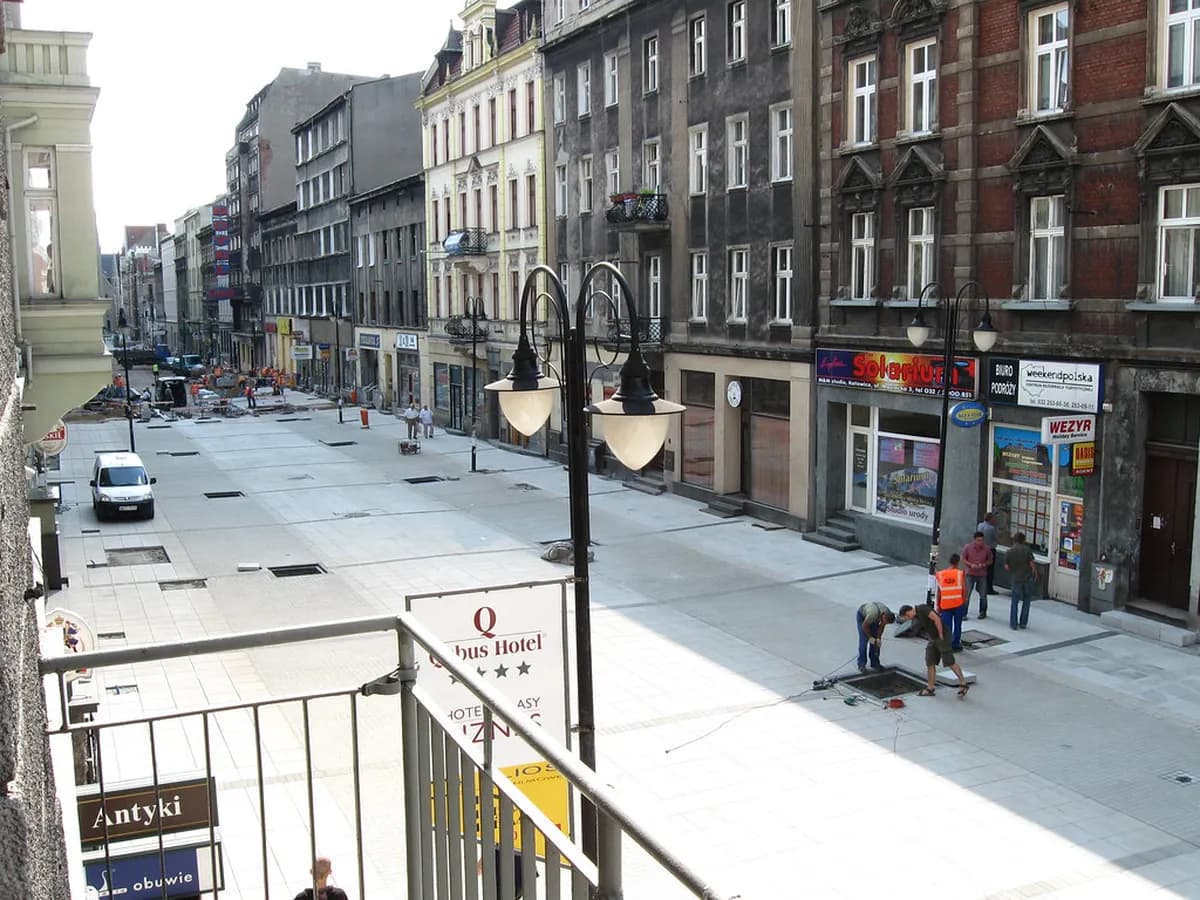
The Market Square (Rynek) is the natural starting point for any visit to Katowice old town. It hosts the beloved Christmas market in December and the Easter market in spring, so timing your trip around one of these events adds a real festive layer. Mariacka Street, running just a short walk away, is packed with pubs and restaurants and buzzes with life on warm evenings.
One of the quirkiest things to do in the city is hunt for beboks — mischievous folkloric creatures reimagined as cute bronze figures dotted across Katowice. Nearly 100 of them are now installed across the city, with the newest added in May 2025, so any printed guide can go out of date quickly. For current locations, an interactive map of Katowice's beboks covers the full up-to-date list with photos.
Architecture fans should not miss the Modernism Route, a self-guided walk taking in 16 buildings from the 1920s and 1930s building boom that earned Katowice the nickname 'Polish Chicago.' The Spodek arena — shaped like a flying saucer and designed to withstand mining tremors underground — is the city's most recognisable landmark and worth a walk around even if there's no event on. Right across the road stands the Silesian Insurgents' Monument, its three wings representing the three uprisings of 1919, 1920, and 1921.
For souvenirs that feel genuinely local, the Gryfnie shop on Andrzej Street (near the main train station) sells Silesian-language tote bags, coal-shaped soap, and regional food products. The name means 'nicely' in the Silesian dialect, and the humour running through their products makes it one of the more memorable stops on any visit. For a full overview of 12 Best Things to Do in Katowice beyond the old town centre, our dedicated guide covers the wider city in more detail.
Museums, Art, and Culture in Katowice
The Silesian Museum is the single best reason to spend a full afternoon in Katowice, even for travellers who don't usually visit museums. Built on the site of a former coal mine, a large portion of the museum is underground, which already sets it apart from most cultural institutions. Plan for at least two to two-and-a-half hours in the main gallery alone — the permanent exhibition on Upper Silesian history is interactive, detailed, and covers aspects that were suppressed during the Communist era.
The history exhibit explores the region's dual German-Polish identity with unusual honesty, including a room devoted to Silesians who held Polish identities while preferring to remain within Germany after the 1921 plebiscite. A separate gallery shows Polish art from 1800 to 1945, though not all buildings are always open — check current schedules before visiting. The old mining shaft next to the museum offers panoramic views over the city; the ticket to the top costs just 5 PLN (around €1.15) if you are not visiting the exhibition, or only 2 PLN (about €0.50) if you are.
The old mining shaft viewpoint costs just 5 PLN (€1.15) without a museum ticket, or only 2 PLN (€0.50) if you're visiting the exhibition.
The wider Culture Zone surrounds the museum and includes the Polish National Radio Symphony Orchestra concert hall (NOSPR), which seats up to 1,800 guests and is worth booking in advance for a performance. The International Congress Centre and the Spodek arena complete the zone, making this whole area feel like the cultural heartbeat of the city. Bus routes 920 and 930 connect the Culture Zone to Nikiszowiec, making it straightforward to combine both in a single day.
Nikiszowiec is the workers' district that most impresses first-time visitors to Katowice. Rows of ornate red-brick familoki (communal housing blocks) surround Liberation Square, with brick archways and individual doorway designs along St Anna Street. Café Byfyj is the local favourite for coffee and cake, while Śląska Prohibicja offers a more upscale take on Silesian cooking if you want to splash out.
Parks, Outdoor Spaces, and Day Trips
Silesia Park (Park Śląski) on the Katowice-Chorzów border is far larger and greener than most visitors expect from an industrial city. The park contains a planetarium, the Silesian Zoo, the Legendia amusement park, and the Elka Cableway — a lowland cable car system and currently the longest of its kind in Europe. A single cableway ride takes about 15 minutes and costs 29 PLN (around €6.80); two rides cost 37 PLN (around €8.70), and gliding over the zoo is a highlight for families.
The best day trip from Katowice is Zabrze, just 20 minutes away by train on both Intercity and Koleje Śląskie services. At Guido Coal Mine, tours descend to either 320 or 355 metres underground — the deeper option puts you in full mining gear to try actual mining tasks in a preserved late-20th-century longwall. An Uber or Bolt between Katowice and Zabrze costs around 60 PLN (about €14) each way, which is a reasonable alternative if you miss a train.
Visiting Auschwitz as a day trip from Katowice is possible but logistically awkward — there is no direct train from Katowice Central to Oświęcim, requiring either a train change or a bus connection from Mysłowice. Most travellers find it more efficient to join an organised tour departing from Kraków, which reduces transit time significantly. If Auschwitz is a priority, factor this into your planning before booking accommodation in Katowice.
Eating and Drinking in Katowice
Silesian cuisine is hearty, simple, and firmly rooted in working-class tradition — expect dishes built around pork, pickled vegetables, and potato-based dumplings. The signature meal is Silesian roulade: a beef roll filled with bacon, onions, and pickles, served with red cabbage and round potato dumplings called gumiklyjzy, which have a small dimple designed to catch gravy. Chata z Zalipia is recommended for traditional food, though note that it closes at 8pm on weekdays — plan accordingly.
Chata z Zalipia closes at 8pm on weekdays — plan your dinner timing accordingly.
Mariacka Street is the main evening destination for drinks and casual dining, with a lively student atmosphere that peaks on warm summer evenings. For a more local restaurant experience, Mr Fox Pub and Resto on an adjacent street serves creative European dishes in a cosy setting. For a full foodie guide to the best places to eat in Katowice, a dedicated resource covers more venues with photos and practical notes.
The Courtyard Katowice City Center hotel bar on the 27th floor is open from 6pm to midnight and offers panoramic views over the city — prices are steep, but the setting justifies a single drink. Butersznyt is a small bakery near the centre that is worth a stop for a poppyseed brioche bun or similar pastry before a day of sightseeing. For more eating options in Katowice, our local food guide covers budget and mid-range choices across the city.
Getting Around and Where to Stay
Katowice has one of the most functional public transport networks of any Polish city, built around the Metropolis GZM system that covers over 40 cities and towns in the Silesian region. A single ticket works across buses and trams within the zone, and the Metrobilet option also covers regional Koleje Śląskie and Polregio trains. Tickets are available from machines at stops or via apps such as Jakdojade — remember to validate on boarding, or scan the on-vehicle QR code if you bought through an app. For a detailed breakdown of routes and fares, our guide to getting around Katowice covers the full network.
Uber and Bolt are both widely available and affordable across the city and wider region. A one-way Uber to Zabrze costs around 60 PLN (about €14), which is useful when trains are infrequent or time is short. For most sightseeing within Katowice, staying within walking distance of the Market Square keeps transport costs minimal.
Accommodation near the Market Square covers a wide range of budgets, from apartments to boutique hotels. Apartio Rooms Katowice is an aparthotel positioned directly on the Market Square — two nights there cost around 389 PLN (about €91), which is solid value for the location. A stay 10 minutes from the square at a larger apartment complex such as Harbor Apartments on Damrota Street ran at around 1,156 PLN (about €273) for five nights — a reasonable rate for a spacious property.
For a full comparison of neighbourhood options and price bands, our guide to where to stay in Katowice covers properties across budget levels. If you are unsure how many nights to allocate, the How Many Days In Katowice Travel Guide guide offers an honest breakdown by traveller type. Staying near the Market Square allows you to walk to most old town landmarks, saving time and transport costs.
Is Katowice Worth Visiting?
Katowice is genuinely worth visiting for one to two days, particularly for travellers who enjoy cities with a strong regional identity and industrial heritage. It cannot rival Kraków or Warsaw for sheer volume of attractions, and it is not the most convenient base for visiting Auschwitz. What it offers instead is authenticity — fewer tourist crowds, affordable prices, and a culture that feels lived-in rather than staged.
The city works best as part of a wider Silesian trip: Gliwice, Bytom, and the border town of Cieszyn are all within easy reach, and the neon-sign revival across Katowice is a genuinely distinctive visual draw that most travellers miss. Budget travellers in particular get strong value here — apartments near the centre cost a fraction of equivalent rooms in Kraków. For travellers who have already done Kraków or Warsaw, Katowice is a refreshing change of pace.
Timing matters: December brings the Christmas market to the Market Square, while 4 December (Barbórka, or Miners' Day) sees a miners' orchestra parade through Nikiszowiec starting around 7am outside Café Byfyj. The Tauron Nowa Muzyka Festival, mixing electronica with jazz and hip-hop in the Culture Zone, is another strong reason to time a visit carefully. For a fuller picture of the best travel periods, the Best Time To Visit Katowice Travel Guide guide breaks down seasons and events in more detail.
Katowice Old Town at a Glance
- Top sights: Market Square (Rynek), Mariacka Street, the Spodek arena, and the Silesian Insurgents' Monument — all walkable in the compact centre.
- Must-do museum: The Silesian Museum, built on a former coal mine and largely underground; allow 2–2.5 hours, with the mining-shaft viewpoint costing 5 PLN (about €1.15) on its own.
- Getting around: Walkable old town; the Metropolis GZM bus/tram network covers 40+ Silesian towns on one ticket. Uber/Bolt to Zabrze runs around 60 PLN (about €14).
- Where to stay: Stay near the Market Square — aparthotels like Apartio Rooms run around 389 PLN (about €91) for two nights, keeping transport costs minimal.
- Best time to visit: Spring–summer for the Mariacka Street bar scene; December for the Market Square Christmas market and the 4 December Barbórka (Miners' Day) parade in Nikiszowiec.
- Useful links: Katowice (Wikipedia) · Silesian Museum (official)
Frequently Asked Questions
Is Katowice old town worth visiting?
Yes — Katowice old town is compact and walkable, with the Market Square, Mariacka Street, and the modernist architecture all within easy reach of each other. The city suits travellers who enjoy less-visited cities with genuine regional character. One to two days is enough to cover the highlights without feeling rushed.
What is Katowice most famous for?
Katowice is best known for the Spodek arena (a UFO-shaped concert hall from the 1970s), the Silesian Museum built on a former coal mine, and the Nikiszowiec workers' district with its distinctive red-brick architecture. The city also has a strong music and festival scene, including the Tauron Nowa Muzyka Festival held annually in the Culture Zone.
How do you get around Katowice old town?
The old town centre is walkable, but the wider city is served by the Metropolis GZM bus and tram network covering over 40 Silesian towns on a single ticket. Uber and Bolt are affordable alternatives — a ride to Zabrze costs around 60 PLN (about €14) each way. Nikiszowiec is reachable on bus 920 or 930 from the Culture Zone.
What is the best time to visit Katowice?
Spring and summer are ideal for the outdoor bar scene on Mariacka Street and exploring Silesia Park. December is excellent for the Christmas market on the Market Square. Barbórka on 4 December — Miners' Day — brings a morning orchestra parade through Nikiszowiec that is a genuinely memorable local event few tourists know about.
Katowice old town rewards travellers who come with an open mind and no expectation of a picture-postcard Polish cityscape. The Silesian Museum, Nikiszowiec, the Culture Zone, and Mariacka Street together give a complete picture of a city actively reshaping its identity. Add affordable accommodation, a dependable public transport network, and easy access to outstanding day trips, and Katowice earns its place on any serious Poland itinerary.
Whether you have a single afternoon or a full weekend, start with the Market Square and let the city unfold from there. Keep 4 December free if at all possible — Barbórka in Nikiszowiec is one of those rare local events that no organised tour can replicate. For everything else you need to plan your trip, our Katowice two-day itinerary puts the key stops in a logical order with realistic timing.
| Attraction | Cost | Time / notes |
|---|---|---|
| Mining shaft viewpoint | 5 PLN (2 PLN with a museum ticket) | Panoramic views over the city |
| Elka cableway, single ride | 29 PLN | About 15 minutes |
| Elka cableway, two rides | 37 PLN | Crosses the park |
| Zabrze day trip | — | 20 minutes by Intercity or Koleje Śląskie train |
You might also like

Continue reading
More guides you'll find useful