
Nikiszowiec Katowice
Nikiszowiec is one of the most striking neighbourhoods in Poland, a preserved coal-miners' estate built between 1908 and 1912 on the eastern edge of Katowice. Red-brick familok apartment blocks, arched street passages, and a central church square give the district a scale and cohesion rarely found in industrial-era housing. Recognised as a Pomnik Historii — Poland's highest heritage designation — the estate still functions as a living neighbourhood, with residents, cafes, and galleries sharing the same buildings miners once called home. Whether you have two hours or a full day, this guide covers everything you need to explore Nikiszowiec with confidence.
Last updated June 2026.
History and Architecture of Nikiszowiec
German architects Emil and Georg Zillmann designed Nikiszowiec between 1908 and 1912 for the Bergwerkgesellschaft Georg von Giesche's Erben mining company. The brief was demanding: house hundreds of workers and their families near the Giesche coal shaft while giving them everything they needed within walking distance. Schools, a church, a post office, a laundry, and commercial premises were all built into the plan from the outset. The result was a self-contained settlement covering roughly 15 hectares in the eastern part of Katowice.
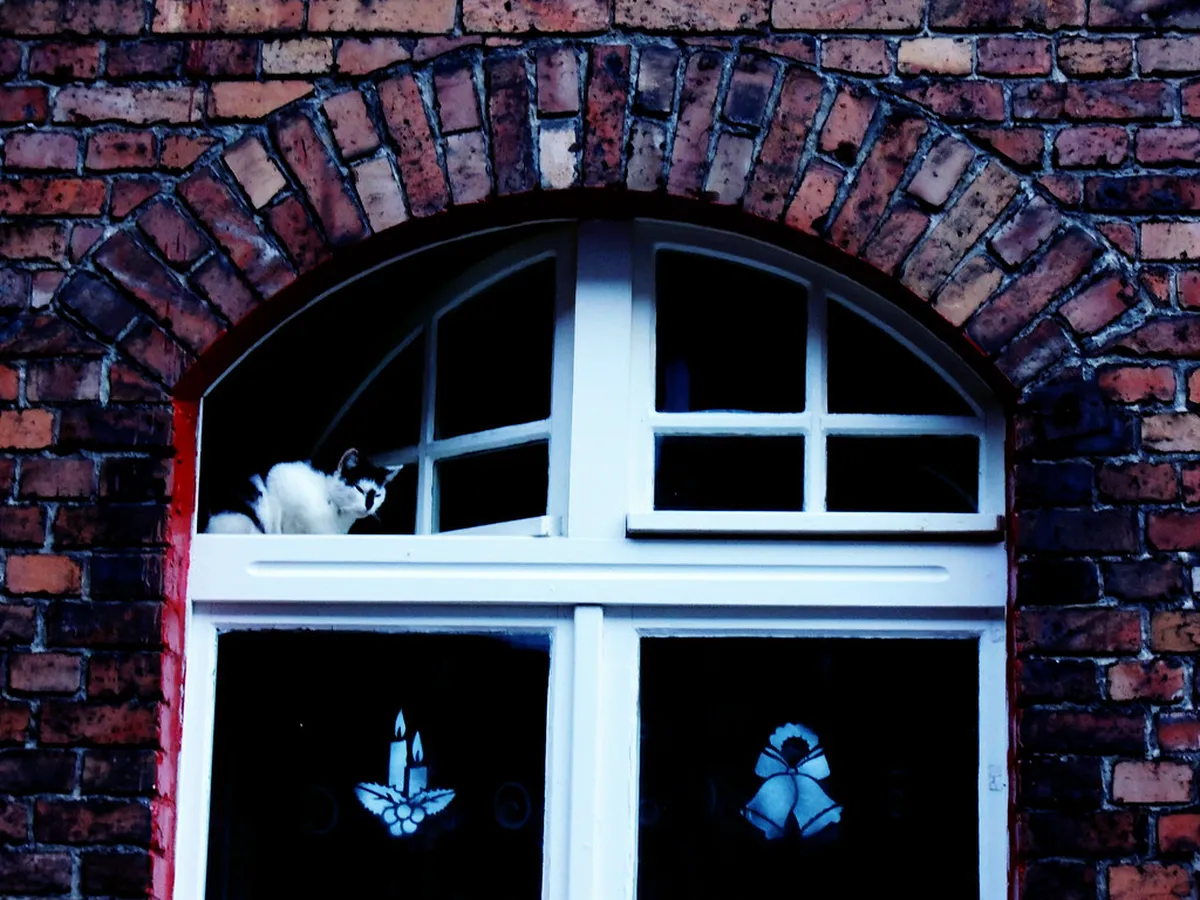
The housing blocks, known locally as familoki, rise three storeys and are arranged in rectangular plots around interior courtyards. Six overhead walkways connect the blocks above street level, resting on open arcades that frame the pavements below. Facades are enlivened by glazed ceramic details, varied window surrounds painted red, projecting bays, and shallow pilasters — a deliberate move to prevent the monotony common in industrial housing of the era. Competitors and even many heritage sources overlook this detail: each courtyard gateway has a slightly different arch form, giving the street network a quiet visual variety that rewards slow walking.
During the Silesian Uprisings of 1919 to 1921 the district saw street fighting as communities pushed for reunification with Poland. After the 1922 plebiscite placed the area within Polish borders, Nikiszowiec was absorbed into the municipality of Janów and eventually merged with Katowice in the 1960s. Poland's heritage authority listed it as a national Pomnik Historii, recognising its exceptional authenticity compared to other Silesian mining settlements that were altered or demolished. For a deeper read on the architectural documentation, spotkaniazzabytkami.pl covers the estate's heritage designation in detail.
Must-See Attractions in Nikiszowiec
Plac Wyzwolenia is the natural starting point for any visit to the district. The elongated rectangular square with its triangular annex holds the Church of St Anne, several ground-floor shops, and a post office, all within original Zillmann-era buildings. Arriving here first gives you an immediate sense of the estate's scale and internal logic before you branch out into the residential streets.
The Church of St Anne anchors the eastern end of the square with a neobaroque two-tower facade and an unusual flattened dome at the crossing. Construction began in 1914 and was interrupted by World War One, yet the interior retains its original decoration and fittings. Entry is free; opening hours follow Catholic service schedules, so a quiet mid-morning visit between services is the most relaxed option.
- Plac Wyzwolenia — the central square
- Start your walk here for the clearest overview of the district's layout.
- Ground-floor shops, a post office, and cafe terraces occupy the original service buildings.
- The square is open at all times and costs nothing to explore on foot.
- Church of St Anne (Kościół św. Anny)
- A neobaroque church designed by the Zillmann brothers, completed after World War One.
- Entry is free; quietest between Catholic services, typically mid-morning on weekdays.
- The dome and twin-tower facade are among the most photographed sights in the district.
- Galeria Magiel — Museum of Katowice History branch
- Housed in the former mine laundry building on the northwest edge of the estate.
- Permanent displays cover daily life in the miners' colony and the Janowska Group of naïve artists.
- Check current opening hours before visiting, as seasonal schedules can vary.
- Overhead walkways and arcade passages
- Six brick walkways bridge the streets between familok blocks at first-floor level.
- Walking through the arched ground-floor arcades gives the best sense of the estate's pedestrian scale.
- These passages are free to walk through at any time and make excellent photography spots.
Museums, Art, and Culture in Nikiszowiec
The Museum of Katowice History operates a branch inside the former mine laundry building, known today as Galeria Magiel. Permanent exhibitions trace the estate's construction, the daily routines of miners' families, and the unique social structure of a company-owned settlement. The museum also runs temporary exhibitions and thematic workshops; the Katowice attractions guide lists current cultural programming across the city.
After World War Two, a group of self-taught painters connected to the mine's cultural centre became known as the Janowska Group. Their work documented everyday Silesian mining life in a direct, vivid style that earned recognition far beyond the region. Several galleries in the district exhibit their canvases, and prints are available for purchase in some of the neighbourhood's art spaces.
The Nikiszowiec Festival runs annually and brings contemporary music, film, and visual art to the estate's courtyards and public spaces. The Jarmark na Nikiszu Christmas market, held over three days in early December each year, transforms Plac Wyzwolenia into a craft and food market with live performances. Both events draw large crowds, so arriving early in the day gives you more room to move and better access to the market stalls.
Where to Eat in Nikiszowiec
Silesian cuisine is rich and comforting, built around slow-braised meats, thick sauces, and potato-based dumplings called kluski śląskie. Several restaurants in and immediately around the district serve these dishes, ranging from traditional home-cooking spots to more polished dining rooms. For a full meal centred on Silesian flavours, the Katowice restaurant guide covers options across price points throughout the city.
Śląska Prohibicja is one of the most recommended restaurants in the area, occupying a restored building with an industrial interior and a menu that reworks regional classics. Rolady (beef roulade with red cabbage) and kluski are staples here, and the versions of traditional Silesian cake — kołocz — are worth ordering if available. Cafe Byfyj is a smaller, more casual option favoured for coffee and homemade cakes after a walk through the estate.
Budget travellers will find that a two-course lunch in the neighbourhood typically costs between 35 and 55 PLN per person at the time of writing, though prices shift with the season. Verify current menus and hours directly with each venue before visiting, as smaller cafes sometimes keep irregular hours outside summer and the December market period.
Silesian specialties like kluski śląskie (potato dumplings) and rolady (beef roulade) are signature dishes at both casual cafes and sit-down restaurants throughout the district, with traditional recipes and generous portions as the local standard.
Getting to Nikiszowiec from Katowice
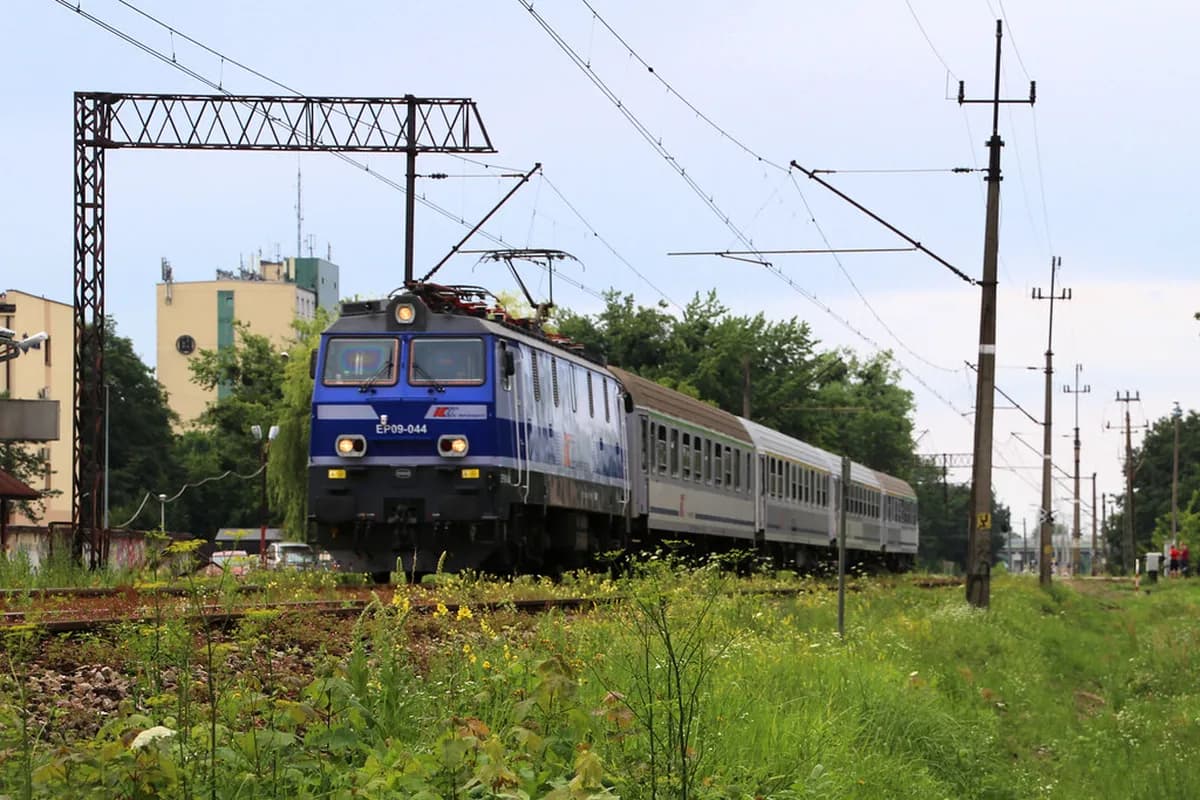
Nikiszowiec sits roughly 8 kilometres from Katowice city centre and is reachable in about 20 minutes by bus. Four bus routes serve the district from different departure points in the city, giving visitors a range of options depending on where they are staying. Public transport is the recommended choice, particularly during the Jarmark na Nikiszu market days when parking near the estate fills up quickly.
Bus 30 and Bus 920 both run from Aleja Wojciecha Korfantego every 30 minutes, or every 30 to 60 minutes for the 920. Bus 674 departs from Katowice Dworzec every 30 minutes, stopping at Giszowiec Mysłowicka and then Nikiszowiec Szyb Pułaski. Bus 930 runs hourly from Katowice Dworzec and Aleja Korfantego. Verify current timetables through the ZTM Katowice app or the Zarząd Transportu Metropolitalnego website before travelling, as schedules are revised periodically.
| Bus Route | Departure Point | Frequency | Notes |
|---|---|---|---|
| 30 | Aleja Korfantego | Every 30 min | — |
| 920 | Aleja Korfantego | Every 30–60 min | — |
| 674 | Katowice Dworzec | Every 30 min | Also serves Giszowiec |
| 930 | Katowice Dworzec | Hourly | — |
Drivers should follow Ulica Szopienicka toward the district and look for street parking along that road and on Ulica Murckowska near the municipal cemetery. On ordinary weekdays parking is generally straightforward, but weekend afternoons and event days bring significantly more competition for spaces. Cycling is also practical — the district connects to Katowice's municipal cycling network, and the flat terrain of the eastern part of the city suits most fitness levels.
How to Plan Your Visit to Nikiszowiec
A focused two-hour visit is enough to walk the main streets, cross the central square, and look inside the Church of St Anne. Adding the Galeria Magiel museum and a sit-down lunch stretches the day to three or four hours comfortably. Combine it with nearby Giszowiec — another planned miners' settlement, this one with a garden-city layout — and you have a full day of industrial heritage without backtracking. The day trips from Katowice guide covers how to pair Nikiszowiec with wider Silesian excursions if you have more time.
Spring and early autumn offer the most comfortable walking weather, with mild temperatures and longer daylight hours. Summer weekends can be busy, particularly when outdoor events are scheduled in the courtyards. The December Jarmark na Nikiszu is worth timing a visit around, but arrive on a Friday morning to avoid peak Saturday crowds.
Wear flat, comfortable shoes — the cobbled streets and arched passageways are uneven in places. Photography is unrestricted in public spaces, but courtyard interiors are residential, so a degree of discretion is sensible. Most of the estate's appeal lies in free street exploration, so even a tight travel budget leaves room for a full visit here. Combining a morning walk in the neighbourhood with an afternoon in central Katowice makes a well-paced two-day Katowice itinerary.
Spring and early autumn offer the most comfortable walking weather with mild temperatures and longer daylight hours, while summer weekends tend to be busy with outdoor events and the December Jarmark market draws large crowds — arrive early in the day for the best experience.
Combining Nikiszowiec with Giszowiec
Giszowiec, roughly 2 kilometres southwest of Nikiszowiec by road, is the natural companion stop for any visit to Katowice's industrial heritage. Where Nikiszowiec is dense, red-brick, and urban in feel, Giszowiec was designed on a garden-city model with detached and semi-detached cottages, tree-lined lanes, and a more open, village-like atmosphere. Both estates were built by the same mining company and designed in the same decade, so pairing them gives you a complete picture of how the Zillmann brothers adapted their approach to two very different briefs.
Bus 674, which already serves the Nikiszowiec Szyb Pułaski stop, continues to Giszowiec on the same route — the additional journey is around five minutes. Alternatively, the two estates are connected by a flat cycling path suitable for a relaxed 15-minute ride. There is no dedicated admission charge at Giszowiec either; the main draw is Plac Pod Lipami, a leafy central square with a preserved well and communal gardens, and several of the original workers' cottages that are still inhabited.
A combined visit works well as a half-day loop: arrive at Nikiszowiec by 9:30, spend two hours walking the estate and visiting the church, then take Bus 674 to Giszowiec for an hour of slower exploration before returning to Katowice city centre by early afternoon. Total additional time over a Nikiszowiec-only visit: 60 to 90 minutes. Total additional cost: one ZTM bus fare (around 3.60 PLN with a standard ticket, or free if you are still within a one-hour transfer window). Verify fares via the ZTM Katowice app before travel, as pricing is reviewed periodically.
Nikiszowiec at a Glance
- What it is: A preserved coal-miners' estate (familoki) built 1908–1912 in eastern Katowice, designated a national Pomnik Historii.
- Getting there: About 8 km from Katowice centre, roughly 20 minutes by ZTM buses 30, 920, 674, or 930; a standard ticket is around 3.60 PLN.
- Cost & time: Free to explore on foot; a focused walk takes about 2 hours, or 3–4 hours with the Galeria Magiel museum and lunch.
- Don't miss: Plac Wyzwolenia, the Church of St Anne, the overhead brick walkways, and the Galeria Magiel branch of the Museum of Katowice History.
- Tourist info: Local point at ul. Rymarska 4 (Tue–Fri 10:00–17:30, Sat 11:00–14:30); pair the visit with nearby Giszowiec for a full day.
- Useful links: Wikipedia: Nikiszowiec · City of Katowice (official)
Frequently Asked Questions
Is Nikiszowiec free to visit?
Yes, exploring Nikiszowiec costs nothing. The streets, courtyards, and Plac Wyzwolenia are all public spaces you can walk through freely. Entry to the Church of St Anne is also free. The Galeria Magiel museum branch charges a small admission fee; check the Museum of Katowice History website for current prices before visiting.
How long does it take to visit Nikiszowiec?
A focused walk through the main streets and central square takes around two hours. Including the Galeria Magiel museum and a meal at one of the local restaurants extends a visit to three or four hours. Pairing the estate with nearby Giszowiec makes for a comfortable full-day itinerary if you enjoy industrial heritage sites.
What bus goes to Nikiszowiec from Katowice?
Four bus routes connect Katowice city centre to Nikiszowiec: lines 30 and 920 run from Aleja Korfantego every 30 to 60 minutes, while lines 674 and 930 depart from Katowice Dworzec every 30 minutes and hourly respectively. The journey takes roughly 20 minutes. Check the ZTM Katowice app for live timetables. For more transport options, see Getting Around Katowice Travel Guide.
When is the Jarmark na Nikiszu Christmas market?
The Jarmark na Nikiszu market is held each December, typically running for three days over the first weekend of the month on Plac Wyzwolenia; the 2026 edition is expected to follow the same early-December pattern, so check the city's official channels for confirmed dates closer to the event. Stalls sell Silesian food, handmade ornaments, and regional crafts, accompanied by live music. Arriving on a Friday morning avoids peak Saturday afternoon crowds.
Is Nikiszowiec worth visiting if you only have one day in Katowice?
Nikiszowiec is one of the most distinctive sights in the city and fits easily into a single day alongside central Katowice. A two-hour morning visit leaves the afternoon free for the city centre. The estate's preserved architecture, free access, and local cafe scene make it one of the highest-value stops in the region for history and photography fans.
Nikiszowiec stands apart from most urban heritage sites because it remains genuinely lived-in, with residents, neighbourhood businesses, and cultural events all sharing the same century-old red-brick framework. That authenticity is what draws visitors back, and it is the quality that no amount of renovation or tourist infrastructure can manufacture. Plan even a short morning here and you will leave with a clearer sense of what Silesian industrial culture actually looked like — and felt like — at its most coherent.
Use the bus routes to arrive without the parking stress, start your walk on Plac Wyzwolenia, and let the arched passages lead you deeper into the blocks at your own pace. Whether you pair it with the Katowice Old Town Travel Guide for a full city day or use it as a standalone half-day excursion, Nikiszowiec rewards curiosity and slow travel in equal measure.
You might also like


Continue reading
More guides you'll find useful