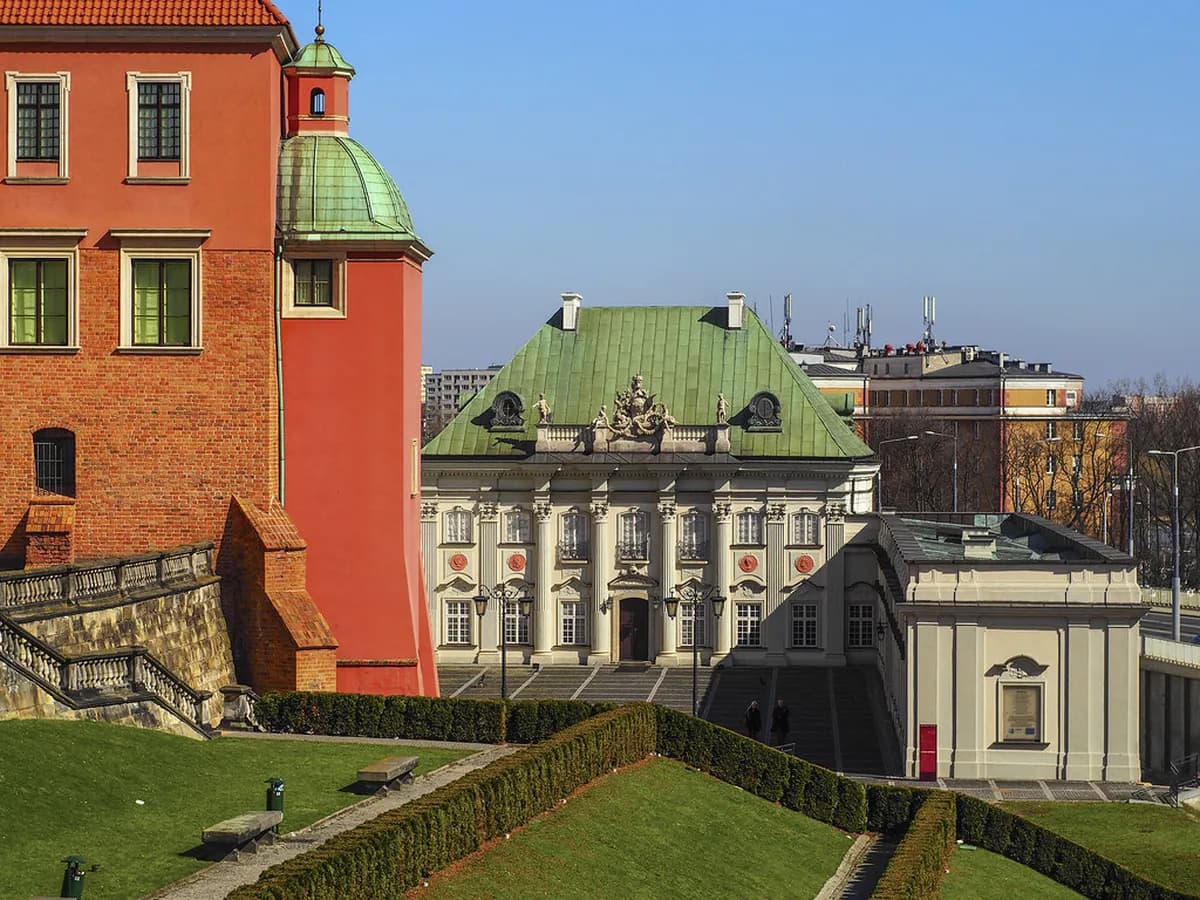

Discover the Authentic Charm of Praga District Warsaw
Warsaw offers a rich tapestry of history and modernity for every traveler.
Beyond the rebuilt Old Town lies the captivating Praga district Warsaw.
This historic area presents an authentic, gritty, and artistic side of the city.
You can experience a unique blend of bohemian charm and local life here.
Discovering Praga District Warsaw's Unique Charm
Praga stands out from other Warsaw neighborhoods with its distinct character. Unlike most of Warsaw, it largely survived World War II bombings. This survival left behind pre-war architecture and a genuine atmosphere. Wandering its streets feels like stepping back in time.
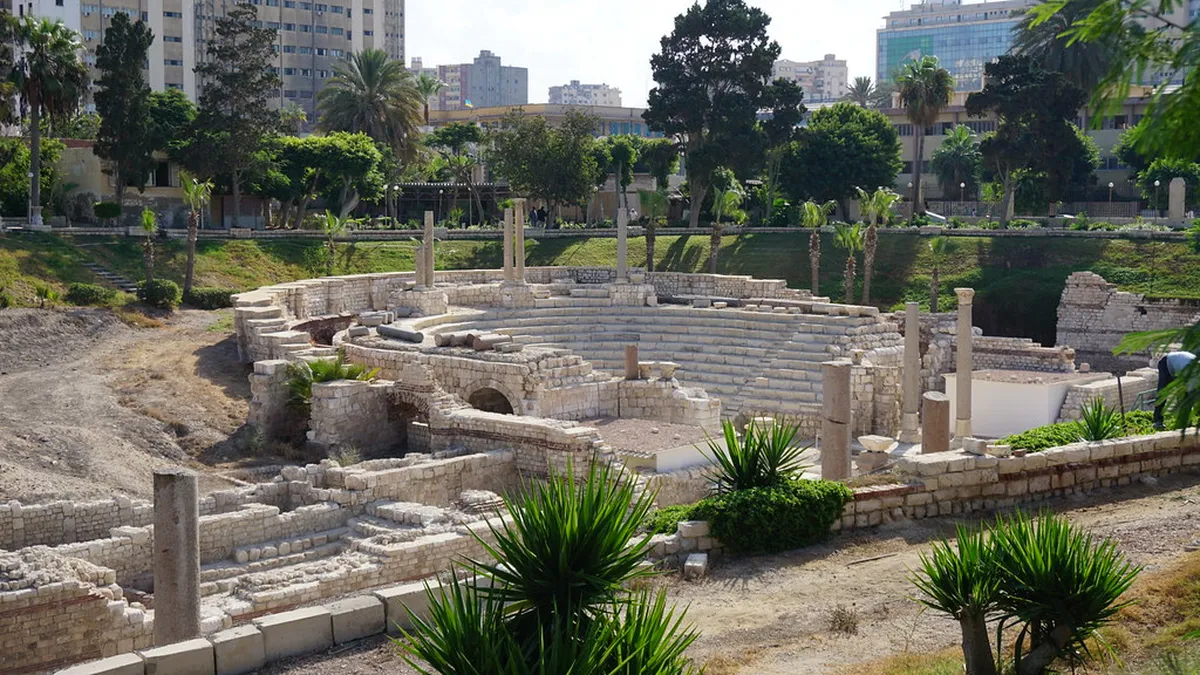
The district has long been a hub for artists and creatives. Bohemian cafes and independent galleries dot its lively streets. You will find impressive street art adorning many building walls. This artistic spirit contributes to Praga's undeniable appeal.
Praga's raw and authentic vibe offers a refreshing contrast to the more polished city center. It provides a glimpse into Warsaw's past and evolving present. You can observe daily life unfold in a less touristy setting. This authenticity makes Praga a truly special place to explore. Check our guide to things to do in Warsaw for a broader city overview.
The area is undergoing significant revitalization while retaining its soul. New businesses and cultural initiatives are breathing fresh life into old spaces. Despite changes, the district maintains its unique identity and charm. Praga continues to be a fascinating blend of old and new.
Top Attractions and Hidden Gems in Praga
The Koneser Centre is a must-visit destination within Praga. This former vodka distillery now houses trendy restaurants, shops, and art galleries. It serves as a vibrant cultural hub for both locals and visitors. You can easily spend several hours exploring its various offerings.
The Neon Museum at Soho Factory (ul. Mińska 25) is open Tuesday–Sunday, 12–8 PM. Entry costs around 25 PLN. It is one of Warsaw's most photogenic spots — go before 2 PM on weekdays for the smallest crowds.
Another unique spot is the Neon Museum, located in the Soho Factory complex. It showcases a fascinating collection of historic neon signs from the Cold War era. This museum offers a colorful and nostalgic journey through Polish design. Entry fees are modest, making it an accessible attraction.
St. Mary Magdalene Orthodox Cathedral is an impressive architectural landmark. Its striking onion domes and intricate interior are truly captivating. The cathedral stands as a testament to Praga's diverse religious history. Visitors should dress respectfully when entering this sacred space.
For a touch of nature, visit Praga Park (Park Praski) and its zoo. This green oasis provides a peaceful escape from city life. The Warsaw Zoo is home to many animal species, popular with families. Consider a leisurely stroll or picnic in this lovely urban park.
Praga is also famous for its extensive and evolving street art. Many murals tell stories of the district's past and present. Taking a self-guided walking tour to discover these artworks is highly recommended. New pieces appear regularly, offering fresh discoveries, and the official Warsaw tourism portal lists current exhibitions and events across the district.
Savory Bites and Lively Nights: Praga's Culinary Scene
Praga's food scene offers a delightful mix of traditional and modern flavors. You can find classic Polish eateries serving hearty pierogi and bigos. Many local spots provide an authentic taste of Polish home cooking. These experiences often come with very reasonable prices. Our guide to the best Polish food in Warsaw covers what to order and where.
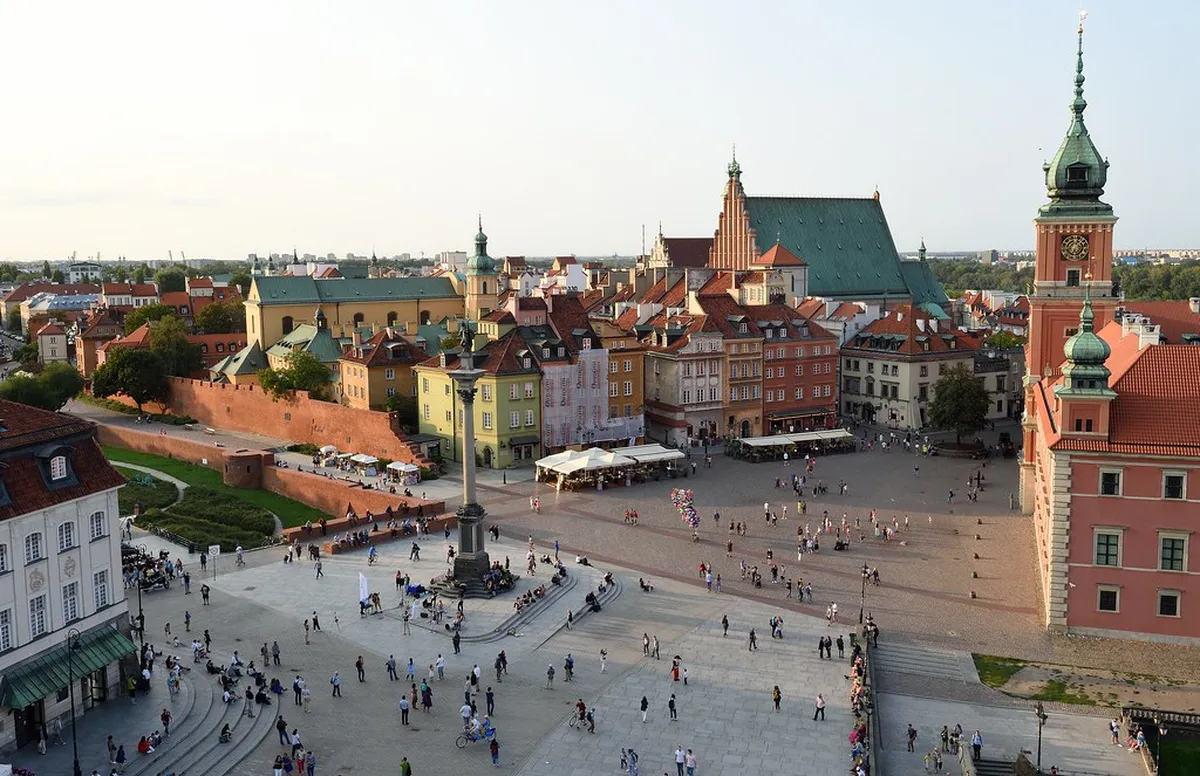
The district boasts an array of charming cafes perfect for a coffee break. Artisanal bakeries offer fresh pastries and delicious cakes. You can enjoy a relaxing afternoon in a cozy, bohemian setting. These cafes often feature local art and a laid-back atmosphere.
For evening entertainment, Praga comes alive with numerous bars and pubs. Many establishments specialize in craft beer, offering a wide selection. You can find lively spots with live music or quieter corners for conversation. The atmosphere is generally more relaxed and less touristy than downtown.
Some of Warsaw's most innovative restaurants have also found a home in Praga. Chefs are experimenting with new takes on Polish ingredients and international cuisine. You can discover unique dining experiences that blend history with modern gastronomy. These places often require reservations, especially on weekends.
Exploring the local markets can also yield culinary treasures. Fresh produce, local cheeses, and regional delicacies are readily available. This provides an excellent opportunity to sample local flavors. Many vendors are happy to offer recommendations and samples.
Exploring Praga's Artistic Side and Local Markets
Praga pulses with a vibrant artistic energy, evident in its numerous galleries. Independent artists often showcase their work in converted industrial spaces. You can discover unique paintings, sculptures, and mixed-media pieces. Many galleries offer opportunities to meet the artists themselves.
For unique souvenirs and vintage finds, Praga's shops are a treasure trove. Boutiques sell handmade crafts, local designs, and quirky gifts. You can unearth one-of-a-kind items not found in typical tourist shops. These purchases make for memorable keepsakes or gifts.
The district is also known for its various flea markets and antique stalls. On weekends, you might stumble upon an open-air market with hidden gems. Bargaining is often part of the experience, adding to the fun. Arrive early for the best selection of vintage clothing, records, and collectibles.
Praga's creative spirit extends to its many workshops and studios. Some offer classes or demonstrations, allowing visitors to engage directly. You can learn about traditional crafts or modern art techniques. This provides a deeper appreciation for the local creative community.
Embrace the opportunity to connect with local artisans and shopkeepers. They often share fascinating stories about their craft and the district. These interactions offer a genuine insight into Praga's character. Supporting local businesses helps preserve the area's unique charm.
Navigating Praga District Warsaw: Tips for Travelers
Getting to Praga is straightforward thanks to Warsaw's excellent public transport. Trams and buses connect the district to the city center efficiently. The metro also has several stops within or near Praga, like Dworzec Wileński. A single ticket allows transfers between different modes of transport, and current fares are published by Warsaw Public Transport (WTP). See our full getting around Warsaw guide for maps and ticketing details.
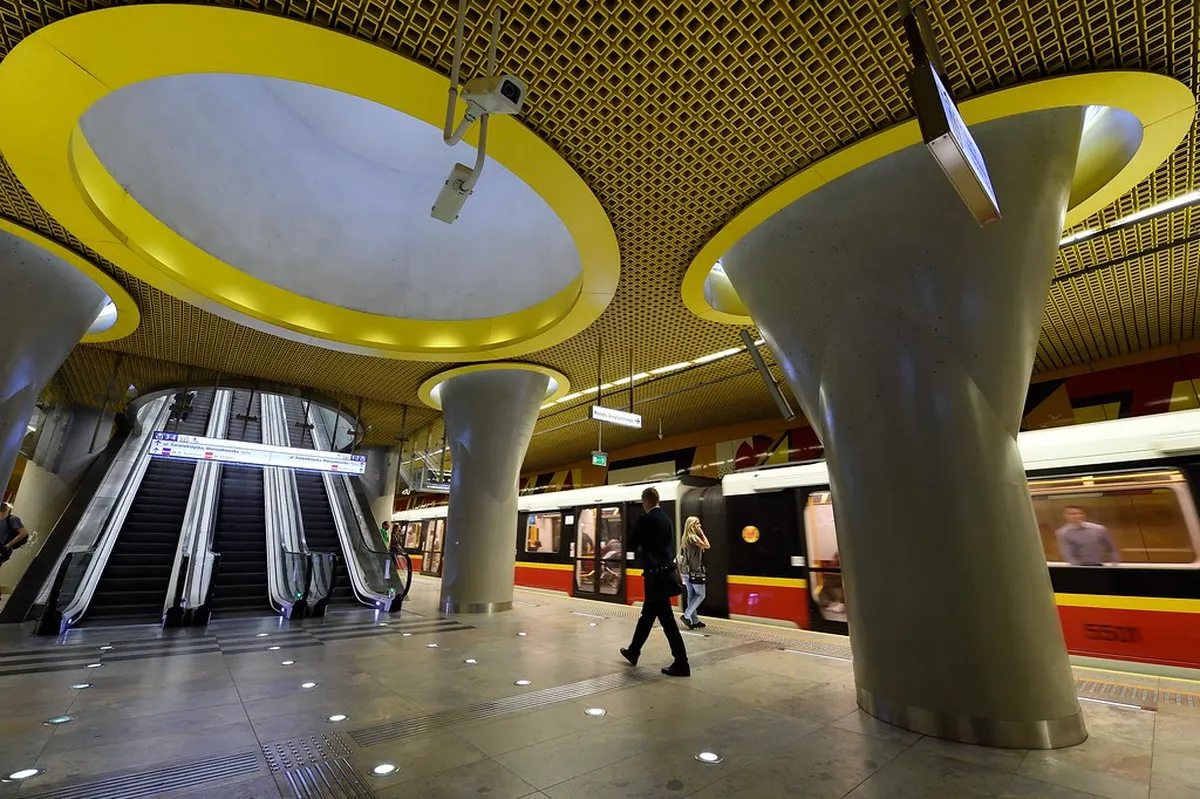
Walking is often the best way to explore Praga's charming streets. Many attractions are within easy walking distance of each other. Wear comfortable shoes, as you will likely cover a fair amount of ground. Consider a guided walking tour to learn more about the area's history.
While generally safe, it is wise to remain aware of your surroundings. Like any urban area, pickpocketing can occur in crowded places. Keep valuables secure and avoid walking alone late at night in less populated areas. Staying vigilant ensures a pleasant and worry-free visit.
The best time to visit Praga is during spring or early autumn. The weather is pleasant for walking, and outdoor activities are enjoyable. Crowds are typically smaller than in peak summer months. This allows for a more relaxed and immersive experience. For more surprises around the city, read our guide to Warsaw hidden gems.
Praga offers a truly authentic Warsaw experience, distinct from the Old Town. It provides a glimpse into the city's pre-war past and artistic future. Consider staying in Praga for a unique perspective on the city. You can find various accommodation options to suit different budgets.
The Pianist, the Zoo, and Praga's Wartime Layers
Because Praga survived WWII intact while the west bank was razed, it became a stage for one of cinema's most important war films. Several scenes from Roman Polański's The Pianist (2002) were filmed on ul. Mała, a short cobblestoned street near Targowa that still looks largely as it did in 1942. Walking it takes five minutes and costs nothing — a far more visceral connection to the occupation than any museum exhibit.
Warsaw Zoo (ul. Ratuszowa 1/3), just north of Park Praski, carries its own remarkable history: during the occupation, director Jan Żabiński and his wife Antonina sheltered around 300 Jewish people in the empty animal enclosures and their villa — an act documented in the book and film The Zookeeper's Wife. The zoo is open daily from 09:00 to 18:00 (summer); tickets cost 45–55 PLN for adults. Their villa (Willa Żabińskich) is preserved on the grounds as a small free museum. Combined with the Neon Museum and Koneser, Praga rewards a full-day visit rather than a quick afternoon detour.
Ząbkowska Street and Soho Factory: Praga's Creative Route
ul. Ząbkowska is Praga's main artery for nightlife and independent culture. The 600-metre stretch between al. Solidarności and ul. Targowa is lined with craft-beer bars, vinyl record shops, and street art installations that change seasonally. Most bars open from 17:00; the street is quietest before 19:00 if you prefer a relaxed walk-through. The monthly Praga Flea Market (Targ Staroci) sets up near the corner of Ząbkowska and Brzeska on the first Sunday of each month.
Soho Factory (ul. Mińska 25), a post-industrial complex roughly 1 km south of Ząbkowska, houses the Neon Museum, concept stores, and the Yolo Club. The complex is pedestrian-friendly and open during daylight hours with free access to the courtyard. The Neon Museum is the anchor draw (Tue–Sun, 12:00–20:00, ~25 PLN), but the surrounding street-art corridor — curated by local collective Gruppa Smolna — is worth an unhurried hour on its own. See our Warsaw nightlife guide for the best bars along this route into the evening.
Frequently Asked Questions
Is Praga district Warsaw safe for tourists?
Yes, Praga district Warsaw is generally safe for tourists during the day. Like any urban area, it is wise to be aware of your surroundings, especially at night. Stick to well-lit and populated areas for evening strolls. Many areas have undergone significant revitalization, making them very welcoming.
What is Praga district famous for?
Praga district is famous for its authentic pre-war architecture, vibrant street art, and bohemian atmosphere. It is known for its unique cultural venues, independent art galleries, and lively culinary scene. The district offers a grittier, more local experience compared to central Warsaw.
How do I get to Praga district from central Warsaw?
You can easily reach Praga district from central Warsaw using public transport. Trams and buses run frequently, connecting various parts of the city. The metro also serves Praga, with stops like Dworzec Wileński providing direct access. Travel times are typically short, around 15-25 minutes.
What are the must-see attractions in Praga?
Must-see attractions in Praga include the Koneser Centre, a revitalized distillery complex with shops and restaurants, and the fascinating Neon Museum. The impressive St. Mary Magdalene Orthodox Cathedral is also worth a visit. Don't miss exploring the vibrant street art murals throughout the district.
The Praga district Warsaw offers a compelling journey into a different side of the city.
Its authentic charm, rich history, and thriving artistic scene make it unforgettable.
From historic sites to modern cafes, Praga promises unique experiences.
Embrace the opportunity to explore this truly special and evolving neighborhood.
You might also like



Continue reading
More guides you'll find useful