

Savor the Best Polish Food in Warsaw: A Culinary Journey
Warsaw, Poland's vibrant capital, offers a remarkable range of flavors for every visitor.
Exploring the city's culinary landscape is a highlight for many travelers.
You can discover an incredible array of traditional dishes and modern interpretations.
This guide will help you find the best Polish food in Warsaw and truly savor its unique tastes. Before you plan your meals, check our full guide on things to do in Warsaw so you can combine food with sightseeing.
Must-Try Traditional Polish Dishes in Warsaw
No visit to Warsaw is complete without tasting its iconic pierogi. These delicious dumplings come with various fillings, both savory and sweet. Popular options include meat, cabbage and mushrooms, or potato and cheese (ruskie). Sweet pierogi often feature seasonal fruits like blueberries or strawberries.

| Dish | Type | Average Price (PLN) |
|---|---|---|
| Pierogi (ruskie) | Dumplings – vegetarian | 18–30 |
| Żurek | Sour rye soup | 15–25 |
| Bigos | Hunter's stew – meat | 25–40 |
| Golabki | Cabbage rolls – meat/rice | 25–38 |
| Barszcz | Beetroot soup | 12–22 |
Żurek, a traditional sour rye soup, offers a hearty and distinctive flavor. It typically includes boiled eggs, white sausage, and potatoes. This soup is often served in a bread bowl, making it an unforgettable experience. It provides warmth and comfort, especially during cooler months.
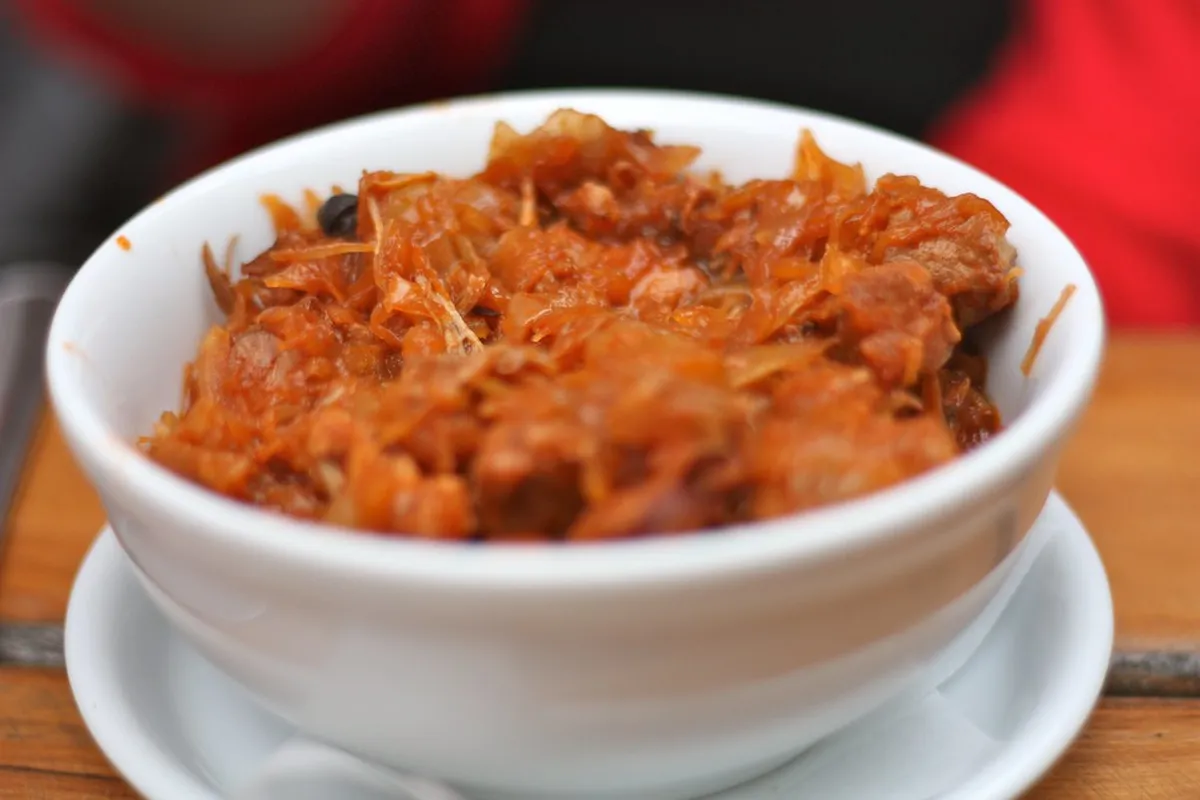
Bigos, known as 'hunter's stew,' is another Polish culinary staple. This rich dish combines sauerkraut, fresh cabbage, various meats, and mushrooms. It simmers for hours, allowing flavors to meld beautifully. Bigos, like traditional Polish dishes in Kraków, is a truly comforting and deeply satisfying meal.
Golabki, or cabbage rolls, feature minced meat and rice wrapped in soft cabbage leaves. They are usually baked and served with a rich tomato sauce. This dish showcases the simplicity and heartiness of Polish home cooking. Many restaurants offer their own unique take on this classic.
Barszcz, a clear beetroot soup, provides a lighter yet equally flavorful option. It can be enjoyed on its own or with small mushroom dumplings called uszka. This vibrant red soup is often served during festive occasions. It offers a refreshing contrast to heavier main courses.
Top Spots to Savor Authentic Polish Cuisine
Warsaw boasts numerous traditional restaurants (restauracje) specializing in Polish fare. Look for places with 'kuchnia polska' or 'tradycyjna' in their names. These establishments often offer a cozy atmosphere and classic decor. They are ideal for experiencing a full-service Polish meal.
Milk bars (bary mleczne) provide an incredibly authentic and budget-friendly option. These cafeterias, a relic from the communist era, serve simple, homemade dishes. Expect hearty portions and very affordable prices. They offer a true glimpse into everyday Polish dining habits.
At a Warsaw milk bar, a full meal of soup, main course, and a drink typically costs 20–35 PLN (around €5–8). Most milk bars are open Monday–Friday 8 AM–5 PM only, so plan a weekday lunch visit.
Street food markets and seasonal festivals are fantastic for casual tasting. You can sample a variety of dishes from different vendors. These events often feature local specialties and regional delicacies. The official Warsaw tourism portal lists current food festivals and seasonal markets during your visit.
For a deeper dive into the local scene, consider a Warsaw food and drink tour. These guided experiences introduce you to under-the-radar spots and local favorites. Expert guides share cultural insights alongside culinary delights. It's an excellent way to explore diverse flavors efficiently.
Beyond the Classics: Modern Polish Food Experiences
Warsaw's culinary scene extends far beyond traditional dishes. Many contemporary restaurants offer innovative takes on Polish classics. Chefs combine traditional ingredients with modern cooking techniques. This creates exciting and unexpected flavor profiles for diners.

You can find upscale dining establishments pushing the boundaries of Polish cuisine. These restaurants often feature elegant settings and refined presentations. They are perfect for a special evening or a sophisticated meal. Expect a higher price point for these unique culinary experiences.
Fusion restaurants in Warsaw blend Polish flavors with international influences. This approach results in creative and globally inspired dishes. Diners can experience Polish ingredients in entirely new contexts. It offers a fresh perspective on the country's rich food heritage.
The city's dynamic food scene reflects its vibrant cultural evolution. New eateries open regularly, bringing fresh ideas and concepts. Exploring these modern spots reveals the exciting future of Polish gastronomy. It is a testament to Warsaw's innovative spirit and culinary talent.
Essential Tips for Eating Out in Warsaw
Tipping customs in Poland are similar to many European countries. A 10-15% tip is standard if you are happy with the service. You can leave cash on the table or add it when paying by card. Always check if a service charge has already been included.
Making reservations is advisable, especially for popular restaurants or weekend evenings. Many establishments allow online booking through their websites. Calling ahead ensures you get a table at your preferred time. This practice helps avoid disappointment during busy periods.
Learning a few basic Polish phrases can enhance your dining experience. Simple words like 'Dzień dobry' (hello) and 'Dziękuję' (thank you) are appreciated. Asking for 'rachunek, proszę' (the bill, please) is also very useful. Locals often appreciate the effort to speak their language, and the national tourism site poland.travel offers a helpful primer on Polish culinary traditions.
Consider exploring different neighborhoods for diverse culinary offerings. Śródmieście offers many fine dining options and trendy cafes. Praga provides a more bohemian vibe with unique local eateries. For more detailed recommendations on dining spots, explore our guide on where to eat in Warsaw. First-time visitors will also find useful practical advice in our Warsaw travel tips.
Sweet Endings and Local Polish Drinks
Polish desserts offer a delightful conclusion to any meal. Sernik, a creamy cheesecake, is a national favorite with many variations. Makowiec, a poppy seed roll, is often enjoyed during holidays. These sweet treats provide a comforting taste of Polish baking.
Pączki, a traditional Polish doughnut, is particularly popular around Fat Thursday. These fluffy, jam-filled delights are a must-try for any sweet tooth. You can find them in bakeries across the city. They offer a truly indulgent and satisfying experience.
Poland is famous for its vodka, often enjoyed neat and chilled. Try flavored vodkas like żubrówka (bison grass) or wiśniówka (cherry). Craft beer culture is also thriving in Warsaw, with many local breweries. For more options on drinks and nightlife, check out our guide to the best bars in Warsaw. Pair your culinary visit with a trip to the best museums in Warsaw for a full cultural day.
For non-alcoholic options, try kompot, a traditional fruit compote. It is a refreshing drink made from stewed fruits and water. You can also find excellent coffee and tea houses throughout the city. These spots provide a cozy retreat for a break.
Warsaw-Only Specialties You Won't Find Elsewhere
While pierogi and bigos are served across Poland, a few dishes belong almost exclusively to Warsaw. Pyzy are soft potato dumplings stuffed with seasoned minced meat — distinct from pierogi in their round shape and dough texture. The Old Town stall Pyzy, Flaki Gorące (ul. Freta 10) serves them daily for around 15–22 PLN and draws queues of locals at lunchtime.
Wuzetka is Warsaw's signature cake: a dense chocolate sponge layered with whipped cream and glazed with dark chocolate. Named after the W-Z route (a Cold War-era road project), every bakery in the city has its version. Pick one up at any piekarnia (bakery) for 8–12 PLN — far better value than the tourist-trap cafes near the Old Town. Warsaw's markets and food halls are the easiest place to find both alongside other local bites.
Warsaw Food Markets and Halls Worth the Detour
Hala Koszyki (ul. Koszykowa 63) is Warsaw's most atmospheric food hall, a restored 1909 market building packed with artisan food stalls, fishmongers, and specialty coffee bars. It is open daily until 22:00 and is especially lively on weekend afternoons. Budget around 40–70 PLN for a satisfying meal from multiple stalls — try steak tartare (tatar) here, a Polish staple that the city's better restaurants elevate with pickled cucumber and quail egg.
Hala Mirowska (pl. Mirowski 1) is the city's oldest public market, operating since 1901. Go on a weekday morning for seasonal produce, smoked cheeses, and jars of regional preserves at local prices. Vendors at the outer stalls sell fresh obwarzanki (sesame-seed bread rings) for 3–4 PLN — Warsaw's answer to a street snack. For a full picture of where locals eat, our where to eat in Warsaw guide complements this market-and-restaurant overview.
Frequently Asked Questions
What are the most popular Polish dishes to try in Warsaw?
The most popular Polish dishes to try in Warsaw include pierogi (dumplings with various fillings), żurek (sour rye soup), and bigos (hunter's stew). You should also sample golabki (cabbage rolls) and barszcz (beetroot soup). Many restaurants offer these traditional favorites across the city.
Where can I find vegetarian Polish food options in Warsaw?
Vegetarian Polish food options are readily available in Warsaw. Look for pierogi ruskie (potato and cheese) or pierogi with mushrooms and cabbage. Many restaurants also offer meat-free żurek or barszcz. Modern eateries often feature dedicated vegetarian and vegan menus for diverse choices.
Is it expensive to eat out in Warsaw, especially for Polish food?
Eating out in Warsaw can be quite affordable, especially when trying Polish food. Milk bars offer very budget-friendly meals, while traditional restaurants provide good value. Upscale dining will naturally be more expensive. Overall, Warsaw offers dining options for every budget.
What is a 'milk bar' in Warsaw, and should I visit one?
A 'milk bar' (bar mleczny) is a traditional, no-frills cafeteria serving classic Polish dishes at very low prices. They offer a unique cultural experience and authentic, hearty meals. Visiting a milk bar is highly recommended for an inexpensive and genuine taste of local life in Warsaw.
What is the best way to explore Warsaw's food scene?
The best way to explore Warsaw's food scene is by trying a mix of traditional restaurants, local milk bars, and modern eateries. Consider joining a food tour for curated experiences and local insights. Don't forget to visit local markets for fresh produce and street food.
Warsaw's culinary landscape offers a delightful journey through Poland's rich heritage.
From hearty traditional dishes to innovative modern cuisine, there is a dish for every appetite.
Exploring the city's food scene provides a deeper connection to its culture and people.
Prepare to indulge in the best Polish food in Warsaw and create lasting memories.
You might also like


Continue reading
More guides you'll find useful


