Polish Beer Guide: Brands, Craft Breweries, and Drinking Rules in Poland
Last updated July 2026: Poland's beer market splits into three practical tiers, from mass-market lagers to a fast-growing craft movement. This polish beer guide covers the brands worth ordering, where to buy them, and the drinking customs that catch first-time visitors off guard. Expect concrete detail on shop-versus-bar pricing, the bottle deposit system, and the syrup-topped pour called piwo z sokiem.
Polish Beer Landscape: Macro, Regional, and Craft
Poland's beer market splits into three practical tiers. Mass-market macros dominate shop shelves and bar taps nationwide. Regional (regionalne) breweries hold strong local followings outside their home cities. A newer craft (kraftowe) scene has grown around independent breweries and specialty bars in Kraków and Wrocław. Beer sits alongside vodka on what locals sometimes call the country's beer-vodka line, where both traditions rank highly for quality. The Polish Vodka Guide 2026: Best Brands, Prices, and Drinking Etiquette covers that side of the pairing in detail. Home-infused fruit liqueurs called nalewka often show up at the same gatherings. The Nalewka Guide: Everything to Know About Poland's Infused Spirits breaks down the most common styles.
| Tier | Examples | Typical ABV | Best For |
|---|---|---|---|
| Macro (mass market) | Żywiec, Tyskie Gronie, Okocim | 5.2%-7.0% | Budget nights out, festivals, easy availability |
| Regional (regionalne) | Browar Amber, Perła | Varies by brewery | Better value than macros, local pride |
| Craft (kraftowe) | Pinta, AleBrowar, Artezan | Varies, often bolder | Flavor-forward styles at multitap bars |
The Big Three: Żywiec, Tyskie Gronie, and Okocim
Ask for 'piwo' with no other detail anywhere in Poland and expect one of these three. Żywiec has operated since 1856, and its label still shows a couple dancing the Krakowiak. Heineken now holds majority ownership, though the standard lager (5.6%) and the 1881-vintage Porter (9.5%) remain widely stocked. Tyskie Gronie comes from the Tyskie Brewery in Tychy, Silesia, home to one of Poland's oldest continuously operating brewhouses, open to visitors since 1905. Its Classic lager (5.2%) is the country's most recognizable pour. Okocim O.K. has brewed in Brzesko since 1845 and now operates under Carlsberg Polska, with Classic (5.6%) and Premium (7.0%) versions on export shelves.
- Budget-conscious rounds at festivals or football-viewing bars
- A reliably cold, easy-drinking lager on a hot day
- Wide availability in every Żabka, Biedronka, and pub in the country
Regional Beers and the Budget Tier
Regional breweries often deliver more character than the Big Three for a similar price. Browar Amber is worth seeking out for its Żywe and Koźlak styles. Perła, brewed in Lublin, has become a cult favorite among Warsaw drinkers despite a modest national profile. Not every regional or budget brand impresses. Żubr has brewed since 1768, historically near Białystok and now also in Poznań, and its can still carries the European bison that gives the beer its name.
Regional beers like Żubr and Tatra (6.0% ABV each) match the macro tier's typical 5.2%–7.0% range, yet deliver deeper history and character without premium pricing.
- Tatra - 6.0% ABV, straightforward and strong
- Żubr - 6.0% ABV, brewed since 1768, European bison on the can
- Harnaś - budget shelf staple with little tasting complexity
The Craft Beer Revolution: Pinta, AleBrowar, and Artezan
A wave of independent breweries has reshaped Polish drinking since the 2010s, a shift industry writers call the piwna rewolucja, or beer revolution. Browar Pinta led the movement, and its Atak Chmielu remains a reference-point hop-forward beer. AleBrowar and Artezan followed as leaders of the modern scene, both known for rotating small-batch releases. Kraków and Wrocław anchor much of the country's craft brewing activity, while Warsaw concentrates the largest number of multitap bars pouring their beers. Look past the Big Three on any multitap chalkboard to find these names.
Poland's macro breweries—Żubr (1768), Żywiec (1856), and Okocim (1845)—have dominated for centuries, while the craft movement only started in the 2010s, marking a recent shift away from mass-market dominance.
Grodziskie: Poland's Indigenous Beer Style
Grodziskie is the only beer style that originated entirely within Poland's borders, sometimes nicknamed the 'Polish Champagne' for its pale color, light body, and heavy carbonation. Traditionally brewed from oak-smoked wheat malt, the style nearly disappeared in the 20th century before craft breweries revived it. Look for it at specialty bottle shops and multitap bars rather than supermarket shelves. It is a niche pour, not a mainstream one, so check current stock before making a special trip to any one venue.
Where and How to Buy Beer in Poland
Beer is easy to find nearly everywhere in Poland, but where you buy it changes the price and the selection. A bottle from a supermarket shelf costs noticeably less than the same beer poured at a bar or multitap. Craft pours at a multitap generally cost more than a macro lager at a neighborhood pub, reflecting smaller production runs. Check current shelf prices at Żabka or Biedronka and bar menus at your chosen venue, since figures shift through 2026. Regional and craft brewers increasingly sell niepasteryzowane (unpasteurized) beer, prized for a fresher taste, but these bottles carry a shorter shelf life than mass-market lager. Check the termin przydatności, or expiration date, printed on the label before buying, especially at independent shops.
- Żabka - convenience stores on nearly every block, best for a single cold bottle
- Biedronka and Lidl - supermarket chains for bulk buys and the widest macro selection
- Multitap bars - specialty venues in Warsaw, Kraków, and Wrocław pouring regional and craft beer by the glass
Bottle Deposits and Public Drinking Laws
Poland runs a bottle deposit system called kaucja on many glass beer bottles. Shops charge a small deposit at purchase and refund it when the empty bottle comes back, so keep the receipt as proof of purchase. Public drinking carries real risk. Drinking in streets, parks, and other spots outside licensed premises is against local regulations and can draw a fine. Stick to bars, restaurants, beer gardens, or private property to stay on the right side of the rule.
Piwo z Sokiem and Piwo Grzane: Beer Traditions and Food Pairings
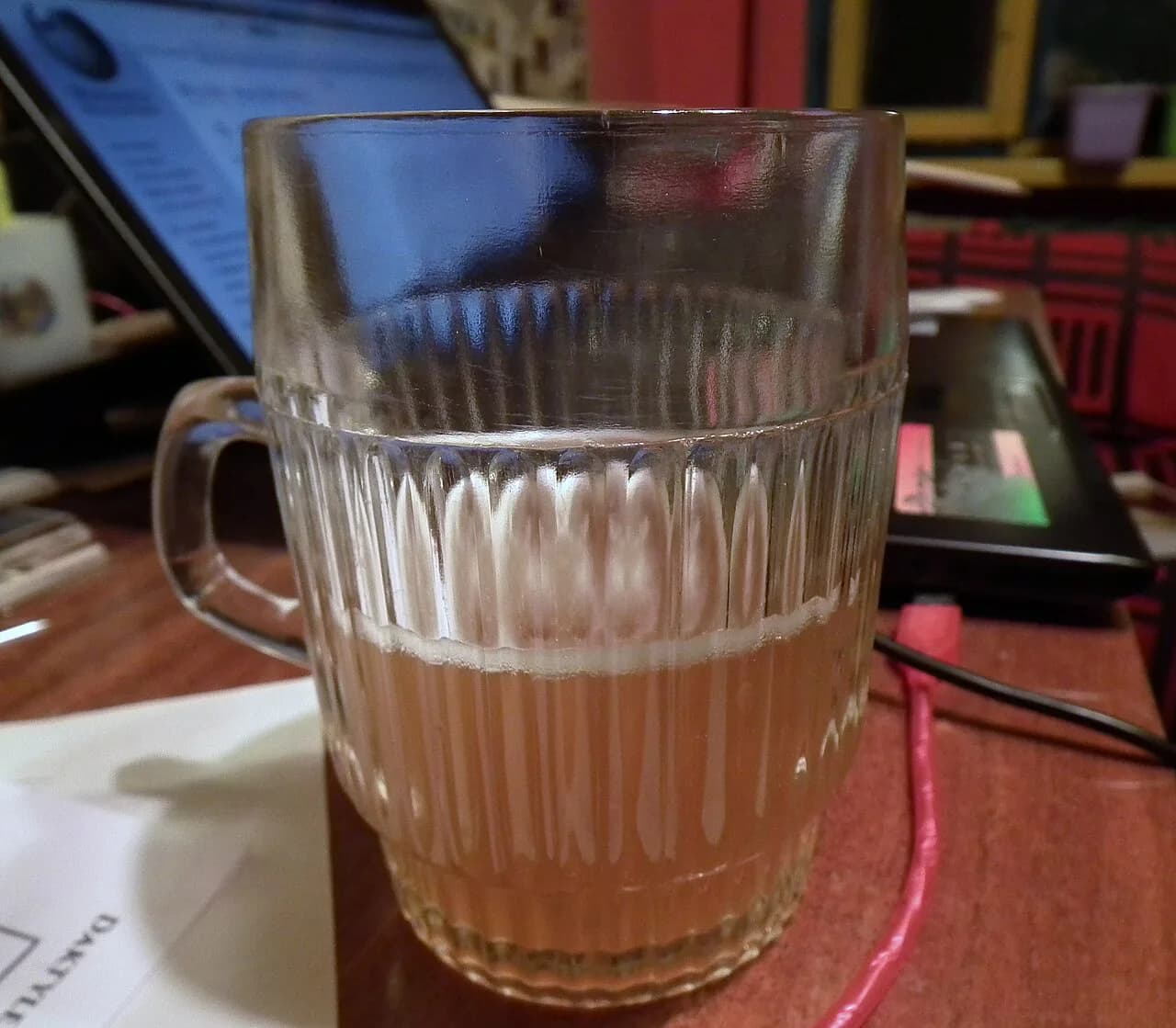
Order a beer in most Polish bars and staff may ask if you want it 'z sokiem,' with syrup. Raspberry or ginger syrup gets added to a light lager and served with a straw, a combination that confuses many first-time visitors but is a normal order for locals. Winter brings piwo grzane, mulled beer warmed with cloves, cinnamon, and honey. The tradition pairs naturally with the season covered in the Christmas Eve Wigilia guide. Beer pairings extend well past pierogi. Golonka, a slow-cooked pork knuckle, and kabanosy, thin smoked sausage sticks, both stand up to a malty lager. The Traditional Polish Food: A Guide to 20 Dishes You Must Try (2026) covers these dishes and more. Easter tables bring their own spread of cold cuts, eggs, and bread, detailed in the Polish Easter Food Guide: Traditional Wielkanoc Dishes to Know.
Mistakes to Avoid When Ordering Beer in Poland
Most ordering mistakes come down to being too vague. Naming a brand, a style, or at least 'kraftowe' (craft) instead of just 'piwo' gets a much better pour. The three habits below cause the most friction for visitors.
- Ordering just 'a beer' - bars default to a macro lager unless you name a brand or style
- Drinking on the street - public drinking outside licensed premises risks a fine
- Ignoring the termin przydatności - unpasteurized regional and craft beers spoil faster than mass-market lager
Best Polish Beer Cities for Visitors
Poland’s beer scene changes noticeably by city. Warsaw offers the broadest multitap selection, while Wrocław combines modern craft bars with historic brewing traditions. Tychy and Żywiec are better choices for travelers interested in major brewery history.
- Warsaw: Explore central multitap bars around Śródmieście and the streets near Nowy Świat. Chalkboard menus usually separate Polish craft pours by style and serving size.
- Wrocław: Begin around the Market Square, then look beyond the center for neighborhood craft bars. The city’s brewing heritage includes Piwnica Świdnicka beneath the Old Town Hall.
- Tychy: Visit Tyskie Browarium beside the historic brewery complex. Check tour languages, admission times, and booking requirements before traveling from Katowice.
- Żywiec: The Żywiec Brewery Museum explains the brand’s development and regional brewing history. Żywiec is reachable by train from Kraków or Katowice, but connections should be checked in advance.
Kraków also has a strong multitap scene, especially around Kazimierz and the Old Town. Visitors should compare tap lists before choosing a venue, since small-batch Polish beers rotate frequently.
Further reading: Poland on Wikivoyage · Poland on Wikipedia
Frequently Asked Questions
What is the most popular beer in Poland?
Tyskie Gronie, Żywiec, and Okocim are the three most widely stocked macro lagers, with Tyskie holding a leading share of the national market.
What does 'piwo z sokiem' mean?
It is beer served with raspberry or ginger syrup and a straw, a common order in Polish bars rather than a tourist gimmick.
Can you drink alcohol in public places in Poland?
No. Drinking in streets, parks, and other public spaces outside licensed premises is against local regulations and can result in a fine, so keep drinking to bars, restaurants, beer gardens, or private property.
What is Grodziskie beer?
Grodziskie is Poland's only fully indigenous beer style, a smoked pale wheat beer nicknamed the 'Polish Champagne' for its light body and heavy carbonation.
How does the beer bottle deposit, or kaucja, work?
Many glass beer bottles carry a small deposit charged at purchase. Return the empty bottle to the shop with the receipt to get the deposit back.
How much time should visitors set aside to explore Poland's craft beer scene?
A single evening covers a couple of multitap bars in Kraków or Wrocław. Travelers building a trip around breweries should plan at least two to three days to sample regional and craft names beyond the Big Three.
You might also like


Continue reading
More guides you'll find useful