

Nalewka: The Essential Guide to Poland's Traditional Infused Spirits
Last updated July 2026: nalewka is Poland's traditional infused spirit, made by macerating fruit, herbs, roots, or spices in vodka or rectified spirit. Real nalewka is then aged for months or years, unlike quick-turnaround flavored vodkas sold under the same name. This guide covers the essential varieties, from cherry wiśniówka to walnut orzechówka, plus how to drink nalewka the way Polish households and traditional restaurants do.
What Is Nalewka? Definition and Alcohol Content
Nalewka (plural nalewki) is a traditional Polish alcoholic beverage made by macerating or infusing ingredients in spirit. The literal translation is tincture, a nod to its roots in home remedies. Most nalewka lands between 40% and 45% alcohol by volume, though some versions reach as high as 75%. Because it is infused rather than distilled, nalewka keeps its natural color and stays slightly cloudy instead of running clear. Unlike ordinary liqueurs, genuine nalewka is aged, sometimes for months and sometimes for years. That aging mellows the sharp alcohol edge and lets the fruit or herb flavor deepen. Most nalewka names follow a simple pattern: take the Polish word for the main ingredient and add the suffix -ówka. Cherries become wiśniówka, walnuts become orzechówka, and quince becomes pigwówka.
Nalewka vs Vodka vs Schnapps: How the Production Differs
Nalewka often gets grouped with vodka or generic fruit liqueurs, but the production method sets it apart. Vodka is distilled from a neutral base and, even when flavored, is rarely aged. Nalewka, by contrast, is made by steeping whole fruit, herbs, or spices directly in spirit for weeks or months before bottling. That maceration step is why nalewka carries natural color and a rounder flavor than a flavored vodka straight off a filtration line. For a closer look at how standard Polish vodka is distilled and bottled, see the Polish vodka production guide. Schnapps and eau-de-vie sit closest to nalewka in flavor, since both start from real fruit. Most schnapps, though, is distilled rather than macerated and skips the extended aging that defines a true nalewka.
| Aspect | Nalewka | Polish Vodka | Schnapps |
|---|---|---|---|
| Production method | Fruit, herbs, or spices macerated in spirit | Distillation of a neutral grain or potato base | Distilled fruit brandy or flavored spirit |
| Typical ABV | 40-45%, up to about 75% in strong versions | Commonly 40% | Varies widely by style |
| Aging | Usually aged months to years | Typically unaged | Varies; fruit brandies are often aged, flavored versions often are not |
| Flavor source | Real macerated fruit, herbs, or spices | Neutral base, minimal inherent flavor | Fruit distillate or added flavoring |
| Serving style | Sipped slowly, usually as a digestif | Often served chilled and shot back | Sipped or shot depending on style |
A History of Poland's Noble Spirit
The broader tradition of infusing alcohol with herbs stretches back to Hippocrates, whose herbal tinctures treated illness in ancient Greece. Romans later infused wine with spices, a practice that produced hippocras and mulled wine across Europe. Sweetened alcoholic tinctures became fashionable in Poland during the 16th century, partly through French cultural influence tied to Henry III of France's brief reign. The oldest known Polish text describing nalewka is Stefan Falimierz's 1534 herbal book, On Herbs and Their Potency, published in Kraków. From the 16th through 19th centuries, Polish noble households, the Szlachta, kept private recipes in family notebooks called Silva Rerum. Families often treated these recipes as secrets, passing them only to senior children after a parent's death. Kraków sits at the center of this history, both as the city where Falimierz's book was published and as part of the wider Galicja region long associated with home nalewka-making. Production later spread beyond noble manors to ordinary households. By the mid-to-late 19th century, published recipe books made ingredients and methods widely available.
Home Production: The Role of Spirytus Rektyfikowany
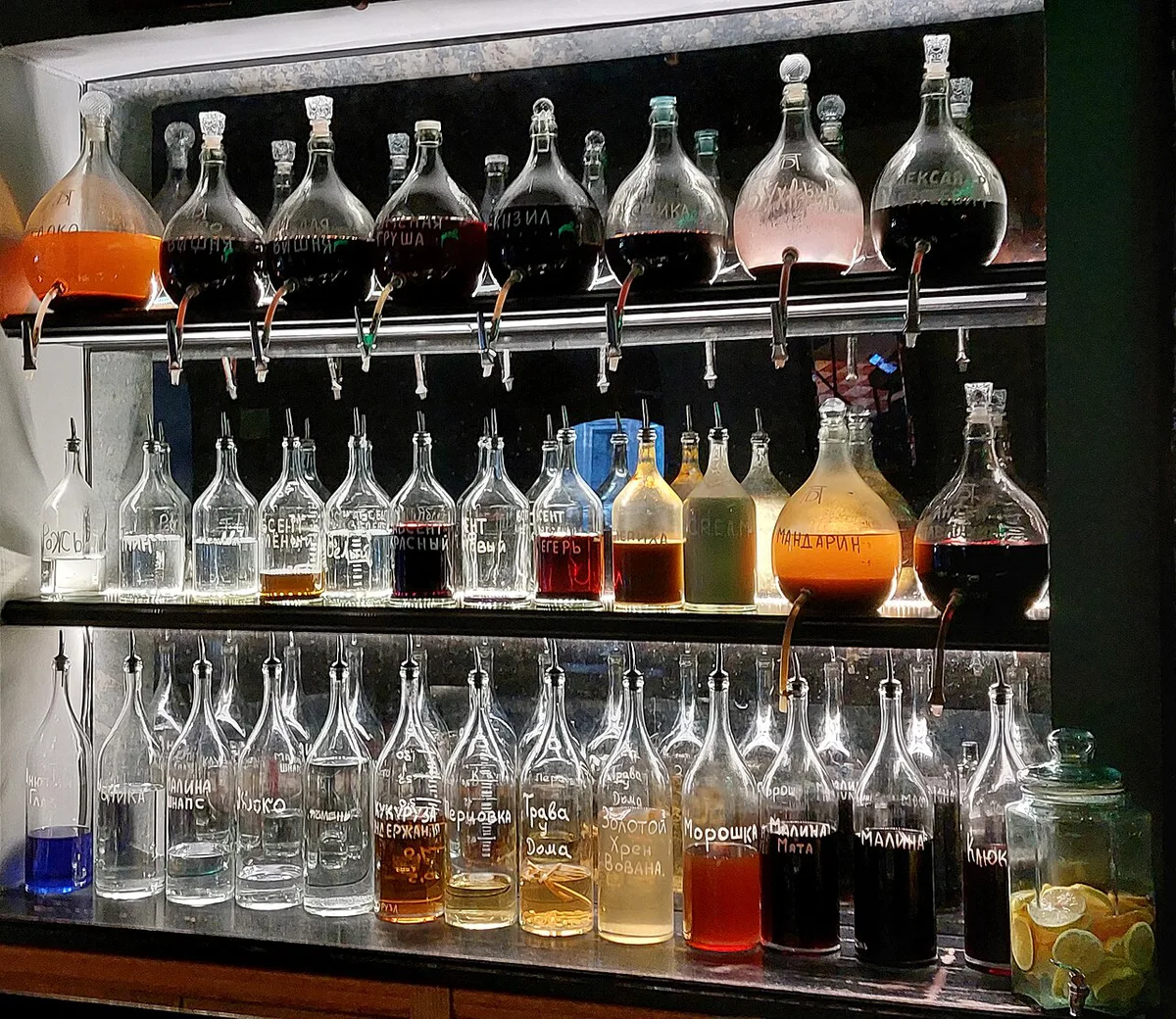
Many home nalewka recipes start with spirytus rektyfikowany, a rectified spirit far higher in alcohol than a standard bottle of vodka. Using an extremely strong neutral base lets the maker control final strength precisely. Fruit, sugar, or honey, and sometimes herbs or spices, go into a sealed jar with the spirit. The jar then sits in a dark spot for weeks or months while the ingredients macerate. The mixture gets strained, rebottled, and left to age further, since real nalewka is aged rather than bottled straight after maceration. This slow, multi-step process is exactly what separates a genuine home or artisanal nalewka from a shortcut flavored vodka.
Essential Nalewka Varieties to Try
Nalewka comes in far more varieties than the cherry and honey bottles sold to tourists. Bottles are typically named for their main ingredient, and flavors range from fruity to bitter to spiced. Fruit-based versions are the most widely available, herbal and nut-based versions skew bitter and medicinal, and a few specialty styles are tied to specific seasons.
- Wiśniówka (cherry) - the most widely recognized fruit nalewka, sweet with a deep red color
- Pigwówka (quince) - floral and slightly tart, common in autumn
- Porzeczkówka (blackcurrant) - tangy and deep purple
- Malinówka (raspberry) - bright and fruity, one of the sweeter styles
- Morelówka (apricot) - soft stone-fruit flavor, less sharp than cherry versions
- Jeżynówka (blackberry) and aroniówka (chokeberry) - darker, more tannic fruit styles
- Orzechówka (green walnut) - bitter and dark, traditionally sipped as a digestif
- Piołunówka (wormwood) - herbal and medicinal in character, closer to a bitter tonic
- Cytrynówka (lemon) and imbirówka (ginger) - brighter, sharper flavor profiles
- Krupnik - a honey-based spiced nalewka, associated with winter and the holiday table
- Amber nalewka - aged versions that pick up extra color and depth from extended maceration
Nalewka vs Nalivka: Not the Same Drink
Nalewka is sometimes confused with its Slavic cousin, nalivka (also spelled nalyvka), popular in Ukraine and Russia. The two look similar on a shelf, but the method and strength differ. Nalewka is an infusion, built by steeping fruit, herbs, or spices in spirit over time. Nalivka is typically made by filling a jar with fruit or berries, sugar, and spirit, sealing it, and letting it sit. That makes it closer to a preserved fruit drink than a true tincture. Nalivka usually comes in well under 20% alcohol by volume, far weaker than nalewka's typical 40-45%. A closer Russian or Ukrainian equivalent to Polish nalewka is nastoika, a term that more directly translates to tincture. If a bottle labeled nalivka turns up while shopping outside Poland, expect a milder, sweeter drink rather than the aged Polish spirit covered in this guide.
Pairing Nalewka with Traditional Polish Food
Bitter, walnut-based nalewka such as orzechówka works well with rich, fatty dishes, since the bitterness cuts through the fat. Sweet, fruit-forward nalewka like wiśniówka pairs naturally with desserts or spiced cakes. Many households pour a small glass of nalewka alongside the meat and pierogi courses covered in the classic Polish dishes guide. Honey-based krupnik has strong ties to the Christmas Eve table. The Wigilia dinner guide covers the dried-fruit and honey dishes it traditionally accompanies. Nalewka also appears at Easter gatherings alongside the cold cuts and egg dishes detailed in the Polish Easter spread guide.
How to Drink Nalewka Like a Local
Nalewka etiquette differs sharply from vodka drinking. Vodka is traditionally shot back quickly and chased with food. Nalewka is sipped slowly from a small glass instead, since the aging is meant to be tasted, not swallowed in one go. Most households serve nalewka at room temperature or lightly chilled rather than ice-cold, so the fruit or herb aromas stay open. Downing it fast, the way you might shoot vodka, wastes the months or years of maceration behind the bottle. Nalewka is sipped, not chugged, a contrast to the more casual pace of a Polish beer session.
The production timeline—weeks or months of maceration plus extended aging—explains why pouring nalewka at room temperature rather than ice-cold is crucial to experiencing the finished product.
Where to Experience Nalewka in Poland
Authentic nalewka is easiest to find in a few specific settings rather than an average bar.
- Pijalnie (specialty tasting rooms) - venues devoted to nalewka flights, most common in larger cities
- Restauracje staropolskie (old-style Polish restaurants) - traditional restaurants that often pour a house nalewka as a digestif after the meal
- Christmas markets and seasonal festivals - stalls sell bottled nalewka and warm, honey-based versions through the winter season
Buying Guide: How to Spot an Authentic Bottle
Not every bottle labeled nalewka is made the traditional way. Some commercial brands add artificial flavoring and color to a base vodka instead of macerating real fruit. Wikipedia's entry on nalewka specifically flags this as a misleading use of the name. Check the ingredient list first: genuine nalewka lists whole fruit, herbs, honey, or spices rather than flavor concentrate. Pro tip: look for the words staropolska (old-Polish style) or tradycyjna (traditional) on the label. Producers using these terms are signaling an old recipe and a longer maceration period rather than a shortcut. Expect an artisanal, small-batch bottle to cost more than a mass-market flavored vodka of the same size. Real maceration and aging take months or years, not a single production day.
- Skip it if the label lists only natural and artificial flavors instead of a named fruit
- Skip it if the color looks uniformly bright rather than naturally variable batch to batch
- Skip it if the price sits barely above a bottle of plain vodka
- Favor bottles that name a specific fruit, a producer, and an aging period
Common Mistakes to Avoid
A few habits ruin an otherwise good bottle of nalewka.
- Shooting it like vodka - nalewka is sipped slowly, not thrown back
- Serving it ice-cold - heavy chilling mutes the aroma built up during aging
- Assuming any bottle labeled nalewka is authentic - many supermarket versions are flavored vodka rather than real maceration
- Ignoring the aging claim on a label - genuine nalewka is aged for months or years, not bottled fresh
How to Choose a Nalewka by Flavor
Choose by ingredient rather than color, since sweetness and bitterness vary widely between producers. Ask whether the bottle is fruit-forward, herbal, or nut-based before ordering a tasting glass.
- Sweet and approachable: Wiśniówka offers rich cherry flavor, while malinówka tastes brighter and more aromatic. Both suit desserts and first-time tastings.
- Tart and balanced: Pigwówka has a floral quince character, while porzeczkówka brings sharper blackcurrant acidity. These work well with roast meats and aged cheeses.
- Bitter and digestive: Orzechówka, made with green walnuts, has tannic, earthy notes. Piołunówka is more intensely herbal because it contains wormwood.
- Warm and spiced: Krupnik combines honey with spices and is commonly associated with winter gatherings. Imbirówka provides a drier ginger heat.
For a tasting flight, start with a tart fruit nalewka, continue with cherry or honey, and finish with walnut or wormwood. This order keeps sweeter bottles from masking the subtler fruit aromas.
Further reading: Poland on Wikivoyage · Poland on Wikipedia
Frequently Asked Questions
What is the difference between nalewka and vodka?
Vodka is distilled from a neutral grain or potato base and bottled unaged. Nalewka starts from that same style of spirit but is macerated with fruit, herbs, or spices, then aged for months or years, which standard vodka is not.
Is nalewka a liqueur?
It sits close to a liqueur in style, but with a key difference: liqueurs are typically not aged, while genuine nalewka almost always is. In flavor, nalewka is often compared to fruit liqueurs such as schnapps or eau-de-vie, but it tends to be sweeter with less of a raw alcohol bite.
What is the most popular nalewka flavor in Poland?
Wiśniówka (cherry nalewka) is the variety most commonly cited across Polish recipe collections and restaurant menus, though exact popularity rankings aren't formally tracked. Honey-based krupnik and walnut orzechówka are the next most frequently mentioned styles.
How strong is Polish nalewka?
Most nalewka falls between 40% and 45% alcohol by volume, similar to standard vodka. Some traditional and home-macerated versions run much stronger, up to around 75% ABV.
Can you bring nalewka home as a souvenir?
Bottled nalewka travels well as a souvenir since it is sealed and shelf-stable. Always check your home country's current alcohol import allowance before flying, since limits vary by destination and change from year to year.
You might also like



Continue reading
More guides you'll find useful