

Warsaw Neighborhoods Guide: 11 Key Areas and Tips (2026)
Discover the best districts in Warsaw with our comprehensive guide. From the historic Old Town to creative Praga, find the perfect area for your stay.
On this page
11 Best Warsaw Neighborhoods to Visit and Live In (2026)
After spending several months living in the Polish capital, I have seen how quickly these districts evolve into unique cultural hubs. Warsaw is a city of contrasts where glass skyscrapers sit next to meticulously rebuilt 18th-century squares and gritty industrial warehouses. Choosing the right base is essential because each area offers a vastly different experience for travelers and expats alike. Deciding Where To Stay In Warsaw: 8 Best Areas depends entirely on whether you prefer historic charm or modern nightlife.
This guide has been updated for January 2026 to reflect the newest metro expansions and the latest local dining trends. Many visitors wonder Is Warsaw Worth Visiting? compared to Kraków, and the answer lies in its diverse neighborhoods. The city is divided by the Vistula River, creating a distinct split between the polished Left Bank and the raw Right Bank. Understanding this layout is the first step to mastering one of Europe's most underrated and greenest capital cities.
Understanding the Layout of Warsaw
The geography of Warsaw is defined by the Vistula River, which serves as a natural border between two very different worlds. Most major tourist attractions and the primary business center are located on the Left Bank in the district of Śródmieście, a hub that draws visitors for its dense concentration of museums, restaurants, and historical landmarks. This side of the river feels cosmopolitan and fast-paced, housing the majority of the city's luxury hotels and shopping malls. You can view the Regions Warsaw District Map to see how these 18 administrative units connect, or read more about Śródmieście on Wikipedia for detailed administrative and historical context.
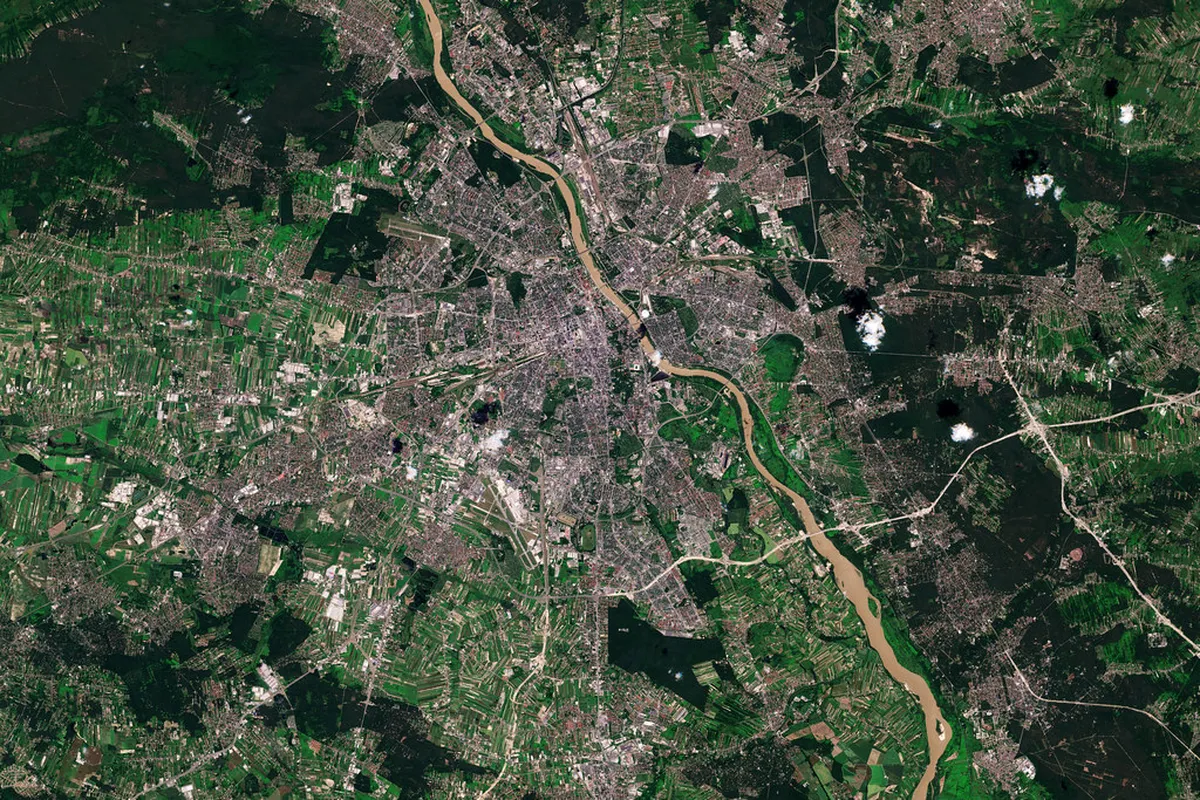
History heavily influenced the current urban planning, especially following the near-total destruction of the city during the 1944 Warsaw Uprising. The Old Town was rebuilt so accurately that it earned a spot as a UNESCO World Heritage site for its restoration efforts. Beyond the center, districts like Wola have transformed from industrial zones into a dense forest of modern office towers. This mix of socialist-era blocks and contemporary architecture creates a skyline that is unique among Central European capitals.
The Right Bank, particularly Praga, was less damaged during the war and retains a more authentic, albeit weathered, pre-war atmosphere that attracts photographers and history buffs. Gentrification is rapidly changing these eastern districts into creative enclaves filled with galleries and artisanal coffee shops. For a deeper dive into this district's history and character, see the Warsaw Old Town Wikipedia article, which documents the neighborhood's reconstruction after WWII. Public transport connects these sides efficiently, with the M2 metro line bridging the river in just a few minutes. Navigating the city is straightforward once you grasp the central role of the Palace of Culture and Science as a landmark.
First-time visitors should base themselves in Śródmieście or the Old Town on the Left Bank to remain within walking distance of major landmarks like the Royal Castle and the Palace of Culture and Science. These areas offer the best concentration of hotels, restaurants, and direct transport links to other districts via metro and tram lines.
11 Essential Warsaw Neighborhoods and Districts to Explore
Exploring Warsaw requires moving beyond the central square to find the true character of the city's diverse residents. I remember stumbling upon a hidden courtyard in Mokotów that felt more like a Parisian suburb than a Polish city center. These neighborhoods are the lifeblood of the capital, each offering specific culinary specialties and architectural styles. Whether you seek the Warsaw Nightlife Guide: Best Bars, Clubs, and Local Tips hotspots or quiet parks, this list covers the essentials.
Prices in Warsaw remain affordable compared to Western Europe, though costs vary significantly between the trendy center and suburban areas. Most districts are highly walkable, but the extensive tram and bus network makes exploring multiple areas in one day very easy. Expect to find vibrant street art in the east and manicured royal gardens in the south as you traverse the city. The following 11 areas represent the best of what Warsaw has to offer for every type of visitor in 2026.
- Stare Miasto (The Historic Old Town)
- This meticulously rebuilt historic core is the primary draw for first-time visitors seeking cobblestone streets and colorful merchant houses.
- Expect to spend $15–$30 for a traditional meal near the Old Town Market Square (Visual Reference) during peak hours.
- The area is busiest from 10am to 6pm, though the evening light offers the best atmosphere for photography and quiet walks.
- Take the 116 or 180 bus to the Castle Square stop for the most direct and scenic access to the district.
- Walk down the narrow side streets like Piwna to find quieter cafes away from the main tourist crowds.
- Nowe Miasto (The Charming New Town)
- Located just north of the Old Town, this 15th-century district offers a more relaxed pace with beautiful baroque churches and squares.
- Most attractions here are free to view from the outside, while small museums typically cost around $5–$10 for entry.
- The neighborhood is active daily, but the weekend mornings are particularly peaceful for exploring the local craft shops.
- It is a short five-minute walk from the Old Town barbican, making it an easy addition to any Warsaw Old Town Visitor Guide: 10 Essential Stops & Tips itinerary.
- Visit the Marie Curie Museum on Freta Street for a fascinating look at the life of Warsaw's most famous scientist.
- Śródmieście Południowe (The Hipster Hub)
- This southern city center district is famous for its pre-war architecture and the iconic, circular Plac Zbawiciela Aerial View social hub.
- A coffee and pastry in this trendy area usually costs between $6 and $12 at the many independent boutiques.
- Bars and bistros here stay open until midnight or later, especially on Thursday through Saturday nights when locals gather.
- Use the M1 metro line to Politechnika station to arrive right in the heart of the most vibrant streets.
- Look for the 'Zatoka' neon sign for a classic Warsaw photo opportunity near the intersection of Marszałkowska.
- Powiśle (The Vibrant Riverside District)
- Nestled between the river and the city center, this area features the impressive Elektrownia Powiśle Architecture and modern parks.
- The riverside boulevards are free to access, while a cocktail at the seasonal river bars costs roughly $8–$14.
- Summer evenings are the peak time for Powiśle, as the entire city seems to migrate to the Vistula banks.
- The M2 metro line stops at Centrum Nauki Kopernik, providing instant access to the riverfront and the science center.
- Head to the rooftop garden of the University of Warsaw Library for one of the best free views in the city.
- Praga-Północ (The Artsy Right Bank)
- Known for its gritty charm and authentic pre-war buildings, this district has become the city's primary creative and alternative center.
- Visiting the local galleries is often free, but a guided tour of the back-alley shrines might cost $20 per person.
- The area is safest and most lively during daylight hours, though the Soho Factory complex is great for evening events.
- Take tram 6, 20, or 28 across the bridge, or use the M2 metro to Dworzec Wileński station.
- Check out the Neon Museum to see a preserved collection of Cold War-era signs that once lit up the city.
- Mokotów (The Green Residential Enclave)
- This massive district blends upscale residential streets with sprawling parks like Pole Mokotowskie, making it perfect for long walks.
- Lunch at a local 'Milk Bar' here can be as cheap as $7, while high-end restaurants range from $25 to $50.
- Parks are open 24/7, but the local cafes are best enjoyed during the lively brunch hours on Saturday and Sunday.
- The M1 metro line runs through the heart of the district with stops at Racławicka and Wierzbno.
- Visit the Królikarnia palace and sculpture park for a quiet escape that feels miles away from the urban bustle.
- Wola (The Modern Business District)
- Wola is the fastest-growing part of Warsaw, characterized by shimmering glass skyscrapers and the moving Warsaw Uprising Museum.
- Entry to the major museums in this area typically costs $8–$12, with free admission days often falling on Mondays.
- The district is a hive of activity during the work week, while the new Browary Warszawskie complex thrives in the evenings.
- Rondo Daszyńskiego is the main transport hub, served by the M2 metro and numerous tram lines from the center.
- Explore the Fabryka Norblina complex for a mix of high-end food halls, cinema, and industrial history all in one place.
- Żoliborz (The Intellectual and Leafy District)
- This is the smallest and greenest district, known for its modernist architecture and a history of housing Warsaw's intelligentsia.
- A leisurely breakfast at a local bistro will cost around $12–$18 including a specialty coffee or fresh juice.
- The neighborhood is most charming in late spring and autumn when the tree-lined streets are in full color.
- Take the M1 metro to Plac Wilsona, which was once voted one of the most beautiful metro stations in the world.
- Visit the Citadel fortress for a dose of history followed by a walk through the quiet, upscale residential villas nearby.
- Wilanów (The Royal Suburban Escape)
- Home to the stunning 'Polish Versailles,' this southern district offers a glimpse into the life of King Jan III Sobieski.
- Palace and garden tickets cost approximately $10–$15, and it is highly recommended to book these online in advance.
- The palace is open daily from 9am, but the 'Garden of Lights' winter display is best seen after sunset.
- Bus 519 or 180 will take you from the city center to the palace gates in about 30 to 45 minutes.
- Avoid visiting on summer Sundays if you dislike large crowds, as this is a favorite weekend spot for local families.
- Saska Kępa (The Modernist Oasis)
- This Right Bank neighborhood is famous for its 1920s villas, embassies, and the bustling Francuska Street dining scene.
- Expect to pay $15–$25 for a high-quality dinner at one of the many international restaurants lining the main street.
- The area comes alive in the late afternoon as locals finish work and gather for outdoor drinks and appetizers.
- Trams 9 and 24 provide a quick ten-minute connection from the city center to the Rondo Waszyngtona stop.
- Visit during the annual 'Saska Kępa Festival' in May to experience the neighborhood's artistic spirit at its peak.
- Muranów (The District of History)
- Built on the ruins of the Warsaw Ghetto, this area is a poignant mix of socialist realist architecture and significant monuments.
- The award-winning POLIN Museum is the centerpiece here, with tickets costing roughly $12 per adult for the main exhibition.
- Most visitors spend 3-4 hours here, as the historical weight of the area requires a slower, more reflective pace.
- It is easily reached by tram lines 15, 18, and 35, which stop directly in front of the museum complex.
- Take a moment to look at the unique 'monument-houses' that were designed to incorporate the rubble of the former district.
Comparison: Which Warsaw Neighborhood Suits Your Style?
| Neighborhood | Vibe | Best for |
|---|---|---|
| Stare Miasto (Old Town) | Historic, colorful, touristy | First-time visitors, photographers |
| Nowe Miasto (New Town) | Charming, baroque, quiet | Art lovers, museum enthusiasts |
| Śródmieście Południowe (Hipster Hub) | Trendy, modern, social | Digital nomads, foodies, nightlife |
| Powiśle (Riverside) | Vibrant, artistic, seasonal | Summer visitors, riverside walkers |
| Praga-Północ (Artsy Right Bank) | Gritty, creative, bohemian | Artists, photographers, alternative travelers |
| Mokotów (Green Residential) | Upscale, leafy, family-friendly | Expats, long-term residents, park lovers |
| Wola (Business District) | Modern, corporate, dynamic | Museum-goers, contemporary architecture fans |
| Żoliborz (Intellectual Green) | Quiet, intellectual, upscale | Writers, thinkers, peaceful explorers |
| Wilanów (Royal Suburban) | Historic, palatial, peaceful | Palace visitors, families, day-trippers |
| Saska Kępa (Modernist) | Sophisticated, diplomatic, upmarket | High-end diners, cultural events, residents |
| Muranów (Historic Ghetto District) | Solemn, monumental, reflective | History scholars, memorial visitors |
First-time visitors should almost always prioritize Śródmieście or the Old Town to remain within walking distance of major landmarks. If you are a digital nomad or expat, Mokotów and Żoliborz offer a better quality of life with more local amenities and parks. The 9 Best Museums and Cultural Sites in Warsaw are spread across Wola and Muranów, making those areas ideal for history enthusiasts. For those seeking an alternative vibe, the Right Bank's Praga-Północ provides an edge that the polished center lacks.
I recommend skipping the far southern suburbs of Wilanów for your actual stay unless you specifically want a quiet, family-oriented environment. While the Wilanów palace and district are stunning historical attractions, the commute to the city center can be tedious during the morning rush hour. Similarly, some parts of Wola can feel a bit sterile and corporate once the office workers go home for the day. It is important to check Is Warsaw Safe? 10 Essential Travel Safety Tips & Guide before booking, though almost all central districts are very secure.
Praga-Północ on the Right Bank is undergoing rapid gentrification and has become the city's creative hub. The neighborhood features a thriving street art scene, independent galleries, and the Neon Museum—a fascinating Cold War artifact collection. Stay in Praga if you want authentic pre-war architecture and cutting-edge contemporary culture without the tourist crowds of the Old Town.
The 'greenest' districts are undoubtedly Mokotów and Żoliborz, where park access is often just a few steps from your front door. Warsaw consistently ranks as one of the most forested capitals in Europe, which is a major factor for long-term residents. Rent prices have risen recently, but you can still find better value in Praga compared to the high-rise apartments in Wola. Always consider the proximity to a metro station, as it significantly increases your ability to explore the entire city.
Practical Tips for Navigating Warsaw Districts
The public transport system in Warsaw is world-class and surprisingly easy to use for international visitors. You can purchase tickets at machines located at most stops, which accept both credit cards and contactless mobile payments. A standard 20-minute ticket costs about $1, while a 24-hour pass is a great value at roughly $4. Check the Getting Around Warsaw: A Complete Transportation Guide guide for a deeper dive into the specific transport zones and rules.
The M1 and M2 metro lines are the fastest way to travel north-south and east-west across the city respectively. Trams are often more scenic and run frequently, though they can be slightly slower during the peak afternoon traffic. I highly recommend downloading the 'Jakdojade' app, which provides real-time schedules and tells you exactly which platform to use. The city is also becoming much more bike-friendly, with many dedicated lanes connecting the major districts.
Most residents speak excellent English, especially in the central districts and trendy areas like Powiśle. You will find that people are generally helpful if you have questions about directions or local recommendations. Keep in mind that many smaller shops in residential neighborhoods may close earlier on Saturday and remain closed on Sunday. Always validate your paper ticket immediately upon entering a bus or tram to avoid a hefty fine from inspectors.
Download the 'Jakdojade' app before arriving in Warsaw—it provides real-time tram and metro schedules, exact platform information, and the fastest routes between any two districts. A 24-hour public transport pass costs roughly $4 and gives unlimited access to all metro lines, trams, and buses, making it one of Europe's best transport values. The M1 and M2 metro lines form a cross connecting north-south and east-west districts in minutes.
Frequently Asked Questions
Which Warsaw neighborhood is best for first-time visitors?
Śródmieście and the Old Town are the best choices for first-time visitors. These areas provide easy walking access to the Royal Castle, the Market Square, and the city's best hotels and restaurants.
Is Praga-Północ safe for tourists and expats?
Yes, Praga-Północ has become much safer and more welcoming over the last decade due to significant gentrification. While some backstreets still look gritty, the main areas are filled with popular bars and galleries.
How many days are needed to see the main districts?
You should plan for at least three days to explore the primary neighborhoods. This allows enough time to see the Old Town, the modern center, and the creative hubs on the Right Bank.
Warsaw is a city that rewards those who venture beyond the typical tourist path to discover its local neighborhoods. From the historical resilience of the Old Town to the modern ambition of Wola, the capital offers a diverse urban experience. I hope this guide helps you find the perfect corner of the city for your next visit or relocation.
You might also like


Continue reading
More guides you'll find useful


