Zakopane Weather Guide: Best Time to Visit & Pack Smart
Discover Zakopane weather patterns for every season. Plan your mountain adventure with our guide on temperatures, rainfall, and what to pack.
On this page
Understanding Zakopane Weather: A Comprehensive Guide
Zakopane, nestled within the majestic Tatra Mountains, offers stunning natural beauty. Planning your trip requires a clear understanding of Zakopane weather conditions. The climate here varies significantly by season, impacting your travel experience.
Knowing what to expect helps you pack correctly and plan activities effectively. This comprehensive guide will prepare you for any visit. We cover seasonal changes, packing essentials, and how to check forecasts.
Prepare for an unforgettable adventure in Poland's winter capital. Our insights ensure you are ready for Zakopane's dynamic mountain environment.
Understanding Zakopane's Climate: A Mountain Overview
Zakopane's unique location at the foot of the Tatra Mountains heavily influences its climate. This mountainous terrain creates distinct weather patterns. Temperatures and conditions can change rapidly throughout the day.
The altitude plays a significant role in local conditions. Weather in the valley often differs from higher elevations. Hikers should always be prepared for colder temperatures and stronger winds on mountain trails.
Mountain conditions on Kasprowy Wierch are typically 8–12°C colder than in Zakopane town. Even on sunny summer days, carry a windproof layer — temperatures above 1,900 m can drop below 5°C. The TOPR (Tatra Mountain Rescue) website publishes real-time trail and weather alerts.
Microclimates are common, meaning conditions can vary even within short distances. One part of the town might be sunny while another experiences rain. Always check specific forecasts for your planned activities.
Sudden storms are not uncommon, especially during summer afternoons. Clear mornings can quickly turn into rainy or even snowy afternoons in higher areas. Flexibility is key when planning your daily excursions.
Zakopane Weather by Season: What to Expect
Zakopane experiences four distinct seasons, each offering a unique charm and specific weather challenges. Understanding these patterns helps you choose the best time to visit. Each season brings different opportunities for adventure.
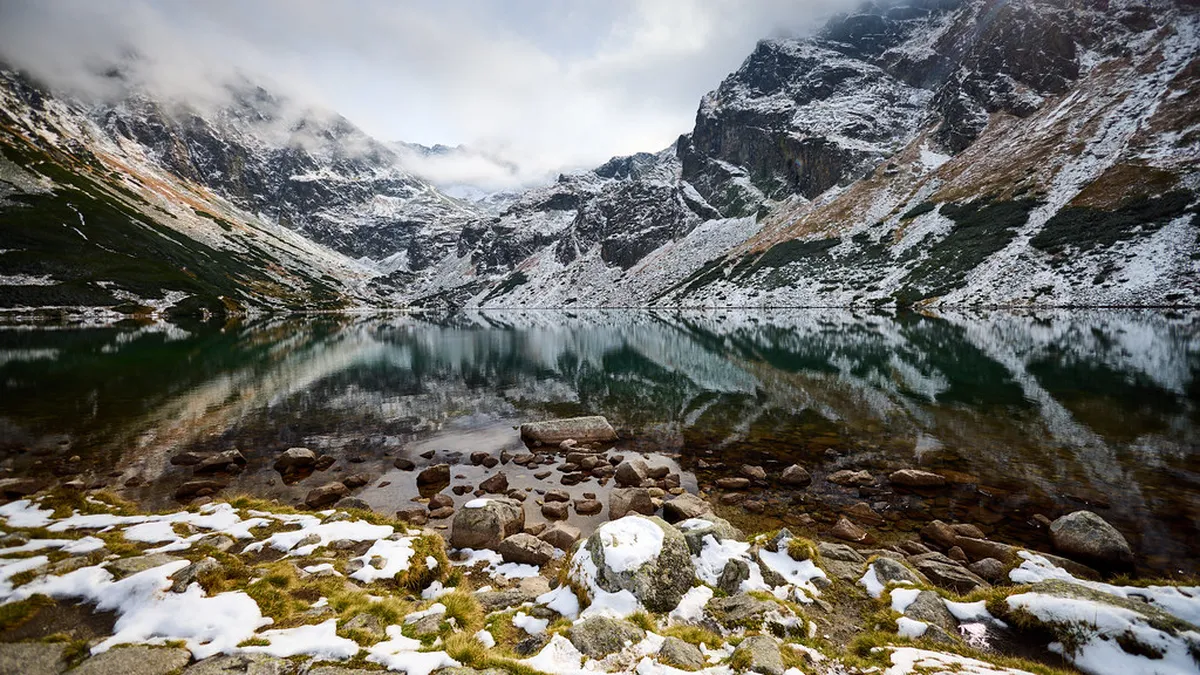
Spring (April-May) is often unpredictable, with melting snow and occasional rain. Temperatures begin to rise, but mountain trails can remain icy. This shoulder season offers fewer crowds and fresh, crisp air.
Summer (June-August) brings the warmest Zakopane weather, ideal for hiking and outdoor activities. Daytime temperatures average around 18-22°C (64-72°F). Afternoon thunderstorms are common, so carry rain gear.
Autumn (September-October) transforms the landscape with stunning golden foliage and crisp air. Temperatures are cooler, typically 10-15°C (50-59°F), offering pleasant hiking conditions. Early autumn is often considered an ideal time to visit.
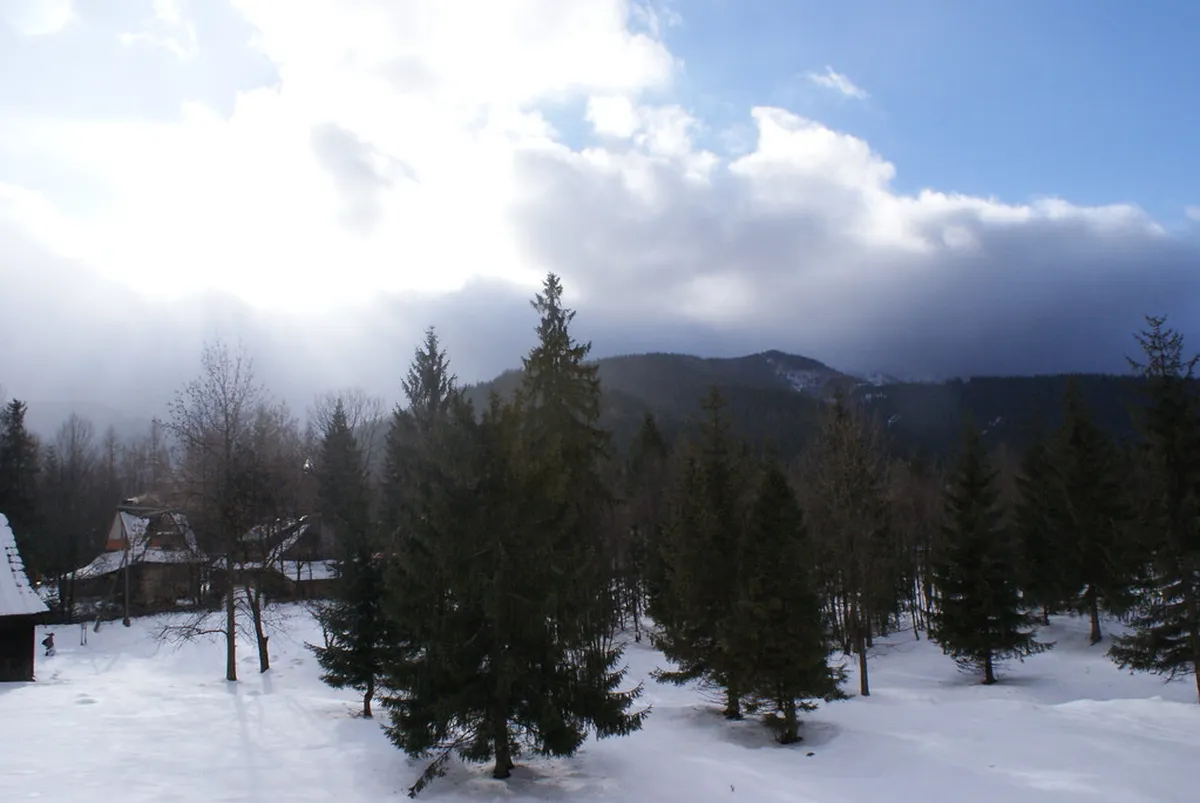
Winter (November-March) is cold and snowy, turning Zakopane into a winter wonderland. Average temperatures hover around -5°C (23°F), often dropping lower. Heavy snowfall creates excellent conditions for winter sports in Zakopane. You can enjoy skiing, snowboarding, and sleigh rides.
For a deeper dive into seasonal planning, consider reviewing our guide on the best time to visit Zakopane. It covers detailed seasonal considerations for various activities.
Packing Smart for Zakopane's Changing Weather
Given the dynamic Zakopane weather, smart packing is crucial for a comfortable trip. Layers are your best friend, allowing you to adjust to temperature fluctuations. Always bring more than you think you need.
A waterproof and windproof jacket is essential year-round, even in summer. Sudden showers or chilly winds can surprise you, especially in higher elevations. Pack waterproof trousers if you plan on extensive hiking.
Sturdy, comfortable hiking boots with good ankle support are highly recommended. Trails can be uneven, muddy, or snowy depending on the season. Proper footwear prevents discomfort and potential injuries. Our dedicated what to pack for Zakopane guide has a full checklist for every season.
Consider bringing a hat, gloves, and a scarf, even outside of winter months. Mountain air can be surprisingly cool, especially in the evenings or on shaded paths. Sunscreen and sunglasses are also important due to higher UV exposure at altitude.
Weather-Dependent Activities in Zakopane
Zakopane offers a variety of activities that can be enjoyed regardless of the weather conditions. Planning helps you make the most of your visit. Adapt your itinerary to the daily forecast for optimal enjoyment. On sunny days, consult the Zakopane hiking trails guide to pick a route that matches current conditions.
- Sunny Days
- Hiking: Explore numerous trails in the Tatra National Park.
- Cable Car: Ride to Kasprowy Wierch for panoramic views.
- Gubałówka: Enjoy the funicular ride and mountain top views.
- Cycling: Rent bikes and explore scenic routes.
- Rainy Days
- Museums: Visit the Tatra Museum or Jan Kasprowicz Museum.
- Thermal Baths: Relax at Chocholowskie or Termy Bania.
- Krupówki Street: Explore shops and cafes under cover.
- Art Galleries: Discover local art and craftsmanship.
- Snowy Days
- Skiing: Hit the slopes at Kasprowy Wierch or Polana Szymoszkowa.
- Snowboarding: Enjoy various runs for all skill levels.
- Sleigh Rides: Experience a traditional winter adventure.
- Ice Skating: Find rinks in town for family fun.
Tips for Checking Zakopane's Forecast
Reliable weather information is crucial for safe and enjoyable mountain excursions. Always check the forecast shortly before heading out. Conditions can change unexpectedly throughout the day.
Utilize local Polish weather services or mountain-specific apps for the most accurate predictions. Generic forecasts might not capture the nuances of mountain weather. Look for forecasts specifically for the Tatra Mountains. For protected hiking routes within the park, see the Tatra National Park guide.
Pay close attention to warnings about strong winds, heavy precipitation, or sudden temperature drops. These conditions can significantly impact trail safety. Always err on the side of caution.
Remember that forecasts are predictions and not guarantees. Be prepared for variations and always carry appropriate gear. Flexibility in your plans will ensure a more pleasant experience in Zakopane. Read our Zakopane travel tips for more practical advice on navigating the town whatever the weather.
Zakopane Weather by Month: Temperature and Rainfall at a Glance
Average figures below are for Zakopane town (840 m altitude). Expect conditions on Kasprowy Wierch (1,987 m) to be 8–12°C colder and significantly windier. Precipitation figures include both rain and snow equivalent.
| Month | Avg High (°C) | Avg Low (°C) | Precip (mm) | Notes |
|---|---|---|---|---|
| January | −2 | −8 | 65 | Peak ski season; reliable snow cover |
| February | 0 | −7 | 55 | Best powder; fewer crowds than Jan |
| March | 5 | −3 | 60 | Spring skiing; icy mornings |
| April | 11 | 1 | 70 | Crocus blooms at Kalatówki late Apr |
| May | 16 | 5 | 95 | Trails open; unpredictable late snow |
| June | 19 | 9 | 130 | Warm, frequent afternoon storms |
| July | 21 | 11 | 151 | Wettest month — build flex into plans |
| August | 21 | 11 | 120 | Peak crowds; warm mornings |
| September | 16 | 7 | 90 | Best hiking month: cool, lower crowds |
| October | 10 | 2 | 75 | Autumn colours; trails wet |
| November | 4 | −2 | 65 | Quiet; first snowfall possible |
| December | 0 | −6 | 65 | Christmas markets; early ski season |
One practical insight the month-by-month data makes clear: July — peak summer, peak visitor numbers — is statistically Zakopane's wettest month at 151 mm of precipitation, more than double February. This does not ruin a summer trip, but it does mean building buffer afternoons into your itinerary rather than scheduling strenuous ridge hikes back-to-back. September is often the sweet spot for hikers: temperatures of 16°C, only 90 mm of rain, golden foliage, and noticeably thinner crowds. For a deeper analysis of how seasons affect what you can actually do, see our guide to the best time to visit Zakopane.
Best Weather Apps and Resources for Tatra Mountain Conditions
Generic weather apps (AccuWeather, Google Weather) pull data from the nearest lowland station and routinely underestimate wind speeds and precipitation above 1,500 m. For hiking and skiing decisions, use these sources instead. The IMGW (Polish Institute of Meteorology) at meteo.imgw.pl issues mountain-specific alerts covering the Tatras. The TOPR (Tatra Mountain Rescue) website and social channels at topr.pl publish real-time trail condition updates and closure notices — bookmark this before any day on the higher trails.
For a 48-hour mountain forecast with hourly wind and temperature at various altitude levels, Yr.no (Norwegian Meteorological Institute) covers Kasprowy Wierch with surprising accuracy. Set the elevation to 1,987 m for summit conditions. In-app, Windy.com's mountain layer shows fronts moving through the Tatras visually, which is useful for spotting the afternoon convective storms that build quickly on hot summer days. Check conditions the evening before and again at 07:00 on the day — if thunderstorms are forecast for after 14:00, plan to be off exposed ridges by 13:00. Our Zakopane hiking trails guide notes which routes have safe shelter points if you get caught out.
Frequently Asked Questions
What is the best month for good Zakopane weather?
The best month often depends on your preferred activities. July and August offer warm weather ideal for hiking, though afternoon storms are common. September provides crisp air and beautiful autumn colors, perfect for scenic walks. For snow sports, January and February typically have the most reliable snowfall.
Does Zakopane get a lot of snow?
Yes, Zakopane is known for its heavy snowfall, especially from December to March. The town transforms into a winter wonderland, attracting skiers and snowboarders. Snow depths can vary, but generally, there's ample snow for winter activities. You can find more details in our article on Zakopane in winter.
Is Zakopane very cold in winter?
Zakopane winters are indeed cold, with average temperatures often below freezing. Expect daily highs around -5°C (23°F) and nighttime lows much colder. Proper winter clothing, including warm layers, hats, gloves, and waterproof outerwear, is essential for comfort and safety.
Can Zakopane weather change quickly?
Yes, mountain weather in Zakopane can change very rapidly, sometimes within hours. Sunny mornings can give way to rain, fog, or even snow, particularly in higher elevations. Always prepare for multiple weather scenarios, even if the forecast looks clear.
Understanding Zakopane weather is fundamental for a successful and enjoyable trip. Its mountain climate offers diverse experiences across all four seasons. Careful planning and smart packing will enhance your adventure.
From warm summer hikes to snowy winter sports, Zakopane provides a memorable escape. Always check the latest forecasts before heading out into the mountains. Embrace the dynamic nature of this beautiful region.
Prepare well, stay flexible, and you will undoubtedly cherish your time in Zakopane. For more travel tips and insights, explore the Poland Wander blog for your next Polish adventure.
You might also like


Continue reading
More guides you'll find useful