

Getting Around Kielce: A Practical Transport Guide
Last updated August 2026, this guide covers getting around Kielce on foot, by bus, by rideshare, and by bike. Kielce sits on the road and rail corridor between Warsaw and Kraków, with a walkable center that gives way to hillier terrain near its nature reserves. Compare walking routes, the bus network, rideshare options, and the Green Velo trail below to plan each stop.
Getting Around Kielce: The Layout of a Crossroads City
Kielce works as a walkable core wrapped by hillier outskirts and a ring of geological reserves. Poland.travel describes it as a city on the crossroads, sitting on the main road and rail corridor between Warsaw and Kraków. Kielce covers 110 km² and had a population of 184,520 as of 2022, according to poland.travel. It sits within the Świętokrzyskie Voivodeship and holds five nature reserves within or immediately adjacent to the city. For most visits, the split is simple. Walk the center, then use a bus, rideshare, or bike to reach the reserves and day trips.
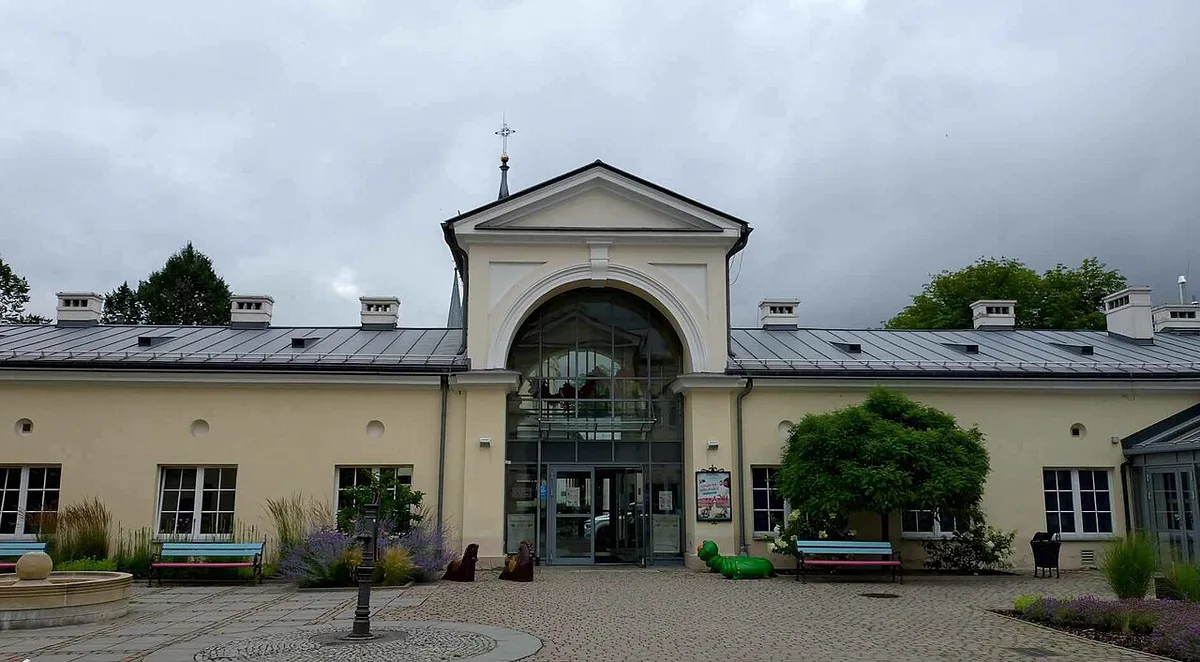
Walking Kielce: Sienkiewicza Street and the Marked Tourist Route
Sienkiewicza Street is the pedestrian spine of Kielce, running from near Kielce Główne station into the historic center. Shops, restaurants, and monuments line this route, according to poland.travel. Kielce is also one of the few Polish cities with an official marked tourist route. Following the signage from the street center takes you directly to the Palace of the Kraków Bishops and the adjoining cathedral. Its cathedral dates back to the year 1171 and later took on a Baroque appearance in the 17th century. Pope John Paul II celebrated a mass there in 1999. A short walk beyond the palace and cathedral, Kielce Market Square adds shaded seating and a concentration of restaurants where the walking route naturally ends. A full walking sequence through these stops is mapped out in the Kielce Weekend Itinerary: 2 Days of History and Limestone Reserves. Cross-check the full sight list in the 9 Best Things to Do in Kielce, Poland (2026 Guide) guide.
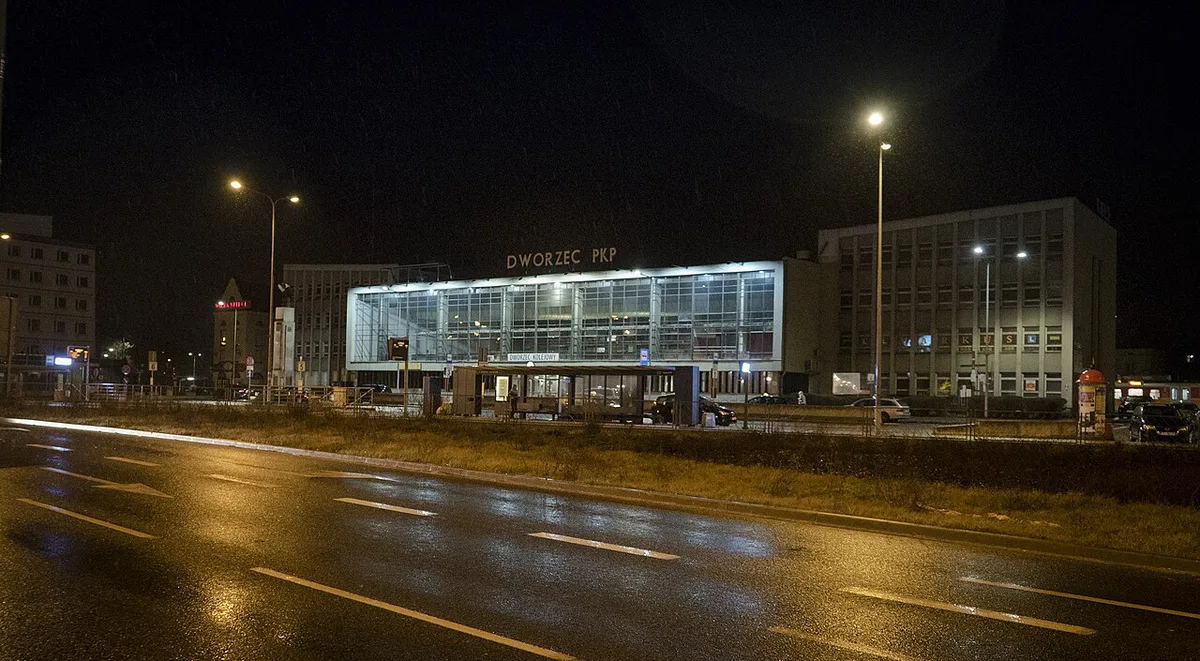
Choosing a Base for Easier Transport
Where you stay in Kielce changes how much you rely on buses or rideshares. A base near Sienkiewicza Street or the Market Square puts the Palace of the Kraków Bishops, the cathedral, and most restaurants within a short walk. That location cuts daily transport needs to almost nothing beyond the geological reserves. Staying farther out, closer to the suburbs or the outer approach roads to Kielce Główne, usually means budgeting for at least one bus or Uber ride each day. Compare center-adjacent listings against outlying options in Where to Stay in Kielce: 8 Best Hotels for Every Traveler (2026) before booking, since the location sets the transport pattern for the whole visit.
Public Transportation: The Kielce Bus Network
Buses form the backbone of Kielce's public transit, connecting the urban center to surrounding suburbs such as Masłów and Miedziana Góra. Coverage is dependable enough that longer-term visitors and remote workers can plan a car-free routine around it. Recent fleet modernization has brought newer vehicles onto key routes, improving reliability compared with older stock. Tickets are typically bought through a mobile ticketing app or at kiosks near major stops. Check current app coverage and fares for Kielce before you travel, since providers change over time. For journeys confined to Sienkiewicza Street and the historic center, walking usually beats waiting for a bus.
Rideshare and Taxis: Uber vs Local Cabs in Kielce
Uber operates in Kielce around the clock, so requesting a ride at any hour is straightforward. Uber's app includes an in-app emergency assistance button. Riders with more than one bag or traveler can request larger vehicles, or use a group ride that lets each passenger add a separate pickup or drop-off point. A single account holder can also queue up to three rides on demand. Rides can be reserved up to 30 days in advance for early trains or airport connections. Uber's platform in Kielce also supports car rental bookings and airport pickup arrangements for longer regional trips, in addition to on-demand rides. Local taxis remain useful for fixed short hops outside the main rideshare coverage, such as trips toward Sitkówka-Nowiny or Checiny. Travelers staying in self-catering apartments can also use Uber Eats for delivery from local restaurants. Pair delivery nights with pickup ideas from Where to Eat in Kielce: 10 Best Restaurants for 2026 for variety.
Driving and Parking in Kielce
Kielce's road network is well developed, and most destinations in and around the city are reachable by car without major detours. Parking is generally available near the center, though the busiest streets around Sienkiewicza Street and the Market Square can require circling for a spot on weekends. Traffic is manageable outside of peak commuting hours, and occasional congestion is more a local nuisance than a serious delay. Driving makes the most sense for reaching areas outside the walkable core, including the outer geological reserves and day trips toward the Świętokrzyskie Mountains, rather than for getting between stops inside the center.
Cycling Kielce: The Green Velo Trail and Hilly Terrain
Kielce has a growing network of bike paths and shared pedestrian sidewalks, though coverage is not yet citywide. This trail marks Kielce's stretch of the Green Velo route, promoted as Poland's longest cycling route. A marked Green Velo bench inside Kielce serves as a rest point along the way. The Silnica Riverside Promenade is built as a dedicated cycle path and lets riders leave the city car-free toward the north. Świętokrzyskie terrain is hilly by regional standard, so longer rides beyond the flat riverside stretch call for a reasonable fitness level and lower gearing. Short hops within the compact core work fine on a rented city bike, but treat cross-region Green Velo riding as a half-day or full-day undertaking rather than a quick errand. Route options include a loop from the Kielce Reservoir to Kadzielnia Nature Reserve for a shorter ride. A longer road-cycling route runs between the Jan Karski Bench and the Bartek Oak for more experienced riders. Cycling-route platforms also document a wide, even gravel road nearby with a mix of descents and ascents for gravel-focused riders.
Reaching the Geological Reserves: Kadzielnia, Karczówka, and Beyond
Four sites make up Kielce's geological reserve loop, and none of them require a rental car. Surrounding terrain falls within the Świętokrzyski Geopark, a UNESCO Global Geopark, which frames the city's quarries and rock formations as a connected geological story rather than isolated stops. Its Geoeducation Center acts as the main information hub for the geopark, with exhibits that add context to the quarries and rock formations you pass on the reserve loop. Combine the four reserves with the marked tourist route downtown by mixing walking with at least one bus or bike leg, since the two outer sites sit farther from the core than the two nearest downtown.
The geopark encompasses a geological record spanning 600 million years, contextualizing human-made monuments like the 17th-century Karczówka monastery and downtown cathedral as increments rather than anchors of Kielce's deep history.
- Kadzielnia Nature Reserve: walking distance from the center; a roller-coaster-style zipline runs about 600 meters and glides up to 40 meters above the old quarry floor.
- Karczówka Hill: sits in the western part of the city; its 17th-century monastery was built between 1624 and 1631 by Bishop Marcin Szyszkowski, reachable on foot or by a short bus ride up the hill.
- Biesak-Białogon Nature Reserve Pond: a former quarry protected since 1981; best reached by bike or bus rather than on foot.
- Ślichowice Geological Reserve: preserves folded limestone rock excavations, part of a geological record that, according to poland.travel, spans roughly 600 million years.
Intercity Travel: Trains and Buses from Kielce Główne
As the city's main train station, Kielce Główne serves as the hub for onward travel. It sits on the rail and bus corridor linking Warsaw and Kraków, so both cities are reachable without changing transport mode. Regular trains connect Kielce Główne with Warsaw. That same line also reaches Kraków on a comparable schedule. Within the city, trains matter less, since Kielce Główne mainly serves intercity trips rather than short local hops. No major passenger airport serves Kielce directly, so many travelers fly into Kraków's KRK airport and continue by train or bus. Regional buses cover shorter routes, including a day trip to Sandomierz. That bus network also reaches the Świętokrzyskie Mountains for hiking. Bus links extend toward Lublin. A separate regional route serves Rzeszów, useful if a longer regional loop is part of the plan.
Kielce Transport at a Glance: Comparing Your Options
Each transport mode in Kielce suits a different kind of trip, from a short walk down Sienkiewicza Street to a hilly ride out on the Green Velo trail. Use the comparison below to match the right option to your next stop, then check current fares in the relevant app before you head out.
| Mode | Best For | Cost | Speed |
|---|---|---|---|
| Walking | City center, Sienkiewicza Street, the marked tourist route | Free | Slow but direct for center stops |
| Bus | Budget travel to suburbs like Masłów and Miedziana Góra | Lower than a comparable Uber trip; bought via app or kiosk | Moderate, subject to route timing |
| Uber/Taxi | Night travel, heavy bags, trips to Sitkówka-Nowiny or Checiny | Priced in-app before booking; typically higher than a bus fare | Fast, available 24/7 |
| Cycling | Green Velo trail, Silnica Riverside Promenade, the reserve loop | Low if using your own or a rented bike | Moderate; slower on hilly Świętokrzyskie stretches |
Frequently Asked Questions
Is Kielce walkable for families?
Yes. Kielce's historic center is compact, and the marked tourist route connects the Palace of the Kraków Bishops, the cathedral, and Kielce Market Square without long backtracks. Families can pair a walk down Sienkiewicza Street with a stop at the Museum of Toys and Play, which sits within the same walkable core and holds a large collection of Polish and international toys, according to poland.travel.
Can I get around Kielce without a car?
Yes. Walking covers the historic center, buses reach the suburbs and outlying stops, and Uber operates around the clock for anything in between. Cycling the Green Velo trail and the Silnica Riverside Promenade adds a car-free option for reaching the reserves and heading north out of the city. Between walking, the bus network, and rideshares, most visitors never need a rental car.
What is the best way to get from the train station to the Market Square?
Walk up Sienkiewicza Street from Kielce Główne. It runs directly toward the historic center and passes most of the shops, restaurants, and monuments along the way, following the same corridor poland.travel describes as the city's main street. In poor weather or with heavy luggage, a short Uber or taxi ride covers the same distance in a few minutes.
How do I get to the Museum of Toys and Play?
This museum sits within Kielce's walkable core, reachable on foot from Sienkiewicza Street and the marked tourist route. It holds a large collection of Polish and international toys, according to poland.travel. If starting from farther out, a bus or short Uber ride into the center puts you within walking distance of the entrance.
Is Uber available in Kielce?
Yes. Uber runs in Kielce 24/7, and the app also covers nearby towns such as Sitkówka-Nowiny, Masłów, Miedziana Góra, and Checiny. Riders can reserve a trip up to 30 days ahead for early trains or fixed pickup times, and the app's emergency assistance button adds a safety layer for solo travelers.
What's the cheapest way to get around Kielce?
Walking costs nothing and covers most of the historic center, including Sienkiewicza Street and the marked tourist route. For longer hops to the suburbs or outer reserves, the bus is the lowest-cost motorized option, priced well below a typical Uber fare for the same distance. Save rideshares for night travel, heavy luggage, or trips beyond bus coverage, such as Sitkówka-Nowiny or Checiny.
You might also like


Continue reading
More guides you'll find useful


