Bar Mleczny: A Practical Guide to Poland's Historic Budget Cafeterias
Last updated July 2026: a bar mleczny is Poland's subsidized cafeteria-style eatery that traces back to a single 1896 Warsaw dairy shop. Today these milk bars split into two camps: modernized spots with English menus, and time-capsule canteens running on handwritten Polish boards. This guide covers the ordering protocol, the classic dishes worth trying, and where to find reliable milk bars in Warsaw, Wrocław, Gdańsk, and Poznań.
What Is a Bar Mleczny? Poland's Milk Bar Explained
A bar mleczny is a self-service, cafeteria-style eatery that serves inexpensive, homestyle Polish food. The name translates to milk bar in English. It comes from early menus built around dairy and vegetable dishes, since meat was the costlier ingredient. Each milk bar operates independently rather than as part of a chain. Many still receive state subsidies that keep prices well below a typical sit-down restaurant.
Today's subsidy structure preserves the dairy-and-vegetable priority that emerged during the early 1980s rationing era, and this historical necessity continues shaping which dishes remain cheapest and most subsidized.
The History of the Bar Mleczny: From 1896 to the PRL Era
The first milk bar, Mleczarnia Nadświdrzańska, opened in Warsaw in 1896. Dairy farmer Stanisław Dłużewski founded it to sell cheap milk and egg-based meals, according to NPR's 2016 reporting on the format. The concept spread nationwide after Poland regained independence in 1918. It gained further traction during the economic hardship of the 1930s, when cheap, filling meals mattered most. Similar cafeterias later appeared abroad, including Communist Yugoslavia's first mlečni restoran, which opened in Belgrade in 1959. After World War II, Poland's communist government, the People's Republic of Poland (PRL), nationalized most restaurants and closed many down. Milk bars survived as one of the few affordable options left standing. They served mostly dairy and vegetarian meals through the 1960s, and became especially important during the meat rationing of martial law in the early 1980s. Most milk bars closed after the fall of communism in 1989, unable to compete with new private restaurants. A revival began in the early 2010s, driven partly by PRL nostalgia and demand for cheap, quality food. Today's milk bars are typically privately owned but still receive state subsidies, according to Wikipedia's sourced history of the format. Prime real-estate locations put some of them at risk from redevelopment, and local activist groups have campaigned to keep them open.
How to Order at a Milk Bar Without the Stress
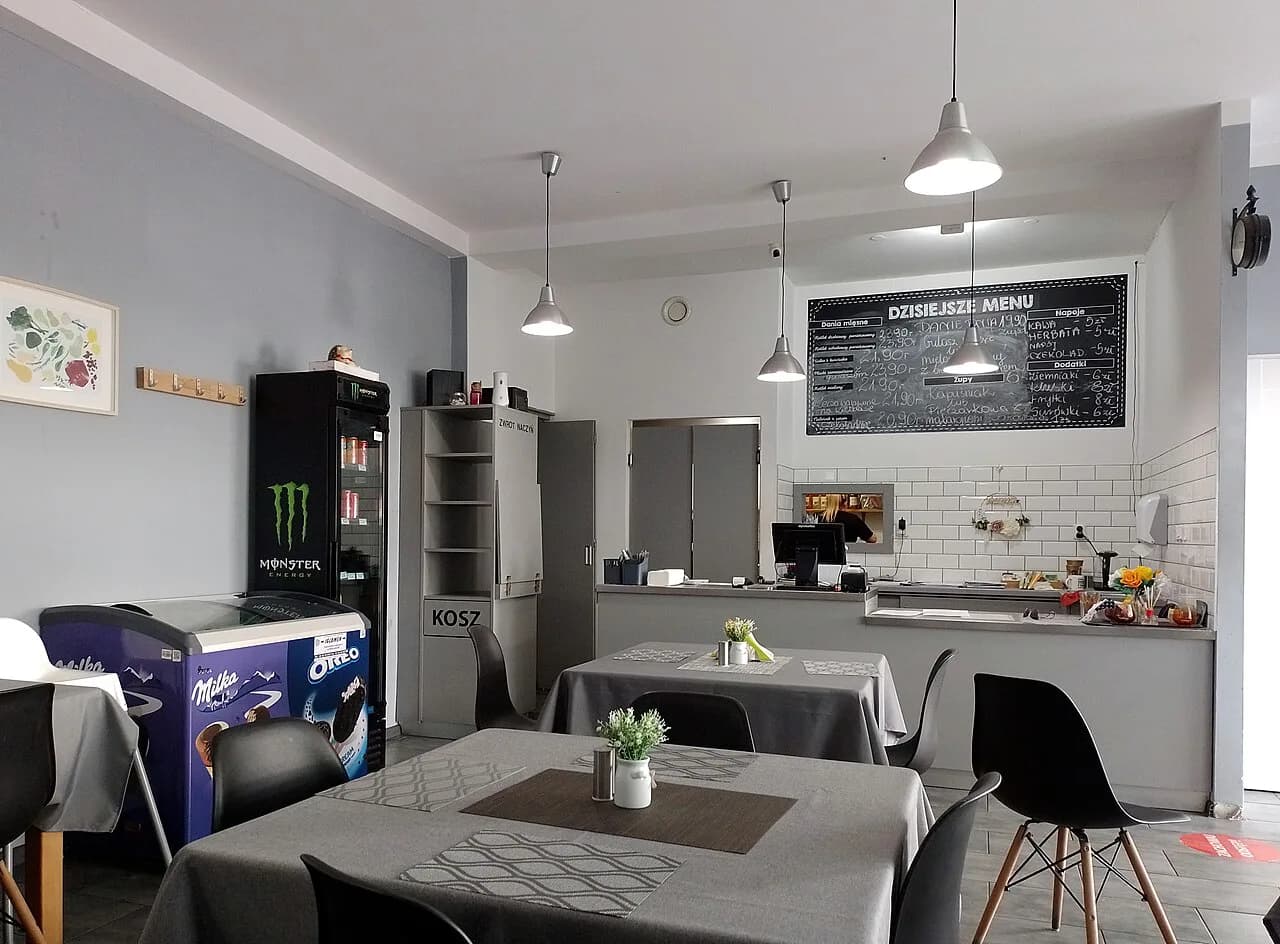
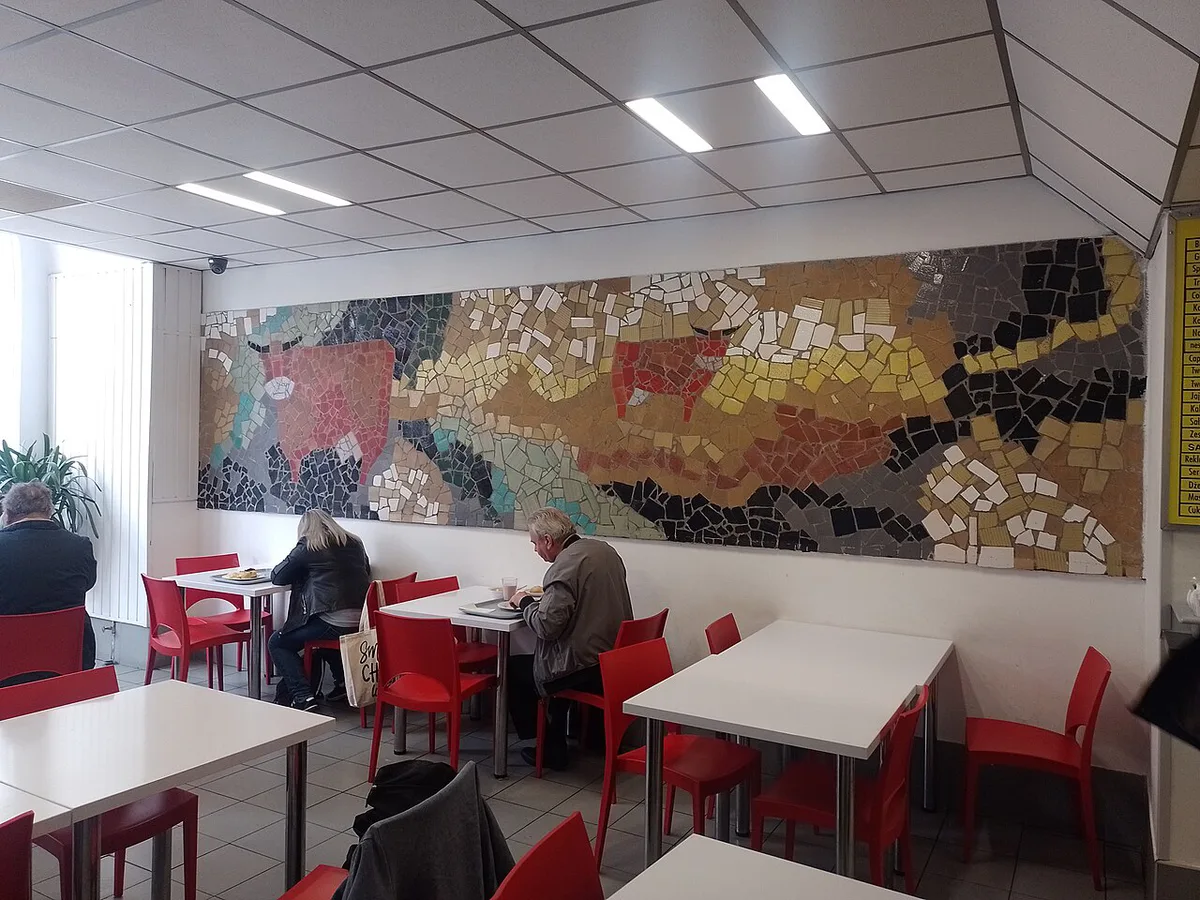
Ordering at a milk bar follows a specific sequence, and it can feel confusing on a first visit. Most bars post their menu, the jadłospis, on a wall board rather than handing out printed copies. Many boards are handwritten and Polish-only, so a translation app like Google Lens helps decode them on the spot. Staff, often long-serving women known as panie z baru, or bar ladies, run the counter and kitchen hatch with practiced speed. Expect short, direct exchanges rather than small talk, especially during the lunch rush.
- Read the wall menu (jadłospis) and decide what to order before joining the counter line.
- Order and pay at the counter first; some older bars are cash-only, so carry zloty.
- Take your receipt to the kitchen hatch and wait for your dish to be called or handed over.
- Find a seat at communal tables and expect to share with strangers during busy hours.
- Bus your own tray to the return point, known as zwrot naczyń, when finished; this step is mandatory.
What to Eat: Classic Milk Bar Dishes
Milk bar menus repeat a familiar rotation of soups, mains, and drinks across the country. Expect a short, handwritten list rather than a multi-page menu, and expect popular dishes to sell out before closing on busy days. Exact dish names and availability shift by region and by day, since milk bars cook from whatever is fresh and in season.
- Pomidorowa: tomato soup served with rice or noodles
- Barszcz: clear beetroot soup, sometimes with mushroom-filled uszka dumplings
- Żurek: sour rye soup, often served with egg and sausage
- Pierogi ruskie: dumplings filled with potato and cheese
- Placki ziemniaczane: fried potato pancakes, usually served with sour cream
- Kluski leniwe: soft cottage-cheese dumplings, or lazy dumplings, topped with butter
- Kompot: a lightly sweet fruit water, the standard milk bar drink
- Naleśniki and ryż z jabłkami: crepes and cinnamon apple rice for dessert
Milk Bar Costs and Opening Hours in 2026
A two-course milk bar meal costs a fraction of the same order at a sit-down restaurant in the same city center. That price gap is the entire point of the subsidy system. Because the subsidy targets dairy- and vegetable-based meals, meat dishes often cost more than soups or pierogi, and portions can be more limited. Exact menu prices change often, so check the wall board or your receipt for the current total rather than relying on any published figure. Hours run early, typically opening for breakfast and closing by mid-afternoon to early evening. Many locations shut by 6:00 or 7:00 pm, so plan lunch or an early dinner rather than a late one.
Most milk bars shut by 6:00 or 7:00 pm and popular soups or pierogi sell out during lunch; arriving early secures both seating and dish selection.
Where to Find the Best Milk Bars: Warsaw, Wrocław, Gdańsk, and Poznań
Milk bar quality and style vary widely by city, and by whether a location has been modernized or left as a time capsule. The four cities below cover both ends of that spectrum. Kraków's milk bar scene has its own dedicated guide, so this roundup focuses elsewhere. Poznań also has a working milk bar scene, evident from dishes like pig's liver with sautéed onion that turn up on local menus. Specific addresses shift more often than English-language guides can track, so confirm current listings with local sources before visiting.
| City | Milk Bar | Style |
|---|---|---|
| Warsaw | Bar Prasowy | Modernized, English-friendly menu, known for pierogi |
| Warsaw | Bar Bambino | Classic, serving since the 1950s |
| Wrocław | Bar Mleczny Miś | Traditional canteen format |
| Gdańsk | Bar Turysta | Traditional, affordable Polish staples |
- Modern or hipster milk bars: renovated interiors, English menus, and prices closer to a casual restaurant.
- Time-capsule milk bars: original PRL-era decor, Polish-only handwritten boards, and cash-only policies at the lowest prices around.
Milk Bar vs Restaurant vs Street Food Stand
A milk bar is not the only budget option in Poland. It sits at a specific point between a sit-down restaurant and a street food stand. The comparison below breaks down the trade-offs on cost, speed, and comfort. Street food stands like zapiekanka counters trade seating and a full meal for speed and portability. The Polish Street Food Guide: What to Eat and Where to Find It covers that side of the spectrum in detail. For more low-cost meal formats around the country, see the Polish Food Markets Guide: Best Bazaars and Food Halls in Poland.
| Feature | Milk Bar | Sit-Down Restaurant | Street Food Stand |
|---|---|---|---|
| Typical cost | Lowest of the three, subsidy-supported | Highest, full table service | Low, but often less filling |
| Speed | Fast once ordered, counter service | Slower, full table service | Fastest, no seating required |
| Seating comfort | Basic, communal tables | Full comfort, table service | Standing or takeaway only |
| Menu language | Often Polish-only outside tourist areas | Frequently bilingual in tourist zones | Simple, easy to point-and-order |
| Best for | A sit-down budget meal with local atmosphere | A relaxed meal with full service | A fast bite between stops |
Mistakes to Avoid at a Bar Mleczny
A few avoidable mistakes cause most of the friction first-time visitors report at milk bars. The dairy-heavy history that makes milk bars a strong vegetarian option is explained further in the vegetarian and vegan food guide.
- Expecting table service or English-speaking staff outside major tourist areas.
- Missing per-100-gram pricing on meat and fish dishes, priced by weight rather than by portion.
- Assuming every restaurant with milk bar in the name is state-subsidized; some are private restaurants copying the look.
- Skipping accessibility checks: some older bars have a step at the entrance and cramped seating.
- Overlooking the vegan gap: milk bars suit vegetarians well, but butter, cream, and eggs appear in most dishes.
Where to Find Milk Bars in Kraków
Kraków offers both visitor-friendly milk bars near the Old Town and traditional canteens in Nowa Huta. Choose according to your comfort with Polish menus and counter service.
- Milkbar Tomasza, at Świętego Tomasza 24, is a short walk from the Main Market Square. It has a modern atmosphere and is approachable for first-time visitors.
- Bar Mleczny Centralny, at osiedle Centrum C 1, provides a more traditional experience in Nowa Huta. Reach it by tram to the Plac Centralny area.
- Bar Mleczny Pod Temidą, at Grodzka 43, is convenient for sightseeing between Wawel Castle and the Main Market Square.
Old Town locations attract more visitors and may provide clearer menus. Centralny better reflects the functional neighborhood role that milk bars still serve. Arrive before the late lunch period for the widest dish selection. Popular soups, pierogi, and daily specials can disappear from the board once sold out.
For trip-planning details, see Poland - Wikivoyage and Poland - Wikipedia.
Pair this with our broader Poland tourism attractions guide for the full city overview.
Frequently Asked Questions
What does bar mleczny mean in English?
Bar mleczny translates to milk bar. The name comes from early menus built around dairy and vegetable dishes, since meat was the costlier ingredient at the time. Modern milk bars serve a much wider range of Polish home cooking, not just dairy items.
Are milk bars cash-only?
Some are, particularly older, time-capsule-style locations that have not modernized their payment systems. Newer or renovated milk bars, including modernized spots in Warsaw, are more likely to accept cards. Check signage at the counter or ask staff before ordering if it matters.
Do milk bars have English menus?
It depends on the bar. Modernized, tourist-friendly locations often post English translations alongside the Polish jadłospis. Traditional, time-capsule bars typically stick to a handwritten Polish-only board, so a translation app like Google Lens is useful there.
How much does a meal cost at a milk bar?
Milk bar meals cost noticeably less than the same order at a sit-down restaurant in the same city, since state subsidies keep dairy- and vegetable-based dishes cheap. Meat dishes typically cost more than soups or pierogi. Check the posted wall menu or your receipt for the current total, since prices are not fixed nationwide.
What is the etiquette for finishing a meal at a milk bar?
Bus your own tray to the designated return point, known as zwrot naczyń, when finished. This step is standard practice, not optional, even though staff will not remind you if you forget.
Are milk bars good for vegetarians and vegans?
Vegetarians generally do well, since the historical dairy- and vegetable-based menu still shapes what is on offer. Vegan travelers face more friction, because butter, cream, and eggs appear in most dishes, including soups and pierogi fillings.
You might also like


Continue reading
More guides you'll find useful