The Ultimate Guide to Rzeszów Old Town
Last updated July 2026, Rzeszów Old Town rewards visitors who pair quick sightseeing with a slower read of the city's Galician-era past. Renaissance-era townhouses ring the Rynek, and 19th-century Austrian-partition facades fill in the surrounding blocks, layering Subcarpathian Voivodeship history into one walkable core. This guide covers the Underground Tourist Route, the Market Square's Town Hall and well, and the logistics for a half-day or full-day stop.
Orienting Yourself in Rzeszów Old Town
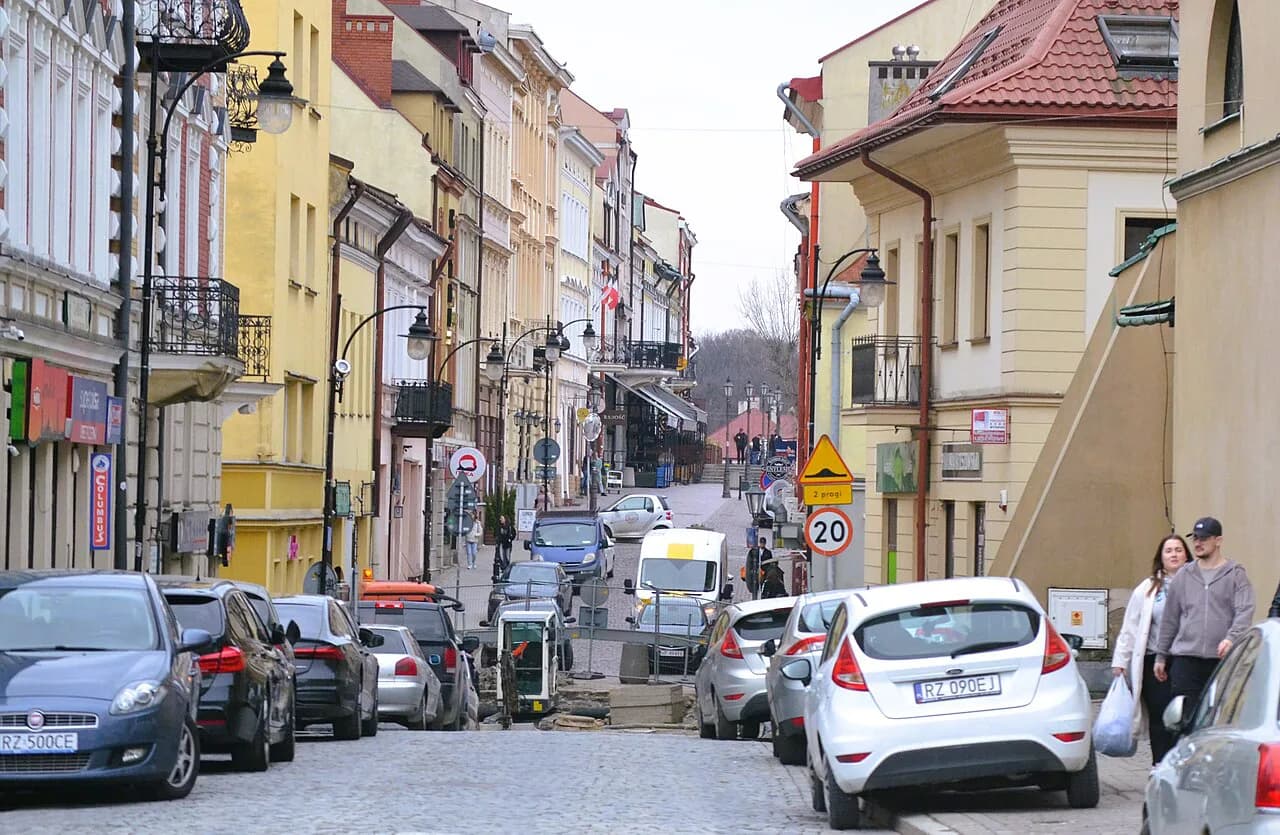
Rzeszów is the capital of the Subcarpathian Voivodeship, in the southeastern corner of Poland. Town rights date back to 1354, granted by King Casimir III the Great, and the historic core still follows that medieval street pattern today. Renaissance-era arcaded townhouses line parts of the Rynek, while 19th-century Austrian-partition facades fill in the surrounding blocks, a direct result of decades under Austrian rule. The city sits along the Wisłok River within the Sandomierz Basin, a lowland setting that keeps the Old Town's terrain flat and easy to cover on foot. The core is compact enough to walk end to end in under 15 minutes, radiating out from the Market Square. Local vehicles carry RZ plates, a quick visual cue that you're near the city center rather than the outskirts. Since 2022, Rzeszów has also worked as a logistics and humanitarian hub tied to nearby Ukraine, adding a steady stream of transit travelers to the usual visitor mix around the square. For attractions beyond the historic core, including the Multimedia Fountain, see things to do in Rzeszów.
With 198,000 residents spread across the city, Rzeszów's historic core still compresses into a footprint walkable end-to-end in under 15 minutes, making the Old Town trivially navigable for time-pressed travelers.
The Market Square (Rynek): Town Hall, the Well, and Café Life
Rzeszów's Rynek is a rectangular main square and the natural starting point for any visit. Known locally as the Ratusz, the Town Hall anchors one side, rebuilt and remodeled across several centuries, which makes its tower the easiest landmark for re-orienting yourself on nearby side streets. A well sits at the center of the square, the traditional meeting point for locals and a natural spot to start a walking loop. Mornings bring delivery trucks and cafes opening their shutters. By early evening, the same outdoor tables fill with diners as the Town Hall facade lights come on. Cobblestones cover most of the Rynek and the lanes feeding into it, and strollers or rolling luggage move slowly across the uneven stone, so budget extra time if you're pushing one.
The Underground Tourist Route Beneath the Square
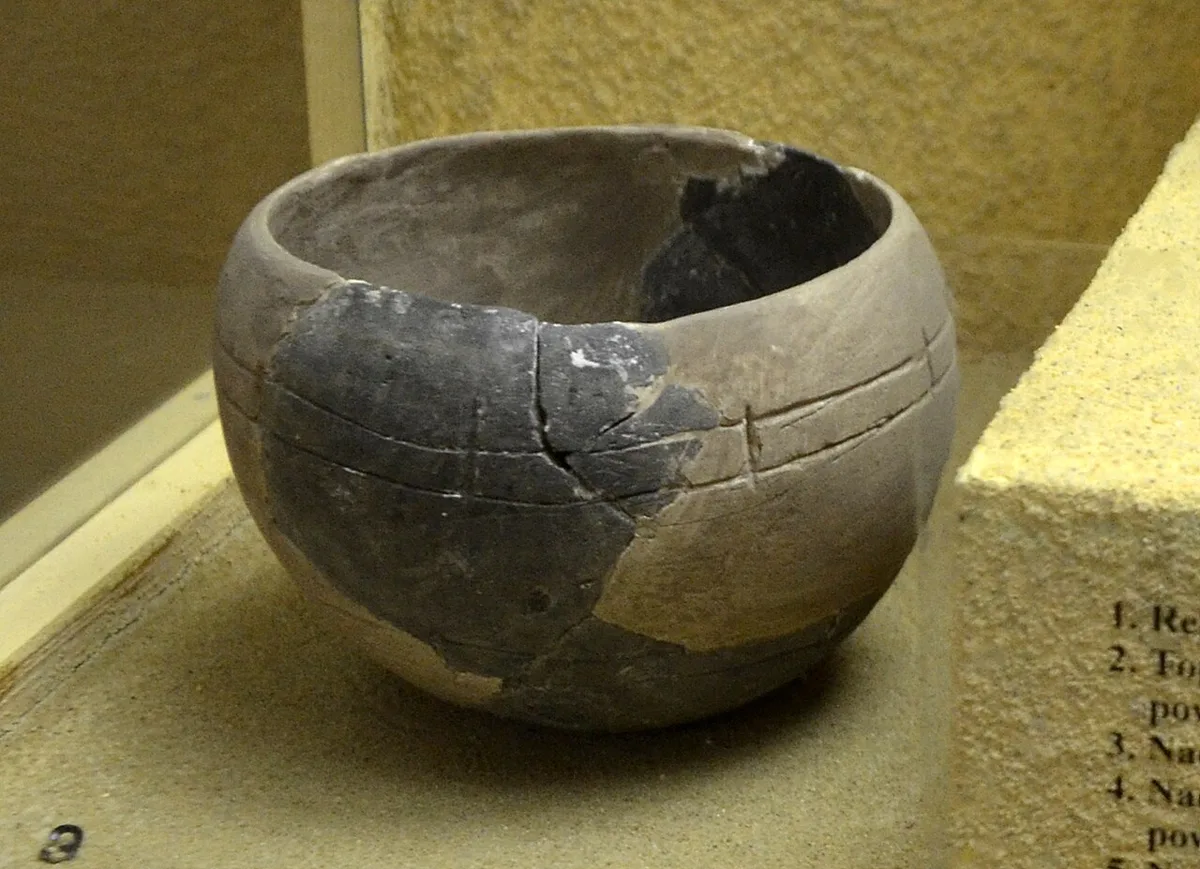
The Podziemna Trasa Turystyczna, Rzeszów's Underground Tourist Route, runs beneath the Rynek through roughly 390 meters (about 1,280 feet) of connected cellars and corridors, some dating to the 14th century. Confirm the current entrance point and tour schedule with the tourist information office in the Rynek, since access details can shift with ongoing conservation work. Tours run as guided groups only, and booking ahead matters most in peak season when slots fill quickly. Expect low ceilings, narrow corridors, and several flights of stairs without elevator access, so this route doesn't suit wheelchair users or anyone uncomfortable in tight spaces. If your time in Rzeszów is limited to two or three hours, this underground route is the single highest-value stop, since it's the one experience most general overviews of the city barely mention.
The Underground Tourist Route spans just 390 meters, yet it remains the single highest-value historical experience in the Old Town; advance booking is essential during peak season when slots fill quickly.
Architectural Landmarks and Cultural Heritage
Lubomirski Castle and its adjoining Summer Palace sit outside the tight Rynek core, originally raised as part of the city's fortifications under the Lubomirski family. Its current public access has shifted over the decades, so check the official city portal before making the extra 20 to 30 minutes of walking needed to reach the grounds. That walk is worth it mainly if you're covering a full day rather than a quick stop. The Parish Church, known locally as the Fara, is the Old Town's main religious landmark and still holds regular services. Traces of Rzeszów's Jewish history survive nearby too: the Old and New Synagogue buildings are the clearest physical reminders of a community once central to the city. Opening hours vary by season and by which cultural institution currently manages each building, so confirm locally before planning a visit around them. For a contemporary counterpoint, the BWA Art Office and a handful of small photography galleries near the square rotate exhibitions from regional and Polish artists.
Planning Your Visit: Timing, Itineraries, and Costs
Summer brings longer cafe hours and outdoor events to the Rynek, along with bigger crowds and higher accommodation demand. Winter strips back the crowds and lets you see the Town Hall and arcaded facades without the summer overlay, though some outdoor terraces close for the season. Either season works for a short stop; the trade-off is crowd size against amenities. Ticket prices for the Underground Route and the Regional Museum (Muzeum Okręgowe) change periodically, so confirm current figures before you go rather than trusting an older listing.
| Experience | Typical Cost Positioning | Where to Confirm |
|---|---|---|
| Underground Tourist Route ticket | Priced below a sit-down restaurant meal in the Rynek, in line with other Polish municipal heritage routes | Official city portal erzeszow.pl or the Rynek tourist information desk |
| Regional Museum (Muzeum Okręgowe) entry | Comparable to or slightly less than the Underground Route ticket | Museum's posted hours, confirmed on-site or via the city portal |
| Mid-range meal in the Rynek | In line with other regional-Polish sit-down restaurants outside Warsaw and Kraków | Menus posted at individual restaurant entrances |
- 2-Hour Quick Loop: a walk around the Rynek, the Town Hall exterior, and the central well. Add one coffee stop and an exterior look at the Fara church.
- Full Day Immersion: add the Underground Tourist Route booked in advance, the Lubomirski Castle grounds, and one synagogue building. Close with the BWA Art Office and a sit-down Subcarpathian meal.
Where to Eat and Stay Near the Rynek
Staying inside or immediately next to the Old Town puts the Rynek, Town Hall, and Underground Tourist Route entrance within a short walk. Hotels near the train station, on the opposite side of downtown, trade that convenience for slightly lower rates. That trade-off matters most on a short stopover, since walking back to a Rynek-adjacent hotel late at night beats crossing town. For food, look for proziaki, a Subcarpathian flatbread that's a regional specialty rarely seen outside southeastern Poland. Pair it with other Subcarpathian dishes on Rynek restaurant menus, which lean toward hearty, dairy-forward regional cooking rather than the dishes travelers find further west in Kraków.
Mistakes to Avoid in Rzeszów Old Town
A handful of avoidable missteps show up again and again among first-time visitors to the Rynek.
- Skipping the Underground Tourist Route booking: tours run as guided groups only. Slots fill fast in peak season, so reserve ahead rather than arriving on-site.
- Overlooking the Bernardine Gardens: this quiet green space near the center is an easy add-on. Most quick itineraries skip it entirely.
- Treating the Rynek as just another Polish square: arcaded Renaissance townhouses sit next to Austrian-partition facades here. That combination gives Rzeszów a distinct Galician-era look, different from squares in Kraków or Wrocław.
- Wearing the wrong footwear: cobblestones cover the square and surrounding lanes. Pack shoes with real tread, something around a US10/UK40 fit with a flat sole, rather than sandals or heels.
Rzeszów's Modern Economy and Transport Links
Around the Old Town's compact core, Rzeszów's economy runs on a different scale entirely. With roughly 198,000 residents as of the most recent city count, Rzeszów sits among Poland's larger regional capitals, a scale that supports both the historic core and the newer Aviation Valley cluster of aerospace manufacturers and suppliers. That growth has reshaped the periphery over the past two decades without displacing the historic center. Rzeszów-Jasionka Airport connects the city to a range of European destinations and sits close enough to downtown for a same-day arrival-to-Rynek itinerary. The A4 motorway and the S19 expressway both pass near the city, linking it west toward Kraków and southeast toward Ukrainian border crossings. If you're using Rzeszów Old Town as a base before heading into the mountains, plan around Bieszczady day trips. Heading west instead, toward Kraków, the drive and rail options are covered in the Rzeszów to Kraków guide.
Notable People and Rzeszów's International Ties
Ignacy Łukasiewicz, the 19th-century engineer credited with pioneering kerosene refining in the region, is one of the names most associated with Subcarpathian Voivodeship history. Local museums and street names reference his work throughout the region. Rzeszów also carries a Rescue City designation tied to its role sheltering and moving people during the humanitarian response that began in 2022, a status that still shapes some of the short-term accommodation demand around the center. Sister-city partnerships with towns across Europe round out the picture, part of a broader pattern of municipal exchange common to regional Polish capitals. Check the city portal for the current list before assuming a specific partner city.
A Short Jewish Heritage Walk from the Rynek
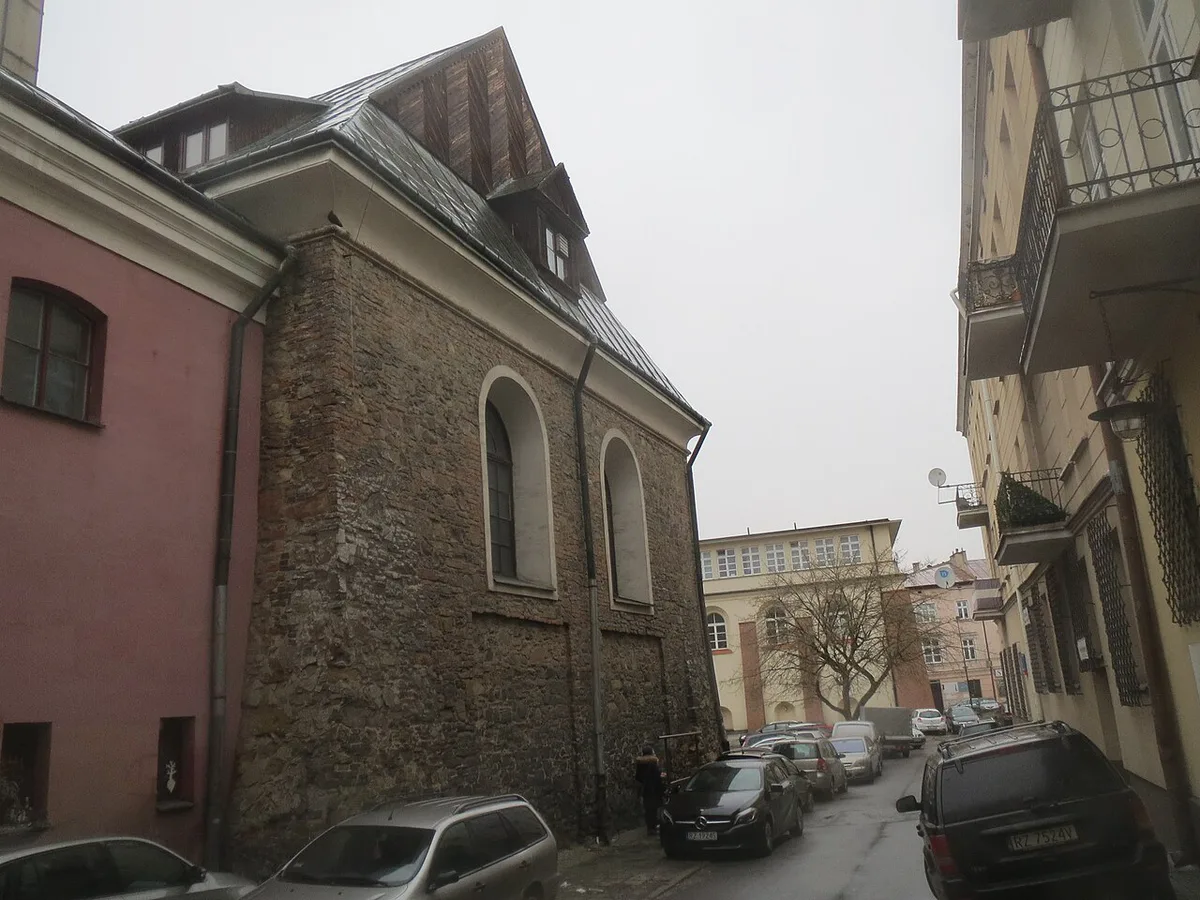
Rzeszów’s surviving synagogues are close enough to combine into a short walk from the Market Square. Begin at the Old Town Synagogue at 4 Bożnicza Street, a few minutes northeast of the Rynek. The stone building dates from the early 17th century and survived wartime destruction in altered form.
Continue to the New Town Synagogue at 17 Jana III Sobieskiego Street. Built around the turn of the 18th century, it now accommodates cultural uses rather than an active congregation. The building is associated with Rzeszów’s BWA contemporary art gallery, so exhibition access may offer a chance to see inside.
Neither synagogue should be treated as a reliably open museum. Check current gallery or institutional hours before planning an interior visit. Exterior viewing still provides valuable context because Rzeszów had a substantial Jewish population before the Second World War.
Allow about 30 minutes for both exteriors and the connecting streets. Travelers seeking deeper context can continue to the surviving Jewish cemetery on Dołowa Street, outside the immediate Old Town core.
Further reading: Poland on Wikivoyage · Poland on Wikipedia
Frequently Asked Questions
How much time should you plan for Rzeszów Old Town?
Budget at least two hours for the Rynek, Town Hall, and central well. Add a half day if you're booking the Underground Tourist Route and one church or synagogue building, and a full day if the Lubomirski Castle grounds and a sit-down meal are part of the plan.
Do you need to book the Underground Tourist Route in advance?
Yes. Tours run as guided groups only, and booking ahead matters most in peak season when slots fill quickly. Confirm the current entrance point and schedule with the tourist information office in the Rynek before you arrive.
Is Rzeszów Old Town walkable, or do you need a car?
The historic core is compact and best covered on foot; cobblestones make sturdy footwear worth packing. The Lubomirski Castle grounds sit further out, so budget 20 to 30 extra minutes of walking, or a short taxi ride, if you're adding that stop.
What's the best season to visit Rzeszów Old Town?
Summer brings longer cafe hours and outdoor events but also bigger crowds and higher accommodation demand. Winter offers a quieter square and clearer views of the Town Hall and arcaded facades, though some outdoor terraces close for the season.
Is Rzeszów Old Town worth a stop on a layover from the airport?
Yes, for a four to eight hour window. Rzeszów-Jasionka Airport sits close enough to downtown for a same-day arrival-to-Rynek itinerary covering the Market Square, the Town Hall, and either the Underground Tourist Route or one architectural landmark, depending on how much time you have.
You might also like


Continue reading
More guides you'll find useful