

Szczecin With Kids: Best Family Activities and Planning Tips
Last updated August 2026. Szczecin with kids works best for families who prefer a flexible mix of short cultural visits, outdoor breaks, and weather-dependent activities. Allow two days when possible, because a slower schedule leaves room for meals, rest, and an indoor backup.
Is Szczecin Good for Families?
Szczecin can suit families who build each day around one main activity and several flexible stops. Museums provide potential indoor options, while the Old Town, castle area, and seasonal boat trips offer contrasting experiences. Suitability depends heavily on current programming, access arrangements, and your children's tolerance for walking or quiet exhibits. Families with toddlers may need more frequent breaks than central sightseeing plans usually allow. Teenagers may prefer a museum chosen around their interests or a boat experience over an extended architectural walk. A balanced verdict is therefore positive, but only for a deliberately paced trip. The broader Szczecin trip assessment can help you compare the city with other Polish destinations. Use the following planning profile as an editorial starting point rather than a venue guarantee.
- Best for: families who enjoy combining history, museums, water, and unstructured outdoor time.
- Recommended stay: 2 days for a comfortable pace, or 1 day for a selective introduction.
- Rainy-day resilience: reasonable if you verify one museum and one secondary indoor option before arrival.
- Getting around: combine short walks with public transport, using a live journey planner for every longer transfer.
- Typical cost profile: flexible, because outdoor sightseeing can balance paid museums or seasonal boat tickets.
- Main constraint: current family programming, accessibility, fares, and seasonal schedules require direct verification.
Quick Guide to Choosing Family Activities
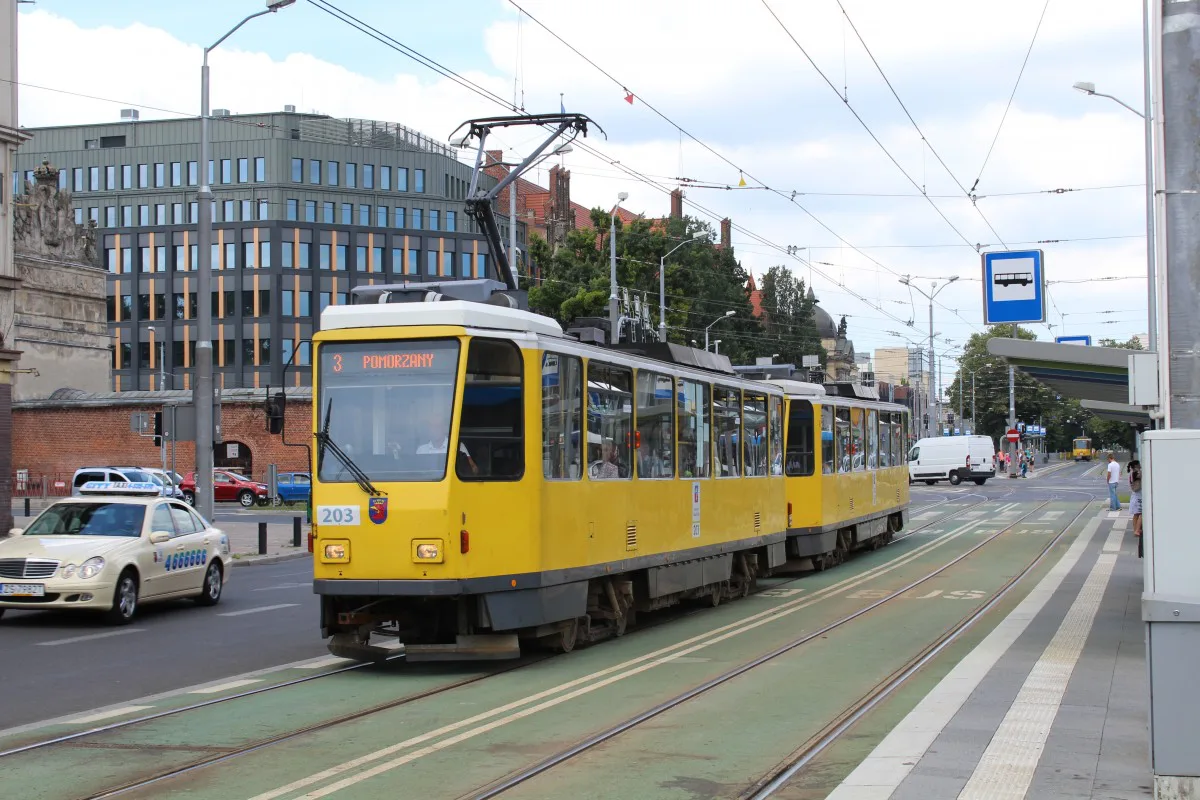
Use this comparison as a planning filter. Durations are editorial allowances, not published venue times. Cost bands describe the likely budget decision without inventing admission prices. Confirm opening status, admission, step-free access, and booking rules on each official website before committing.
For a weather-sensitive centerpiece such as a boat trip, keep the half-day flexible and recheck the forecast and official schedule 24 hours before arrival. This preserves a slower two-day pace while leaving room to use the verified museum backup.
| Activity | Best age group | Setting | Planning allowance | Cost level | Advance booking | Stroller or access note |
|---|---|---|---|---|---|---|
| Short Old Town exploration | All ages with age-specific games | Outdoor | 45–75 minutes | Low or free | Usually unnecessary for an independent walk; verify any guided activity | Review the chosen route and surfaces before bringing a stroller |
| Pomeranian Dukes’ Castle exterior or interior | School-age children and teenagers | Outdoor or mixed | 30–90 minutes | Low to moderate | Check current admission and event requirements | Confirm lifts, stairs, and step-free routes directly |
| One museum selected by current exhibits | School-age children or teenagers; younger children only when programming fits | Indoor or mixed | 60–120 minutes | Moderate | Check timed entry and family sessions | Do not assume every gallery is fully step-free |
| Seasonal boat trip or Oder cruise | School-age children and teenagers | Outdoor or mixed | Allow a 2-hour block around the published trip | Higher-cost choice | Advisable after checking the operator | Ask about boarding access and stroller storage |
| Currently confirmed free outdoor stop | Toddlers through teenagers | Outdoor | 30–60 minutes | Free | Normally unnecessary unless an event is involved | Check surfaces, shelter, and toilet access |
Best Things to Do in Szczecin With Kids
Choose activities by family value rather than trying to complete a long attraction list. One substantial stop usually gives children more time to engage than three hurried admissions. Current exhibits and operating arrangements are not supplied here, so verify them with the relevant venue. The broader Szczecin attractions guide provides additional choices when your family has a specialist interest.
- Choose one interactive or educational stop. Review the Szczecin museum options, then match current exhibits to your children's interests. Look for a clearly described activity, object, demonstration, or family session. Allow 60–120 minutes as an editorial planning window. Younger children may struggle if the visit depends on reading labels or remaining quiet.
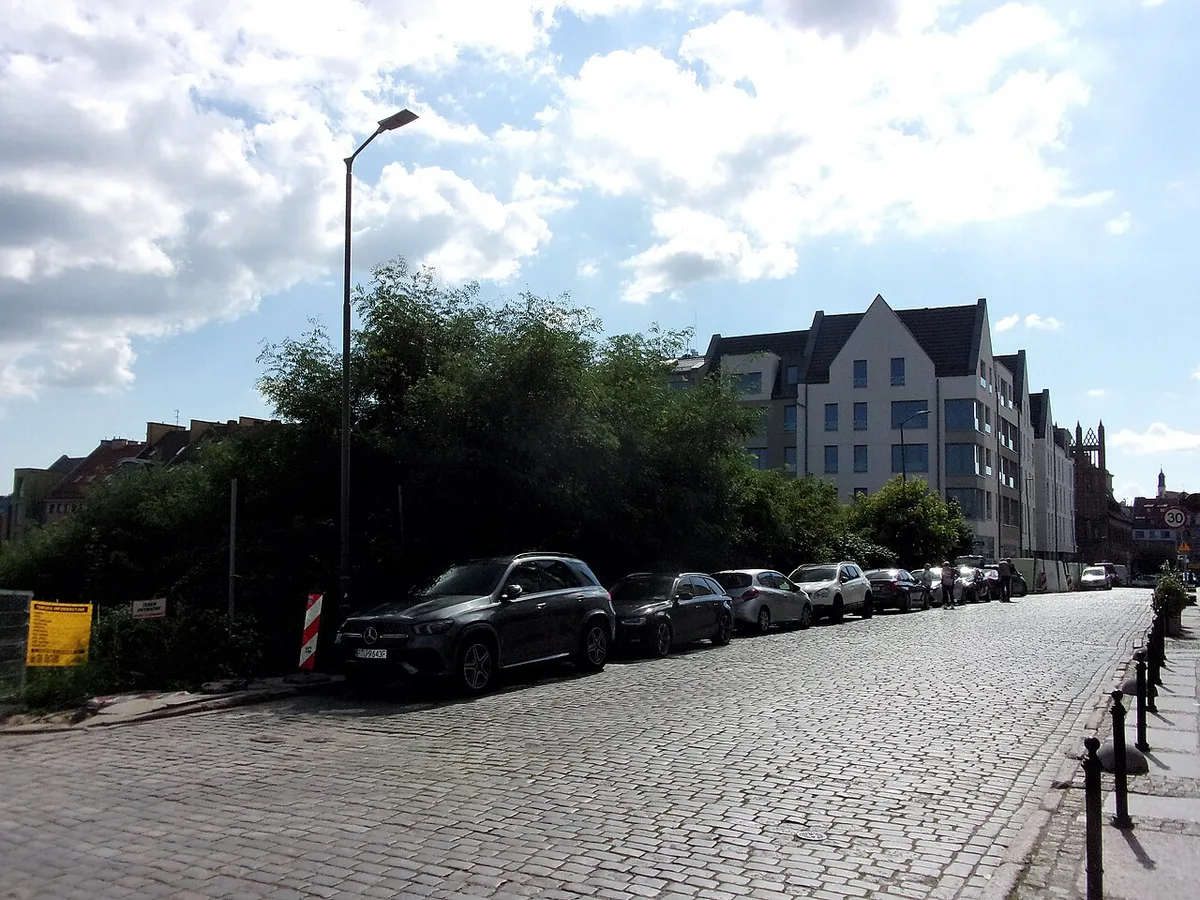
- Turn the Old Town into a short observation game. Ask younger children to find colors, shapes, dates, doors, or architectural details along your selected route. Give older children responsibility for navigating between two predetermined points. Cap the first circuit at about 60 minutes, then reassess energy levels. Consult the Old Town planning guide before choosing your exact path.
- Use the Pomeranian Dukes’ Castle as a flexible history stop. An exterior-focused visit can work when attention spans are short. Consider an interior only after checking current exhibitions, admission, stairs, lifts, and expected behavior. The castle visitor guide can support that decision. Reserve 30–90 minutes according to the option selected.
- Select one outdoor release point rather than adding another formal attraction. Confirm that your chosen place is open, suitable for the weather, and practical for your child's mobility. A 30–60 minute unstructured break can reset the day. Browse free Szczecin activities for currently verified possibilities.
- Treat a boat trip as the day's weather-sensitive centerpiece. Check the operator's 2026 schedule, route, duration, age conditions, boarding arrangements, cancellation terms, and safety instructions. Ask about stroller storage and toilet access before paying. Motion-sensitive travelers should consider trip length and forecast conditions. Compare current Szczecin boat options before reserving.
What to Do in Szczecin With Kids When It Rains
Build the wet-weather plan before leaving your accommodation. First, select one museum whose current exhibition genuinely matches your children's ages. Keep a second indoor venue in reserve, but verify that it is operating and not merely partly sheltered. Bad weather can concentrate demand, so recheck timed-entry availability that morning. Avoid committing to a long transfer unless the destination can occupy at least 60–90 minutes. These combinations keep the day manageable without assuming unverified opening hours.
- For toddlers and preschoolers, choose one verified indoor activity for 45–75 minutes. Follow it with an early meal or accommodation break. Avoid relying on a quiet, text-heavy exhibition unless your child already enjoys that format.
- For primary-school children, combine a 60–90 minute museum visit with a short covered meal break. Add another admission only if the first stop leaves enough energy. Use public transport for the longer transfer after checking live journey information.
- For teenagers, select a museum around a stated interest such as history, art, or technology. Allow up to 2 hours when the current exhibition supports that interest. A café break can create separation before a second cultural stop.
- During showers rather than sustained rain, keep a 30-minute outdoor loop available. Return indoors if surfaces, wind, or visibility make the route unpleasant. Never describe a mixed venue as fully weatherproof without checking its current visitor information.
One-Day and Two-Day Family Itineraries
A one-day visit should introduce the city without turning every transition into a race. Two days are preferable for younger children, families using strollers, and anyone planning a seasonal boat trip. Check live maps before departure because this brief supplies no verified transfer times. Add a 20-minute buffer to any connection involving tickets, boarding, or an unfamiliar stop.
- One-day morning: begin with a 45–75 minute Old Town exploration. Use a simple spotting game for younger children or give an older child the map. Stop before interest becomes fatigue.
- One-day lunch: reserve 60 minutes for eating and toilets. Choose the meal area after checking your afternoon route. Avoid crossing the center solely for a particular restaurant when children already need a break.
- One-day afternoon: select either the castle or one museum, not both by default. Allow 60–120 minutes for the chosen visit. If rain disrupts the walk, move directly to the verified indoor option.
- One-day late afternoon: finish with a 30–60 minute free or low-cost outdoor stop if energy and weather permit. Skip it without regret when the main activity has run long.
- Two-day first day: follow the central history pattern from the one-day plan. Keep the castle visit flexible, choosing an exterior or interior experience after checking current conditions.
- Two-day second day: make a museum, boat trip, or different activity type the centerpiece. Avoid repeating another long architectural circuit. A seasonal cruise needs a backup museum and a checked cancellation policy.
- Two-day pacing: leave one half-day adjustable until the forecast and current availability are known. Families wanting a fuller framework can adapt the two-day Szczecin itinerary to shorter attention spans.
Practical Family Logistics
Family logistics deserve the same attention as the attraction list. Current child fares, ticketing methods, access details, and venue prices are not established by the supplied evidence. Check the official transport fare page and each venue's official visitor page shortly before travel. Take screenshots of essential confirmations in case mobile service fails.
- Getting around: walk only when your live map shows a manageable route for the whole group. For longer journeys, check public transport departures immediately before leaving. Verify 2026 child-fare rules, ticket validation, contactless payment, app ticketing, and stroller policies through the official transport authority. The Szczecin transport guide can help organize those checks.
- Step-free planning: never infer accessibility from a venue category or modern-looking entrance. Confirm the complete route from street to ticket desk, toilets, exhibits, and exit. Ask specifically about lifts, steps, heavy doors, boarding gaps, and stroller storage. A listed accessible entrance may not cover every visitor area.
- Costs: compare the official 2026 admission page for each paid venue with the official public transport fare page. No supported złoty amount appears in the supplied evidence, so an exact price would be unreliable. Outdoor independent sightseeing should generally be the lower-cost planning category. A museum or cruise becomes the larger discretionary expense once current prices are confirmed.
- Booking: reserve only after checking cancellation conditions and the exact family composition covered. Boat trips deserve particular caution because operation may be seasonal or weather-dependent. Museums may use timed entry or separate booking for family programming. Save the booking confirmation and note the arrival deadline.
- Food and breaks: place lunch between the day's two largest blocks. Confirm restaurant hours, toilets, and reservation expectations directly. Avoid assuming a venue has changing facilities, high chairs, children's meals, lockers, or unrestricted re-entry. The Szczecin dining guide can help shortlist meal areas.
- Accommodation: central convenience may reduce daily transport, but it can also place you near evening activity. A quieter alternative can work when a verified direct route connects it to your planned stops. Families needing naps should prioritize an easy return over a longer amenity list. Compare access and surroundings in the Szczecin accommodation guide.
- Seasonal planning: outdoor comfort, daylight, and boat schedules can change the balance of your itinerary. Keep at least 1 verified indoor option for every weather-sensitive day. Recheck the forecast and official schedules 24 hours before arrival. Use the seasonal Szczecin guide when choosing travel dates.
Age-Based Recommendations
Age labels are starting points, not fixed rules. Match each stop to attention span, mobility, sensory needs, and existing interests. Any child may prefer a shorter visit than the editorial allowance.
Mixed-age groups need both breathing room and realistic transfers. Add a 20-minute family buffer to ticketed or unfamiliar connections, then protect the larger flexible-time allowance so an optional extension remains genuinely optional when younger children tire.
- Toddlers and preschoolers: favor a 45-minute Old Town game, an outdoor break, and one verified indoor activity. Schedule food and toilets before a long transfer. Museum visits work only when the current offering includes something they can actively observe or do. Long tours and quiet interiors create predictable friction.
- Primary-school children: combine a map-based Old Town task with one museum or a checked castle visit. A seasonal boat trip may add variety when the operator's current rules suit the child. Keep a 30-minute buffer around boarding or timed admission.
- Teenagers: let them choose between current museum exhibits, history, photography, or a boat experience. Give them responsibility for one route or meal decision. Avoid overexplaining every building. Two substantial stops with independent time often work better than a tightly narrated day.
- Mixed-age families: choose one shared centerpiece and one optional extension. Let an adult and older child continue only when supervision arrangements remain clear. Build at least 60 minutes of flexible time into a full sightseeing day.
Common Family Planning Mistakes
Most difficult family days result from excessive commitments rather than a shortage of attractions. Keep the plan reversible and verify every current operating detail that could cause a wasted journey.
- Scheduling 3 or more formal attractions in one day leaves little room for meals, toilets, queues, or a tired child.
- Ignoring transfer time makes a compact-looking plan unrealistic. Check every journey with a live planner and add a 20-minute family buffer.
- Depending entirely on outdoor sightseeing gives rain too much control. Confirm at least 1 suitable indoor alternative each morning.
- Assuming every museum has hands-on content can lead to a poor age match. Read the current exhibition and family-program descriptions before booking.
- Treating a seasonal boat trip as guaranteed risks losing the day's main activity. Check the schedule, forecast policy, and cancellation terms.
- Using an old fare article may produce incorrect child-ticket assumptions. Verify 2026 rules through the official transport authority.
- Choosing accommodation by price alone can create repeated transfers. Compare the door-to-door route to your 2 main activity areas.
A Low-Stress Planning Recommendation
Plan 2 days if your schedule allows. Give each day 1 main attraction, 1 outdoor release point, and 1 verified indoor fallback. Choose the exact museum, cruise, fares, and access arrangements only after checking official 2026 information. That structure keeps Szczecin flexible for different ages without depending on an overloaded checklist.
Morskie Centrum Nauki: Szczecin’s Strongest Indoor Family Stop
Morskie Centrum Nauki im. prof. Jerzego Stelmacha is the clearest choice for families wanting a defined indoor activity. The science centre stands by the Oder near the Chrobry Embankment. Its permanent displays focus on science, technology, water, and maritime themes. Interactive exhibits give primary-school children more to do than a conventional gallery visit.
Allow around two hours for the exhibition areas. Add time only if the current planetarium programme suits your children’s age and language needs. It is usually a better rainy-day choice for school-age children and teenagers than for toddlers. Younger children may still enjoy selected hands-on displays, but an adult should keep the visit short and flexible. Check the official schedule for planetarium sessions, family workshops, timed entry, and current accessibility details before travelling. Combine it with a brief waterfront walk only when weather and energy levels allow.
Frequently Asked Questions
Is Szczecin worth visiting with kids?
Szczecin is worth considering when your family likes a measured combination of history, museums, outdoor time, and possible water activities. Its value depends on choosing current exhibits and manageable routes. Families expecting many guaranteed hands-on attractions should verify programming carefully before booking the trip.
How many days do families need in Szczecin?
Allow 2 days for a comfortable family visit. That schedule supports one main activity each day, proper meal breaks, and a weather alternative. A selective 1-day trip can still work if you combine a short Old Town visit with either the castle or one suitable museum.
What can families do in Szczecin when it rains?
Choose one museum after confirming that its current exhibition suits your children's ages. Keep a second verified indoor option available and allow 60–90 minutes for the main visit. Younger children may need an accommodation or meal break instead of another admission. Teenagers can manage a longer interest-led museum session.
Are there free things to do in Szczecin with children?
Independent outdoor sightseeing may provide free options, including a short Old Town exploration or an exterior-focused history stop. Confirm current access before relying on a specific place. Balance one verified free activity with a paid museum or seasonal boat trip to keep the overall day more affordable.
Is Szczecin easy to explore with a stroller?
A stroller may be practical on carefully selected routes, but citywide ease should not be assumed. Check surfaces, steps, lifts, doors, boarding access, and the full path through each venue. Use a live map for distances and official visitor information for current step-free arrangements.
Do families need to book attractions in advance?
Advance booking is most relevant for timed entry, family programming, and seasonal boat trips. Check current availability during poor weather because indoor demand may rise. Before paying, review cancellation terms, arrival deadlines, age conditions, and the exact people covered by any family admission.
Which part of Szczecin is most convenient for families?
Choose an area that offers a simple verified route to your 2 main activity zones and an easy return for rest. Central accommodation may reduce some travel, while another area may offer better value or quieter evenings. Compare door-to-door journeys before booking rather than relying on district labels alone.
You might also like

Continue reading
More guides you'll find useful