

Poland Power Adapter Guide: Everything You Need to Know
Last updated July 2026, this guide answers the question every visitor packing for Warsaw, Kraków, or Gdańsk eventually asks: which poland power adapter actually fits the wall. Poland runs on the two-pin Type C Europlug and the round Type E socket with its distinctive grounding pin, paired with 230V/50Hz power that differs sharply from the 120V standard used across North America. Before adding a single item to the packing list, it helps to know exactly which plug shape, socket type, and voltage rules apply, and whether a simple adapter is enough or a converter belongs on the list too.
Quick Answer: What Power Adapter Is Used in Poland?
For most travelers, the short answer is a European Type C or Type E travel adapter, sometimes sold as a Poland power adapter or EU adapter. Poland's electrical system runs on 230V at 50Hz, the same standard used across the European Union. Devices originally designed for 120V markets, like the standard wall sockets in the United States and Canada, need either an adapter alone or an adapter plus a voltage converter, depending on what the device itself can handle. Before departure, review a broader Poland trip preparation checklist so the adapter question fits into the rest of the packing plan rather than becoming a last-minute scramble at the airport.
A plug adapter alone won't protect a 120V device on Poland's 230V power; the adapter only changes the physical shape, not the voltage. Dual-voltage devices (labeled 100-240V) need only an adapter; single-voltage heat appliances need both an adapter and a converter.

Understanding Polish Outlets: Type C vs. Type E
Poland technically uses two related plug standards, and telling them apart matters more than it seems. Type C, also called the Europlug, is a simple two-pin, round-pronged plug with no grounding connection, commonly found on phone chargers, laptop bricks, and small electronics. Type E is the standard Polish wall socket: it has two round holes and, distinctively, a protruding male grounding pin built into the socket itself, plus a matching recessed female hole positioned to receive that pin. A Type C Europlug fits into a Type E socket without issue because Type C is ungrounded and simply slots into the two round holes. The complication runs the other way: some universal travel adapters marketed generically as European adapters are molded without the female grounding hole, which means they physically will not seat into a genuine Type E socket. When shopping, look specifically for adapters labeled compatible with Type E or France/Poland-style sockets, not just generic Type C or EU adapters.

- Type C (Europlug): two round pins, ungrounded, fits almost all EU sockets including Poland
- Type E: the Polish/French standard socket with a protruding grounding pin and a matching female hole
- Universal adapters without a grounding-pin recess may not physically fit Polish Type E outlets
- Confirm any adapter is labeled for Type E or French-standard compatibility before relying on it
Voltage and Frequency: Will You Fry Your Electronics?
Poland's electricity runs at 230V and 50Hz, matching the European Union standard. North American outlets, by contrast, typically supply around 120V at 60Hz. Plugging a device built only for 120V into a Polish 230V socket without a converter can damage the device or, in the case of high-heat appliances, create a genuine safety hazard. The deciding factor is not the plug shape but the voltage rating printed on the device itself. Every charger, laptop adapter, or appliance sold internationally carries this rating on a small label near the input port, and reading it correctly is the single most reliable way to avoid a ruined charger or a tripped hotel circuit.
Power Adapter vs. Voltage Converter: Which One Do You Need?
This is the point of confusion travelers most often raise in destination forums, particularly around whether a simple adapter is enough or a heavier converter is required. A power adapter only changes the physical plug shape so it fits a Polish Type C or Type E socket; it does not change the voltage flowing through the device. A voltage converter actually steps 230V down to something closer to 120V, and it is only necessary for devices that are not built to handle the higher European voltage. The fastest way to decide is to read the input label on the device itself.
| Device Label Reads | What It Means | What You Need |
|---|---|---|
| Input: 100-240V, 50/60Hz | Dual voltage, auto-switching | Plug adapter only |
| Input: 120V only (no range listed) | Single voltage, US/Canada standard | Plug adapter plus voltage converter |
| Smartphones, laptops, most cameras | Almost always dual voltage | Plug adapter only, in most cases |
| Hair dryers, curling irons, travel kettles | Frequently single voltage and high-wattage | Check the label carefully; converter often required |
The Hair Dryer Warning: High-Heat Appliances and Polish Outlets
High-wattage, high-heat devices are the most common source of electrical trouble for North American travelers in Poland, and hair dryers are the classic example. Many budget hair dryers, flat irons, and travel kettles sold in the US and Canada are built for 120V only, with no dual-voltage circuitry inside. Plugging one directly into a Polish 230V socket, even with a plug adapter attached, can overheat the appliance, blow a fuse, or in worst cases start a small fire, because the adapter changes only the plug shape and does nothing to the voltage. Checking the input label before packing any heat-based appliance is worth the thirty seconds it takes, and packing a dual-voltage travel version, or simply borrowing a hotel-provided hair dryer where available, sidesteps the issue entirely.
Where to Buy a Power Adapter for Poland (Before and After Arrival)
Buying an adapter before departure remains the least stressful option, since airport shops and hotel front desks cannot always be relied on to stock the correct Type E-compatible version. Online retailers such as Amazon carry dedicated Poland and EU travel adapter kits that specify Type C and Type E compatibility in the listing, which is worth checking closely given the grounding-pin fit issue described above. For travelers who arrive without one, Poland's own electronics retailers are a reliable backup: large chains like Media Markt and Euro RTV AGD stock travel adapters and multi-port USB chargers in most major shopping centers in Warsaw, Kraków, and Gdańsk. In a pinch, convenience stores such as Żabka occasionally carry basic adapters near the checkout counter, though selection is inconsistent and not guaranteed. When shopping locally, a phrase or two of basic Polish for travelers makes it easier to ask staff for an adapter (przejściówka) or charger (ładowarka) if the shelf display is not self-explanatory.
Before purchasing locally, prioritize buying dual-voltage heat appliances online. Hair dryers and curling irons are the most common damage risk; many budget models are 120V-only and cannot safely run on Poland's 230V current.
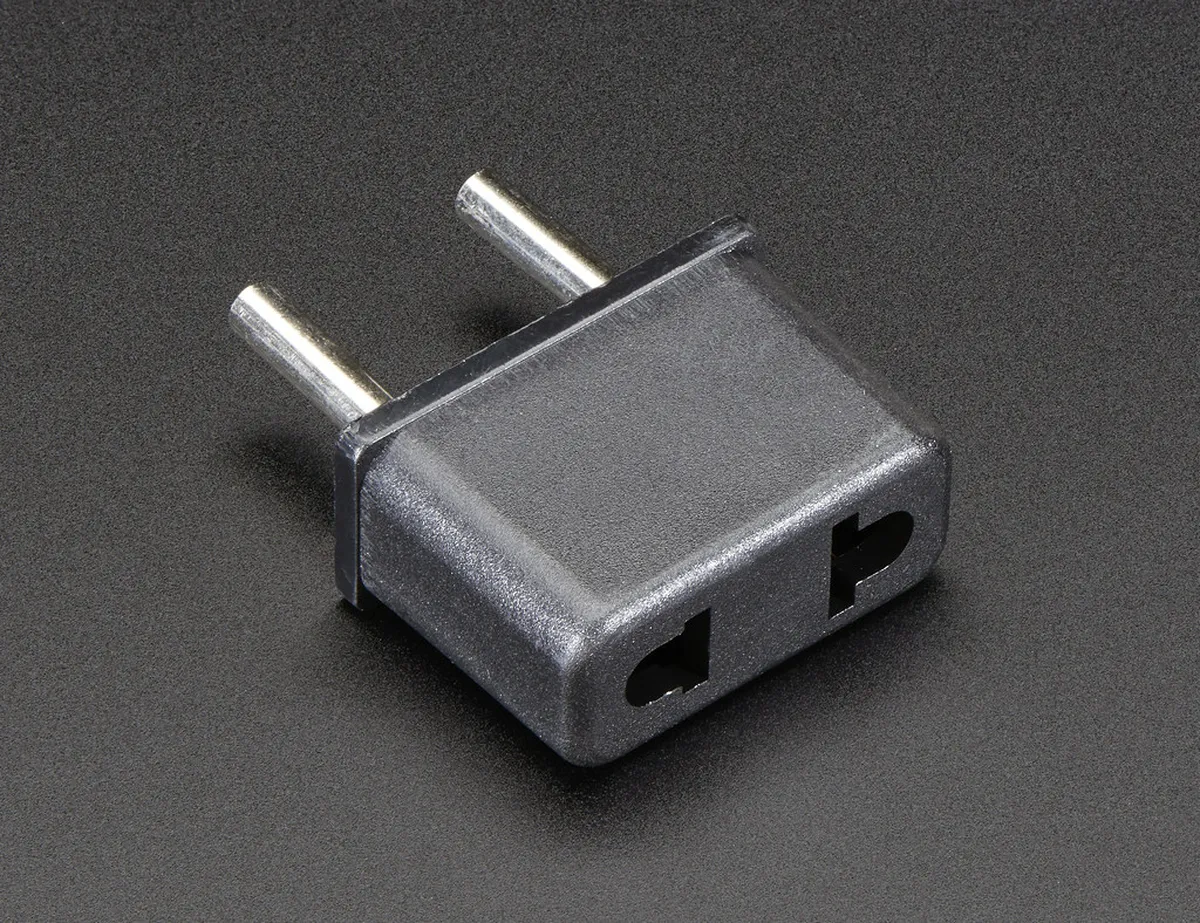
- Amazon and other online retailers: order a Type C/E-labeled adapter before departure
- Media Markt: large electronics chain with locations in most major Polish cities
- Euro RTV AGD: another widely available Polish electronics retailer stocking adapters and chargers
- Żabka convenience stores: occasional basic adapter stock, inconsistent availability
- Hotel front desks: sometimes loan adapters, but never guaranteed, so do not rely on this as a sole plan
Essential Safety Tips for Using Polish Electricity
A few habits reduce the risk of a damaged device or an inconvenient outage during a Poland trip. Always check the input voltage label before plugging in any appliance, especially heat-generating ones. Favor a single multi-port USB charger over several individual AC adapters, since it cuts down on the number of physical adapters needed and reduces strain on a single outlet, particularly useful in older hotel rooms or rentals where socket count can be limited. Some older Polish buildings have varied grounding setups compared to newer construction, so a genuinely Type E-compatible adapter with proper grounding-pin clearance matters more in those settings than in modern hotels, which almost universally use standard Type E sockets. Since a fried charger or damaged laptop is a real financial setback mid-trip, it is worth confirming that travel insurance coverage extends to damaged electronics before departure, and storing adapters and chargers in a dedicated pouch, as covered in general Poland packing guidance, keeps them from tangling with clothing or going missing in transit.
- Always read the input voltage label before plugging in any device
- Use one multi-port USB charger instead of multiple single-device AC adapters where possible
- Confirm grounding-pin fit on adapters used in older buildings or rentals
- Check that travel insurance covers damaged electronics before relying on it
Summary Checklist for Your Poland Power Adapter Packing List
Before locking in a packing list, run through the essentials one more time so the adapter question is fully settled ahead of departure.
- Confirm Poland uses 230V, 50Hz and Type C/Type E sockets
- Pack a Type E-compatible adapter (not just a generic Type C Europlug adapter)
- Check every device's input label for 100-240V dual-voltage compatibility
- Pack a voltage converter only for single-voltage 120V appliances, especially hair dryers and heat tools
- Bring or buy one multi-port USB charger to cut down on adapter count
- Keep a backup plan in mind: Media Markt, Euro RTV AGD, or online ordering before arrival
- Review the full 12 Poland Travel Tips for First-Time Visitors (2026) checklist for other pre-trip essentials
For trip-planning details, see Poland - Wikivoyage and Poland - Wikipedia.
Frequently Asked Questions
Do I need a voltage converter for Poland if I'm from the US?
Only if the device is not dual voltage. Most modern smartphones, laptops, and camera chargers list an input range of 100-240V, meaning a plug adapter alone is enough. Single-voltage 120V-only appliances, common with hair dryers, curling irons, and some older electronics, need a voltage converter in addition to the plug adapter, or they risk damage on Poland's 230V current.
Can I use a standard European Europlug in Poland?
Yes. The Europlug, also called Type C, is a two-pin ungrounded plug that fits Polish Type E sockets without any issue, since Type E sockets accept the two round pins directly. The only devices that need a true Type E-compatible adapter are grounded plugs that require the female hole for the socket's protruding grounding pin.
What happens if I plug a 110V or 120V device into a Polish outlet?
A single-voltage device built for 120V that is plugged directly into Poland's 230V supply, even through a plug-only adapter, can overheat, malfunction, or in the case of high-wattage heat appliances, pose a fire risk. The plug adapter changes the physical connector shape but does nothing to step down the voltage, so checking the input label before plugging in is essential.
Where can I buy a travel adapter in Warsaw or Kraków?
Media Markt and Euro RTV AGD are widely available Polish electronics retailers with locations across Warsaw, Kraków, and other major cities, and both stock travel adapters and USB chargers. Żabka convenience stores occasionally carry basic adapters near checkout, though stock is inconsistent, so ordering online before departure remains the most dependable option.
Is a poland power adapter the same as one for the rest of Europe?
Mostly, but not always. Poland uses the Type E socket, which has a protruding grounding pin and matching female hole that some generic universal European adapters do not include. An adapter that works fine in a country using only the Type C Europlug standard may not physically seat into a Polish Type E wall socket, so checking for explicit Type E compatibility before travel is worth the extra minute.
You might also like



Continue reading
More guides you'll find useful