Sopot Pier Guide: Tickets, Hours, and What to Expect (2026)
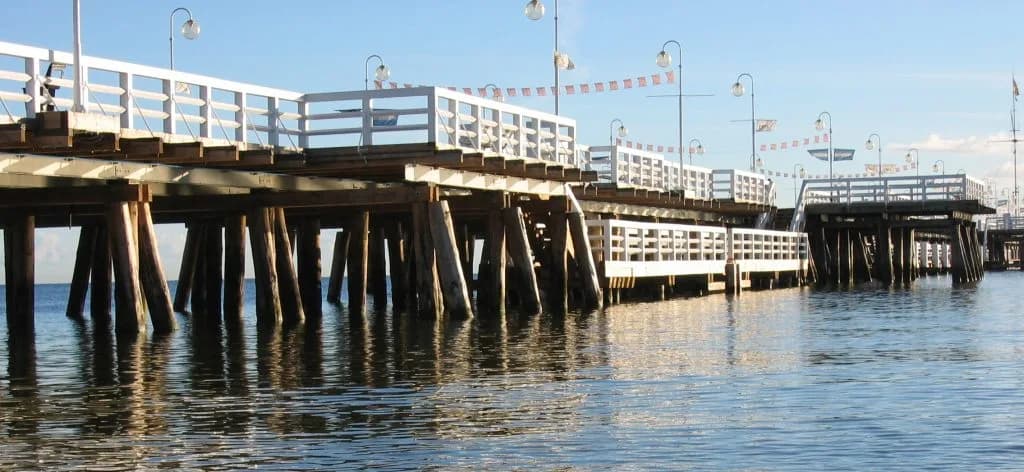
Last updated June 2026 — walk out onto Sopot Pier (Molo w Sopocie) on a blustery April afternoon and the Baltic wind comes in off the water, the wooden planks stretching ahead until the pier's head vanishes in the sea haze. At over 511 metres, it is the longest wooden pier in Europe, and nothing in that statistic quite prepares you for the physical experience of walking it: the creak of the boards underfoot, the smell of salt air and sun-warmed timber, and the city of Sopot shrinking behind you as you stride out above open water. Reach the marina at the far end and turn back to face the spa-resort skyline — the Grand Hotel Sopot tower, the Belle Époque seafront hotels, the forested hills darkening the sky above the beaches — and it is immediately clear why this pier is Sopot's defining symbol and the single most photographed sight on the Polish Baltic coast.
This guide covers everything you need to plan your visit in 2026: the pier's history from its origins in 1827 to its current rebuilt form, how the seasonal ticket system works (free in low season, paid in summer), what you'll find at the pier head, when to time a sunset walk, the marina and lighthouse, seasonal cruises and ferries, and how the pier connects to the rest of central Sopot. For the full picture of what this upscale Tricity resort offers, our guide to things to do in Sopot sets the pier in context alongside the Monte Cassino promenade, the beaches, the Forest Opera, and the Krzywy Domek.
Key Takeaways
- Sopot Pier (Molo w Sopocie) is the longest wooden pier in Europe at approximately 511.5 metres — it has held that record since 1928.
- Entry is seasonal: free in low season (roughly October–April); paid in summer high season (~25 PLN / ≈€6 per adult). Verify current 2026 rates at the gate.
- At the far end you'll find a small marina, a period lighthouse, and panoramic views back to the Sopot seafront — the money shot is the view of the Grand Hotel Sopot and the forested hills from the pier head.
- Sunset walks in June and July are the pier's best-kept secret: crowds thin after dinner and the Baltic light on the water is extraordinary.
- The pier sits at the foot of Bohaterów Monte Cassino ("Monciak"), Sopot's pedestrian promenade, with the Grand Hotel, Plac Zdrojowy park, and the historic pump room all within a five-minute walk.
- In summer, seasonal ferries and sightseeing cruises depart from the pier head to Gdańsk, Gdynia, and the Hel Peninsula.
A Brief History of Sopot Pier
Sopot's pier has a considerably longer history than most visitors realise. The first wooden jetty at this spot dates to 1827, when the Prussian spa resort of Zoppot — as Sopot was then known — began attracting wealthy visitors from Gdańsk and across the region. The original structure was a modest bathing jetty, extending a short distance into the Bay of Gdańsk to give bathers access to deeper, cleaner water. The resort's rapidly growing popularity through the 19th century drove repeated extensions, and the pier evolved from a utilitarian bathing platform into a fashionable promenade destination in its own right.
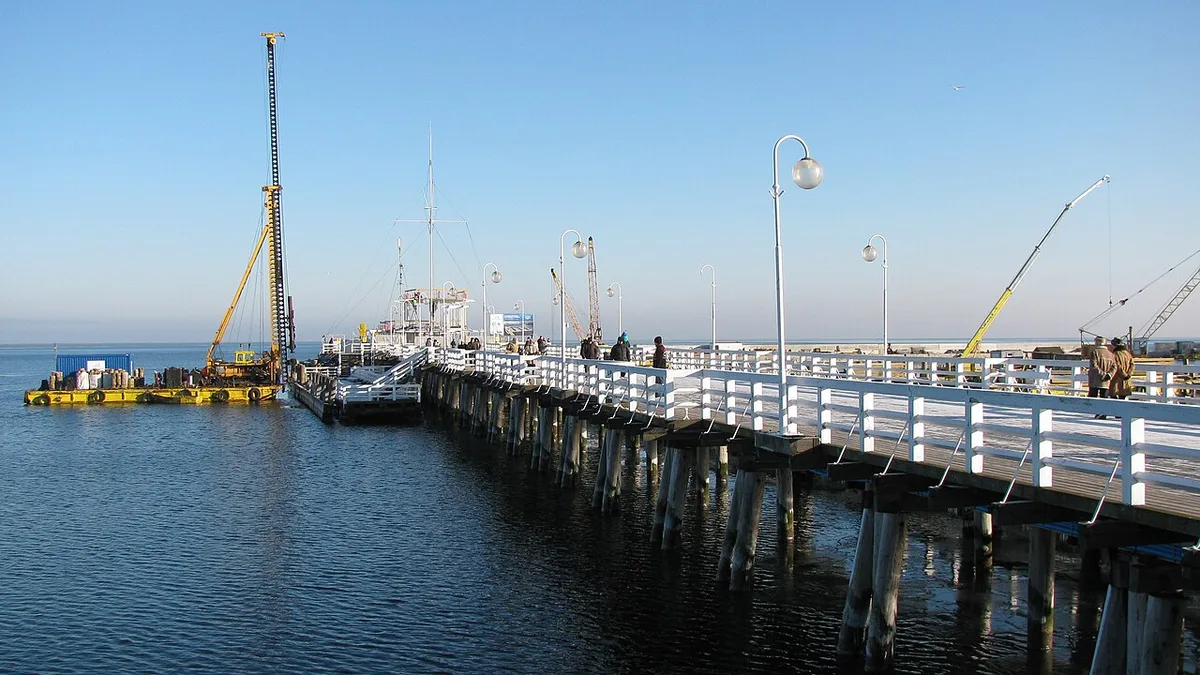
The pier reached its current form after major reconstruction completed in 1928, which extended the structure to approximately 511.5 metres and secured Sopot's claim to the longest wooden pier in Europe — a record it still holds today. The pier was carefully rebuilt after the destruction of World War II and underwent a series of 20th-century reinforcement works. The most comprehensive recent renovation, completed between 2009 and 2012, replaced large sections of deteriorating timber while preserving the structure's heritage character: the green-roofed entrance pavilion, the ornate period lamp-posts, and the broad promenade-width decking that makes the walk feel generously proportioned rather than cramped.
What you walk today is nearly two centuries of resort history compressed into 511 metres of wood and Baltic air — a living monument to the spa-resort culture that made Sopot one of northern Europe's premier leisure destinations before either World War, and which the city has steadily reclaimed in the three decades since 1989.
Walking the Pier: What to Expect
The pier entrance sits at the foot of Bohaterów Monte Cassino, reached through the Plac Zdrojowy garden square — a pleasant pocket of greenery framed by the historic pump room (Pijalnia Wód), the spa promenade railings, and the seafront Grand Hotel Sopot. In summer there is a ticket gate at the entrance; in the low season the barriers are removed and you walk straight onto the promenade without interruption.
The pier itself is wide enough for a comfortable two-lane promenade — this is not a narrow jetty but a proper esplanade, designed from the outset for strolling rather than just transit. Lamp-posts line both sides at regular intervals. Wooden benches face the sea. On the left (northern) side of the pier, small pleasure craft and charter vessels are tied up in the marina bays, rocking gently in the Baltic swell. On the right (southern) side, open water stretches away towards Gdańsk. The sound beneath your feet — the creak and flex of the timber planks — is half the experience.
The walk from shore to pier head takes roughly ten to twelve minutes at a relaxed pace, one way. Most visitors take longer, stopping at the benches, photographing the views, or leaning on the railings to watch the water below. On summer weekends the pier is genuinely busy: families, couples, dog-walkers, and day-trippers from Gdańsk all share the planks. If you prefer a quieter experience, early mornings before 9:00 and weekday evenings are significantly more peaceful.
The pier is fully exposed to the Baltic wind, which can be surprisingly sharp even on a sunny summer afternoon. A light extra layer is worth carrying, and flat-soled trainers grip the wooden planks far better than smooth soles, especially after rain. The main deck is stroller-friendly and manageable for wheelchairs along the open promenade, though the pier head marina area has limited accessible infrastructure.
Tickets, Opening Hours, and Practical Facts
The entry fee system at Sopot Pier is seasonal — a detail worth knowing before you arrive. During the quieter low season (roughly October through April), entry to the pier is free of charge: the barriers at the entrance are removed and you walk straight onto the promenade. During the summer high season (approximately May through September), a paid entry fee applies. As of 2026, this is typically around 25 PLN per adult (approximately €6), with reduced rates for children, students, and seniors. Always verify the current 2026 ticket prices at the entrance gate or via the city's official portal at sopot.pl before visiting — rates are reviewed annually.
Opening hours also follow a seasonal pattern. In summer, the pier is generally accessible from approximately 7:00 or 8:00 until 22:00 or 23:00, covering the full range of morning walks to evening promenades. In the off-season, hours may be shorter, and the pier can occasionally close temporarily for storm-damage repairs or scheduled maintenance works. Check locally before a visit in late autumn or winter if you want to be certain it is open.
| Detail | Information |
|---|---|
| Length | ~511.5 m (longest wooden pier in Europe) |
| First built | 1827 (original bathing jetty); current length achieved 1928 |
| Major renovation | 2009–2012 (timber replacement, heritage preservation) |
| Entry fee — summer (~May–Sep) | ~25 PLN per adult (≈€6); reduced for children, students, seniors — check 2026 rates |
| Entry fee — low season (~Oct–Apr) | Free |
| Opening hours (summer) | Approx. 7:00–22:00/23:00; confirm at the gate |
| Best time to visit | Sunset (Jun–Aug) for golden-hour light; early morning for quiet walks |
| Getting there | 10–12 min walk from SKM Sopot station; follow Monte Cassino to the sea |
Prices and hours are approximate as of June 2026. Always confirm current entry fees and opening times at the pier entrance or the official Sopot tourism website before your visit.
The Marina, Lighthouse, and Views from the Pier Head
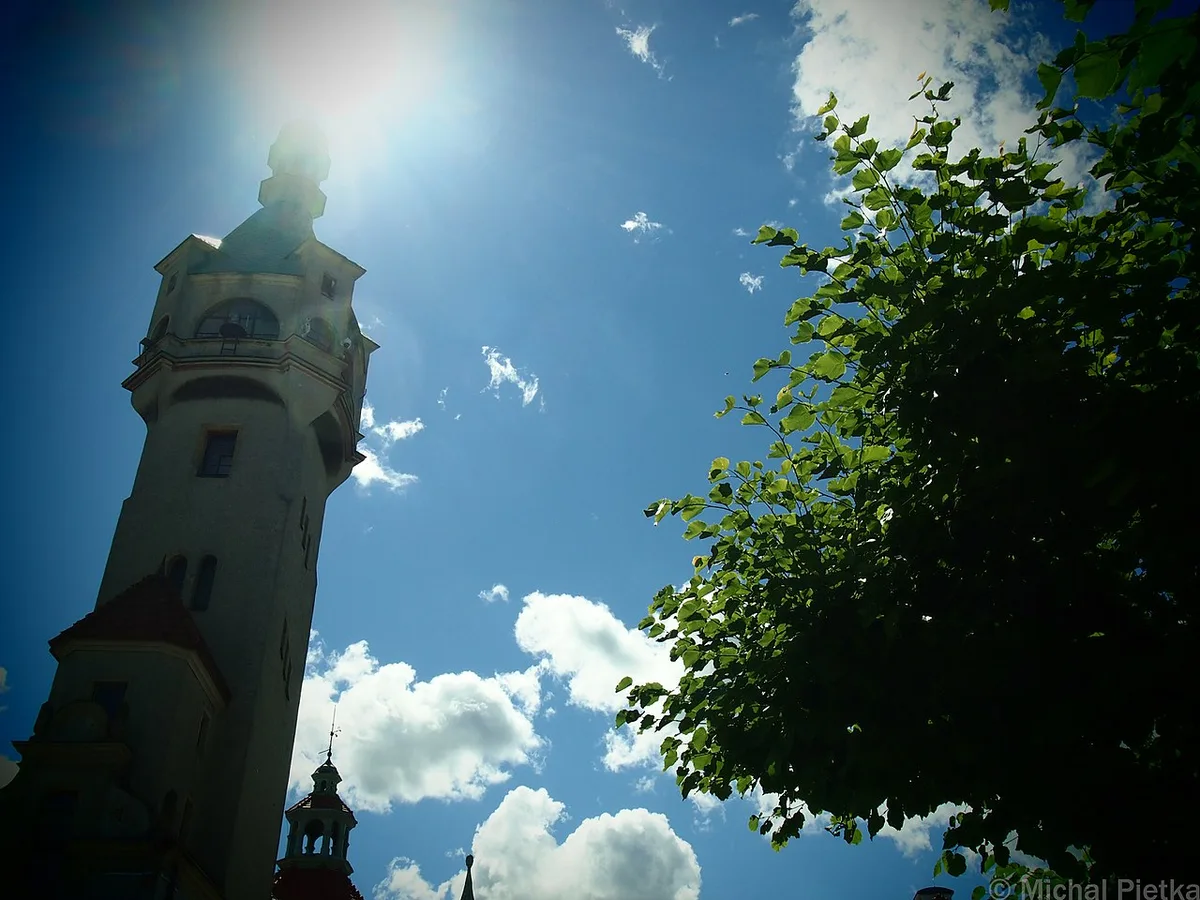
The pier head is its own distinct world, and arriving there after the ten-minute walk from shore has a genuine sense of arrival. A compact marina sheltered by the pier's structure occupies the far end — a dozen or so pleasure craft and sailing boats tied up against low pontoons, rocking in the swell. In summer, the ferry and cruise vessels dock here, making the pier head an active departure point as well as a scenic terminus. The whole structure is anchored by a small lighthouse — a period-style tower that has stood at the pier's end since the early 20th century and has become one of the most photographed structures on the Polish Baltic coast.
The real payoff, though, is turning your back on the lighthouse and looking towards shore. From the pier head you get Sopot's defining panoramic view: the entire length of the pier stretching back to the beach, the wide white-sand strand on either side, and rising behind it the Sopot seafront — the tower of the Grand Hotel Sopot, the green-copper rooftops of the spa-era hotels, the Belle Époque villas stepping up into the forested slopes of the Karlikowo Hills. On a clear day the full sweep of the Bay of Gdańsk curves away to both north and south. The view from this railing rewards every kind of weather — morning mist, rain, sunset, even the flat grey light of a November afternoon — but in June or early July, with a low sun throwing orange light along the full length of the pier and catching the water below, it is among the finest coastal views in Poland.
Sunset Walks and the Best Time to Visit
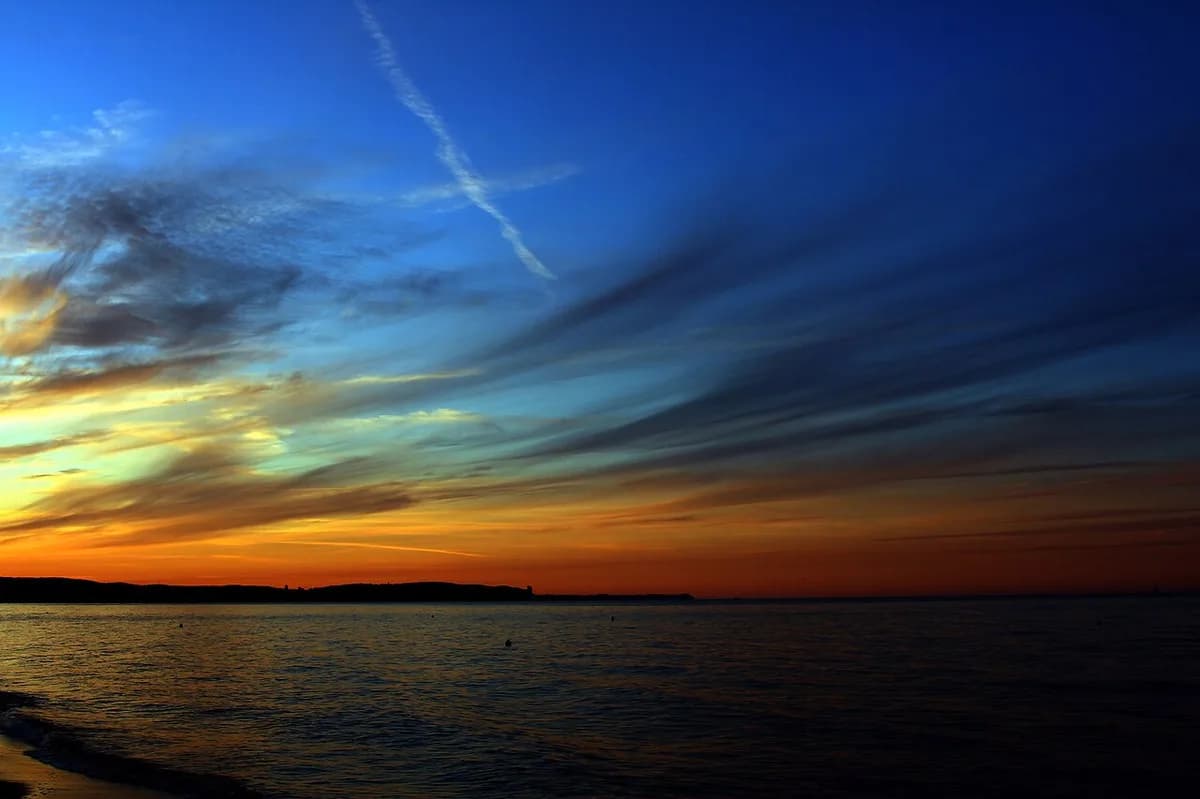
The most genuinely pleasurable time to walk the pier is in the hour before sunset in June or July. At midsummer the Baltic sun sets close to 21:30, which means the day's main crowds have mostly dispersed to the restaurant terraces along Monte Cassino by the time the light turns golden. The pier in that evening window has a quality that no photograph quite captures: low amber light angled across the water, the planks underfoot warm from the day's sun, the day-boats settling against their moorings, and the Sopot seafront silhouetted against a sky that goes through pink, orange, and deep rose before the light finally fails. At 21:00 on a clear late-June evening, long stretches of the pier are often almost entirely empty — a rare experience in peak summer.
For the most animated atmosphere — families, the cruise boats in motion, the full resort energy of Sopot at full activity — aim for mid-morning to early afternoon on a summer weekend. Early morning before 9:00 gives the quietest experience, with the boards largely empty and the bay serene. If you are timing your visit around the Sopot International Song Festival in August, expect the whole seafront, including the pier, to be considerably busier than normal for that week. Our guide to the best time to visit Sopot covers the full seasonal picture in more detail, including beach water temperatures and which months offer the best combination of weather and manageable crowds.
Plac Zdrojowy, the Grand Hotel, and Monte Cassino
The pier cannot be fully understood in isolation — it is the terminus of a pedestrian axis that defines the whole experience of central Sopot. That axis begins at the Grand Hotel Sopot (now operated as a Sofitel), the city's grande-dame spa hotel whose distinctive tower has overlooked the beach since the early 20th century and whose terrace remains one of the best places in the city to have a coffee with a sea view. The hotel faces Plac Zdrojowy, an elegant garden square containing the historic pump room (Pijalnia Wód) with its ornate Belle Époque facade, flower beds, and the covered promenade that links the spa quarter to the beach steps. It is worth pausing at Plac Zdrojowy before walking out onto the pier — the pump room and the Grand Hotel together frame the entrance in a way that rewards the slow approach.
Walk back from the pier entrance roughly 800 metres up Bohaterów Monte Cassino — the pedestrian "Monciak" — and you trace the social spine of Sopot: restaurants spilling onto terraces, bars, boutiques, an outdoor bookstall, and somewhere around the midpoint the impossible gingerbread curves of the Krzywy Domek (Crooked House), opened in 2004 and one of the most photographed buildings in Poland. The promenade is at its most animated in summer evenings, when the terraces fill and the sky above the street glows with the reflected light from the bay. Our guide to the Monte Cassino promenade covers the street's highlights in full — the best tables with sea views, the stretch between Plac Zdrojowy and the park, and the bars worth pausing at after your pier walk.
The beaches on either side of the pier are Sopot's own, and they are excellent: wide, white-sand Baltic strand, well maintained, with a sun-lounger and beach-bar culture that is more sophisticated than you might expect for northern Poland. For visitors exploring the full Tricity coastline, the guide to Gdańsk beaches and Sopot covers how the two cities' beach strips connect, what each section offers, and the fastest way to move between them.
Seasonal Cruises and Ferries from the Pier
One of the pier's practical summer functions is as a ferry and cruise hub, which turns it into something more useful than a scenic promenade. From approximately May through early September, passenger ferries operated by several Tricity carriers depart from the pier head to Gdańsk (roughly 40–50 minutes along the coast by sea), to Gdynia, and seasonally to the Hel Peninsula, the narrow sand-spit curling into the Bay of Gdańsk that is the most popular summer escape from the Tricity. The ferry to Hel takes around 1.5–2 hours and offers a genuinely scenic alternative to the crowded road and rail connection in peak summer — the open-water crossing past the bay's curve is one of the better things you can do from Sopot on a fine afternoon.
Short sightseeing cruises of Gdańsk Bay also depart from the pier in season — typically 30- to 60-minute loops around the bay, with views back to the Sopot seafront that you simply cannot get from shore. These are run by multiple operators with booths at the pier entrance, and tickets are generally available on the day in summer. If you want to see the full sweep of the Sopot coastline from the water, a bay cruise is an excellent use of an afternoon when the beach has become too crowded. Timetables vary by operator and season — check at the pier entrance for current 2026 schedules.
If you are planning a day trip to Gdańsk by ferry, the waterway approach to Gdańsk's canal district is an entirely different entry point to the city compared with arriving by SKM rail — and a worthwhile one. For those choosing Sopot as a base for exploring the wider region, our guide to where to stay in Sopot identifies which hotels and apartments put you within a five-minute walk of the pier entrance and the ferry departure points.
Sopot Pier at a Glance
- Where: Foot of Bohaterów Monte Cassino at Plac Zdrojowy — 10–12 min walk from SKM Sopot station.
- Length: ~511.5 metres — the longest wooden pier in Europe, at this length since 1928.
- Entry fee (summer, ~May–Sep): ~25 PLN per adult (≈€6); reduced for children, students, seniors. Verify 2026 rates at the gate.
- Entry fee (low season, ~Oct–Apr): Free.
- Opening hours (summer): Approx. 7:00–22:00/23:00. Shorter or free in off-season.
- Pier head: Small marina with pleasure craft, period-style lighthouse, panoramic views back to the Grand Hotel Sopot and Karlikowo Hills.
- Summer ferries: To Gdańsk, Gdynia, and Hel Peninsula; bay sightseeing cruises also available — buy at pier entrance on the day.
- Best time: Sunset in June–July for golden-hour light and thinner crowds; early morning before 9:00 for near-solitude.
- Nearby: Grand Hotel Sopot (Sofitel), Plac Zdrojowy pump room, Bohaterów Monte Cassino promenade, Krzywy Domek, white-sand beaches on both sides.
Frequently Asked Questions
Is Sopot Pier free to enter?
It depends on the season. In low season (roughly October through April), entry to Sopot Pier is free — the barriers are removed and you walk directly onto the promenade. In the summer high season (approximately May through September), a paid entry fee applies. As of 2026, this is around 25 PLN per adult (approximately €6), with reduced prices for children, students, and seniors. Always verify the current 2026 rates at the pier entrance or on the official Sopot tourism website before visiting, as seasonal fees can be adjusted year to year.
How long is Sopot Pier, and why is it famous?
Sopot Pier (Molo w Sopocie) stretches approximately 511.5 metres into the Bay of Gdańsk, making it the longest wooden pier in Europe — a record it has held since its reconstruction to its current length in 1928. The original structure dates to 1827, when Sopot was a Prussian spa resort. Its fame comes both from its record length and from its role as the social and symbolic heart of Sopot: the pier is where residents and visitors walk to feel the Baltic wind, watch the sea, and take in the panoramic views back to the city's Belle Époque seafront — views that are widely considered among the finest on the Polish coast.
Can you take a boat trip or ferry from Sopot Pier?
Yes — in summer (approximately May through early September), seasonal passenger ferries operate from the pier head to Gdańsk, Gdynia, and the Hel Peninsula. Short bay sightseeing cruises of Gdańsk Bay also depart from the pier in season and can generally be booked on the day at the pier entrance, where several operators maintain booths. Timetables vary by carrier and season — check locally for current 2026 schedules and departure times before planning a trip around the ferry connection.
What is at the end of Sopot Pier?
At the far end of Sopot Pier you will find a compact marina where pleasure craft, charter boats, and summer ferry vessels are moored, as well as a period-style lighthouse that has stood at the pier's head since the early 20th century. The pier head also offers the most dramatic view in Sopot: looking back to shore, you see the full length of the pier framed against the Sopot seafront — the Grand Hotel Sopot tower, the Belle Époque hotels, the forested Karlikowo Hills, and the wide white-sand beaches on either side of the pier entrance. It is the defining panorama of the city and the most photographed angle on the pier.
When is the best time of day to walk Sopot Pier?
For photography and atmosphere, the hour before sunset on a clear June or July evening is outstanding — the Baltic sun sets close to 21:30 at midsummer, the day's main crowds have largely moved to dinner along Monte Cassino, and the evening light turns the wooden planks amber and the sea copper. Early morning before 9:00 is the quietest option if you prefer the pier nearly to yourself. If you enjoy the full resort energy of Sopot at peak activity — cruise boats departing, families out in force, the whole promenade in motion — mid-morning to early afternoon on a summer weekend gives you the most animated experience.
Final Thoughts
Sopot Pier earns its reputation completely. More than 500 metres of weather-seasoned timber extending into the Baltic, a lighthouse at the end, a marina rocking gently in the swell, and — on the right evening in June or July — a view back to the city that is as good as any coastal panorama in Poland. Whether you walk it in the free quiet of a November morning or pay the summer entry fee and join the weekend crowds on a blazing July afternoon, the experience delivers.
Use it as the anchor of your Sopot day: the walk out and back takes under half an hour, leaving plenty of time for the beach, the Monte Cassino promenade, and a long dinner at one of the terrace restaurants before sunset. If you are still deciding how to structure your time here, our guide to things to do in Sopot lays out why this compact spa city makes an unusually good base for exploring the full Tricity coast — from the pier all the way to Gdańsk's old town and Gdynia's modernist waterfront.
You might also like


Continue reading
More guides you'll find useful