

Is Poland in the EU? Membership, Schengen, and Travel Rules
Last updated July 2026: is Poland in the EU? Yes, Poland has been a full member of the European Union since May 1, 2004, and understanding what that membership actually covers matters for anyone planning a trip. Being an EU member is not the same as being in the Schengen Area or the Eurozone, and that distinction shapes everything from which documents you carry to which currency you pack. This guide walks through Poland's EU status, its Schengen membership, and the practical entry, money, and border details travelers ask about most.
Is Poland in the EU? The Quick Answer
Poland joined the European Union on May 1, 2004, as part of the largest single enlargement in the bloc's history. It operates as a parliamentary republic, with a president serving as head of state and a prime minister leading the government, and the country is divided into 16 administrative provinces known as voivodeships. Poland also holds representation across EU institutions, including 53 members in the European Parliament and seats on advisory bodies like the European Economic and Social Committee. For travelers building out a wider trip, the general Poland travel tips hub covers planning basics beyond this EU-status question.
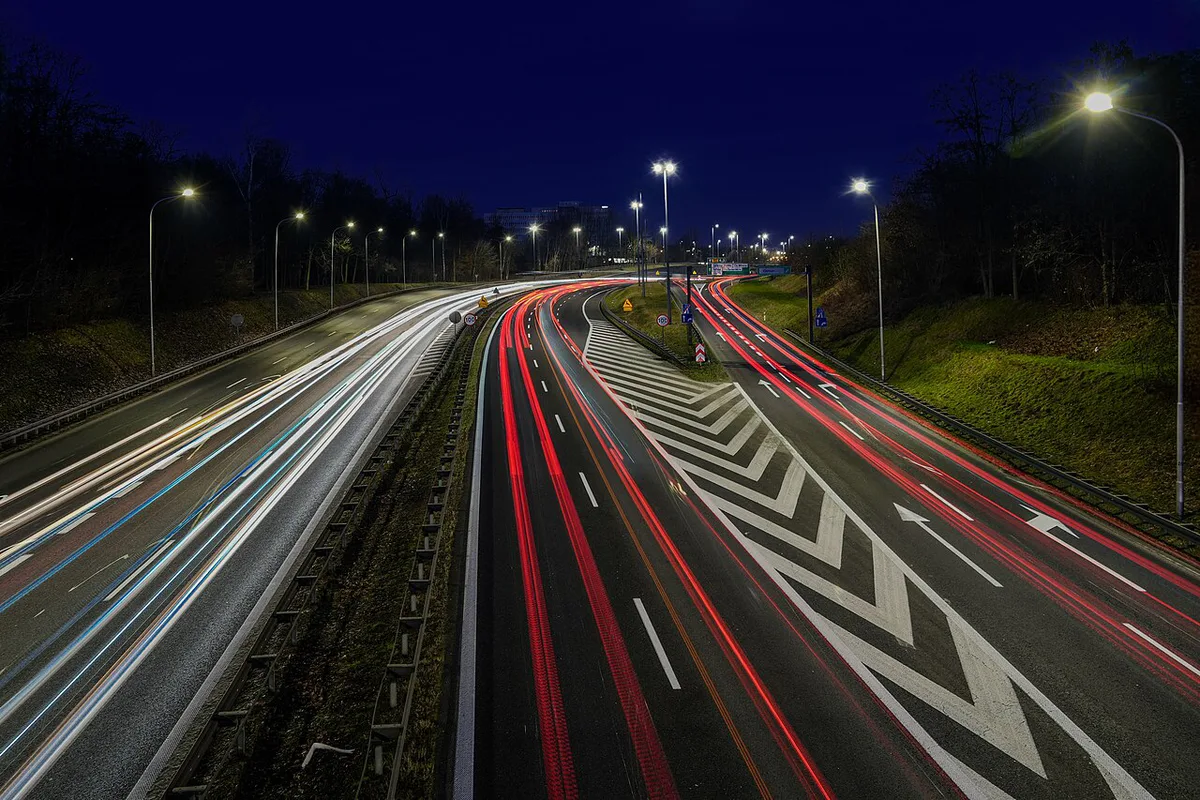
EU vs Schengen vs Eurozone: Understanding the Three Pillars
The single biggest source of traveler confusion is treating EU membership, Schengen membership, and Eurozone membership as the same thing. Poland belongs to two of the three: it is an EU member and a Schengen Area member, but it is not part of the Eurozone. Each pillar controls a different part of a trip, from passport checks to what currency shows up on a receipt.
Failing to distinguish Schengen membership from EU membership creates real travel complications. Poland's Schengen status, not EU status, determines entry rules and the 90/180-day limit. For multi-country Europe trips, this distinction is crucial since the limit spans all Schengen countries, not just Poland.
| Membership | Is Poland a member? | What it controls for travelers |
|---|---|---|
| European Union | Yes, since May 1, 2004 | Trade rules, consumer protections, EU-wide regulations |
| Schengen Area | Yes, since December 21, 2007 | Passport-free travel between member countries |
| Eurozone | No | Currency used day-to-day; Poland still uses the Złoty (PLN) |
Entry Requirements for Travelers: Schengen Rules and the 90/180 Day Limit
Because Poland is inside the Schengen Area, entry rules follow Schengen policy rather than a separate Polish visa regime for most short-stay visitors. Travelers from outside the Schengen Area who don't need a visa for short stays are generally allowed up to 90 days within any 180-day period across the entire zone, not per country, so time already spent in other Schengen countries counts toward that limit before arrival in Poland. Requirements differ for longer stays, work, or study, and for travelers who do need a visa in advance. Before booking, check the specifics on the Poland's visa and entry rules page, since document requirements vary meaningfully by nationality.
Money in Poland: Why Isn't the Euro Used?
Poland's official currency remains the Polish Złoty (PLN). According to the EU's own country profile, Poland is described as currently preparing to adopt the euro, but no fixed adoption date has been set, and day-to-day transactions still run through Złoty rather than euros. Some tourist-heavy businesses in Warsaw or Kraków may display euro prices informally, but that is a courtesy rather than a legal standard, and paying in Złoty typically gets a fairer exchange rate than paying directly in euros at a shop till. For the exchange logistics, ATM habits, and card-acceptance details, see the dedicated guide to exchanging money in Poland.
Poland's Złoty currency delivers an unexpected advantage: as a non-Eurozone EU member, Poland undercuts prices in Eurozone neighbors like Germany and Austria. This cost difference makes Poland stand out in budget travel rankings despite sharing EU infrastructure and consumer protections.
Crossing the Border: What to Expect at Poland's Frontiers
Border experience in Poland depends entirely on which side of the Schengen line a traveler is crossing. Arriving from another Schengen country, such as Germany or Czechia, typically means no routine passport checks at the frontier, since internal Schengen borders are designed for free movement. Arriving from a non-EU, non-Schengen country, such as Ukraine or Belarus, is a different situation: these are external EU borders, and travelers should expect standard passport and customs checks in both directions. The Polish Border Guard (Straż Graniczna) is the official authority overseeing these external crossings and any related entry protocols.
Traveler Benefits of Poland's EU Membership
EU membership brings several practical perks that apply the moment a trip includes Poland. Mobile users from other EU countries benefit from Roam Like at Home rules, meaning calls, texts, and data are typically charged as if still at home rather than incurring separate roaming fees. EU citizens can also use the European Health Insurance Card (EHIC) in Poland to access state-provided healthcare on the same terms as Polish nationals in the event of an unexpected medical need. Consumer protection standards, product safety rules, and cross-border passenger rights that apply across the EU also extend to purchases and travel arrangements made in Poland.
EU Citizen or Not? What Poland's Membership Means for You
How Poland's EU status affects a trip depends heavily on where the traveler is coming from. The table below breaks down the practical differences for EU citizens versus visitors from countries like the US, UK, and Canada.
| Traveler type | Entry basics | What to carry |
|---|---|---|
| EU/EEA citizens | Free movement, no passport stamps required at internal Schengen borders | National ID card or passport |
| US, UK, Canadian citizens (short stay) | Visa-free entry for short tourist stays, subject to the 90/180-day Schengen limit | Valid passport meeting Schengen validity rules |
| Non-visa-exempt nationalities | Advance Schengen visa required before travel | Passport plus approved visa documentation |
EU Membership and Everyday Travel Costs
One underrated side effect of Poland staying outside the Eurozone is cost. Because prices are set in Złoty rather than euros, Poland tends to run noticeably cheaper for everyday travel spending than Eurozone neighbors like Germany or Austria, even though all three share EU membership and, for Germany, Schengen access as well. That price gap is one reason Poland shows up repeatedly in budget travel comparisons. For a fuller breakdown of typical costs, read the analysis on how expensive Poland really is before setting a trip budget.
Common Mistakes to Avoid
Most confusion around Poland's EU status comes down to a handful of repeat mistakes. Avoiding them ahead of time saves both money and hassle at the border.
- Assuming euros are accepted everywhere: Poland's legal currency is the Złoty, and euro acceptance outside tourist zones is inconsistent at best.
- Confusing EU membership with Schengen membership: some EU countries are not in Schengen, and some Schengen countries are not in the EU, so always check both statuses separately for a route.
- Forgetting the 90/180-day rule counts across the whole Schengen Area, not per country, which can catch travelers doing a multi-country Europe trip off guard.
- Expecting passport checks to look the same everywhere: internal Schengen crossings from Germany or Czechia differ from external crossings at the Ukraine or Belarus border.
- Not verifying visa needs early: nationalities not covered by visa-free short-stay rules should confirm requirements well before booking flights.
Future Outlook: Will Poland Join the Eurozone?
Officially, Poland is described by the EU as being in preparation to adopt the euro, but there is no confirmed adoption timeline as of 2026, and the Złoty remains the currency travelers will use for the foreseeable future. Any shift to the euro would be a multi-year process involving meeting EU convergence criteria before a changeover date is even set. Until that happens, budgeting in Złoty, understanding Schengen entry rules, and knowing which EU-wide traveler benefits already apply are the practical takeaways worth carrying into any Poland trip planned around this year's rules.
How EU Membership Shows Up on the Ground in Poland
For visitors, Poland’s EU membership is visible in practical ways beyond passport rules. Many transport, urban renewal, and regional development projects have been supported by EU funding, so you may see blue EU-flag signs marked “Fundusze Europejskie” near stations, roads, museums, waterfronts, and public-space upgrades. This is especially common around major cities such as Warsaw, Kraków, Gdańsk, Wrocław, and Łódź, as well as in smaller regional towns.
The result is a travel experience that often feels more connected than Poland’s non-Eurozone status might suggest. Modernized rail stations, improved airport access routes, upgraded tram networks, and restored historic districts all reflect Poland’s integration with the EU single market and funding system. It does not mean every rural road or local train is fast, but it helps explain why Poland can offer comparatively affordable travel while still having infrastructure that often feels closer to its EU neighbors than to non-EU countries on its eastern border.
Frequently Asked Questions
Does Poland use the Euro?
No. Poland is an EU member but not part of the Eurozone, so its official currency is the Polish Złoty (PLN). The EU notes Poland is currently preparing to adopt the euro, but no adoption date has been confirmed.
Can you travel to Poland with a Schengen visa?
Yes. Poland has been a full member of the Schengen Area since December 21, 2007, so a valid Schengen visa covers entry to Poland the same way it covers other Schengen member countries.
Is Poland part of the EEA?
The European Economic Area extends the EU single market to non-EU states like Iceland, Liechtenstein, and Norway. As a full EU member, Poland already operates inside that same single-market framework, so the EEA question is more relevant to those three non-EU participants than to Poland itself.
Do you need a passport to travel from Germany to Poland?
Since both Germany and Poland are Schengen Area members, routine passport checks are not standard at this internal Schengen border. Carrying a valid passport or national ID is still recommended, since spot checks can occur.
Is Poland in the EU for phone roaming?
Yes. As an EU member, Poland is included in the Roam Like at Home rules, meaning EU mobile customers generally use calls, texts, and data in Poland under the same terms as at home rather than paying separate roaming charges.
When exactly did Poland join the EU and the Schengen Area?
Poland joined the European Union on May 1, 2004, and joined the Schengen Area later, on December 21, 2007. The two dates are separate because Schengen membership required meeting additional border-control criteria after EU accession.
You might also like



Continue reading
More guides you'll find useful