
Westerplatte, Gdańsk: A WWII History and Visitor Guide
Last updated July 2026. This guide to Westerplatte in Gdańsk covers the WWII battle site where the first shots of World War II were fired, on September 1, 1939. You'll find the seven-day siege timeline, a walking route past the surviving ruins, and the transit options that get you there from Gdańsk's Old Town. Expect to spend two to three hours on site once you include the journey out and back.
Westerplatte Gdansk: Why World War II Began Here
On September 1, 1939, at 04:45, the German battleship Schleswig-Holstein opened fire on Westerplatte without warning. The peninsula sat inside the Free City of Danzig at the time, a city-state on the Baltic coast that Nazi Germany pressured throughout the 1930s. Poland held a narrow foothold there: the Polish Military Transit Depot, known by its Polish initials WST (Wojskowa Składnica Tranzytowa). The League of Nations granted Poland this outpost in the 1920s, during the Second Polish Republic era. A garrison of 182 to 240 Polish soldiers held the position for seven days. Henryk Sucharski and Franciszek Dąbrowski commanded them, against roughly 3,400 German troops. German forces brought a battleship, a torpedo boat, a minesweeper, and dive-bombers to the assault. That uneven fight is why Gdańsk marks this forested peninsula as the place World War II began in Europe. The defense became a lasting symbol of Polish resistance, referenced for decades after. The 60-hectare site is now an open-air memorial park, not a single museum building, so plan to walk rather than browse exhibit halls. For the wider 1939 campaign that followed, see this Poland WWII history guide.
The 7-Day Siege: A Timeline of the Battle
The Schleswig-Holstein's opening barrage on September 1 targeted the depot's guardhouses at close range. German infantry and Danzig police followed with a ground assault that same morning. The Poles repelled it, along with two more attacks before nightfall. Fighting stretched across a full week. It included Luftwaffe dive-bomber runs, renewed naval shelling, and an attempt to breach the perimeter with a burning train. By September 7, cut off with no resupply and dwindling ammunition, the garrison could not continue. Major Sucharski surrendered that day, ending a seven-day defense that both sides had originally expected to last only hours.
- Sept 1, 04:45: Schleswig-Holstein opens fire; the first German ground assault is repelled.
- Sept 1-3: German infantry and Danzig police mount repeated attacks; the garrison pushes each one back.
- Sept 4-6: Luftwaffe dive-bombers and renewed naval shelling target the depot's guardhouses.
- Sept 7: Major Sucharski surrenders after seven days, once ammunition and supplies run out.
- Losses: 15 Polish soldiers killed, 40 wounded, and 155-185 taken prisoner. German losses were about 50 killed and roughly 150 wounded.
Key Sites to See on the Peninsula Today
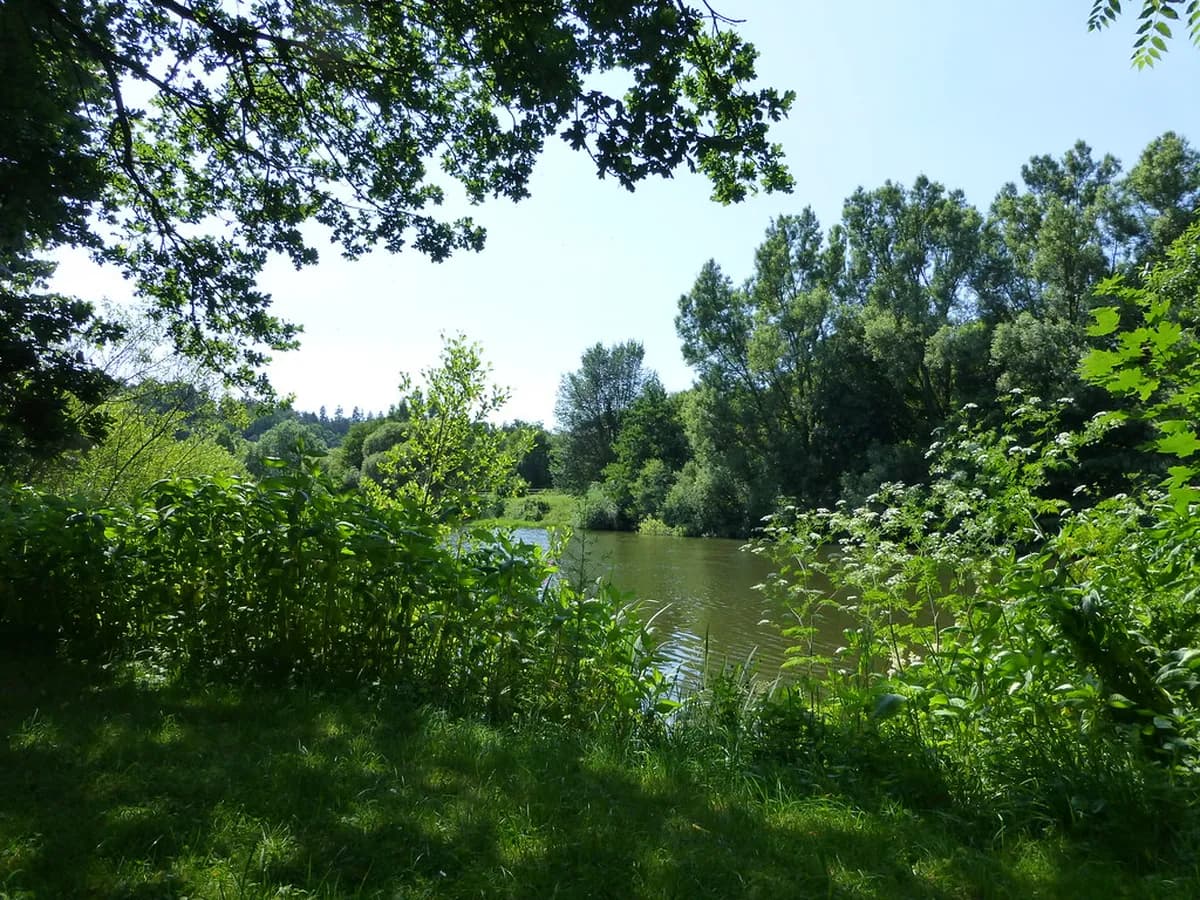
Westerplatte reads like an outdoor museum, not an indoor gallery. A marked path leads from the pier past the ruins toward the Monument of the Coast Defenders. Budget time to walk the full loop through the forest, since the site covers 60 hectares. The trees and quiet paths feel like a park first and a battlefield second, until you reach the ruins and the plaques explain what happened where you're standing. A new dedicated museum on the site is planned to open in 2026, adding indoor exhibits alongside the outdoor memorial.
- Guardhouse No. 1: the original structure converted into a museum you can walk through.
- Monument of the Coast Defenders: a 25-meter monument unveiled in 1966, shaped like a bayonet driven into the ground.
- Ruins of the New Barracks and other guardhouses: preserved as exterior memorial remnants along the path.
- The 'Nigdy więcej wojny' (Never Again War) sign: a marker near the monument summing up the site's message.
- 2009 outdoor exhibition panels: added by the Museum of the Second World War, covering the site's history in photos and documents.
How to Get to Westerplatte from Gdańsk Old Town
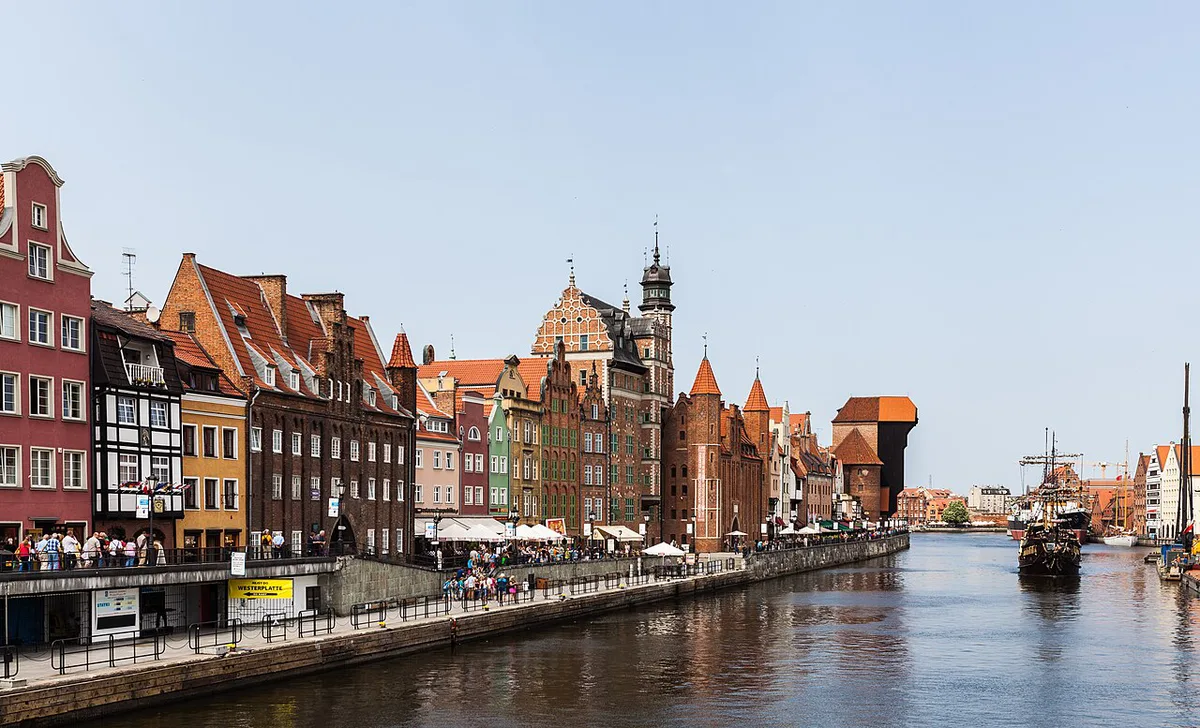
Three options connect Gdańsk's Old Town to the peninsula. Each trades off cost, scenery, and reliability. The water tram is the most scenic choice but only runs seasonally. The bus is the steady year-round option. A taxi or ride-share is fastest if you're pressed for time. Check ZTM Gdańsk for current bus schedules and Żegluga Gdańska for the water tram's seasonal timetable before you go.
The scenic water tram (F5) operates only seasonally; in winter, rely on year-round Bus 106 or 138 instead, and plan for two to three hours total when factoring in journey time and walking the 60-hectare site.
| Option | Operator | Good to know |
|---|---|---|
| Water tram F5 | Żegluga Gdańska | Seasonal river route from the Old Town pier; a scenic harbor-channel crossing straight to the peninsula. |
| Bus 106 or 138 | ZTM Gdańsk | Runs year-round; the most reliable choice when the water tram is off-season. |
| Taxi or ride-share (Bolt/Uber) | Private operators | Fastest door-to-door option if you're short on time. |
Logistics: Tickets, Opening Hours, and Best Time to Visit
The peninsula's grounds cost nothing to enter. You can walk the paths, monument, and ruins at any time during daylight hours. Guardhouse No. 1's museum branch is the exception: it charges admission and keeps seasonal hours set by the Museum of the Second World War. Confirm current 2026 opening times on the museum's official site before you travel, since hours shift by season and can differ from the downtown branch.
- Free: peninsula grounds, monument, ruins, and the 'Nigdy więcej wojny' sign, accessible during daylight hours.
- Paid: Guardhouse No. 1 museum branch, with seasonal hours set by the Museum of the Second World War.
- Best time: late afternoon or sunset, after tour buses depart, for quieter paths and better light on the monument.
- Time needed: two to three hours total, including transit from the Old Town and the walk to the monument.
Westerplatte vs. Museum of the Second World War: Do You Need Both?
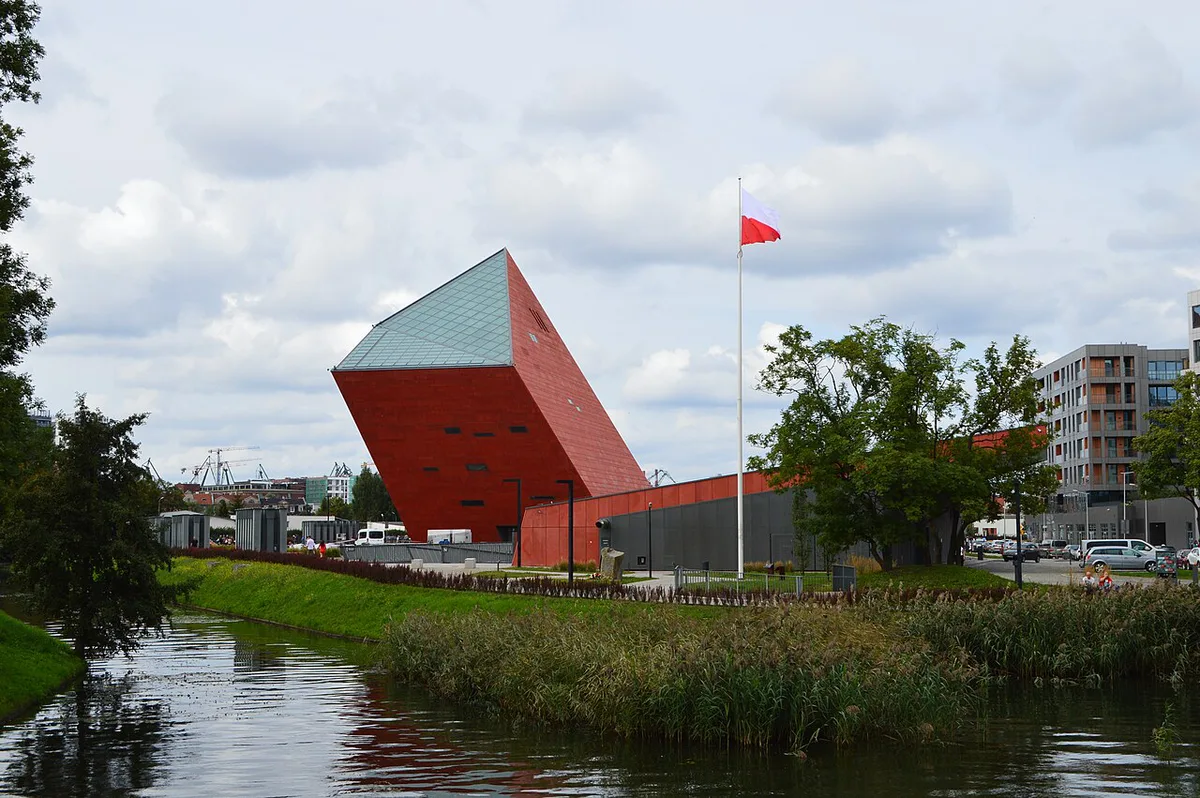
Westerplatte gives you the battle site itself: the ruins, the monument, and the open ground where the fighting happened. The Museum of the Second World War, downtown in Gdańsk, gives you the context. Its exhibits cover the Second Polish Republic, the Free City of Danzig, and the broader Nazi Germany invasion that followed. Neither site replaces the other. The peninsula shows you where history happened; the museum explains why it happened and what came after. If your schedule allows only one stop, the peninsula delivers the more memorable, on-location experience. If you have a full day, pair a morning at the downtown museum with an afternoon or sunset visit to the peninsula for the fuller picture.
The peninsula's ruins mark where combat started on September 1, 1939; the downtown Museum of the Second World War explains the political context—the Free City of Danzig status and Nazi pressure—that triggered the invasion.
Mistakes to Avoid When Planning Your Visit
A few planning slips turn a straightforward visit into a rushed or confusing one.
- Underestimating the walking distance: the peninsula covers 60 hectares of forested paths, not a single building.
- Relying on the water tram in winter: the F5 route is seasonal, while Bus 106 and 138 run year-round.
- Treating it as a five-minute photo stop: budget two to three hours including transit both ways.
- Skipping the Guardhouse No. 1 hours check: the museum branch keeps seasonal hours that change through the year.
- Treating Westerplatte as your only Polish history stop: pair it with the Eagle's Nest Trail castles, Książ Castle, Niedzica Castle on Czorsztyn Lake, or Kórnik Castle near Poznań for more of the country's fortified history.
A Simple Walking Route From the Pier to the Monument
Treat Westerplatte as a linear walk, then return by the same path or make a loose loop through the memorial park. From the ferry pier, follow the signed route toward Guardhouse No. 1 first. It gives the clearest introduction before the larger ruins.
Continue toward the ruins of the New Barracks, where the scale of the Polish Military Transit Depot becomes easier to understand. Stay on marked paths and view the damaged structures from outside, since most are preserved as memorial ruins.
- Start at the waterfront arrival area and walk inland toward Guardhouse No. 1.
- Continue to the New Barracks ruins and outdoor exhibition panels.
- Finish at the Monument of the Coast Defenders and the “Nigdy więcej wojny” sign.
Save the monument for last. Its raised position and open setting make it the natural endpoint, especially in late afternoon light.
Further reading: Poland on Wikivoyage · Poland on Wikipedia
Frequently Asked Questions
Is Westerplatte free to visit?
Yes, the peninsula's grounds, monument, and ruins are free to walk at any time during daylight hours. The only paid part is the Guardhouse No. 1 museum branch, which charges admission and keeps seasonal hours.
How long does the ferry take from Gdańsk to Westerplatte?
Journey times vary by season, so check Żegluga Gdańska's current F5 timetable before you go. Build the crossing into a two to three hour round trip that includes the walk to the monument.
Can you go inside the ruins at Westerplatte?
Most ruins, including the New Barracks, are preserved as exterior memorials you view from the surrounding paths. Guardhouse No. 1 is the exception: it operates as a ticketed museum you can walk through.
Is Westerplatte worth visiting for non-history buffs?
Yes. It's a waterfront park with a 25-meter monument, forested paths, and harbor views, so the walk works even without deep interest in the battle. The seven-day siege story adds context once you're there.
What's the best time of day to visit Westerplatte?
Late afternoon or sunset works best. Tour buses tend to leave by then, so the paths and monument are quieter, with better light for photos.
Do you need a guide to visit Westerplatte?
No guide is required. Paths and on-site plaques explain the ruins and the timeline. Joining a downtown tour that includes Westerplatte can add narrative depth if you prefer a guided visit.
You might also like



Continue reading
More guides you'll find useful