

Mill Island (Wyspa Młyńska): A Complete Guide to Bydgoszcz's River-Centre Retreat
Last updated July 2026 — a name that just translates to "Mill Island" doesn't promise much, which is exactly why Wyspa Młyńska catches so many visitors off guard: a genuinely green, quiet world in the middle of the Brda, a five-minute walk from the market square, with red-brick granaries reflected in the water, a working weir, kids paddling at a tiny urban beach, and a marina full of small boats. It's one of the things that makes Bydgoszcz feel different from most Polish city centres — a river island you can actually walk across, not just look at.
If you're working through a wider list of things to do in Bydgoszcz, Mill Island deserves its own slot rather than a rushed ten-minute detour. This guide covers what's on the island — the historic mills and granaries, the district museum branches, the weir and marina, the beach, and the footbridges linking it to the Old Town and the "Bydgoszcz Venice" tenements — plus how long to budget and what's free versus ticketed. Pair it with a stroll through the nearby Bydgoszcz Old Town and, when you're hungry, a look at where locals actually eat.
Key Takeaways
- Mill Island (Wyspa Młyńska) sits in the Brda, a short walk from the Old Market Square.
- Main historic buildings: Rother's Mills (Młyny Rothera) and the White Granary (Biały Spichlerz), both restored former mill/storage buildings.
- Branches of the Leon Wyczółkowski District Museum occupy buildings on the island, including space inside the granaries.
- A working weir, a small marina, and a modest urban beach make it a heritage-and-recreation stop, not just a museum visit.
- Footbridges connect the island to the Old Town on one side and toward the "Bydgoszcz Venice" (Wenecja Bydgoska) tenements on the other.
- Budget 45–90 minutes; the island itself is free to walk, with tickets only for museum interiors.
Getting Onto the Island: Footbridges and Orientation
Mill Island is tiny — you can walk end to end in under ten minutes — which makes it easy to fit into any Bydgoszcz itinerary. It sits in a side channel of the Brda, cut off from the mainland by narrow branches of the river, so the only way across is on foot or by bike over pedestrian footbridges. The main approach is from the Old Market Square: walk down toward the river and the granaries and island appear almost immediately, connected by a short bridge that puts you across within a couple of minutes of leaving the square.
On the opposite side, a second footbridge leads toward "Bydgoszcz Venice" (Wenecja Bydgoska), where old tenement buildings rise directly out of the Brda's old mill race. It's worth crossing that way at least once — the view back toward the granaries from that bridge, water running underneath, is one of the better photo spots in the city and rarely crowded. There's no single entrance or gate — the island is an open riverside park that happens to hold a cluster of historic buildings and a museum, so you wander in and out as you like.
Rother's Mills and the White Granary
The buildings that give the island its name are old grain mills and granaries built over the 19th and early 20th centuries, taking advantage of the Brda's current to power milling machinery. The best-known complex is Rother's Mills (Młyny Rothera), a red-brick industrial mill building that has been restored and now houses cultural and exhibition space rather than sitting empty — the fate of many similar riverside industrial buildings elsewhere in Poland.
Close by stands the White Granary (Biały Spichlerz), a lighter-coloured building originally used for grain storage. Today it's another piece of the island's adaptive-reuse story — restored rather than demolished, and put to use as gallery and museum space. Walking between the two, it's striking how much industrial character survived the renovation: exposed brick, visible structural timber, and window proportions that clearly belong to a working mill rather than a purpose-built museum. Even a quick pass seeing these buildings from the outside gives you the clearest sense of what Mill Island actually was before it became a park.
Leon Wyczółkowski District Museum Branches
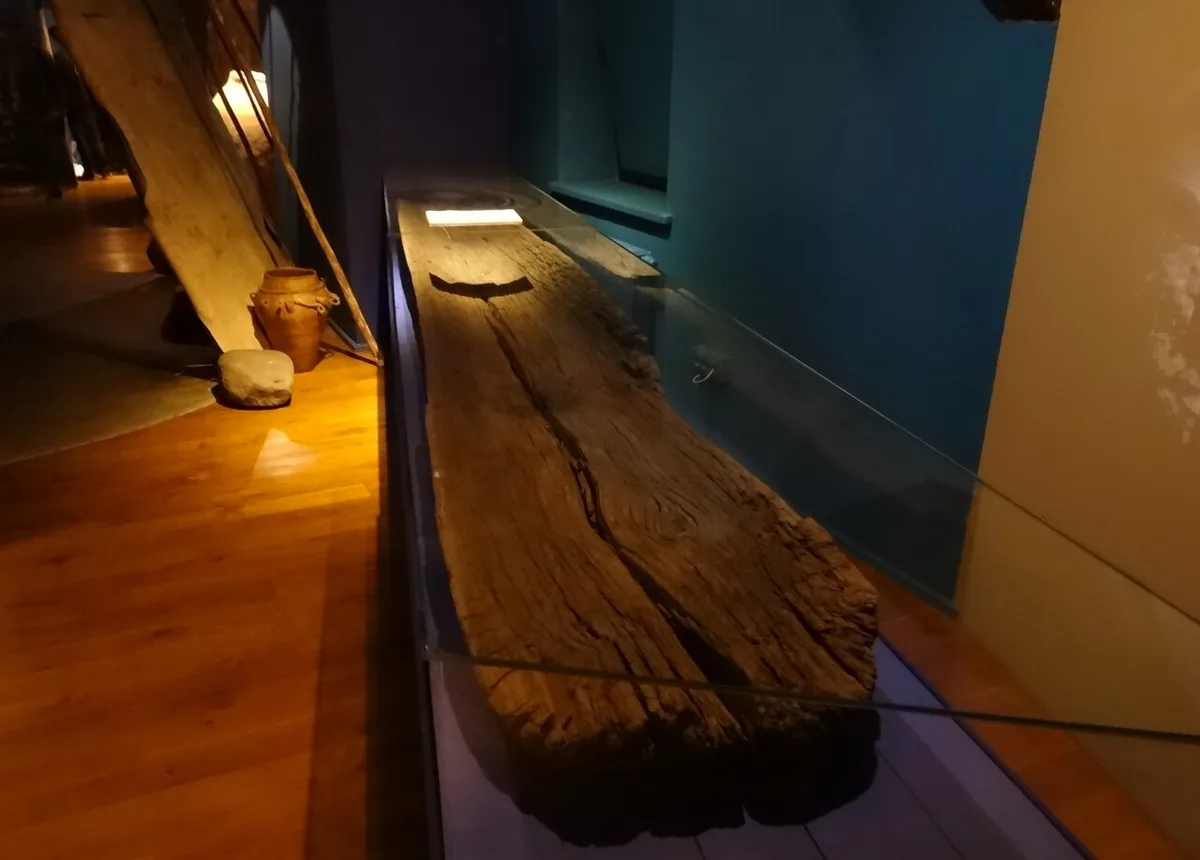
Several branches of the Leon Wyczółkowski District Museum (Muzeum Okręgowe im. Leona Wyczółkowskiego) are located directly on Mill Island, using the historic granary and mill buildings rather than a single purpose-built museum block. Exhibitions here have covered local archaeology, the island's own industrial and milling history, and rotating art shows, so what's on display can vary — check current opening times before you go, since branch museums sometimes keep shorter hours than the main museum near the Old Market Square.
As of 2026, expect a modest ticket price for entry into any individual branch — roughly 10–20 PLN (around €2–4) per person, though this should be confirmed before visiting since pricing and combined-ticket options change. Walking the island and viewing the buildings from outside costs nothing, so a tight schedule or budget doesn't have to skip Mill Island entirely.
Most of what makes Mill Island worth visiting — the buildings, the weir, the marina, and the urban beach — costs nothing to see from outside. Only museum branch interiors are ticketed at roughly 10–20 PLN (€2–4).
The Weir, the Marina, and the Urban Beach
Mill Island isn't purely a heritage stop — it's also where Bydgoszcz manages part of the Brda's flow and where locals go to be on or near the water. A weir sits at one end, regulating the river's level and creating a stretch of moving water that's pleasant to watch, especially with the old granaries as a backdrop. Just past it, a small marina holds a mix of leisure boats and the launch point for short river excursions in warmer months — if a Bydgoszcz Water Tram (Bydgoski Tramwaj Wodny) route is running when you visit, this is a natural place to catch one.
On the island's southern edge, a modest urban beach gives Bydgoszcz something few Polish city centres have: a genuine sandy strip on the river, with loungers and open grass in summer. It's not a destination beach — don't expect Baltic-coast conditions — but on a warm afternoon it's full of locals rather than tourists, a nice contrast to the more photographed corners of the Old Town. It's a good spot to sit for twenty minutes with a coffee or ice cream and watch the river traffic go by.
What to See and How Long to Budget
Mill Island rewards an unhurried pass, but if you're planning your day it helps to know roughly how much time each part deserves. Here's how I'd allocate a visit with an hour or two to spare.
| What to See | Time to Budget | Notes |
|---|---|---|
| Rother's Mills exterior + riverside walk | 10–15 min | Free; best photo angle is from the Wenecja Bydgoska footbridge |
| White Granary exterior | 5–10 min | Free; often paired with a look inside if a current exhibition interests you |
| District Museum branch (interior) | 30–45 min | Ticketed, roughly 10–20 PLN (≈€2–4) as of 2026 — confirm current hours and price before visiting |
| Weir and marina | 10–15 min | Free; look for boats leaving on short river trips in summer |
| Urban beach | 15–30 min | Free; best on a warm afternoon, quieter than the market square |
| Full loop (no museum interior) | 45–60 min | Covers both bridges and every landmark from the outside |
| Full visit with one museum branch | 75–100 min | Realistic total if you want the full picture, not just a walk-through |
Practical Tips for Visiting
Mill Island works well at almost any point in the day, but avoid the middle of a hot summer afternoon if you want the beach to yourself — locals tend to arrive after work, from around 5pm in warm weather. Mornings are quietest for photography, with soft light on the granaries and few other visitors on the footbridges.
Visit in the morning for the best photography light on the granaries and fewest other visitors on the footbridges. If you prefer the beach, locals arrive after 5pm in warm weather and leave the daytime hours quieter.
There's no admission fee to enter the island, and most of what makes it worth visiting — the buildings, the weir, the marina, the beach — costs nothing to see from outside. Only the museum branch interiors are ticketed, at modest prices; treat any figure as approximate and check current hours on the official Visit Bydgoszcz portal before visiting, since branch museums can close for maintenance between seasons. It sits naturally between the Old Market Square and the riverside granaries you'll already be walking past, so just build in an extra 45 minutes to an hour on your route.
Frequently Asked Questions
What is Mill Island (Wyspa Młyńska) in Bydgoszcz?
A small island in the Brda right in the centre of Bydgoszcz, home to restored 19th- and early-20th-century grain mills and granaries, including Rother's Mills and the White Granary. It also holds branches of the Leon Wyczółkowski District Museum, a weir, a marina, and a small urban beach, connected to the city by pedestrian footbridges.
Is Mill Island free to visit?
Walking across the island and viewing the granaries, weir, marina, and beach from outside is free. Only the District Museum branch interiors require a ticket, roughly 10–20 PLN (around €2–4) as of 2026 — check current pricing before visiting.
How long should I spend on Mill Island?
A full loop of the exterior takes about 45–60 minutes. Add a District Museum branch and budget closer to 75–100 minutes total.
How do you get to Mill Island from the Old Market Square?
It's a short walk down to the river, then a footbridge onto the island. A second footbridge on the far side connects it toward the "Bydgoszcz Venice" (Wenecja Bydgoska) tenement district.
What else is nearby if I want to make a full day of it?
Mill Island sits close to the rest of the historic centre, so it pairs naturally with a walk through the Old Town and a stop for a meal — see our guide to where to eat in Bydgoszcz.
Final Thoughts
Mill Island is easy to underestimate from a map and hard to skip once you've actually walked it. The mix of restored industrial architecture, a working weir, a genuine sandy stretch of riverbank, and museum space inside the old granaries gives it more range than its small footprint suggests — and because most of it is free, there's no reason to leave it off your route. If you're mapping out a broader visit, start from our guide to things to do in Bydgoszcz and slot in an hour on the island between the Old Town and your next stop.
You might also like



Continue reading
More guides you'll find useful


