

Best Day Trips from Gdynia
Last updated June 2026. Most visitors arrive in the Tricity expecting to base themselves in Gdańsk — and Gdańsk is excellent. But Gdynia, sitting at the northern end of the SKM line with summer ferries departing from the Southern Pier, quietly holds the better position for a very specific kind of day trip: sea-focused, coast-leaning, and built around the Bay of Gdańsk. Step off the Southern Pier onto a summer ferry and the Hel Peninsula is before you. Hop the SKM one stop and you're in Sopot. Ride it to the other end and you've got a half-day in medieval Gdańsk. Head inland and you're in the lake country of Kashubia. That's four completely different kinds of day out from one breezy Baltic city — and none of them require a car.
For everything you can do in Gdynia itself, our complete guide to things to do in Gdynia has the full rundown. If you're still figuring out how many nights to allow, the how many days in Gdynia guide breaks down what each duration covers and whether adding a Hel day trip changes the calculation.
Why Gdynia Is the Right Base for These Trips
The day trips you do from Gdynia are not the same trips you'd do from Gdańsk — and that's by design. Day trips from Gdańsk naturally reach toward Malbork Castle, Westerplatte, and the wider Pomeranian hinterland. Gdynia's catchment runs north and west along the coast: the Hel Peninsula curves out from almost directly above the city, Sopot is a single commuter-rail stop to the south, and Kashubia's lakes and forests begin as soon as you clear the urban edge. The two cities share the SKM line and half the same day-trip territory, but their natural emphases are different.
The practical backbone of all of this is the SKM (Szybka Kolej Miejska) — the Tricity's fast commuter rail, running frequent services along the spine of the whole agglomeration from early morning to late evening. For ferry departure times, SKM ticket tips, and how to reach the Southern Pier, our getting around Gdynia guide covers the full transport picture.
Hel Peninsula — The Big Coastal Adventure
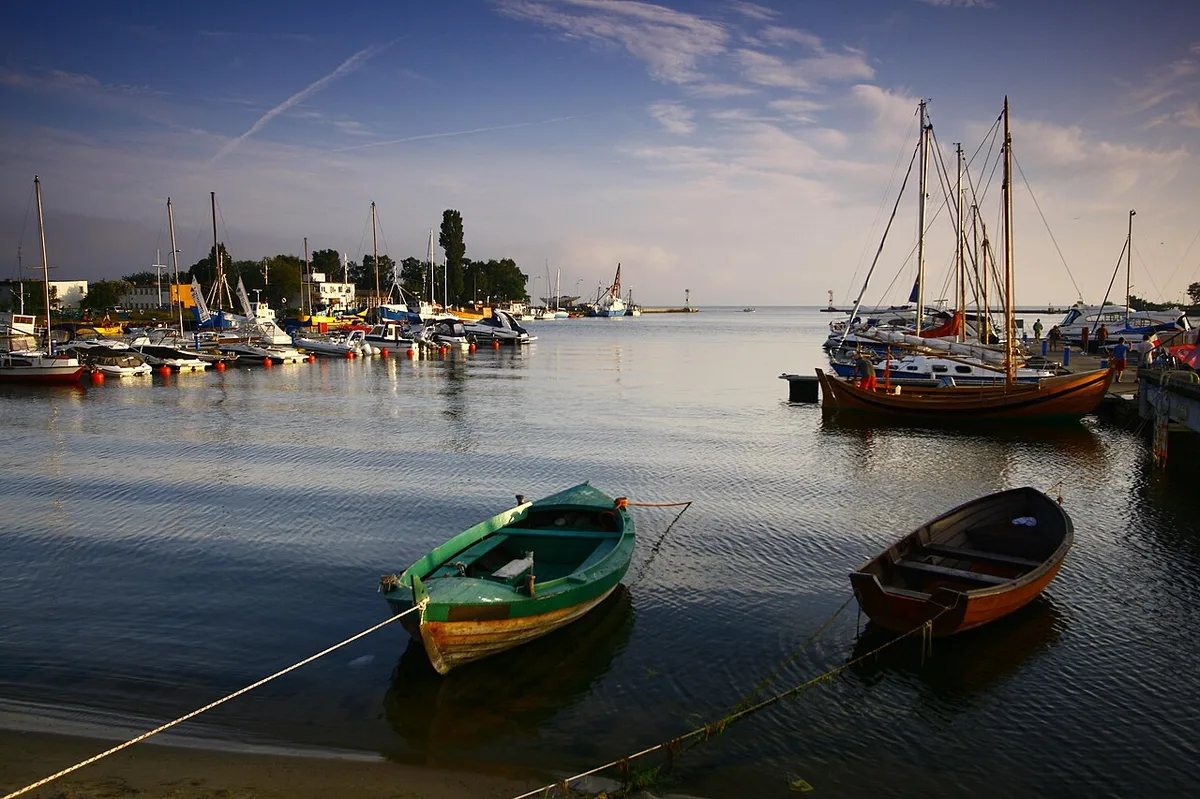
The Hel Peninsula is Gdynia's signature day trip and one of the most singular landscapes in Poland: a narrow sandspit barely a few hundred metres wide in places, curving out into the Bay of Gdańsk for roughly 35 kilometres with the open Baltic on one side and the calm Puck Bay on the other. In summer, when the ferries are running, this is the trip I'd push to the top of any Gdynia itinerary — the ferry ride from the Southern Pier across the bay alone is worth the fare.
Getting there: From roughly late May to September, passenger ferries depart from Gdynia's Southern Pier (Molo Południowe) and travel to Hel town at the tip of the peninsula. The crossing takes around 1.5 to 2 hours each way — long enough to feel like a proper sea journey, short enough to leave a full day on the other end. Outside ferry season, or if you want more flexibility at stops along the way, the SKM and PKM rail network connects Gdynia Główna to Władysławowo at the peninsula's base, with onward connections toward Hel; this option runs year-round.
What to do at Hel town: The tip of the peninsula has wide, clean beaches on both sides — open-Baltic waves on the north side, calmer bay swimming on the south. The main draw beyond the beach is the Fokarium, a grey-seal research and rehabilitation station run by the Sea Fisheries Institute, where you can watch harbour seals at close range; it's genuinely one of the best wildlife attractions on the Polish coast. The area also holds WWII coastal-defence fortifications — the Hel garrison famously held out until the last days of the September 1939 campaign, and the Hel Museum covers that resistance in detail.
The other peninsula settlements each reward a stop. Jastarnia and Jurata are quiet resort villages with beaches on both sides of the spit, a leisurely pace, and a slightly retro Polish summer-holiday atmosphere. Władysławowo at the base is a working fishing port. Chałupy and Kuźnica are famous in Polish summer culture for windsurfing and kitesurfing — the calm Puck Bay side creates ideal flat-water conditions, and the beaches here fill with colourful sails from June through August.
Time needed: A full day — allow time for the ferry each way. Why go: There is nowhere quite like the Hel Peninsula in Poland. The geography is singular, the beaches are among the best on the coast, and the combination of seal sanctuary, WWII history, and pure Baltic air makes it a genuinely complete day out.
The summer ferry from the Southern Pier is seasonal — in 2026, check exact departure dates, times, and prices on the Żegluga Gdańska website before you travel. Services can be weather-dependent and book up on sunny weekends in July and August. Arriving at the pier 20–30 minutes before departure is wise. If the ferry is full or out of season, the PKM rail line from Gdynia is the reliable fallback.
Sopot — Europe's Longest Wooden Pier in One SKM Stop
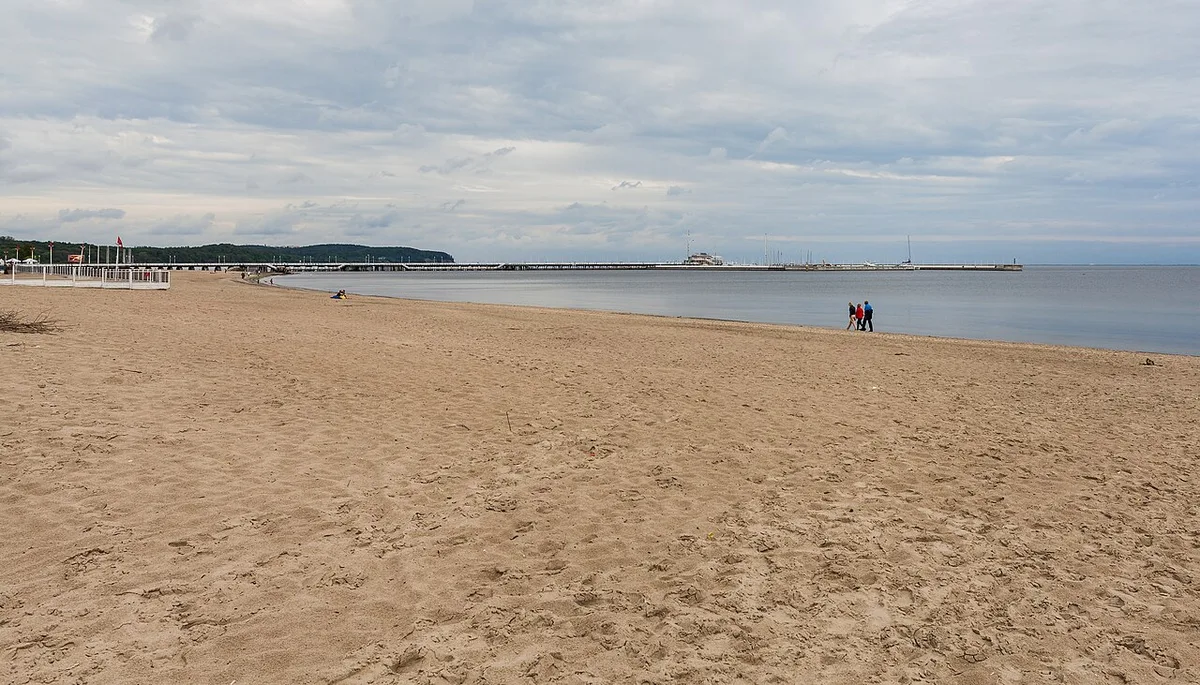
Sopot is so close that "day trip" barely fits — the SKM run from Gdynia Główna takes around 10 to 12 minutes and costs a few zloty. But it earns its place on this list because the atmosphere is completely different from Gdynia's maritime confidence. Where Gdynia is purposeful and modern, Sopot is a belle-époque beach resort: spa hotels, leafy promenades, amber boutiques, and the longest wooden pier in Europe stretching five hundred metres into the bay.
The heart of Sopot is Bohaterów Monte Cassino street — universally known as "Monciak" — a pedestrianised strip of cafés, galleries, and the celebrated Crooked House (Krzywy Domek), a building that appears to have melted in the sun and become one of Poland's most photographed pieces of architecture. Follow Monciak down to the Sopot Pier (Molo) and walk the full length: on a clear day you can see Gdynia's port to the north and the Hel Peninsula's sandspit curving away across the bay. In summer, the beach on either side of the pier is one of the busiest and most enjoyable on the Polish coast. For the full summer beach and Sopot picture, our cross-cluster Gdańsk beaches and Sopot guide goes into detail on what the resort offers across the season.
How to get there: SKM from Gdynia Główna — frequent services throughout the day, roughly 10–12 minutes. Time needed: Two to three hours for the pier and Monciak, or a full afternoon if you add beach time. Why go: The pier, the beach, and the resort atmosphere contrast perfectly with Gdynia's working-port character, and the SKM makes combining both cities into a single day entirely effortless.
Gdańsk — Half a Day at the Other End of the Line
Gdańsk is 35 minutes down the SKM from Gdynia Główna, which makes it an easy afternoon run — though in reality, Gdańsk is a city that deserves a full day or more of its own. The medieval Long Market (Długi Targ), the Crane (Żuraw) on the Motława riverbank, and the rebuilt Gothic quarter of the old town are spectacular, and they are completely unlike anything in modernist Gdynia. Think of a Gdańsk visit less as a "day trip" and more as a Tricity double-header: museum ships and the Southern Pier in the morning, then the SKM south for Gdańsk's amber-and-brick Gothic quarter in the afternoon.
Gdynia and Gdańsk are natural complements on the same Tricity axis — their characters are almost deliberately opposite. Gdynia was built in a decade as a statement of modern Poland; Gdańsk carries eight centuries of Hanseatic, royal, and industrial history in its brickwork. Spending time in both on the same trip gives you the full spectrum of what this corner of the Baltic coast is about.
How to get there: SKM from Gdynia Główna to Gdańsk Główny — roughly 35 minutes, frequent services throughout the day. Time needed: Half a day minimum for the old town; a full day if you want to add the European Solidarity Centre or the Gdańsk Shipyard. Why go: The medieval old town is everything Gdynia deliberately isn't — a magnificent Gothic city with one of the finest market squares in Poland.
Kashubia — Lakes, Forests, and a Living Culture
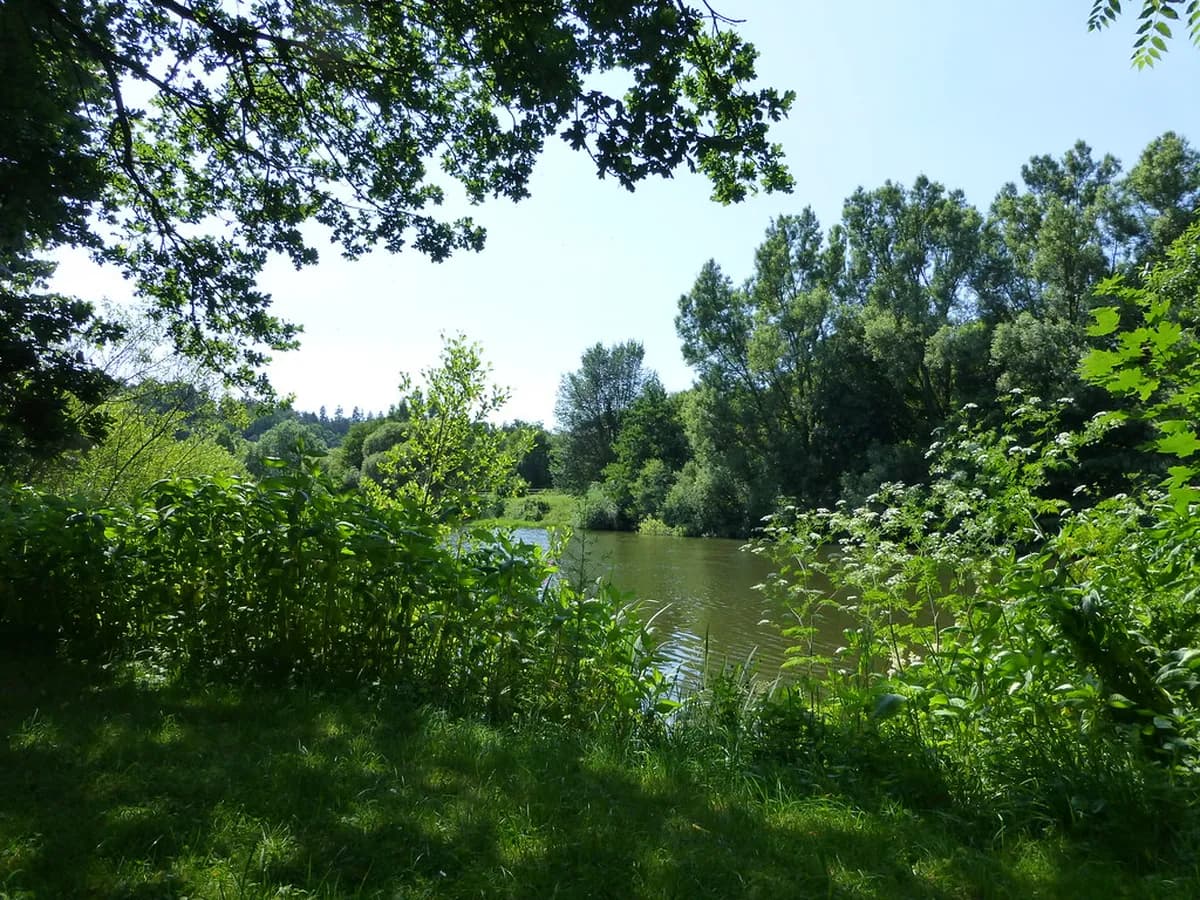
Head inland from Gdynia — west and south — and the landscape changes quickly. Kashubia (Kaszuby) is one of Poland's most distinctive regions: a glacial lake district with forested hills, scattered villages, and a community that has maintained its own Kashubian language (recognised under Polish law as a regional language distinct from Polish) and a living folk culture visible in embroidery, pottery, cuisine, and song.
The highlight for most visitors is the Kashubian Ethnographic Park in Wdzydze Kiszewskie — one of Poland's best open-air museums (skansens), with original wooden buildings relocated from across the region and strong interpretive displays on Kashubian rural life. The surrounding Kashubian Lake District (Pojezierze Kaszubskie) is excellent walking and cycling country, with clear lakes dotted through the forest. Kartuzy, the region's main town, has a well-preserved 14th-century Carthusian monastery and makes a useful transit hub for onward connections deeper into the lake district.
As of 2026, the Wdzydze skansen is in excellent condition and the surrounding lake trails are well signed. It's a genuinely peaceful half-day escape from the urban Tricity, and the cultural difference feels substantial for a place only 40–60 km from Gdynia's city centre.
How to get there: Kashubia is easiest by car (30–60 minutes from central Gdynia depending on your destination). Buses from Gdynia's PKS terminal run to Kartuzy, with onward local connections; allow extra travel time by bus. Time needed: A full day for the skansen and some lake time. Why go: A complete change from the coastal experience — quiet, green, and culturally distinct from the Tricity's urban core.
Kashubian is a living language, not a historical relic. As of 2026, road signs throughout the region are bilingual (Polish and Kashubian), and many locals are proud speakers. If you stop for lunch in the area, look for Kashubian dishes on the menu — the regional cuisine leans toward freshwater fish, forest mushrooms, and hearty potato-based dishes that are quite different from the Baltic seafood you'll eat in Gdynia.
Malbork Castle and Stutthof — The Longer History Excursions
Two of the most visited day-trip destinations in the wider Pomerania region sit outside Gdynia's natural coastal orbit — and both are worth knowing about, even if they fit more naturally into a day-trips-from-Gdańsk itinerary. Both route through Gdańsk and involve noticeably more travel time than the trips above, so factor that into your day. From Gdynia you're effectively doing a Gdańsk-based excursion that starts and ends on the SKM.
Malbork Castle
Malbork Castle (Zamek w Malborku) is the largest castle in the world by surface area — a UNESCO World Heritage Site and the former seat of the Teutonic Knights, whose red-brick Gothic architecture rises from a bend in the Nogat River about 60 km southeast of Gdańsk. From Gdynia the practical route is SKM or intercity train to Gdańsk Główny first, then a direct PKP regional or intercity service from Gdańsk to Malbork — typically around 30–40 minutes from Gdańsk, making the total journey roughly 1.5 hours each way. In 2026, check PKP Intercity or the Koleo app for current timetables and prices before you set out.
The castle itself takes a good three to four hours to explore — the Upper Castle, Middle Castle, and Palace of the Grand Masters are each vast in scale, and the on-site museum holds a remarkable collection of amber, armour, and Teutonic-era artefacts. Allow a full day from Gdynia to give yourself enough time at the castle without rushing the return.
Malbork is among the most visited heritage sites in northern Poland and timed entry tickets can sell out in peak summer (July–August). In 2026, booking online in advance through the official Malbork Castle Museum website is recommended. The castle is roughly a 15-minute walk from Malbork train station, or a short taxi ride.
Stutthof Memorial (Sztutowo)
The Stutthof concentration camp, established by the Nazis in 1939 near the village of Sztutowo about 36 km east of Gdańsk, was the first camp built on Polish territory and operated until liberation in 1945. The memorial and museum on the site is a sobering and important visit — the preserved buildings, gas chamber, and extensive documentation make it one of the most significant Holocaust memorials in Poland. From Gdynia the route again runs via Gdańsk: SKM to Gdańsk Główny, then a PKS bus toward Sztutowo (departing from near Gdańsk's main bus terminal; allow around 1.5–2 hours on the bus). Budget a full day from Gdynia. Entry to the Stutthof Memorial is free.
Both Malbork and Stutthof feature heavily in Gdynia port shore-excursion packages — many cruise-passenger itineraries pair exactly these two. They are covered in more depth in our day trips from Gdańsk guide, where they sit more naturally as Gdańsk-routed excursions. From Gdynia they are fully doable, but the through-Gdańsk routing means most of the logistics are Gdańsk logistics regardless of where you slept.
How to Plan Your Day Trips from Gdynia
The cleanest single-day pairing in good weather is a morning Hel ferry: depart the Southern Pier early, arrive Hel mid-morning, beach and Fokarium through the middle of the day, return ferry in the afternoon. On a day without ferry service — or if the July crowds put you off — the Sopot and Gdańsk combination works well on the SKM: Sopot's pier in the morning, Gdańsk old town in the afternoon, back in Gdynia for a fish dinner on Świętojańska by evening. Kashubia stands alone: it needs a car and a full day, and it's best saved for a day when the coast feels overly busy.
All SKM journeys use the same ticketing system — buy at machines at Gdynia Główna, validate before boarding, and keep your ticket through to your destination. The Hel ferry is a separate booking and payment.
| Destination | Distance / Travel Time | How to Get There | Time Needed | Why Go |
|---|---|---|---|---|
| Hel town (Hel Peninsula) | ~35 km / ~1.5–2 hr (ferry) or ~1–1.5 hr (rail) | Summer ferry from Southern Pier; SKM/PKM rail year-round | Full day | Beaches both sides of the sandspit, Fokarium seal sanctuary, WWII coastal forts |
| Sopot | ~12 km / ~10–12 min | SKM from Gdynia Główna | 2–4 hours | Europe's longest wooden pier, Monciak strip, belle-époque resort atmosphere |
| Gdańsk old town | ~25 km / ~35 min | SKM from Gdynia Główna | Half day – full day | Medieval Long Market, the Crane, Gothic St Mary's Church |
| Kashubia (Wdzydze, Kartuzy) | ~40–60 km / ~45–75 min | Car (recommended); bus to Kartuzy + connection | Full day | Open-air museum, Kashubian lake district, living regional language and cuisine |
| Jastarnia / Jurata (peninsula) | ~28–32 km / ~1–1.5 hr | Summer ferry or SKM/PKM rail to peninsula stops | Half day – full day | Quiet resort beaches on the calm bay side; windsurfing and kitesurfing at Chałupy |
| Malbork Castle | ~90 km / ~1.5 hr (via Gdańsk) | SKM to Gdańsk Główny, then PKP train to Malbork (~30–40 min) | Full day | World's largest castle by area, UNESCO World Heritage Site, Teutonic Knights history and amber museum |
| Stutthof Memorial (Sztutowo) | ~100 km / ~2.5–3 hr (via Gdańsk) | SKM to Gdańsk Główny, then PKS bus to Sztutowo (~1.5–2 hr) | Full day | Former Nazi concentration camp; major Holocaust memorial; free entry |
Day Trips from Gdynia at a Glance
- Best coastal adventure: Hel Peninsula — beaches on both sides of the sandspit, the Fokarium seal sanctuary, and WWII forts at the tip; ferry from the Southern Pier in summer.
- Quickest escape: Sopot — Europe's longest wooden pier in 10–12 minutes by SKM; combine with Monciak street and beach time.
- Best for history & architecture: Gdańsk old town — 35 minutes on the SKM, medieval Gothic quarter with Long Market and the Crane.
- Best inland day: Kashubia — lake district and the Wdzydze open-air museum, with a living regional language and cuisine; needs a car.
- Best for wind sports: Chałupy / Kuźnica on the Hel Peninsula — ideal flat-water conditions for kitesurfing and windsurfing on the calm bay side.
- Useful links: Poland.travel (official tourism board) · Hel Peninsula (Wikipedia)
Frequently Asked Questions
What is the best day trip from Gdynia?
In summer, the Hel Peninsula is the standout — take the ferry from the Southern Pier to Hel town for beaches on both sides of the sandspit, the Fokarium grey-seal sanctuary, and WWII coastal fortifications. It's a full-day adventure that's unlike anything else on the Polish coast. For a shorter, easier trip, Sopot is just one SKM stop away (around 10 to 12 minutes) and offers Europe's longest wooden pier and a classic Baltic resort atmosphere.
How do you get to Hel Peninsula from Gdynia?
In summer (roughly late May to September), passenger ferries run from Gdynia's Southern Pier to Hel town, taking around 1.5 to 2 hours each way. Outside ferry season, the SKM commuter rail from Gdynia Główna runs to Władysławowo at the base of the peninsula, with PKM rail continuing toward Hel. Check the Żegluga Gdańska website for current ferry schedules and prices before you travel.
How far is Sopot from Gdynia by SKM?
Sopot is just one SKM stop from Gdynia Główna — the journey takes around 10 to 12 minutes and costs just a few zloty. The SKM runs frequently throughout the day, making Sopot by far the easiest half-day escape from Gdynia. From Sopot station it's a short walk down Bohaterów Monte Cassino street to the pier and the beach.
Is Gdańsk worth visiting as a day trip from Gdynia?
Yes, absolutely — the SKM connects Gdynia Główna to Gdańsk Główny in around 35 minutes. Gdańsk's medieval old town, Long Market, and Gothic St Mary's Church are completely unlike modernist Gdynia and well worth the short train ride. Treat it as a Tricity double-header: museum ships in Gdynia in the morning, Gdańsk old town in the afternoon. Allow at least three to four hours in Gdańsk itself.
How are day trips from Gdynia different from day trips from Gdańsk?
Day trips from Gdynia lean toward the coast and the Hel Peninsula — the summer ferry runs from Gdynia's Southern Pier, Sopot is just one SKM stop away, and Kashubia's lake country lies directly inland. Day trips from Gdańsk cover a wider range including Malbork Castle, Westerplatte, and the broader Pomeranian hinterland. If you want beach-and-peninsula excursions, Gdynia is the natural base; for castle-and-history day trips, Gdańsk is better placed.
Gdynia's day-trip menu is narrower than Gdańsk's and intentionally so — it doubles down on the coast, the sea, and the SKM line's natural reach. The Hel Peninsula is the headline: the sandspit geography, the Fokarium, the WWII history, and the beach variety on both sides of the spit make it a complete package that nothing else on the Polish coast quite matches. Sopot rounds out the Tricity picture in 12 minutes. Gdańsk brings the history. Kashubia provides the inland counterpoint for anyone who needs a break from salt air.
If you're still working out how to fit all of this into your trip, the how many days in Gdynia guide walks through exactly how a Hel day trip changes the calculus — and whether basing in Gdynia rather than Gdańsk makes sense for your itinerary. For everything the city itself offers before you set out, start with our complete guide to things to do in Gdynia.
You might also like


Continue reading
More guides you'll find useful


