

Is Bydgoszcz Worth Visiting in 2026? My Honest Verdict
Last updated July 2026 — I get this question a lot from people planning a Kuyavian-Pomeranian route, usually right after they've already booked a hotel in Toruń: is Bydgoszcz actually worth the detour, or is it just a bigger, less pretty version of its famous twin? My honest answer is yes, but with real caveats. Bydgoszcz is not a medieval postcard town. It's a working river city that rewards a slower, more curious kind of traveler.
If you came here expecting a compact Gothic old town to rival Kraków or Toruń, you'll be a little disappointed. But if you're drawn to riverside atmosphere, restored industrial architecture, and a city that still feels genuinely lived-in rather than staged for tourists, it earns its place. Before I get into the pros and cons, I'd point you to the full things to do in Bydgoszcz guide for the complete sightseeing list, and to the Mill Island guide for the one attraction I'd genuinely build a trip around.
Key Takeaways
- Bydgoszcz is worth visiting for its Brda river atmosphere, restored Mill Island (Wyspa Młyńska), and the "Man Crossing the River" balancing sculpture — not for a medieval old town.
- Toruń wins on fame and Gothic old-town charm; Bydgoszcz wins on river scenery, fewer crowds, and lower prices.
- Both cities are only 40-50 minutes apart by train, so pairing them into one trip is the smartest move, not an either/or choice.
- Skip Bydgoszcz if you only have one day in the region and want maximum "wow" per hour — give that day to Toruń instead.
- Choose Bydgoszcz if you've already seen Toruń, want an off-the-beaten-path Polish city, or care about industrial heritage and canal history.
The Short Answer: Who Bydgoszcz Suits
Bydgoszcz suits travelers who like river cities more than they like postcard old towns. Poland's eighth-largest city sits on the Brda near where it meets the Vistula, and its best moments happen along the water: the granaries leaning over the Brda, the little marina on Mill Island, the weir, and the water tram puttering past in summer. If that sounds appealing, you'll enjoy your time here.
It also suits people interested in things most tourists skip entirely — the 18th-century Bydgoszcz Canal, one of the oldest working artificial waterways in Europe, or the Exploseum, a former WWII explosives factory turned museum. Neither is flashy, but both are genuinely unusual. What it does not suit is anyone expecting a single, dense historic core they can walk in an hour — Bydgoszcz's charm is spread along the riverbank rather than packed into one square.
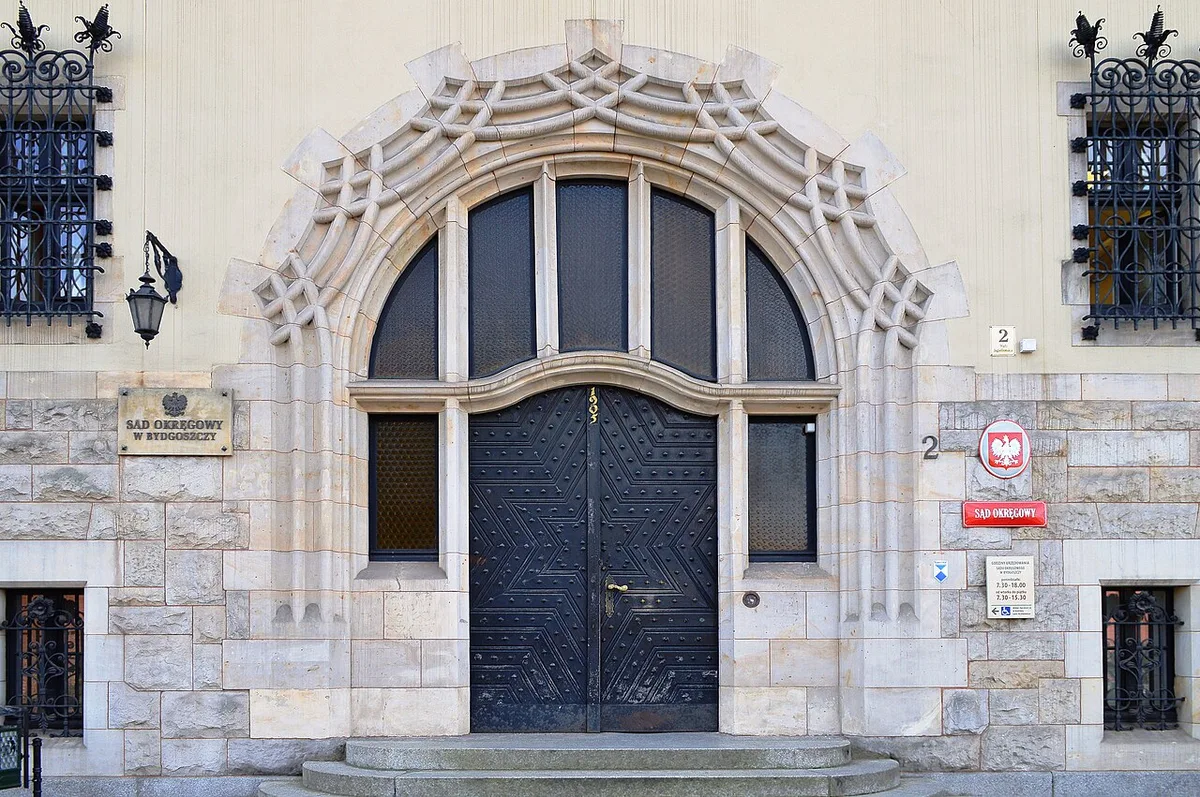
Pros and Cons of Visiting Bydgoszcz
I try to be honest with readers rather than sell every city as a must-see, so here's the balanced list I'd give a friend asking whether to add Bydgoszcz to their itinerary.
- Pros: what makes Bydgoszcz worth it
- Genuine riverside atmosphere along the Brda, especially around Mill Island
- The "Man Crossing the River" sculpture by Jerzy Kędziora is a striking, free photo stop
- Restored 18th/19th-century granaries and the Bydgoszcz Canal give real industrial-heritage depth
- Noticeably fewer tourists and lower prices than Toruń or Kraków
- Easy day-trip base for Toruń, Biskupin, and Chełmno
- Cons: what may disappoint
- No dense medieval old town — the historic core is smaller and more scattered
- Less internationally famous, so fewer English-language tours and signage
- Some sights (Exploseum, canal locks) require more effort or planning to reach
- If you only want one "wow" day in the region, Toruń will out-photograph it
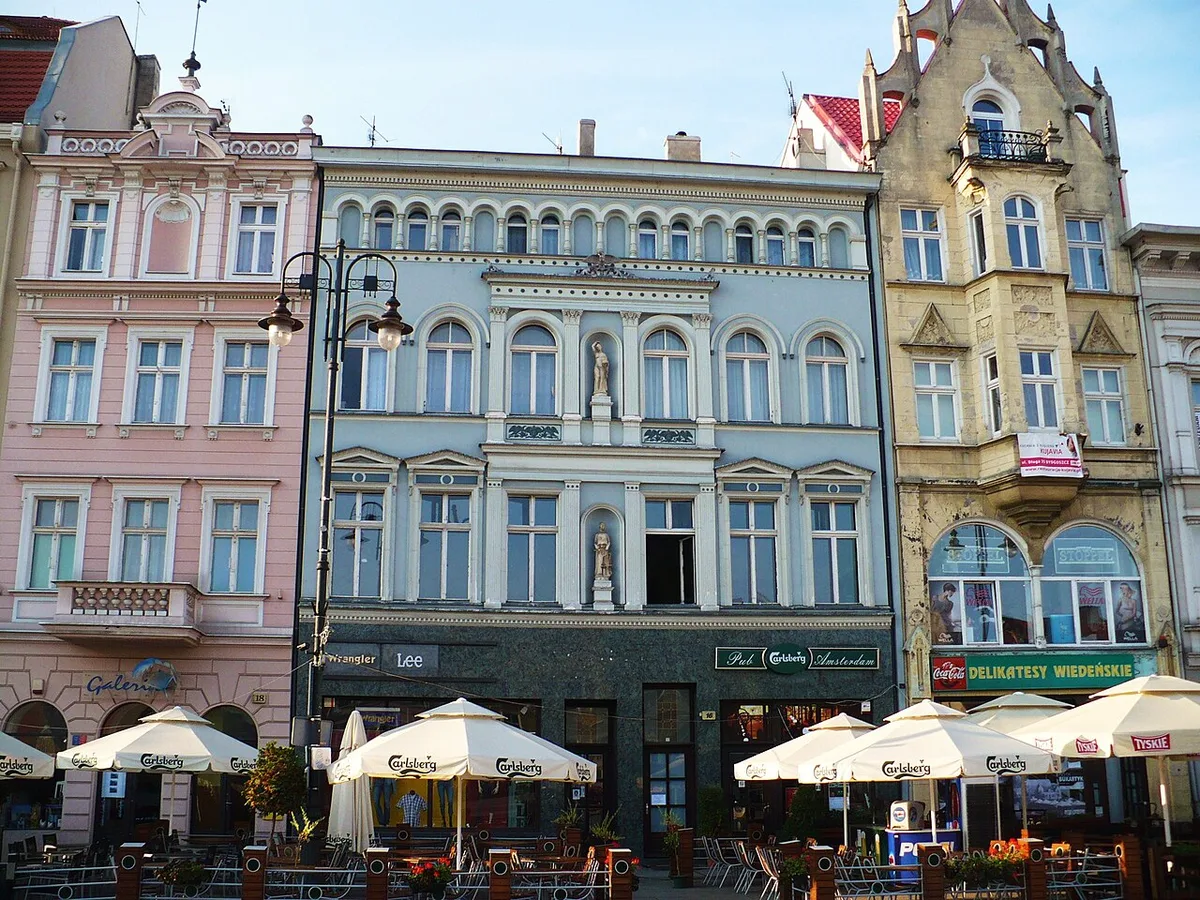
What Actually Makes It Worth It
Mill Island is the reason I'd tell most people to stop in Bydgoszcz. It's an island in the very center of the Brda, a restored district of red-brick granaries and mills — including Rother's Mills and the White Granary — now home to branches of the Leon Wyczółkowski District Museum, a small urban beach, and a weir you can walk right up to. It's calm, green, and a few steps from the Old Market Square — the kind of place where a full lazy afternoon disappears without ever running out of things to notice. I go into the full layout in the Mill Island guide.
Near the Opera Nova, the Kędziora sculpture stops every first-time visitor in their tracks — a life-size figure balanced on a wire high above the river, installed in 2004 and still one of the most photographed spots in the city. Add the "Bydgoszcz Venice" district, where old tenements rise straight out of the mill race, and the granaries lining the waterfront near the Old Market Square, and you have a genuinely photogenic half-day, even without a single Gothic church tower in sight.
The "Man Crossing the River" sculpture by Jerzy Kędziora was installed in 2004 and is one of the most photographed spots in the city.
Bydgoszcz vs Toruń: An Honest Comparison
This is the comparison everyone actually wants, so I'll be direct about it: Toruń wins on old-town charm and fame, Bydgoszcz wins on river atmosphere and crowds. I've laid out the honest trade-offs in the table below, and I go much deeper on Toruń's side of things in my is Toruń worth visiting review.
| Category | Bydgoszcz | Toruń |
|---|---|---|
| Old town | Smaller, more scattered around the river | Dense, UNESCO-listed medieval core |
| River atmosphere | Mill Island, granaries, water tram, weir | Riverside walls, but river is secondary |
| Signature sight | "Man Crossing the River" sculpture | Copernicus's birthplace, gingerbread museums |
| Crowds | Noticeably quieter, even in summer | Busy, especially weekends and tour groups |
| Fame / UNESCO status | Not UNESCO-listed, less internationally known | UNESCO World Heritage Site, famous nationwide |
| Best for | Off-the-beaten-path, industrial-heritage fans | First-time visitors, photography, families |
My honest read: if you can only pick one, pick Toruń — it's the more famous, more photogenic, and more efficient use of a single day. But since the two cities sit roughly 40-50 minutes apart by train, treating this as an either/or choice is a mistake. They pair perfectly as a two-city trip, and Bydgoszcz is what makes that pairing feel like a real regional trip rather than one town twice.
Toruń is a UNESCO World Heritage Site and more famous, while Bydgoszcz is noticeably quieter even in peak summer — each city appeals to a different kind of traveler.
Practical Verdict: Who Should Go, Who Should Skip
Go to Bydgoszcz if you've already ticked off Toruń, if you're the kind of traveler who prefers a city's second-tier destinations to its headline ones, or if industrial heritage and canal history genuinely interest you rather than feeling like homework. It also makes sense as a quieter, cheaper base with easy rail access to Toruń, Biskupin, and Chełmno.
Skip it, or shorten it to a half-day, if you only have one day in this part of Poland and want the single biggest visual payoff — that's Toruń, not Bydgoszcz. As of 2026, prices in both cities remain modest by Western European standards, so the decision is really about atmosphere and pace, not budget. Check current opening hours before you go, since some Mill Island museum branches and the Exploseum keep seasonal schedules.
To put rough numbers on it: the District Museum branches on Mill Island charge around 15-25 PLN (≈€3.50-6) each, the Exploseum's guided route runs about 20-30 PLN, and a regional train ticket to Toruń costs roughly 12-16 PLN each way, with departures several times an hour at peak. A solid mid-range double near the Old Market Square still books for about 250-350 PLN a night in high season — a bracket that buys noticeably less in Kraków or Gdańsk — and a two-course dinner with a drink rarely tops 70-90 PLN per person. Verify seasonal hours on the official Visit Bydgoszcz portal before planning a Monday visit in particular, since most museum branches close that day.
Frequently Asked Questions
Is Bydgoszcz worth visiting for just a day trip?
Yes, a day trip works well if you focus on Mill Island, the Old Market Square granaries, and the "Man Crossing the River" sculpture. You'll cover the highlights comfortably in 4-6 hours, though staying overnight lets you see the riverside lit up in the evening.
Is Bydgoszcz better than Toruń?
Not exactly better — different. Toruń has a denser, more famous UNESCO old town and wins on pure sightseeing efficiency. Bydgoszcz wins on river atmosphere, quieter streets, and lower prices. Most travelers enjoy both more as a pair than as a single either/or pick.
How many days do you need in Bydgoszcz?
One full day covers the essentials comfortably. Two days lets you add the Exploseum or a canal walk without rushing. For a full breakdown, see our how many days in Bydgoszcz guide.
Is Bydgoszcz crowded with tourists?
No, and that's one of its biggest draws. Even in peak summer, Mill Island and the Old Market Square feel noticeably calmer than equivalent spots in Toruń or Kraków, which makes for a more relaxed pace of sightseeing.
What is Bydgoszcz best known for?
Bydgoszcz is best known for Mill Island (Wyspa Młyńska), the restored granaries along the Brda, the Kędziora balancing sculpture, and the historic Bydgoszcz Canal — one of the oldest artificial waterways still in use in Europe, opened in 1774.
Final Thoughts
Is Bydgoszcz worth visiting? For me, yes — just not as a replacement for Toruń, and not as your only stop in Kuyavia. It's the quieter, river-focused half of a two-city trip that rewards travelers willing to slow down and look past the headline sights. Start with the things to do in Bydgoszcz guide to plan the rest of your visit.
You might also like


Continue reading
More guides you'll find useful


