Is Sopot Worth Visiting? An Honest 2026 Verdict
Last updated June 2026 — "Is Sopot worth visiting if I'm already in Gdańsk?" is almost always the question, and it is easy to see why it gets asked. Sopot is twenty minutes away by SKM commuter rail, it is tiny, and from the outside it can look like a glitzy add-on to the real story — which happens in Gdańsk. The honest answer is: yes, it is worth visiting, and for the right kind of traveller it may actually be the most enjoyable stop on the Baltic coast. The catch is that Sopot is a very specific kind of place, and understanding that specificity before you arrive makes all the difference between a delightful day and a slightly puzzled one.
Sopot is not Gdańsk. It has no medieval old town, no amber-shop cobblestones, no weight of 14th-century Gothic and WWII history pressing down on every street. What Sopot has is something rarer in Poland: a genuine seaside resort identity — Europe's longest wooden pier stretching over the Baltic, a sandy beach in the heart of town, a buzzing pedestrian promenade, the Grand Hotel's century-old spa heritage, and an upscale, unhurried atmosphere that sets it apart completely from either of its Tricity neighbours. Whether that is worth your time depends on what you are travelling for. Here is the honest version for 2026. For the full activities breakdown, see the complete guide to things to do in Sopot.
Key Takeaways
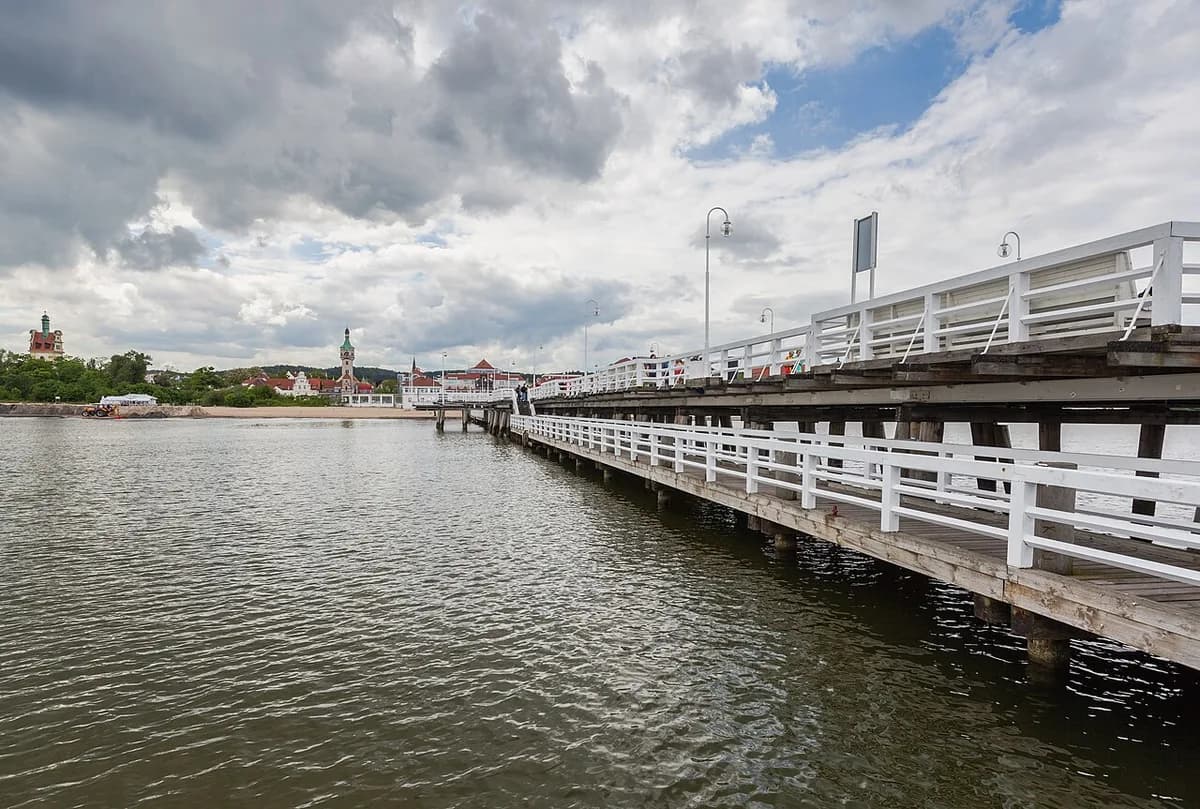
- Sopot Pier (Molo) is the longest wooden pier in Europe at approximately 511 metres — the defining Sopot experience and worth the short trip from Gdańsk alone.
- Bohaterów Monte Cassino ("Monciak") is the liveliest pedestrian promenade on the Polish Baltic — anchored at one end by the surreal Krzywy Domek (Crooked House, opened 2004).
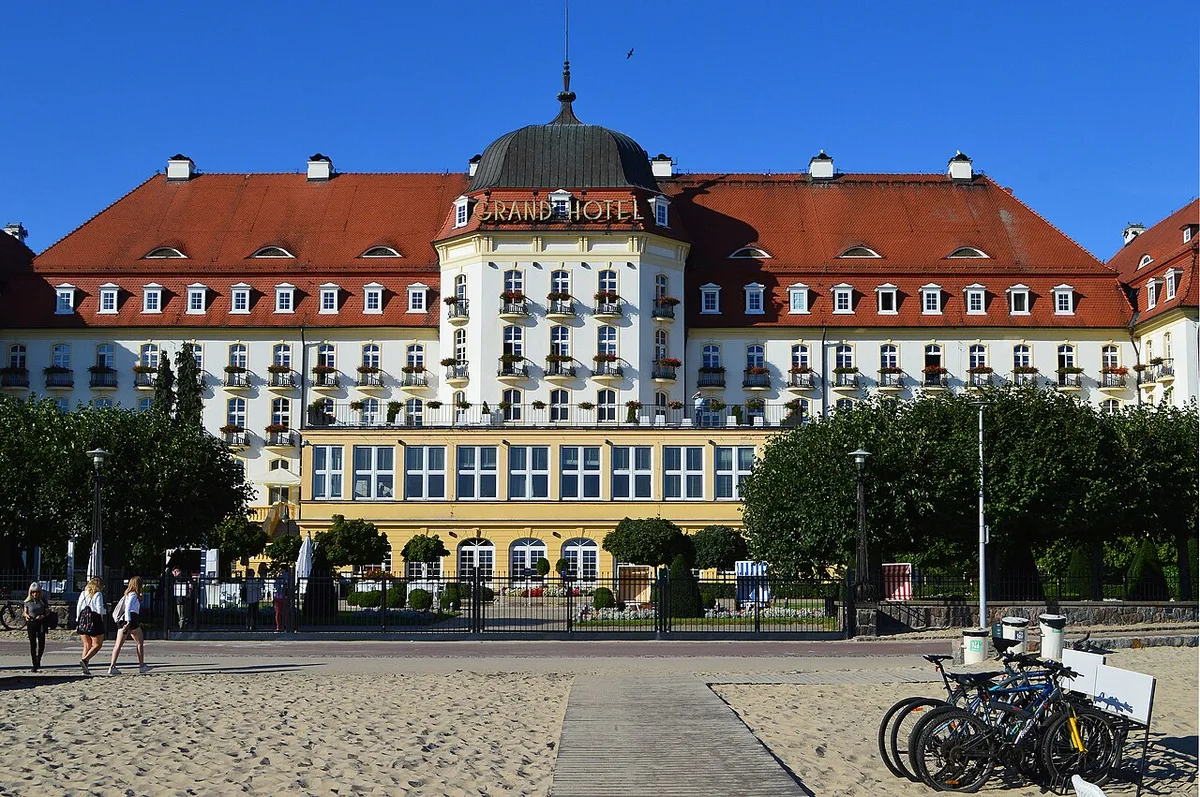
- The Grand Hotel Sopot (now Sofitel) is a seafront spa institution dating from the early 20th century — the spa heritage that gives Sopot its "Polish Riviera" reputation.
- Easy SKM commuter rail access: Gdańsk Główny to Sopot takes around 20 minutes; a day trip is entirely practical.
- No medieval old town — Sopot's compact centre runs from Monte Cassino to the pier, and you will cover it in a few hours.
- Peak summer (July–August) is busy, party-heavy, and expensive; May–June and September offer the same beach and pier at a fraction of the crowd and cost.
Is Sopot worth visiting? The short answer
Yes — as a day trip from Gdańsk for almost any visitor, and as an overnight or two-night base for couples, beach seekers, and spa-minded travellers who want a more relaxed alternative to Gdańsk's busier old-town hotels. What makes Sopot distinctive is not just the famous pier or the long sandy beach but the atmosphere: this is the one Polish city where "resort" is not a stretched description. The seafront Grand Hotel, the leafy villas behind the beach, the open-air Forest Opera (Opera Leśna) hosting the Sopot Festival each August (event dates are published on the city's official portal at sopot.pl) — Sopot has a genuine leisure identity that nothing in Gdańsk or Gdynia can replicate. That identity is the reason to come. As a comparison, our guide to whether Gdańsk is worth visiting frames the wider Tricity picture if you are weighing the two cities as a base.
The honest counterpoint: Sopot is very small. Once you have walked the Monciak, admired the Crooked House, strolled to the end of the pier, sat on the beach, and had lunch — you have done the core of Sopot. That can take a focused visitor four hours. If you are staying two nights, you are partly paying for the atmosphere, the spa, the relaxed pace, and easy day-trip access to Gdańsk and Gdynia rather than inexhaustible local sights. Know that going in and you will not be disappointed.
What Sopot gets right — the genuine upsides
The Pier (Molo) is genuinely special. At approximately 511 metres, Sopot's wooden pier is the longest in Europe, and walking to its far end over the open Baltic — the water green-grey below, the Tricity skyline fading behind you — is one of those simple travel experiences that is hard to replicate anywhere else in Poland. Entry costs around 10–15 PLN (≈€2.50–3.50 as of 2026; verify at the gate). It is worth doing in the evening light as much as in the afternoon. For the full historical context and what to look out for, the Sopot Pier guide covers everything in detail.
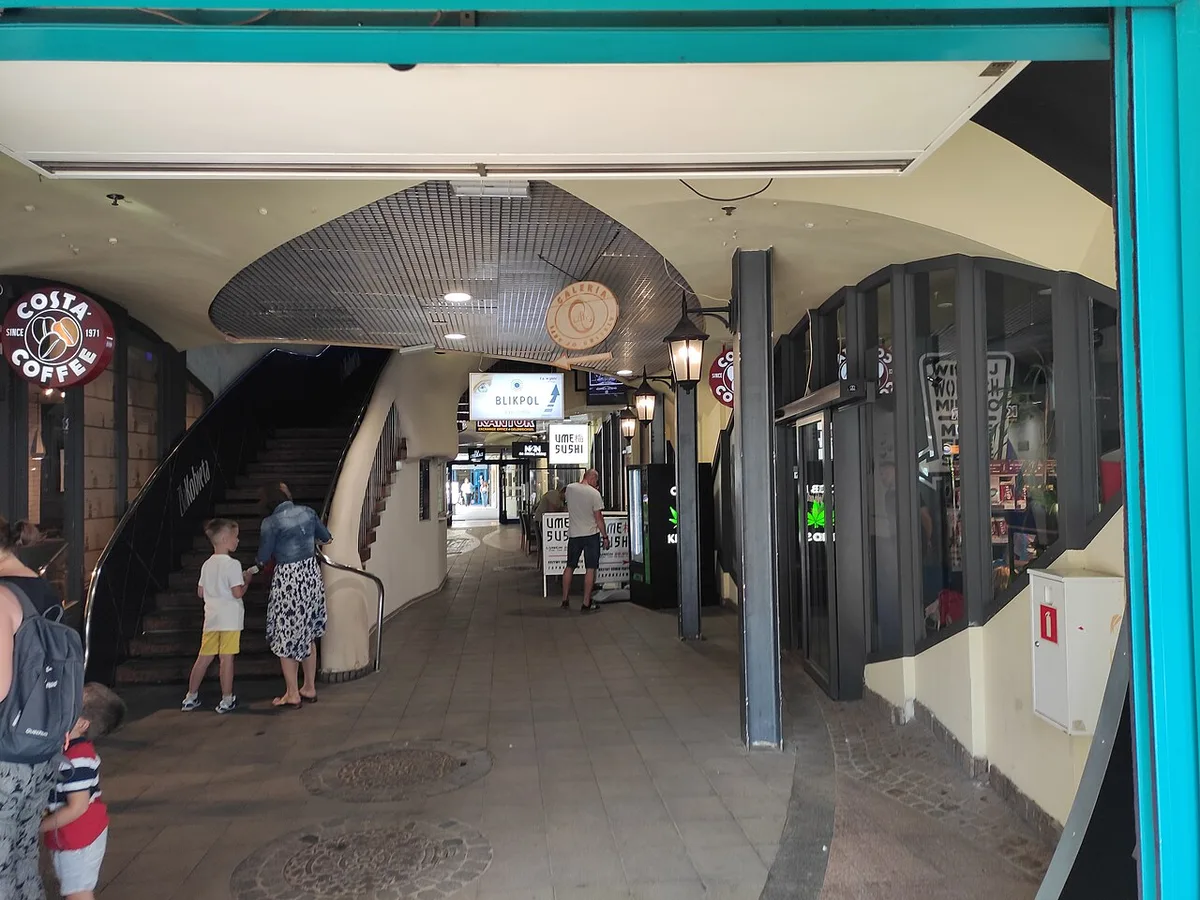
Monte Cassino promenade has genuine buzz. Bohaterów Monte Cassino — universally called "Monciak" — is closed to traffic and lined with restaurants, cafes, boutiques, and bars. At its seaward end sits the Krzywy Domek (Crooked House), a deliberately surrealist building that opened in 2004 and has become one of the most-photographed facades in Poland. It sounds gimmicky and it is slightly gimmicky, but the context — a warped, fairytale building at the edge of a resort promenade leading to a Baltic pier — is genuinely fun. Monciak is the heartbeat of Sopot; allow time to sit down in one of the pavement cafes and watch the world go by.
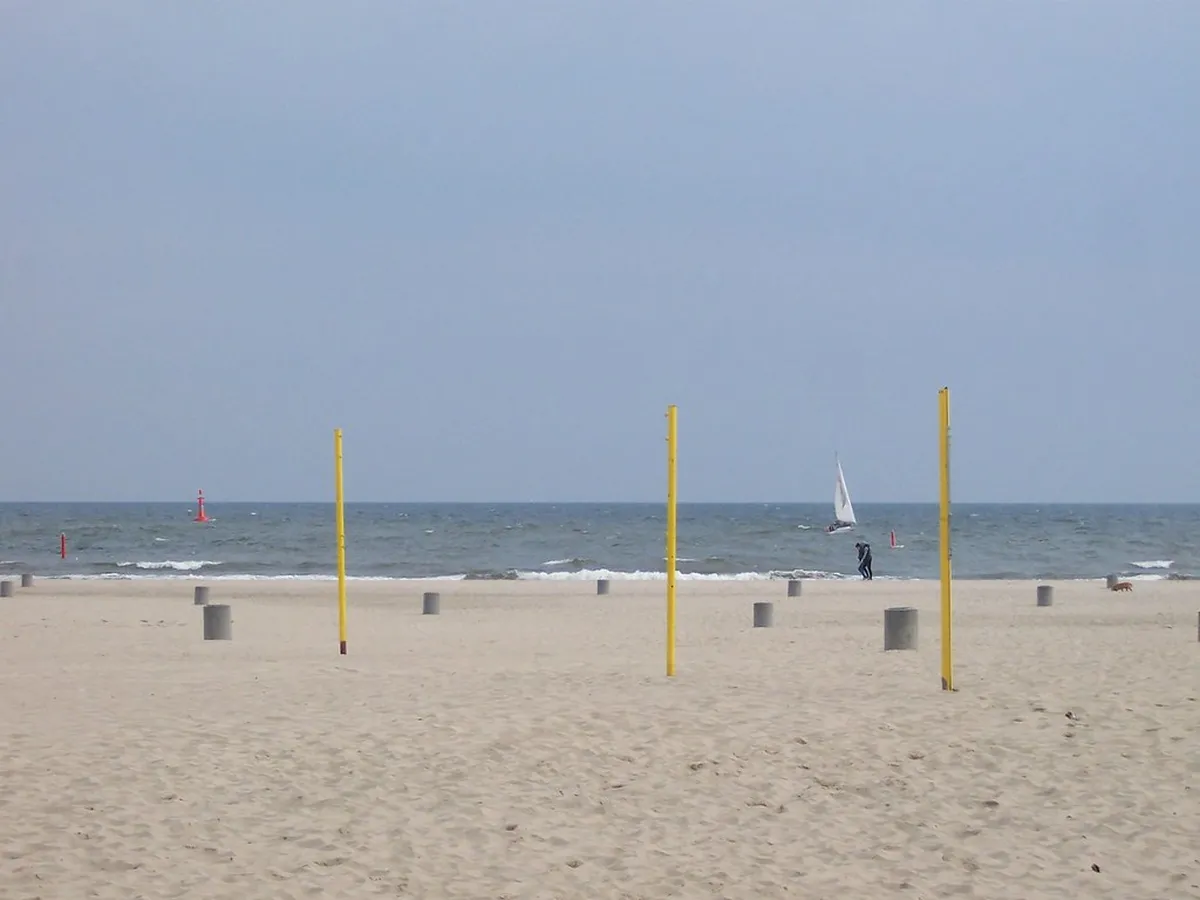
The beach is the best in the Tricity. Sopot's sandy beach runs along the full length of the town and is wider and better maintained than either Gdańsk's or Gdynia's. Sunbeds and umbrellas are available for hire in the main beach zone; quieter sections exist further north and south. In May and June the water is too cold for most swimmers but the beach itself is a pleasure to walk. By July it is genuinely warm enough for Baltic swimming — cold by Mediterranean standards, but bracing and exhilarating.
The spa heritage is real. The Grand Hotel Sopot (now Sofitel Grand Sopot) has been a landmark since the early 20th century when Sopot attracted Central European aristocracy and the wealthy for sea-cures and thermal treatments. That heritage is more than a marketing story: the wellness culture is still embedded in how the town presents itself, and the spa facilities on offer in 2026 are genuinely of high standard. Sopot earned its "Polish Riviera" nickname and — unlike some such titles — it is not entirely undeserved.
SKM access makes it a painless excursion. The SKM commuter rail from Gdańsk Główny to Sopot runs every few minutes in season and takes around 20 minutes. Tickets cost a few złoty and are bought at machines on the platform. The Sopot SKM station lets you out almost directly onto Bohaterów Monte Cassino. There is almost no logistical friction in adding Sopot to a Gdańsk trip.
The honest downsides — what Sopot is not
There is no historic centre in any medieval sense. Sopot's "old town" is Monte Cassino to the pier — a walk of roughly 700 metres. There is no Gothic cathedral, no Rynek lined with Renaissance tenements, no layered-history streets of the kind Gdańsk delivers. The city's oldest identity is as a 19th-century spa resort, not an ancient settlement. If historic urban texture is your primary travel motivation, you should be in Gdańsk, which is less than half an hour away — the official visitgdansk.com portal shows just how deep that city's museum and heritage offer runs.
Peak summer is loud, crowded, and expensive. July and August transform Sopot into a party resort. Hotel prices spike — particularly seafront properties, where a night at the Sofitel or the Sheraton can run 800–1,500+ PLN (≈€190–350). The promenade is packed, restaurant waits are long, and the atmosphere tips noticeably towards hen and stag weekend territory. Beach space is contested. For travellers who came for the upscale, spa-resort tranquillity that defines Sopot at its best, peak season is the wrong version of the city.
The sights are compact and can feel thin on a rainy day. Sopot has almost no indoor cultural institutions of note. If the weather turns — and the Baltic coast in spring and autumn is reliably changeable — there is limited recourse beyond cafes, restaurants, and the spa. The Sopot Museum is small. Without the beach and the pier in their element, Sopot's case for more than a half-day weakens considerably.
It is the priciest city in the Tricity. Accommodation, particularly on or near the seafront, runs notably more expensive than equivalent options in Gdańsk or Gdynia. Restaurant prices on Monte Cassino trend higher than the Gdańsk old town. Budget-conscious travellers will get better value basing themselves in Gdańsk or Gdynia and day-tripping to Sopot.
Sopot pros and cons at a glance
| Pros | Cons |
|---|---|
| Europe's longest wooden pier (~511m) — the standout Baltic experience | No medieval old town or historic core of depth |
| Wide sandy beach right in the town centre | Peak summer (July–Aug) is crowded, noisy, expensive |
| Monte Cassino promenade buzz + Crooked House | Small — core sights covered in 3–4 hours |
| Grand Hotel Sopot spa heritage; real wellness culture | Most expensive city in the Tricity |
| Forest Opera hosts the Sopot Festival (August) | Limited indoor culture on rainy days |
| 20 minutes from Gdańsk Główny by SKM — easy day trip | Parking near impossible in summer |
| Upscale, relaxed, resort atmosphere unlike anywhere else in Poland | Hotel prices spike sharply in season |
The best value Sopot experience is a mid-week visit in May, early June, or September. You get the same pier, the same beach, and the same Monte Cassino atmosphere at a fraction of the summer crowds and prices. The Baltic is cold but the light is extraordinary, and the town retains its upscale calm without the party-resort overlay of July–August.
Who should visit Sopot — and who should day-trip or skip
Visit Sopot (including overnight) if you are travelling as a couple and want a seafront base with spa facilities and a relaxed, upscale atmosphere; you are a beach and Baltic Coast traveller for whom the pier and the sand are central rather than peripheral; you are on a longer Tricity stay (3+ days) and want the contrast between Gdańsk's historic gravity and Sopot's resort lightness; or you are interested in the Sopot Festival in August and want the Forest Opera as your primary draw. Sopot also suits anyone who finds Gdańsk's old-town hotel zone too tourist-facing and wants something calmer — staying in Sopot and day-tripping to Gdańsk for the history works extremely well. Browse where to stay in Sopot for the full accommodation breakdown.
Keep Sopot to a day trip if you are on a one- or two-day Tricity visit where Gdańsk must come first (it must — the old town is non-negotiable for first-timers); you are travelling on a tight budget and cannot absorb the Sopot hotel premium; or medieval history and architectural depth are your primary motivation. A well-timed four-to-five-hour Sopot day trip — pier in the morning, lunch on Monciak, beach in the afternoon, SKM back to Gdańsk by early evening — captures the best of the city without the accommodation cost. The day trips from Sopot guide is useful if you are using it as a base and want to range further into the Tricity and beyond.
What a Sopot visit costs in 2026
Budget realistically: Sopot is a premium destination by Polish standards. A sit-down lunch on or near Monte Cassino will run around 50–80 PLN per person (≈€12–19). Coffee is 12–18 PLN. Entry to the pier (Molo) is around 10–15 PLN; confirm at the gate as prices are reviewed seasonally. Accommodation ranges from guesthouses in the villa quarter at around 200–350 PLN per night (≈€47–82) to the Sofitel Grand Sopot at 600–1,500+ PLN in season. Mid-range boutique hotels and apartments off the main promenade typically fall in the 280–500 PLN (≈€65–117) bracket. The SKM from Gdańsk is a few złoty each way and is the cheapest part of the entire experience. All prices as of 2026 — verify before visiting, particularly for the pier and any spa facilities.
Frequently Asked Questions
Is Sopot worth visiting in 2026?
Yes — as a day trip for almost any visitor to the Tricity, and as a overnight base for couples and beach travellers who want a spa-resort alternative to Gdańsk's busier old-town zone. Sopot's core appeal is specific: Europe's longest wooden pier (~511m), a sandy central beach, the buzzing Monte Cassino promenade, and a genuine upscale resort atmosphere. It has no medieval old town, covers its main sights in half a day, and is more expensive than Gdańsk or Gdynia — but within those parameters, it delivers very reliably.
Is Sopot better as a day trip or an overnight stay from Gdańsk?
For most visitors, a day trip from Gdańsk (around 20 minutes by SKM) is the right call — it covers the pier, Monte Cassino, the Crooked House, and the beach without the accommodation premium. Staying overnight makes sense if you are a couple prioritising a spa or beach holiday, if you are in the Tricity for three or more days, or if you want a calmer base than the Gdańsk old town and are happy to day-trip back for the history. The SKM makes Gdańsk equally accessible from Sopot in either direction.
What are the main reasons NOT to visit Sopot?
Three honest reasons to reconsider or limit your time: first, if medieval architecture and historic urban atmosphere are your primary goal, Sopot has almost none — your time is better spent in Gdańsk. Second, if you are visiting in July or August, Sopot in peak summer is loud, crowded, and expensive — the resort atmosphere tips into party territory, prices spike sharply, and accommodation books out months in advance. Third, if you are on a strict budget, Sopot is the priciest city in the Tricity; Gdańsk or Gdynia offer better value for the money.
How does Sopot compare to staying in Gdańsk?
Gdańsk is the better base for first-timers and history-focused travellers — its reconstructed Gothic old town, the Long Market, St. Mary's Basilica, Westerplatte, and the Amber Museum are unmatched in the Tricity. Sopot is the better base if you want a beach-resort atmosphere, spa facilities, and a calmer seafront environment, and are content to day-trip to Gdańsk for the historic sites (the SKM takes around 20 minutes). Cost-wise, Gdańsk old-town hotels run slightly less than Sopot seafront properties, while Gdynia is cheapest of all. Neither Gdańsk nor Sopot is "wrong" — they serve different travel personalities.
Is Sopot worth visiting in summer — or is it too crowded?
It depends on your tolerance for crowds. Sopot in July–August is popular, busy, and expensive, with the Monte Cassino promenade packed in the evenings and beach space at a premium. If you enjoy a lively, holiday-resort energy and have booked well in advance, the summer season is perfectly enjoyable — the Sopot Festival at Forest Opera runs through August and is one of Poland's most celebrated music events. If you prefer quiet, the shoulder months of May to mid-June and September offer the same pier, beach, and promenade at a fraction of the congestion and cost. The best time to visit Sopot guide has the full seasonal breakdown.
Final Thoughts
So, is Sopot worth visiting? The honest 2026 verdict is: yes, with clear eyes about what it is. Sopot is not trying to be Gdańsk and it does not need to be — it is Poland's best Baltic resort, and on those terms it delivers exceptionally well. The pier alone is worth the twenty-minute train ride from Gdańsk; the Monte Cassino promenade and the Crooked House are fun and photogenic; the beach is the finest in the Tricity; and the spa-resort atmosphere is unique in Poland. The city is small, it can be expensive, and it is absolutely not the place to go looking for medieval history. But for what it is — a beautiful, upscale, easily accessible Baltic retreat with a genuine leisure identity — it earns its place on any Tricity itinerary without much argument. Start your planning with the full guide to things to do in Sopot for the complete picture.
You might also like


Continue reading
More guides you'll find useful